Health
Attention-deficit/hyperactivity disorder (ADHD) affects approximately 10 percent of children worldwide, yet its causes are not well understood.
Now, a study led by Susan Korrick, MD, MPH, of Brigham and Women’s Hospital (BWH), and Sharon Sagiv, PhD, MPH, of Boston University School of Public Health, and published in the online version of the Archives of Pediatrics & Adolescent Medicine on Oct. 8 links low-level prenatal mercury exposure with a greater risk of ADHD-related behaviors.
The study also finds that maternal fish consumption during pregnancy can help reduce the risk of ADHD-related behaviors in children.
This duality is possible because many types of fish have low levels of mercury, so it is possible for a pregnant woman to eat nutritionally beneficial fish without being exposed to much mercury.
“These findings underscore the difficulties pregnant women face when trying to balance the nutritional benefits of fish intake with the potential detriments of low-level mercury exposure,” said Dr. Korrick.
Dr. Sagiv agrees this study provides an important public health message, saying, “Women need to know that nutrients in fish are good for the brain of a developing fetus, but women need to be aware that high mercury levels in some fish pose a risk.”
This analysis involved approximately 400 children born in New Bedford, Massachusetts between 1993 and 1998.
Shortly after their mothers gave birth, researchers collected hair samples from the mothers and analyzed them for mercury. They also gave the mothers a questionnaire to determine their fish consumption during pregnancy.
Eight years later, researchers followed up with the children and administered standardized tests to determine behaviors related to ADHD.
Researchers found an increased risk of childhood ADHD-related behaviors with increasing maternal hair mercury levels. These mercury levels were lower than levels shown to be potentially hazardous in most previous studies.
Additionally, researchers found a reduced risk of ADHD-related behaviors in children whose mothers reported eating more than two servings of fish per week, which is a higher number of servings than is currently recommended by the United States Food and Drug Administration and Environmental Protection Agency.
The study did not examine what types of fish are best for a pregnant woman to eat, but previous studies have shown women should avoid fish that are high in mercury, such as shark, swordfish, king mackerel and fresh tuna.
Fish that are low in mercury, such as flounder, haddock and salmon, are safer to eat and good sources of nutrition.
- Details
- Written by: Editor
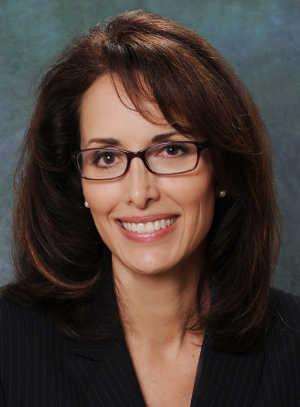
ST. HELENA, Calif. – Tricia Williams has accepted a new position with the St. Helena Hospital Region, regional vice president of Behavioral Medicine and Population Health.
In this expanded role, Williams will have oversight over behavioral health services at the Vallejo and St. Helena Napa Valley campuses as well as population health services across the Northern California Network.
Williams brings a wealth of experience to her new position.
“Tricia has over 20 years of experience in health care which includes behavioral health leadership and a passion for advocacy. Combined with her commitment to mission and the patient experience, these qualities position Tricia to make a contribution to our behavioral medicine and population health initiatives,” said Dr. Steven Herber, executive vice president at St. Helena Hospital.
In 1990, Williams began her career in health care working for Loma Linda University Medical Center as the director of marketing for their Occupational Medicine services.
In 1993 Williams joined Community Psychiatric Centers, an international for-profit behavioral medicine hospital system, as their director of marketing.
In 1996, she became the director of Business Development for Valley Health System, the largest health care district in the state of California.
There Williams developed and implemented plans to open a new psychiatric unit, negotiated a psychiatric hospitalist program, and worked with the local MediCal initiative health plan to build networks to serve their system’s integrated delivery system with over 300,000 member lives. Williams also maintained relationships with state and federal legislatures.
Williams joined St. Helena in 2006 as vice president of Business Development and Marketing where she launched the Coon Joint Replacement Institute and the NoWaitER campaign.
In 2010 she accepted the role of vice president of Operations and Planning for SHNV and the region. In this role she has been instrumental in managing our labor costs and launching Project Transform, a $20 million construction project to transform patient care areas.
Williams will begin her new role on Nov. 1 and will have offices on both the Vallejo and Napa Valley campuses.
- Details
- Written by: Editor
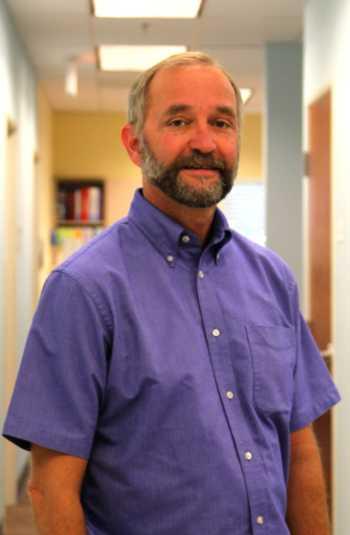
UKIAH, Calif. – Cancer is the disease that Americans fear most, according to a 2011 study conducted by Harris Interactive for the MetLife Foundation.
Because of his knowledge, professionalism and compassion, oncologist Russell I. Hardy, M.D., has been nominated by his peers to receive this year’s Adventist Health Mission Service Award.
Dr. Hardy was chosen by exemplifying the following characteristics:
1. Manifests a life of integrity.
2. Incorporates loving care into practice.
3. Encourages others to incorporate loving care into practice.
4. Displays empathy for patients and staff.
5. Sees patients as whole persons (body, mind, and spirit).
6. Elicits confidence from patients and staff.
7. Is open- minded about matters of faith.
8. Exhibits sensitivity to emotions of others in the face of difficult situations such as end of life issues, poor prognosis, and emotionally- charged circumstances.
9. Is recognized by others as a caring practitioner.
10. When needed, integrates spiritual experts into care plan including the chaplains and clergy, or other spiritual leaders.
“Dr. Hardy has dedicated over 20 years to the care of cancer patients in Ukiah,” shared the Director of Medical Staff at UVMC, Paula Radell. “The letters supporting Dr. Hardy’s nomination include personal and professional stories of triumph, loss and gratitude by community members from all walks of life.”
One such letter from someone who preferred to remain anonymous stated:
“In my opinion, [Dr.] Hardy is the most loving oncologist I have ever met. I consider it a loving act to tell the truth even though the patient may not want to hear it. He bases the truth on science as he knows it, and the integrity he carries in his soul to treat people with respect – the way he would want to be treated. [Dr. Hardy] treats the whole patient. His work is complex and emotional, but he is “there” for his patients every day. He works tirelessly with them to deal with their fears and find a path toward the best quality of life they can have. He encourages them to take the time to do the things that are important to them, and he understands that many times it is not the path of endless medical intervention. He has the courage to say what many of his colleagues cannot, and his patients love and respect him for it.”
Thanks to Dr. Hardy, cancer patients in Mendocino County can receive the care they need close to home.
“Our community is truly blessed to have a physician of Dr. Hardy’s caliber and compassion here in Ukiah,” said UVMC Chief Executive Officer Gwen Matthews said.
Dr. Hardy will be presented with his award at the 2012 Adventist Health Physicians Symposium in Roseville on Oct. 16.
- Details
- Written by: Editor
Milk consumption has been linked to improved health, with decreased risks of diabetes, metabolic syndrome and colon cancer.
A group of scientists in Sweden found that lactoferricin4-14 (Lfcin4-14), a milk protein with known health effects, significantly reduces the growth rate of colon cancer cells over time by prolonging the period of the cell cycle before chromosomes are replicated.
In a new study, investigators report that treatment with Lfcin4-14 reduced DNA damage in colon cancer cells exposed to ultraviolet (UV) light. Their results are published in the October issue of the Journal of Dairy Science.
“We previously hypothesized that the prolongation of the cell cycle in colon cancer cells as a result of Lfcin4-14 treatment may give the cells extra time for DNA repair,” said one of the lead investigators, Professor Stina Oredsson, of the Department of Biology at the University of Lund, Sweden. “Indeed, UV light-induced damage was decreased in colon cancer cells treated with Lfcin4-14 compared with controls. The differences were small but significant.”
Investigators exposed colon cancer cells to UV light that caused DNA damage and then grew the cells in the absence or presence of Lfcin4-14. They evaluated DNA damage using a sensitive technique known as comet assay.
After the cells are processed, the cells with DNA damage resemble a comet with a tail, and the intensity of the tail compared to the comet head indicates the number of DNA breaks.
UV light exposure resulted in an increase in the number of comets while treatment with Lfcin4-14 reduced the number of comets in UV light-exposed cells.
To understand the mechanism by which Lfcin4-14 reduced DNA damage, investigators evaluated the levels of several proteins involved in cell cycle progression, DNA repair, and cell death.
They found an increase in flap endonuclease-1, a protein associated with DNA synthesis; a decrease in b-cell lymphoma 2-associated X protein, which is involved with cell death; and a decrease in the level of -H2AX, indicating more efficient DNA repair.
“These changes in expression support our hypothesis that Lfcin4-14 treatment resulted in increased DNA repair,” said Dr. Oredsson.
Dr. Oredsson noted that cancer cells, in general, have defects in the DNA repair mechanisms. Thus, Lfcin4-14 may have a greater effect on normal cells than on cancer cells.
“Our data suggest that the effects of Lfcin4-14 in prolonging the cell cycle may contribute to the cancer preventive effect of milk. This must be further investigated in different systems,” she concluded.
- Details
- Written by: Editor