Health
- Details
- Written by: Editor
SACRAMENTO – The recent diagnosis of hantavirus pulmonary syndrome (HPS) in two Californians, one of whom died, has prompted Dr. Ron Chapman, director of the California Department of Public Health (CDPH) and state public health officer, to remind Californians to take precautions to prevent exposure to the virus that causes HPS at their places of residence, work, and recreation.
“Hantavirus is a rare but serious disease spread by rodents,” Chapman said. “This disease can frequently become fatal, but there are steps you can take to reduce your exposure.”
Public health officials believe the two recent patients might have been exposed to mice droppings or urine that contained hantavirus while vacationing at Curry Village in Yosemite National Park.
CDPH and Yosemite National Park Public Health Service officers routinely conduct rodent surveillance to monitor deer mouse abundance and virus activity in mouse populations.
Yosemite also conducts routine rodent proofing and inspections of buildings and facilities throughout the park.
Not all deer mice carry hantavirus, but deer mice with hantavirus have been found throughout the United States.
With recommendations from CDPH, Yosemite National Park has increased routine measures to reduce the risk of hantavirus exposure to Park visitors.
These efforts include regular thorough inspection and cleaning of rooms and cabins, exclusion of deer mice and other rodents from buildings, maintaining good housekeeping and sanitation levels to discourage rodent infestations, and public education.
Since HPS was first identified in 1993, there have been 60 cases in California and 587 cases nationally. About one third of HPS cases identified in California were fatal.
The two recent cases bring the total California case count for 2012 to four. Case-patients have been exposed to hantavirus in many areas in California where deer mice live, particularly from the eastern Sierra Nevada region and at higher elevations.
HPS is caused by a virus that individuals get through contact with the urine, droppings or saliva of infected wild mice, primarily deer mice.
Breathing small particles of mouse urine or droppings that have been stirred up into the air is the most common means of acquiring infection.
The illness starts one to six weeks after exposure with fever, headache, and muscle ache, and progresses rapidly to severe difficulty in breathing and, in some cases, death.
When you are in wilderness areas or places that harbor mice, you can take the following steps to prevent HPS:
- Avoid areas, especially indoors, where wild rodents are likely to have been present.
- Keep food in tightly sealed containers and store away from rodents.
- Keep rodents out of buildings by removing stacked wood, rubbish piles, and discarded junk from around homes and sealing any holes where rodents could enter.
- If you can clean your sleeping or living area, open windows to air out the areas for at least two hours before entering. Take care not to stir up dust. Wear plastic gloves and spray areas contaminated with rodent droppings and urine with a 10 percent bleach solution or other household disinfectants and wait at least 15 minutes before cleaning the area. Place the waste in double plastic bags, each tightly sealed, and discard in the trash. Wash hands thoroughly afterward.
- Do not touch or handle live rodents and wear gloves when handling dead rodents. Spray dead rodents with a disinfectant and dispose of in the same way as droppings. Wash hands thoroughly after handling dead rodents.
- If there are large numbers of rodents in a home or other buildings, contact a pest control service to remove them.
For additional information on preventing HPS, visit CDPH’s Hantavirus Cardiopulmonary Syndrome page, www.cdph.ca.gov/HealthInfo/discond/Pages/HantavirusPulmonarySyndrome.aspx , and the federal Centers for Disease Control and Prevention’s Hantavirus Web site page, http://www.cdc.gov/hantavirus/index.html .
- Details
- Written by: Editor
People with blood type A, B or AB had a higher risk for coronary heart disease when compared to those with blood type O, according to new research published in “Arteriosclerosis, Thrombosis and Vascular Biology,” an American Heart Association journal.
People in this study with the rarest blood type – AB, found in about 7 percent of the U.S. population — had the highest increased heart disease risk at 23 percent.
Those with type B had an 11 percent increased risk, and those with type A had a 5 percent increased risk.
About 43 percent of Americans have type O blood.
“While people cannot change their blood type, our findings may help physicians better understand who is at risk for developing heart disease,” said Lu Qi, M.D., Ph.D., the study’s senior author and an assistant professor in the Department of Nutrition at the Harvard School of Public Health in Boston.
Knowing your blood type can be an important part of staying healthy and avoiding heart disease, Qi said.
“It’s good to know your blood type the same way you should know your cholesterol or blood pressure numbers,” he said. “If you know you’re at higher risk, you can reduce the risk by adopting a healthier lifestyle, such as eating right, exercising and not smoking.”
The findings are based on an analysis of two large, well-known U.S. studies – 62,073 women from the Nurses’ Health Study and 27,428 adults from the Health Professionals Follow-up Study.
Participants were between ages 30 and 75, and both groups were followed for 20 years or more.
Researchers also considered the study participants’ diet, age, body mass index, gender, race, smoking status, menopause status and medical history.
Researchers noted that the percentages of different blood types seen among the men and women enrolled in the two studies reflected levels seen in the general population.
The study did not evaluate the biological processes behind blood type and heart disease risk.
“Blood type is very complicated, so there could be multiple mechanisms at play,” Qi said.
However, there is evidence suggesting that type A is associated with higher levels of low-density lipoprotein cholesterol, the waxy substance that can clog arteries, and type AB is linked to inflammation, which may affect the function of the blood vessels.
Also, a substance that plays a favorable role in blood flow and clotting may be higher in people with type O blood.
Understanding blood type could help health care providers better tailor treatments, Qi suggested.
For example, a patient with type A blood may best lower heart disease risk by decreasing cholesterol intake.
The study group was predominantly Caucasian, and it’s not clear whether these findings would translate to other ethnic groups. Environment also contributes to risk, Qi said.
“It would be interesting to study whether people with different blood types respond differently to lifestyle intervention, such as diet,” Qi said, noting that further analysis is needed.
- Details
- Written by: Editor
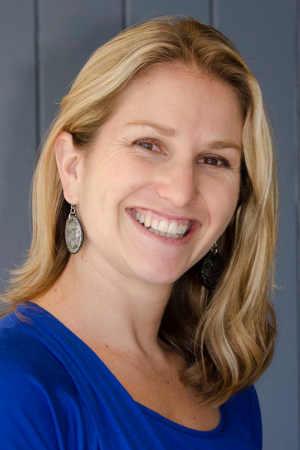
LAKE COUNTY, Calif. – Recently, Mendocino Community Health Clinic (MCHC) welcomed Dr. Rebecca Timme to its staff.
Dr. Timme is a pediatrician and child psychiatrist who will be splitting her time between Hillside Health Center in Ukiah and Lakeside Health Center in Lakeport.
She comes to Northern California from the University of Kentucky, where she recently completed her residency in pediatrics, psychiatry and child psychiatry.
Although she thought she’d end up working at an academic center, the work/life balance of Mendocino County and MCHC’s organizational philosophy drew her to Ukiah.
“I really enjoy working with kids,” she said. “And I believe in integrated care.”
She explained the importance of working closely with a team of providers for the benefit of the patient, and cautioned against the damage that fragmented care can inflict, especially for youth who require medication for psychiatric care.
Dr. Timme primarily will be working with patients under the age of 18, but for psychiatric patients, she may also care for emerging adults as old as 22, depending on the care required.
While she treats the individual patient, she says she has a “family focus” that recognizes the influence of family structures on individuals and involves family members as appropriate.
Because of her extensive training, she is able to recognize the influence of physical and mental health on one another.
“I take a holistic approach, paying attention to the connection between the body and mind,” she said.
She looks forward to working with the team at MCHC as well as with providers in the community.
If a pediatric patient already has an established pediatrician and therapist, Dr. Timme can provide psychiatric consultations to assist with medications, but has no interest in “taking over” that patient’s care.
“I want to be part of a health care structure that protects kids,” she said.
Dr. Timme is happily married and the proud mother of an 18-month-old son.
Lakeside Health Center can be reached at 707-263-7725; contact Hillside Health Center at 707-468-1010.
- Details
- Written by: Editor
SACRAMENTO – California Department of Public Health (CDPH) director Dr. Ron Chapman on Friday warned consumers not to eat shucked and in-shell raw oysters from Drakes Bay Oyster Co. because they may be contaminated with Vibrio parahaemolyticus, a bacterium that can cause serious illness.
To date, three illnesses in California have been linked to the products.
Drakes Bay Oyster Co., an Inverness, Calif., oyster grower, has initiated a voluntarily recall of the affected shucked and in-shell raw oyster products.
The shucked oysters are packaged under the Drakes Bay Oyster Farm label and sold in 9 ounce, 1-pint, 1-quart and half-gallon jars or tubs.
The affected shucked products are labeled with lot numbers 363 through 421. The lot number can be found on the top label of each jar or tub.
The in-shell raw oysters are sold individually or in bags ranging in size from 1 dozen to 10 dozen. In-shell raw oyster tags are marked with harvest dates ranging from July 17, 2012, through Aug. 8, 2012.
A complete list of the recalled products and photos of the shellfish tag and shucked oyster jar or tub labeling can be found at the CDPH Web site, www.cdph.ca.gov .
CDPH advises consumers who purchased the affected oyster products to throw them away immediately.
Symptoms of Vibrio parahaemolyticus infection include vomiting, abdominal cramps, watery diarrhea, headache, fever and chills. Most infected people recover without treatment in a few days.
Severe illness and death from Vibrio parahaemolyticus infection is rare, but can occur with chronic liver disease, cancer or other conditions that weaken the immune system.
CDPH recommends consumers experiencing any ill effects after consuming these products should consult their health care provider.
Consumers who observe the product being offered for sale are encouraged to report the activity to the CDPH toll-free complaint line at 800-495-3232.