Health
- Details
- Written by: Editor
The Trump Administration rules would allow employers to exclude contraceptive coverage mandated by the Affordable Care Act from their employees' health insurance policies.
Last month, California Insurance Commissioner Dave Jones submitted a declaration in State of California v. Wright, a related case, providing evidence that demonstrates the harms to women if the Trump rule denying women access to contraceptives is permitted to remain in effect.
"Thanks to the Affordable Care Act, health insurance policies must cover contraceptives. Tens of millions of women across the nation benefit from the ACA provision that requires health insurance coverage of contraceptives without any copays or deductibles,” said Jones.
He said Friday’s action by a Pennsylvania court “is a relief to all of us fighting to ensure that women have access to contraceptives. President Trump's rule that is now subject to a nationwide temporary injunction would otherwise permit employers to interfere with women's constitutionally protected right to make their own health care decisions by allowing employers to deny women access to contraceptives.”
Before the ACA was in effect, Jones said he spoke to women who could not always afford to fill their prescriptions for contraceptives.
“President Trump's regulations would prevent some women from being able to make fundamental decisions about reproductive health care for themselves,” Jones said. “Trump's rule, if allowed to stand, would deprive women of their rights and access to basic health care services, while increasing the number of unintended pregnancies and abortions. The federal judge in Pennsylvania acknowledged that Trump's anti-contraceptive rules are contrary to federal law. Women will suffer serious and irreparable harm if these rules are in place and we will continue to do everything in our power to prevent that from occurring."
- Details
- Written by: Editor
“It’s an honor to accept the Health IT Pioneer Award,” said Rep. Thompson. “I’ve worked on telehealth policy since my days in the California Senate because it is part of the future of healthcare. By expanding telehealth services, we not only increase access to medical expertise and treatment to patients in all parts of the country, we can keep patients healthy at lower costs. It’s a no-brainer to help expand access to telehealth for Medicare Advantage beneficiaries, and I look forward to working with stakeholders to bring telehealth services to all Medicare beneficiaries in the future.”
The Health IT Pioneer Award is presented every year to a select handful of federal legislators and regulators for their work in pushing technologies policies and strategies to address pressing healthcare challenges.
The Increasing Telehealth Access to Medicare Act would give Medicare Advantage plans the ability to deliver services to their enrollees via telehealth by adding these services as a basic benefit. This would save money and make healthcare services and providers more accessible to enrollees.
The bill also clarifies that practitioners may use telehealth in chronic care management, allowing healthcare providers to check in on a patient who don’t have access to transportation, or to talk with patients in rural areas who suffer from more chronic conditions than their suburban and urban counterparts.
Health IT Now is a coalition of patient groups, provider organizations, employers, and payers supporting health information technology to improve patient outcomes.
Congressman Thompson represents California’s Fifth Congressional District, which includes all or part of Contra Costa, Lake, Napa, Solano and Sonoma counties.
- Details
- Written by: Editor
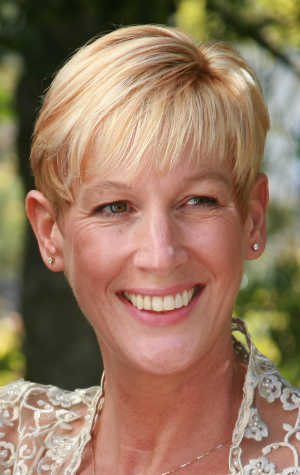
KELSEYVILLE, Calif. – Joanie Lane, director of A Positive Light Center for Spiritual Awakening, will be the host and guest presenter at this month's Companion Circle.
This educational and social gathering will take place at 6470 Kelsey Creek Drive in Kelseyville on Monday, Dec. 18, from 6:30 to 8 p.m. and is open to the public.
Lane, a meditation teacher, certified life coach and Healing QiGong Leader, will be presenting on practical mindfulness techniques intended to help with seasonal and holiday induced depression and anxiety.
Mindfulness is a scientifically proven approach that helps reduce stress and stress-related illnesses, increase focus and attention, decrease incidences of and relapses with depression, reduce anxiety, reduce relapses in addiction, and aid in sleep and digestive disorders.
Mindfulness has also been shown to increase well being, life satisfaction, happiness, as well as improved social relationships.
It can be especially helpful for those who experience heightened depression or anxiety around the holidays or suffer from seasonal affective disorder, or SAD.
Seasonal affective disorder is a type of depression displaying a recurring seasonal pattern.
"So many of us experience difficulties during the holidays," noted Lane, "and we have a tendency to take it personally. With mindfulness and compassion practices, we can meet our experience tenderly and guide us compassionately through the difficulties to a more loving experience."
Companion Circles are monthly gatherings for those curious about or committed to a mindfulness practice.
The circles occur on the third Monday of each month from 6:30 to 8 p.m. The evening includes a guided mindfulness exercise, question and answer period, social mingling and the evening's presentation.
Attendees are invited to wear comfortable clothing and, optionally, bring a simple finger food to share. Tea and water are served.
There is a suggested donation of $10, though, no one is turned away for lack of funds.
For more information on the Companion Circles, visit www.MindfulAndIntentionalLiving.com or www.apositivelight.com, or call 707-279-6031.
- Details
- Written by: Editor
California, with the highest number of births and one of the most diverse populations in the country, earned a “B” grade on the Report Card.
Premature birth (before 37 completed weeks of pregnancy) is the largest contributor to the death of babies in the U.S.
“This year’s report card is a real setback,” said Peyton Mason-Marti, MPH, March of Dimes Regional Director of Maternal Child Health. “California had been making steady progress toward our 8.1% goal, reducing the preterm birth rate from 9.1 percent in 2007 to 8.3 percent in 2014. The subsequent two years of increases to 8.6 percent in 2016, takes us back to where we were in 2010.”
The March of Dimes Report Card highlights the large gaps in the preterm rate between races and regions within California.
The preterm birth rate among black women in California is 46 percent higher than the rate among all other women.
While race is not the cause of preterm birth, a woman’s race and where she lives can place her at higher risk. Santa Clara, Ventura and Orange counties earned an “A” grade for their preterm birth rates.
Among the 100 cities in the U.S. with the greatest number of births (latest data is for 2015), Irvine, California had the lowest rate of preterm birth in the country at 5.8 percent. Yet one in 10 babies is born preterm in the Central Valley counties of Fresno and Kern.
“The 2017 March of Dimes Report Card demonstrates that moms and babies in this country face a higher risk of preterm birth based on race and zip code,” said Stacey D. Stewart, president of the March of Dimes. ”We see that preterm birth rates worsened in 43 states plus the District of Columbia and Puerto Rico, and among all racial/ethnic groups. This is an unacceptable trend that requires immediate attention. The March of Dimes is dedicated to giving every baby a fair chance for a healthy start in life, and our work is more vital than ever.”
The nation’s rate of preterm birth increased again in 2016, after nearly a decade of declines, earning the nation a grade of “C.” More than 380,000 babies are born preterm in the U.S. each year, facing a greater likelihood of death before their first birthday.
An additional 8,000 babies were born prematurely in 2016 due to the increase in the preterm birth rate between 2015 and 2016, March of Dimes says.
Babies who survive an early birth often face serious and lifelong health problems, including breathing problems, jaundice, vision loss, cerebral palsy and intellectual delays.
In addition to the human toll, preterm birth accounts for more than $26 billion annually in avoidable medical and societal costs, according to the National Academy of Medicine.
“In addition to discovering new ways to prevent premature birth, and improve the care that women receive, it’s essential that we improve the broader social context for health,” said Paul E. Jarris, MD, MBA, chief medical officer of the March of Dimes. “Only then will our nation be able to level the playing field for mothers and babies in every community.”