Health
In many cases, obesity is caused by more than just overeating and a lack of exercise. Something in the body goes haywire, causing it to store more fat and burn less energy. But what is it?
Researchers at Sanford-Burnham Medical Research Institute have a new theory – a protein called p62.
According to a study the team published in the Journal of Clinical Investigation, when p62 is missing in fat tissue, the body’s metabolic balance shifts – inhibiting “good” brown fat, while favoring “bad” white fat.
These findings indicate that p62 might make a promising target for new therapies aimed at curbing obesity.
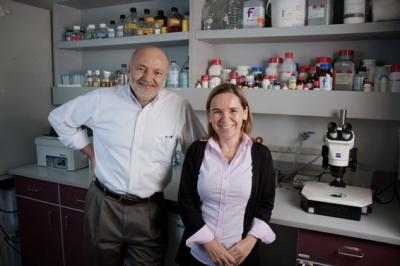
“Without p62 you’re making lots of fat but not burning energy, and the body thinks it needs to store energy,” said Jorge Moscat, Ph.D., Sanford-Burnham professor. “It’s a double whammy.” Moscat led the study with collaborators at Helmholtz Zentrum München in Germany and the University of Cincinnati.
Moscat’s team had previously produced mice that completely lack the p62 protein everywhere in their bodies. As a result, the animals were obese. They also had metabolic syndrome.
In other words, as compared to mice with p62, mice lacking p62 weighed more, expended less energy, had diabetes and had a hyper-inflammatory response that’s characteristic of obesity.
While those results showed that the lack of p62 leads to obesity, “we didn’t know which tissue was responsible for these effects, because p62 was missing in all of them,” Moscat said.
Some researchers believe that muscle tissue, where energy is expended, controls obesity. Others suspect the liver is a key player, or that the brain’s appetite control center is most responsible for obesity.
But then there’s fat itself – both white fat and brown fat. White fat is the type we think of as unwanted body fat. Brown fat, on the other hand, is beneficial because it burns calories. Many researchers now believe that brown fat somehow malfunctions in obesity, but the details are unclear.
In their latest study, Moscat and colleagues set out to pinpoint the specific tissue responsible for obesity when p62 is missing. They made several different mouse models, each missing p62 in just one specific organ system, such as the central nervous system, the liver, or muscle. In every case, the mice were normal. They weren’t obese like the mice lacking p62 everywhere.
Then they made a mouse model lacking p62 only in their fat tissue. These mice were obese, just like the mice missing p62 in all tissues.
Upon further study, the researchers found that p62 blocks the action of an enzyme called ERK while activating another enzyme called p38.
When p62 is missing, the enzyme p38 is less active in brown fat, while ERK is more active in white fat. As a result, Moscat said, p62 is “a master regulator” in normal fat metabolism.
According to Moscat, the discovery of p62’s role in brown fat tissue is encouraging, because fat tissue is much more accessible than other parts of the body – the brain, for example – for potential drug therapies.
“This makes it easier to think about new strategies to control obesity,” he said.
New methods for preventing or treating obesity, a major epidemic in the United States, are urgently needed.
Drug therapies designed to minimize the intake of food have had limited success and also produce considerable side effects.
- Details
- Written by: Editor
A cocktail of three specific genes can reprogram cells in the scars caused by heart attacks into functioning muscle cells, and the addition of a gene that stimulates the growth of blood vessels enhances that effect, said researchers from Weill Cornell Medical College, Baylor College of Medicine and Stony Brook University Medical Center in a report that appears online in the Journal of the American Heart Association.
“The idea of reprogramming scar tissue in the heart into functioning heart muscle was exciting,” said Dr. Todd K. Rosengart, chair of the Michael E. DeBakey Department of Surgery at BCM and the report’s corresponding author. “The theory is that if you have a big heart attack, your doctor can just inject these three genes into the scar tissue during surgery and change it back into heart muscle. However, in these animal studies, we found that even the effect is enhanced when combined with the VEGF gene.”
“This experiment is a proof of principle,” said Dr. Ronald G. Crystal, chairman and professor of genetic medicine at Weill Cornell Medical College and a pioneer in gene therapy, who played an important role in the research. “Now we need to go further to understand the activity of these genes and determine if they are effective in even larger hearts.”
During a heart attack, blood supply is cut off to the heart, resulting in the death of heart muscle. The damage leaves behind a scar and a much weakened heart. Eventually, most people who have had serious heart attacks will develop heart failure.
Changing the scar into heart muscle would strengthen the heart. To accomplish this, during surgery, Rosengart and his colleagues transferred three forms of the vascular endothelial growth factor (VEGF) gene that enhances blood vessel growth or an inactive material (both attached to a gene vector) into the hearts of rats.
Three weeks later, the rats received either Gata4, Mef 2c and Tbx5 (the cocktail of transcription factor genes called GMT) or an inactive material. (A transcription factor binds to specific DNA sequences and starts the process that translates the genetic information into a protein.)
The GMT genes alone reduced the amount of scar tissue by half compared to animals that did not receive the genes, and there were more heart muscle cells in the animals that were treated with GMT.
The hearts of animals that received GMT alone also worked better as defined by ejection fraction than those who had not received genes. (Ejection fraction refers to the percentage of blood that is pumped out of a filled ventricle or pumping chamber of the heart.)
The hearts of the animals that had received both the GMT and the VEGF gene transfers had an ejection fraction four times greater than that of the animals that had received only the GMT transfer.
Rosengart emphasizes that more work needs to be completed to show that the effect of the VEGF is real, but it has real promise as part of a new treatment for heart attack that would minimize heart damage.
“We have shown both that GMT can effect change that enhances the activity of the heart and that the VEGF gene is effective in improving heart function even more,” said Dr. Crystal.
The idea started with the notion of induced pluripotent stem cells – reprograming mature specialized cells into stem cells that are immature and can differentiate into different specific cells needed in the body.
Dr. Shinya Yamanaka and Sir John B. Gurdon received the Nobel Prize in Medicine and Physiology for their work toward this goal this year.
However, use of induced pluripotent stem cells has the potential to cause tumors. To get around that, researchers in Dallas and San Francisco used the GMT cocktail to reprogram the scar cells into cardiomyocytes (cells that become heart muscle) in the living animals.
Now Rosengart and his colleagues have gone a step farther – encouraging the production of new blood vessels to provide circulation to the new cells.
- Details
- Written by: Editor
Researchers from the University of South Florida and colleagues at the James A. Haley Veterans’ Hospital studying the long-term consequences of traumatic brain injury (TBI) using rat models, have found that, overtime, TBI results in progressive brain deterioration characterized by elevated inflammation and suppressed cell regeneration.
However, therapeutic intervention, even in the chronic stage of TBI, may still help prevent cell death.
Their study is published in the current issue of the journal PLOS ONE.
“In the U.S., an estimated 1.7 million people suffer from traumatic brain injury,” said Dr. Cesar V. Borlongan, professor and vice chair of the department of Neurosurgery and Brain Repair at the University of South Florida (USF). “In addition, TBI is responsible for 52,000 early deaths, accounts for 30 percent of all injury-related deaths, and costs approximately $52 billion yearly to treat.”
While TBI is generally considered an acute injury, secondary cell death caused by neuroinflammation and an impaired repair mechanism accompany the injury over time, said the authors.
Long-term neurological deficits from TBI related to inflammation may cause more severe secondary injuries and predispose long-term survivors to age-related neurodegenerative diseases, such as Alzheimer’s disease, Parkinson’s disease and post-traumatic dementia.
Since the U.S. military has been involved in conflicts in Iraq and Afghanistan, the incidence of traumatic brain injury suffered by troops has increased dramatically, primarily from improvised explosive devices (IEDs), according to Martin Steele, Lieutenant General, U.S. Marine Corps (retired), USF associate vice president for veterans research, and executive director of Military Partnerships.
In response, the U.S. Veterans Administration has increasingly focused on TBI research and treatment.
“Progressive injury to hippocampal, cortical and thalamic regions contributes to long-term cognitive damage post-TBI,” said study co-author Dr. Paul R. Sanberg, USF senior vice president for research and innovation. “Both military and civilian patients have shown functional and cognitive deficits resulting from TBI.”
Because TBI involves both acute and chronic stages, the researchers noted that animal model research on the chronic stages of TBI could provide insight into identifying therapeutic targets for treatment in the post-acute stage.
“Using animal models of TBI, our study investigated the prolonged pathological outcomes of TBI in different parts of the brain, such as the dorsal striatum, thalamus, corpus callosum white matter, hippocampus and cerebral peduncle,” explained Borlongan, the study’s lead author. “We found that a massive neuroinflammation after TBI causes a second wave of cell death that impairs cell proliferation and impedes the brain’s regenerative capabilities.”
Upon examining the rat brains eight weeks post-trauma, the researchers found “a significant up-regulation of activated microglia cells, not only in the area of direct trauma, but also in adjacent as well as distant areas.”
The location of inflammation correlated with the cell loss and impaired cell proliferation researchers observed.
Microglia cells act as the first and main form of immune defense in the central nervous system and make up 20 percent of the total glial cell population within the brain. They are distributed across large regions throughout the brain and spinal cord.
“Our study found that cell proliferation was significantly affected by a cascade of neuroinflammatory events in chronic TBI and we identified the susceptibility of newly formed cells within neurologic niches and suppression of neurological repair,” wrote the authors.
The researchers concluded that, while the progressive deterioration of the TBI-affected brain over time suppressed efforts of repair, intervention, even in the chronic stage of TBI injury, could help further deterioration.
- Details
- Written by: Editor
The memory problems that many women experience in their 40s and 50s as they approach and go through menopause are both real and appear to be most acute during the early period of post menopause. That is the conclusion of a study which appears today in the journal Menopause.
“Women going through menopausal transition have long complained of cognitive difficulties such as keeping track of information and struggling with mental tasks that would have otherwise been routine,” said Miriam Weber, Ph.D. A neuropsychologist at the University of Rochester Medical Center (URMC) and lead author of the study. “This study suggests that these problems not only exist but become most evident in women in the first year following their final menstrual period.”
The study followed 117 women, who were grouped into categories based on criteria established in 2011 by the Stages of Reproductive Aging Workshop +10, which consisted of an international consortium of researchers.
Study participants took a variety of tests assessing their cognitive skills, reported on menopause-related symptoms such as hot-flashes, sleep disturbance, depression and anxiety, and gave a sample of blood to determine current levels of estradiol (an indicator of estrogen levels) and follicle stimulating hormone.
Results were analyzed to determine if there were group differences in cognitive performance, and if these differences were due to menopausal symptoms.
The study grouped participants into four stages: late reproductive, early and late menopausal transition, and early post menopause.
The late reproductive period is defined as when women first begin to notice subtle changes in their menstrual periods, such as changes in flow amount or duration, but still have regular menstrual cycles.
Women in the transitional stage experience greater fluctuation in menstrual cycles – from a difference of 7 days or more in the early phase of transition to 60 days or longer in the later phase.
Hormone levels also begin to fluctuate significantly during this time. This transition period can last for several years.
The researchers also evaluated women in early post menopause, defined as the first year after which a woman experienced her last menstrual period.
The study participants were assessed with a comprehensive battery of tests to evaluate a variety of cognitive skills.
These included tests of attention, verbal learning and memory, fine motor skills and dexterity, and “working memory” – or the ability to not only take in and store new information, but also manipulate it.
These tests are similar to daily tasks such as staying focused on something for a period of time, learning a new telephone number, and making a mental list of groceries and then recalling specific items as required as one wanders the aisles of a grocery store.
The researchers found that women in the early stage of post menopause performed worse on measures of verbal learning, verbal memory and fine motor skill than women in the late reproductive and late transition stages.
The researchers also found that self-reported symptoms such as sleep difficulties, depression, and anxiety did not predict memory problems. Nor could these problems be associated with specific changes in hormone levels found in the blood.
“These findings suggest that cognitive declines through the transition period are independent processes rather than a consequence of sleep disruption or depression,” said Weber. “While absolute hormone levels could not be linked with cognitive function, it is possible that the fluctuations that occur during this time could play a role in the memory problems that many women experience.”
The process of learning new information, holding on to it, and employing it are functions associated with regions of the brain known as the hippocampus and prefrontal cortex. These parts of the brain are rich with estrogen receptors.
“By identifying how these memory problems progress and when women are most vulnerable, we now understand the window of opportunity during which interventions – be those therapeutic or lifestyle changes – may be beneficial,” said Weber. “But the most important thing that women need to be reassured of is that these problems, while frustrating, are normal and, in all likelihood, temporary.”
- Details
- Written by: Editor