How to resolve AdBlock issue?
Refresh this page
How to resolve AdBlock issue?
Refresh this page
Lake County News,California
  • Home
    • Registration Form
  • News
    • Community
      • Obituaries
      • Letters
      • Commentary
    • Education
    • Veterans
    • Police Logs
    • Business
    • Recreation
    • Health
    • Religion
    • Legals
    • Arts & Life
    • Regional
  • Calendar
  • Contact us
    • FAQs
    • Phones, E-Mail
    • Subscribe
  • Advertise Here
  • Login

Lakeport City Council to hold first meeting of 2026

LAKEPORT, Calif. — The Lakeport City Council will meet this week in its first gathering of the new year to discuss representatives for a state organization and consider a utilities project.

The council will meet Tuesday, Jan. 6, at 6 p.m. in the council chambers at Lakeport City Hall, 225 Park St. 

The agenda can be found here. 

If you cannot attend in person, and would like to speak on an agenda item, you can access the Zoom meeting remotely at this link or join by phone by calling toll-free 669-900-9128 or 346-248-7799. 

The webinar ID is 973 6820 1787, access code is 477973; the audio pin will be shown after joining the webinar. Those phoning in without using the web link will be in “listen mode” only and will not be able to participate or comment. 

Comments can be submitted by email to This email address is being protected from spambots. You need JavaScript enabled to view it.. To give the city clerk adequate time to print out comments for consideration at the meeting, please submit written comments before 3:30 p.m. on Tuesday, Jan. 6.

On the agenda is the adoption of a resolution appointing representatives to represent and vote on behalf of the city at the League of California Cities, Redwood Empire Division Business meetings, as well as to represent the city and vote at Division Legislative Committee meetings.

In other business, Utilities Director Paul Harris will ask for the council’s approval of the plans, specifications and working details for the Sodium Hypochlorite Upgrade Project, which the staff report said consists of installing a new liquid sodium hypochlorite system at the city of Lakeport's wastewater treatment facility at 795 Linda Lane.

“Work includes installation of storage tanks, containment basin, feed and delivery mechanisms between the tanks and treatment facility, safety features, and associated electrical and instrumentation controls,” Harris’ report to the council explains.

Harris is recommending award of the construction contract to Piazza Construction in an mount not to exceed $970,200.

On the consent agenda — items considered noncontroversial and usually accepted as a slate on one vote — are ordinances, minutes of the Dec. 16 meeting and approval of application 2026-003, with staff recommendations, for the Lake County Point in Time, or PIT, count.

Email Elizabeth Larson at This email address is being protected from spambots. You need JavaScript enabled to view it.. Follow her on Twitter, @ERLarson, and on Bluesky, @erlarson.bsky.social. Find Lake County News on the following platforms: Facebook, @LakeCoNews; X, @LakeCoNews; Threads, @lakeconews, and on Bluesky, @lakeconews.bsky.social. 

Details
Written by: Elizabeth Larson
Published: 05 January 2026

A, B, C or D – grades might not say all that much about what students are actually learning

Letter grades have long been part of the fabric of the American educational system. iStock/Getty Images Plus

Grades are a standard part of the American educational system that most students and teachers take for granted.

But what if students didn’t have just one shot at acing a midterm, or even could talk with their teachers about what grade they should receive?

Alternative grading has existed in the U.S. for decades, but there are more educators trying out forms of nontraditional grading, according to Joshua Eyler, a scholar of teacher education. Amy Lieberman, education editor at The Conversation U.S., spoke with Eyler to better understand what alternative grading looks like and why more educators are thinking creatively about assessing learning.

Why are some scholars and educators reconsidering grading practices?

For more than 80 years, students at least in seventh grade through college in the U.S. have generally earned one grade for a particular assignment, and a student’s cumulative grades are then averaged at the end of the semester. The final grade gets placed on a student’s transcript.

In some ways, all of the attention is on the grade itself.

Some educators, including me, are trying to rethink the way we grade. Traditional grading is not always an accurate – or the best – way to demonstrate mastery and learning.

Many college faculty across the U.S., as well as some K-12 teachers and districts, are currently experimenting with different approaches and models of grading – typically doing this work on their own but sometimes also in coordination with their schools.

A group of young people are seen from behind walking in front of lockers and carrying backpacks.
High school students walk down the halls of Bonny Eagle High School in Standish, Maine, in 2020. Shawn Patrick Ouellette/Portland Press Herald via Getty Images

Why is this idea now gaining steam?

Scholars have been researching grades for many decades – there are foundational papers from the early 20th century that scholars today still discuss.

More recently, alternative grading picked up steam in the past 15 to 20 years. Researchers like me have been focused on how grades affect learning.

Grades have been found to decrease students’ intrinsic motivation, and an overemphasis on grades has been shown to alter learning environments at all levels, leading to academic misconduct – meaning cheating.

Grades have also been shown to cultivate a fear of failure among students, at all ages, and inhibit them from taking intellectual risks and expressing creativity. We want students to be bold, creative thinkers and to try out new ideas.

Are there other challenges that alternative grading is trying to correct?

Grades mirror and magnify inequities that have always been a part of American educational systems.

Students who come from K-12 schools with fewer resources, for example, often do not have many textbooks. They often have few, if any, AP courses. These students can develop what researchers call “opportunity gaps.” They do not have the same educational opportunities that students at schools with more resources have.

When students from low-resourced high schools go to college, they can receive worse grades than kids who come from better-resourced schools receive – typically because of these opportunity gaps.

Some people would say that this means these students with low grades are not ready for college. In reality, the grades reflect these students’ past educational experiences – not their potential in college. Once those less-than-stellar grades appear on these students’ transcripts in their first and second years of college, it becomes really hard for students to hit milestones that they need to reach for particular majors.

If we thought about learning a bit differently, those students might have a better shot at reaching their goals.

What do alternative grading models look like in practice?

There are a lot of different grading approaches people are trying, but I would say in the past 10 to 15 years, the movement has really exploded and there is a lot of discussion about it throughout higher education.

With standards-based grading, a biology teacher, for example, would set out a certain number of content- and skill-based standards that they want students to achieve – like understanding photosynthesis. The student’s grade is based on how many of those standards they show competency in by the end of the semester.

A student could show competency in a variety of ways, like a set of exam questions, homework problems or a group project. It is not limited to one type of assessment to demonstrate learning. This grading approach acknowledges that learning is a deeply complicated process that unfolds at different rates for different students.

Other models could look like offering unlimited retakes on tests. Students may have to qualify for the retake by correcting all of the questions they got wrong on a previous exam. Or, teachers set up new assignments that draw on older standards students have previously met, so students have a second shot.

Portfolio-based grading is common in the arts and in writing programs. A student has a lot of time to turn in an assignment and then get feedback on it from their teacher – but no grade. The student eventually puts together a portfolio with the best of their assignments, and the portfolio as an entirety receives a grade.

Another method is called collaborative grading, or ungrading, where students don’t get grades throughout the semester. Instead, they get feedback from their teachers and complete self-assessments. At the end of the semester, the student and teacher collaboratively determine a grade.

What is stopping alternative grading from becoming more widespread?

There have been bursts of activity with grading reform over the past 100 years. The 1960s are a great example of such a period of activity. This is when gradeless colleges like The Evergreen State College were founded.

Social media has helped this particular recent iteration gain traction, as educators can more easily communicate with other people who are grading in different ways.

We are seeing the beginnings of a movement where individuals are trying to do something on this issue. But the issue has not yet drawn together coalitions of people who agree they want change on grading.

Alternative forms of grading have caught on in some private schools, and they have not gained traction in other private schools. The same is true with public schools. Some challenges include logistical support from administrations in K-12 and colleges, teacher buy-in and parental support – especially in K-12 settings.

There is nothing more baked into the fabric of education than the idea of grades. Talking about reforming grading shakes this foundation a little, and that is why it is important to discuss what the alternatives are.The Conversation

Joshua Rowe Eyler, Assistant Professor of Teacher Education, University of Mississippi

This article is republished from The Conversation under a Creative Commons license. Read the original article.

Details
Written by: Joshua Rowe Eyler, University of Mississippi
Published: 05 January 2026

Helping Paws: New friends for a new year

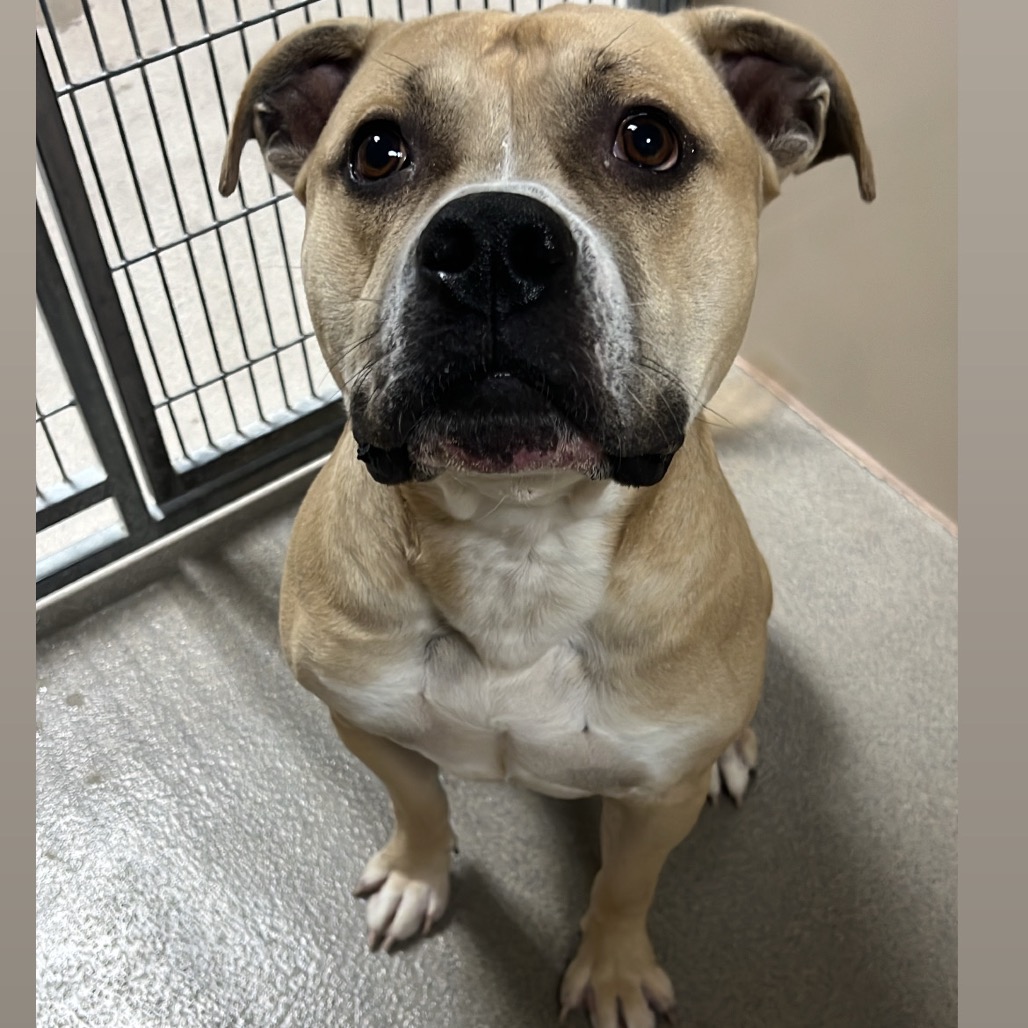
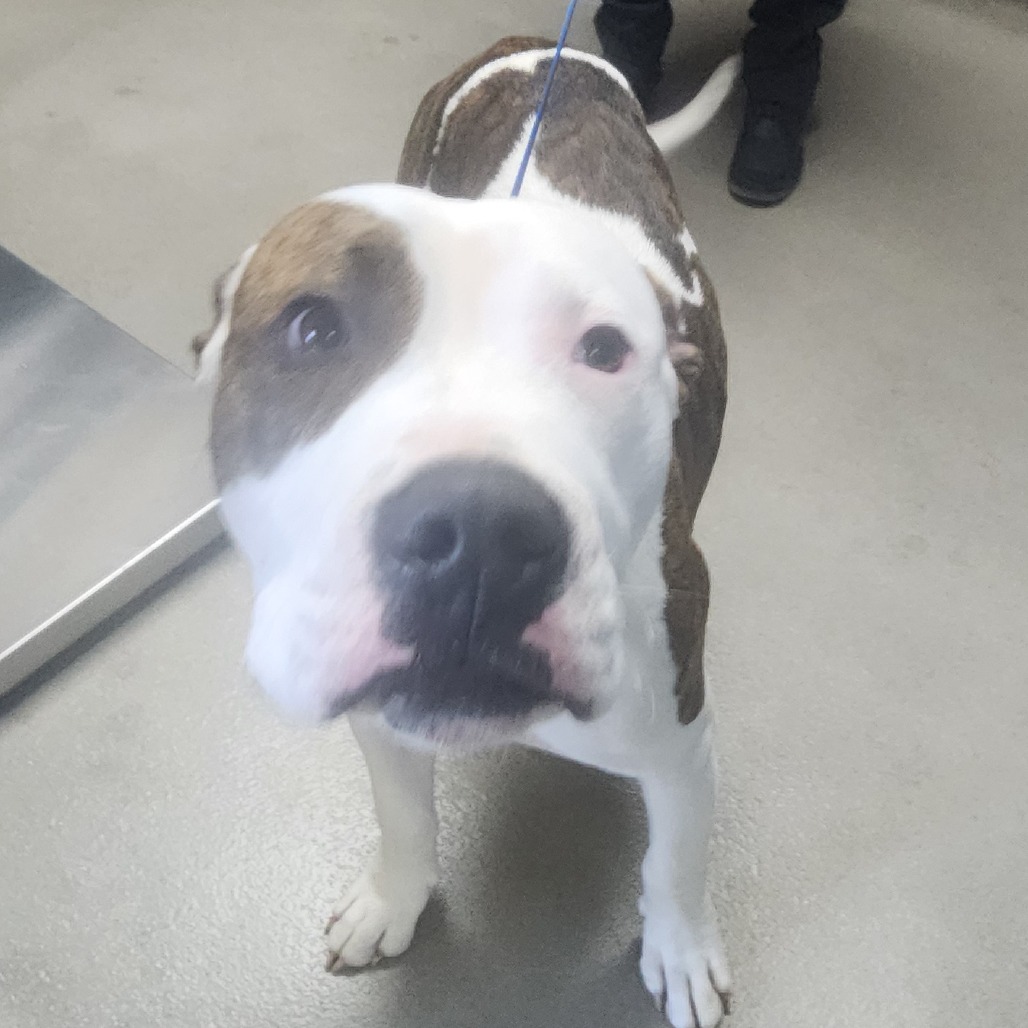
LAKE COUNTY, Calif. — Lake County Animal Care and Control is offering many dogs to new homes this week.

The dogs available for adoption this week include mixes of Belgian Malinois, Chihuahua, Doberman Pinscher, German shepherd, husky, Labrador Retriever, pit bull terrier, shepherd and Yorkshire terrier.

Dogs that are adopted from Lake County Animal Care and Control are either neutered or spayed, microchipped and, if old enough, given a rabies shot and county license before being released to their new owner. License fees do not apply to residents of the cities of Lakeport or Clearlake.

Those animals shown on this page at the Lake County Animal Care and Control shelter have been cleared for adoption.

Call Lake County Animal Care and Control at 707-263-0278 or visit the shelter online for information on visiting or adopting.

The shelter is located at 4949 Helbush in Lakeport.

Email Elizabeth Larson at This email address is being protected from spambots. You need JavaScript enabled to view it.. Follow her on Twitter, @ERLarson, and on Bluesky, @erlarson.bsky.social. Find Lake County News on the following platforms: Facebook, @LakeCoNews; X, @LakeCoNews; Threads, @lakeconews, and on Bluesky, @lakeconews.bsky.social.

Kennel#25a Charlie's preview photo

Kennel#25a Charlie

Kennel#25b Bear's preview photo
Kennel#25b Bear

Kennel#31a(Cleo)'s preview photo
Kennel#31a(Cleo)

Kennel#31b Baxter's preview photo
Kennel#31b Baxter

Kennel#30 Rosa's preview photo
Kennel#30 Rosa

Kennel#8(Brut)'s preview photo
Kennel#8(Brut)
 
Kennel#15a Mufasa's preview photo
Kennel#15a Mufasa

Kennel#15b Terrance's preview photo
Kennel#15b Terrance

Kennel#26 Theo's preview photo
Kennel#26 Theo

Kennel#9 Daisy's preview photo
Kennel#9 Daisy

Kennel#26 Ivy's preview photo
Kennel#26 Ivy

Kennel#32 Moose's preview photo
Kennel#32 Moose

Kennel#13 Roland's preview photo
Kennel#13 Roland

Kennel#10 's preview photo
Kennel#10

Kennel#28 Ruger's preview photo
Kennel#28 Ruger

Kennel#11a Sprinkles's preview photo
Kennel#11a Sprinkles

Kennel#11b Sparkles's preview photo
Kennel#11b Sparkles

Kennel#7 Tara's preview photo
Kennel#7 Tara

Kennel#6 Tommy's preview photo
Kennel#6 Tommy

 Kennel#22c 's preview photo
Kennel#22c

Kennel#34a Hunter's preview photo
Kennel#34a Hunter

Kennel#34b Bebe's preview photo
Kennel#34b Bebe

Kennel#3 Little Lady's preview photo
Kennel#3 Little Lady

Kennel#5(Willow)'s preview photo
Kennel#5(Willow)

Kennel#17 (Brutus)'s preview photo
Kennel#17 (Brutus)

Kennel#19c Celeste's preview photo
Kennel#19c Celeste

Kennel#33 Princess's preview photo
Kennel#33 Princess

Kennel#2(Bobby)'s preview photo
Kennel#2(Bobby)

Kennel#29's preview photo
Kennel#29


Details
Written by: Elizabeth Larson
Published: 04 January 2026

Get up to speed fast on the new California laws that might change your life in 2026

Small American flags are mounted on wooden desks inside a legislative chamber, viewed from behind as lawmakers sit facing forward. The shallow focus emphasizes the flags and carved desk details, while figures and additional flags blur into the background under warm indoor lighting.
The Assembly floor at the state Capitol on June 30, 2025. Photo by Miguel Gutierrez Jr., CalMatters

This story was originally published by CalMatters. Sign up for their newsletters.

Most of the hundreds of new California laws that are set to take effect on the first day of the new year won’t change your life. They’re adjustments to existing laws and directions to state agencies to follow up on past priorities.

But some of them might have a profound effect on you or a loved one. 

Know someone who’s struggling to conceive? One new law requires more insurers to cover in vitro fertilization. 

How about someone who’s thinking about what to do after high school? Another new law compels more California State University campuses to offer automatic admission to seniors who meet their requirements.

Some new California laws are meant to confront some of the major questions of the moment, including how to regulate artificial intelligence and whether the state’s Democratic leaders can contest the Trump administration’s aggressive immigration enforcement.

In all, lawmakers passed 917 bills in 2025 and Gov. Gavin Newsom vetoed 123 of them. Most of the ones he signed take effect on Jan. 1.

CalMatters reporters describe some of the noteworthy new laws in the stories listed below. We'll update this list as we publish more stories over the next few days.

This article was originally published on CalMatters and was republished under the Creative Commons Attribution-NonCommercial-NoDerivatives license.

Details
Written by: By CalMatters Staff, CalMatters
Published: 04 January 2026
  • 29
  • 30
  • 31
  • 32
  • 33
  • 34
  • 35
  • 36
  • 37
  • 38

Public Safety

  • Lakeport Police Department celebrates long-awaited new headquarters

  • Lakeport Police Department investigates flag vandalism cases

  • Lakeport Police Department thanks Kathy Fowler Chevrolet for donation

Community

  • Hidden Valley Lake Garden Club installs new officers

  • 'America's Top Teens' searching for talent

  • 'The Goodness of Sea Vegetables' featured topic of March 5 co-op talk

Community & Business

  • Annual 'Adelante Jovenes' event introduces students, parents to college opportunities

  • Gas prices are dropping just in time for the holiday travel season

  • Lake County Association of Realtors installs new board and presents awards

  • Local businesses support travel show

  • Preschool families harvest pumpkins

  • Preschool students earn their wings

How to resolve AdBlock issue?
Refresh this page