How to resolve AdBlock issue?
Refresh this page
How to resolve AdBlock issue?
Refresh this page
Lake County News,California
  • Home
    • Registration Form
  • News
    • Community
      • Obituaries
      • Letters
      • Commentary
    • Education
    • Veterans
    • Police Logs
    • Business
    • Recreation
    • Health
    • Religion
    • Legals
    • Arts & Life
    • Regional
  • Calendar
  • Contact us
    • FAQs
    • Phones, E-Mail
    • Subscribe
  • Advertise Here
  • Login

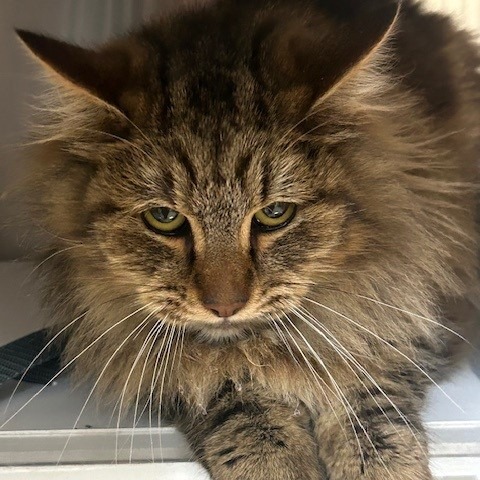
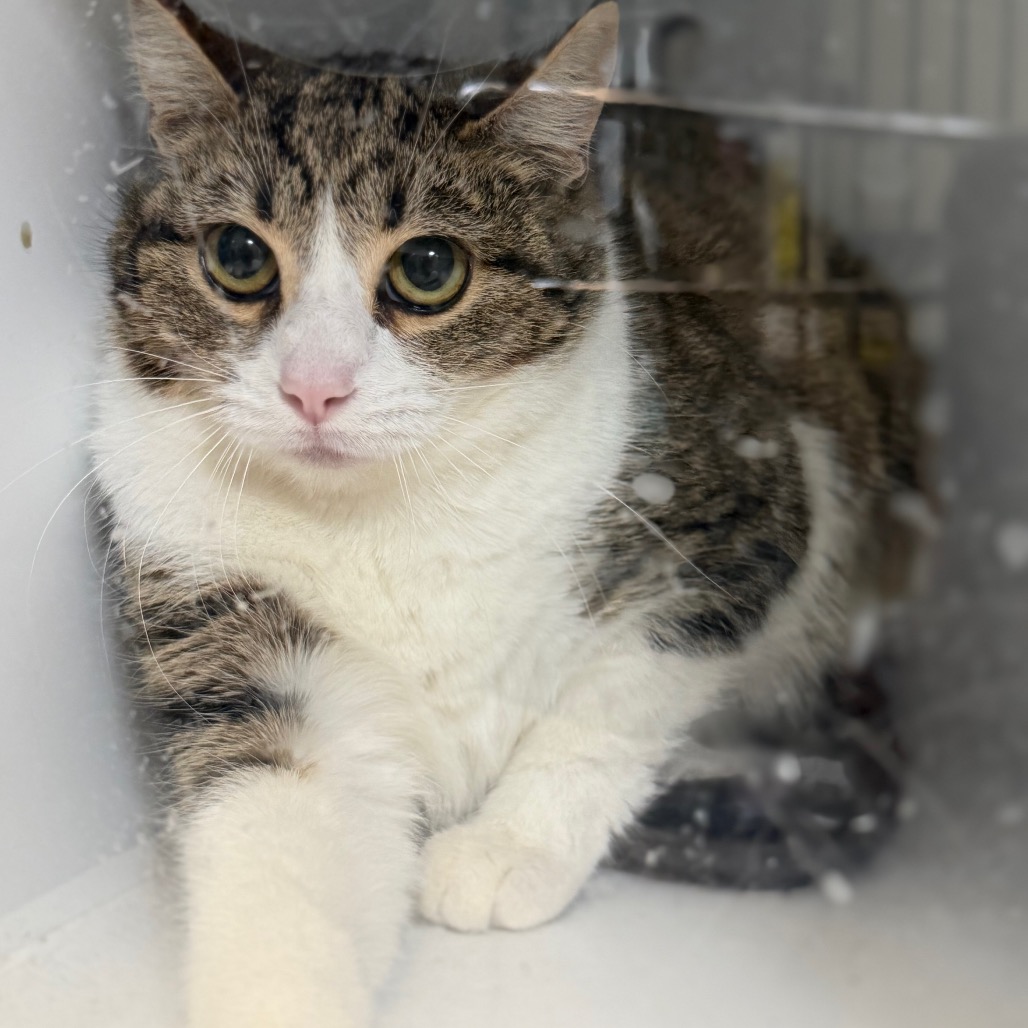
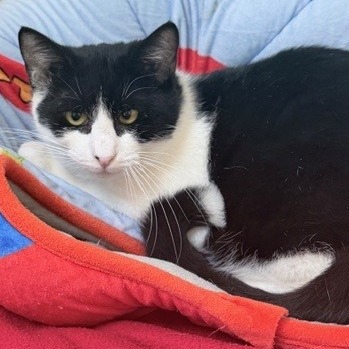
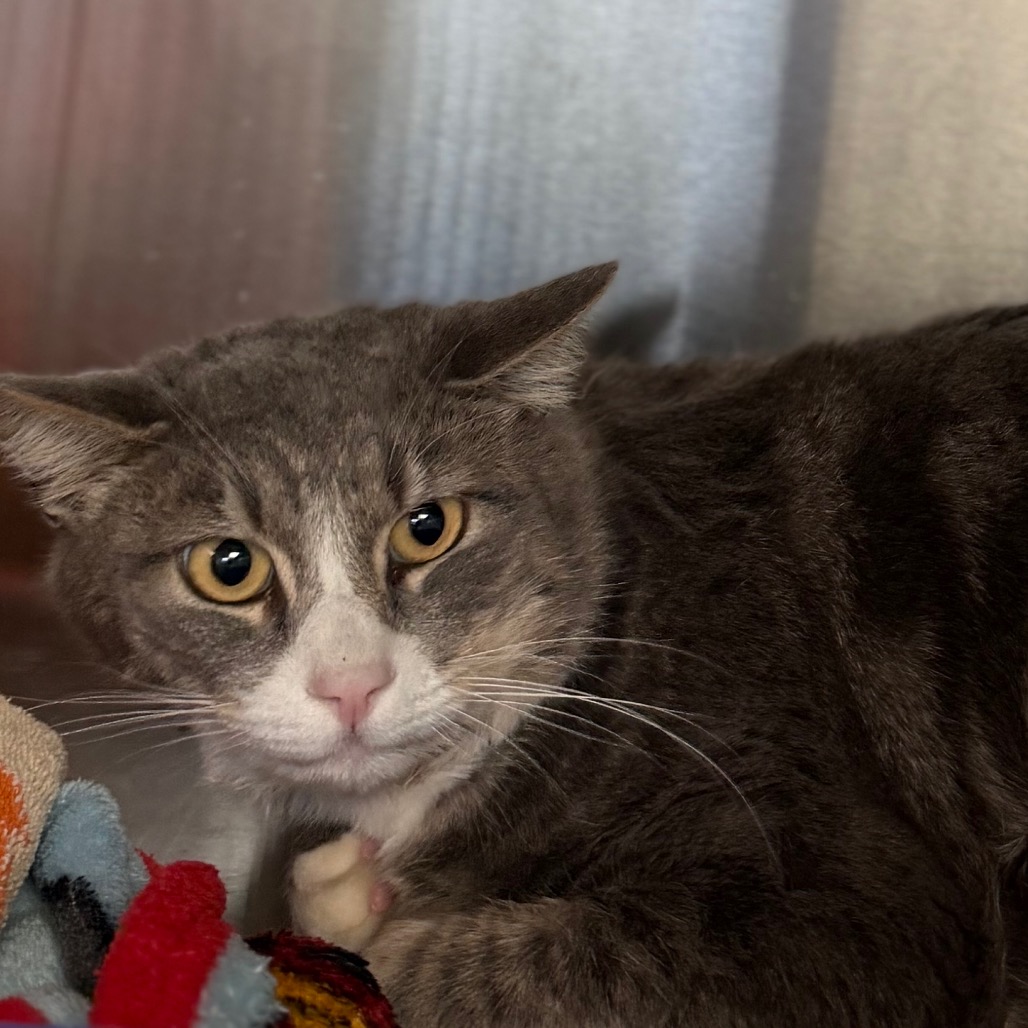
Purrfect Pals: This week’s cats

LAKE COUNTY, Calif. — Lake County Animal Care and Control has several adult cats waiting to be adopted by new families.

The kittens and cats at the shelter that are shown on this page have been cleared for adoption.

Call Lake County Animal Care and Control at 707-263-0278 or visit the shelter online for information on visiting or adopting.

The shelter is located at 4949 Helbush in Lakeport.

Email Elizabeth Larson at This email address is being protected from spambots. You need JavaScript enabled to view it.. Follow her on Twitter, @ERLarson, and on Bluesky, @erlarson.bsky.social. Find Lake County News on the following platforms: Facebook, @LakeCoNews; X, @LakeCoNews; Threads, @lakeconews, and on Bluesky, @lakeconews.bsky.social. 

C#26's preview photo
C#26

C#20's preview photo
C#20

A#68 Lucy's preview photo
A#68 Lucy

C#117's preview photo
C#117
 
C#21's preview photo
C#21


Details
Written by: Elizabeth Larson
Published: 27 January 2026

How the polar vortex and warm ocean intensified a major US winter storm

Boston and much of the U.S. faced a cold winter blast in January 2026. Craig F. Walker/The Boston Globe via Getty Images

A severe winter storm that brought crippling freezing rain, sleet and snow to a large part of the U.S. in late January 2026 left a mess in states from New Mexico to New England. Hundreds of thousands of people lost power across the South as ice pulled down tree branches and power lines, more than a foot of snow fell in parts of the Midwest and Northeast, and many states faced bitter cold that was expected to linger for days.

The sudden blast may have come as a shock to many Americans after a mostly mild start to winter, but that warmth may have partly contributed to the ferocity of the storm.

As atmospheric and climate scientists, we conduct research that aims to improve understanding of extreme weather, including what makes it more or less likely to occur and how climate change might or might not play a role.

To understand what Americans are experiencing with this winter blast, we need to look more than 20 miles above the surface of Earth, to the stratospheric polar vortex.

A globe showing the polar vortex and jet stream overlapping over the area where the storm hit.
On the morning of Jan. 26, 2026, the freezing line, shown in white, reached far into Texas. The light band with arrows indicates the jet stream, and the dark band indicates the stratospheric polar vortex. The jet stream is shown at about 3.5 miles above the surface, a typical height for tracking storm systems. The polar vortex is approximately 20 miles above the surface. Mathew Barlow, CC BY

What creates a severe winter storm like this?

Multiple weather factors have to come together to produce such a large and severe storm.

Winter storms typically develop where there are sharp temperature contrasts near the surface and a southward dip in the jet stream, the narrow band of fast-moving air that steers weather systems. If there is a substantial source of moisture, the storms can produce heavy rain or snow.

In late January, a strong Arctic air mass from the north was creating the temperature contrast with warmer air from the south. Multiple disturbances within the jet stream were acting together to create favorable conditions for precipitation, and the storm system was able to pull moisture from the very warm Gulf of Mexico.
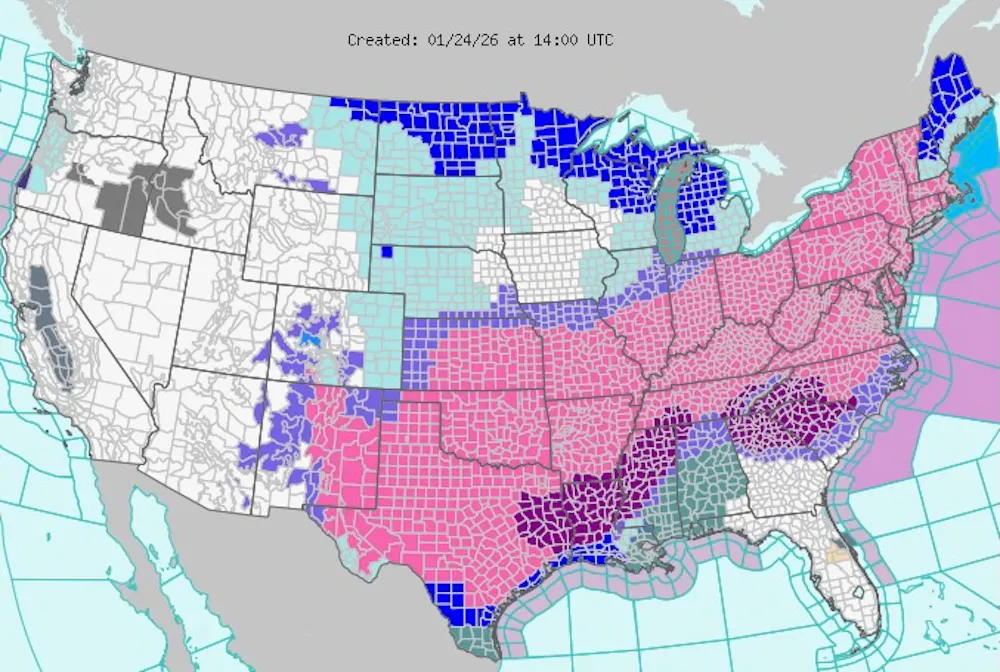
A map of storm warnings on Jan. 24, 2026.
The National Weather Service issued severe storm warnings (pink) on Jan. 24, 2026, for a large swath of the U.S. that could see sleet and heavy snow over the following days, along with ice storm warnings (dark purple) in several states and extreme cold warnings (dark blue). National Weather Service

Where does the polar vortex come in?

The fastest winds of the jet stream occur just below the top of the troposphere, which is the lowest level of the atmosphere and ends about seven miles above Earth’s surface. Weather systems are capped at the top of the troposphere, because the atmosphere above it becomes very stable.

The stratosphere is the next layer up, from about seven miles to about 30 miles. While the stratosphere extends high above weather systems, it can still interact with them through atmospheric waves that move up and down in the atmosphere. These waves are similar to the waves in the jet stream that cause it to dip southward, but they move vertically instead of horizontally.
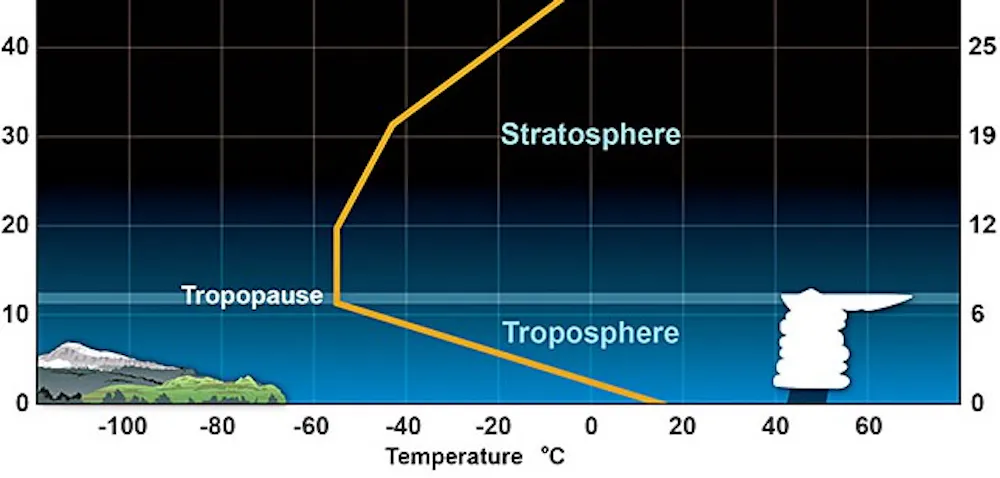
A chart shows how temperatures in the lower layers of the atmosphere change between the troposphere and stratosphere. Miles are on the right, kilometers on the left. NOAA

You’ve probably heard the term “polar vortex” used when an area of cold Arctic air moves far enough southward to influence the United States. That term describes air circulating around the pole, but it can refer to two different circulations, one in the troposphere and one in the stratosphere.

The Northern Hemisphere stratospheric polar vortex is a belt of fast-moving air circulating around the North Pole. It is like a second jet stream, high above the one you may be familiar with from weather graphics, and usually less wavy and closer to the pole.

Sometimes the stratospheric polar vortex can stretch southward over the United States. When that happens, it creates ideal conditions for the up-and-down movement of waves that connect the stratosphere with severe winter weather at the surface.
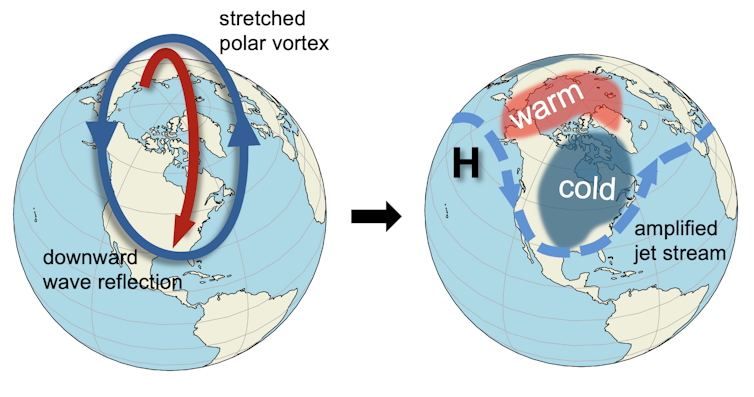
A stretched stratospheric polar vortex reflects upward waves back down, left, which affects the jet stream and surface weather, right. Mathew Barlow and Judah Cohen, CC BY

The forecast for the January storm showed a close overlap between the southward stretch of the stratospheric polar vortex and the jet stream over the U.S., indicating perfect conditions for cold and snow.

The biggest swings in the jet stream are associated with the most energy. Under the right conditions, that energy can bounce off the polar vortex back down into the troposphere, exaggerating the north-south swings of the jet stream across North America and making severe winter weather more likely.

This is what was happening in late January 2026 in the central and eastern U.S.

If the climate is warming, why are we still getting severe winter storms?

Earth is unequivocally warming as human activities release greenhouse gas emissions that trap heat in the atmosphere, and snow amounts are decreasing overall. But that does not mean severe winter weather will never happen again.

Some research suggests that even in a warming environment, cold events, while occurring less frequently, may still remain relatively severe in some locations.

One factor may be increasing disruptions to the stratospheric polar vortex, which appear to be linked to the rapid warming of the Arctic with climate change.
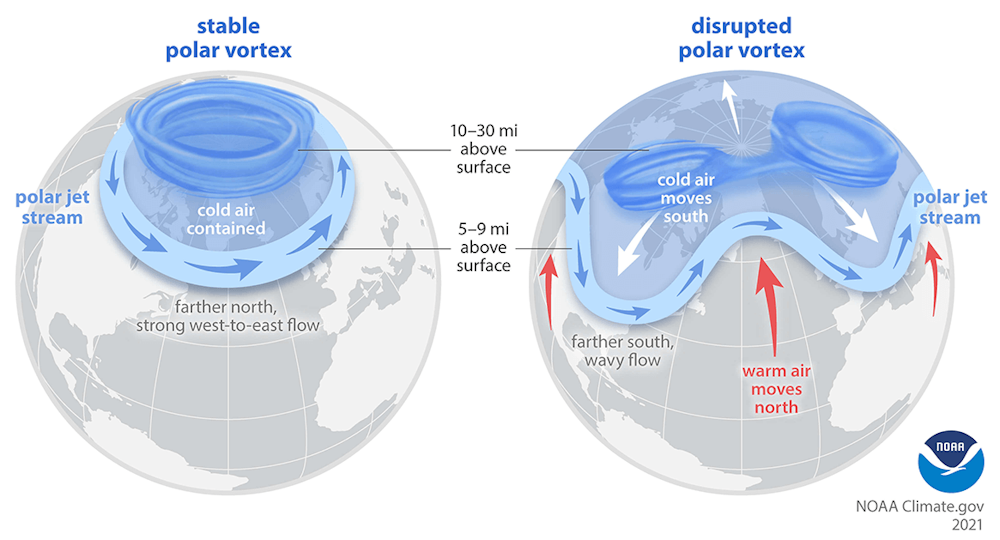
Two globes, one showing a stable polar vortex and the other a disrupted version that brings brutal cold to the South.
The polar vortex is a strong band of winds in the stratosphere, normally ringing the North Pole. When it weakens, it can split. The polar jet stream can mirror this upheaval, becoming weaker or wavy. At the surface, cold air is pushed southward in some locations. NOAA

Additionally, a warmer ocean leads to more evaporation, and because a warmer atmosphere can hold more moisture, that means more moisture is available for storms. The process of moisture condensing into rain or snow produces energy for storms as well. However, warming can also reduce the strength of storms by reducing temperature contrasts.

The opposing effects make it complicated to assess the potential change to average storm strength. However, intense events do not necessarily change in the same way as average events. On balance, it appears that the most intense winter storms may be becoming more intense.

A warmer environment also increases the likelihood that precipitation that would have fallen as snow in previous winters may now be more likely to fall as sleet and freezing rain.

There are still many questions

Scientists are constantly improving the ability to predict and respond to these severe weather events, but there are many questions still to answer.

Much of the data and research in the field relies on a foundation of work by federal employees, including government labs like the National Center for Atmospheric Research, known as NCAR, which has been targeted by the Trump administration for funding cuts. These scientists help develop the crucial models, measuring instruments and data that scientists and forecasters everywhere depend on.

This article, originally published Jan. 24, 2026, has been updated with details from the weekend storm.The Conversation

Mathew Barlow, Professor of Climate Science, UMass Lowell and Judah Cohen, Climate scientist, Massachusetts Institute of Technology (MIT)

This article is republished from The Conversation under a Creative Commons license. Read the original article.
Details
Written by: Mathew Barlow, UMass Lowell and Judah Cohen, Massachusetts Institute of Technology (MIT)
Published: 27 January 2026

Special Olympics prepares for annual Polar Plunge

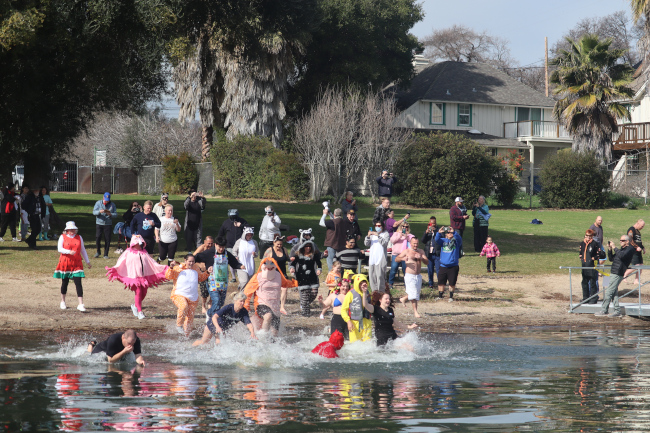
The 2025 Lake County Special Olympics Polar Plunge. Courtesy photo.


LAKE COUNTY, Calif. — Lake County Special Olympics is inviting community members to come take a jump in the lake with them for a good cause.

Lake County Special Olympics will hold its 15th annual Polar Plunge on Saturday, Feb. 28, at the Buckingham Homeowners Association Clubhouse and beach in Kelseyville.

This is the sole fundraiser for the county’s Special Olympics program and has been supporting the program for the past 15 years. 

Every dollar raised supports the more than 40 Lake County athletes in training and competition opportunities year round in five current sport offerings.

“We appreciate the tremendous support we have received throughout the years and we hope to make the 2026 Polar Plunge another successful and fun event,” organizers said.

Come join the fun by signing up to plunge or by sponsoring one of our plungers.

“We would love to see you there!” the Lake County Special Olympics team said.

Detailed information is available at https://p2p.onecause.com/lake-polar-plunge.

Details
Written by: Lake County News Reports
Published: 26 January 2026

More well testing, tank installation planned this week in Clearlake sewage spill area

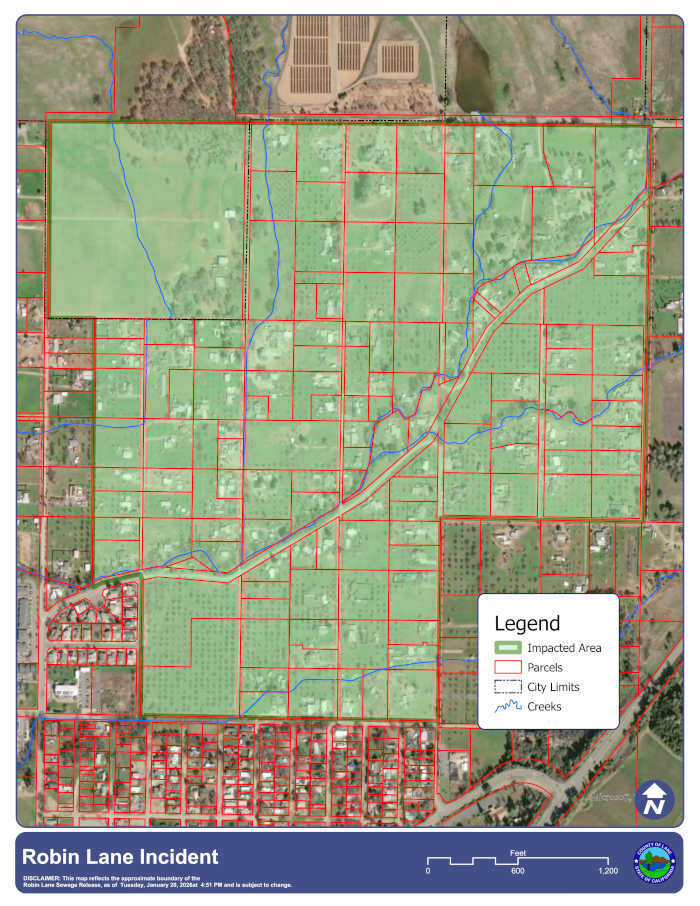
The map of the Robin Lane Sewer Spill incident has remained the same since Tuesday, Jan. 20, 2026, although officials say it is subject to change. Image courtesy of the county of Lake.


LAKE COUNTY, Calif. – County officials said more work to ensure there is a safe water supply for residents impacted by a sewer spill in Clearlake earlier this month is taking place and will continue this week.

The Robin Lane sewage spill incident began on Sunday, Jan. 11, when a 16-inch force main near the northern end of Robin Lane in Clearlake – operated by the Lake County Sanitation District – ruptured

Nearly three million gallons of raw sewage across roads and private properties, contaminating dozens of wells, forcing some residents of the spill area to temporarily relocate and triggering a long-term cleanup effort in a roughly 297-area impact area.

For the last 10 days, the guidance from Public Health Officer Dr. Bob Bernstein has remained unchanged: Those in the spill area who rely on private wells for drinking water are urged to temporarily relocate until their wells are deemed safe after testing.

Bernstein has urged residents to seek immediate medical attention if they develop symptoms including diarrhea, vomiting, stomach cramps; fever or flu-like symptoms; skin rashes or infections; and eye, ear or wound infections. 

Lake County Environmental Health, which is overseeing aspects of the cleanup including well testing and long-term monitoring, said its contractors continued health and safety operations in the field on Sunday.

“Field crews are currently sanitizing private wells, including those that have not yet received treatment as well as wells that were previously sanitized but continue to show detectable contamination levels,” the county said in a Sunday evening update.

Environmental Health anticipates initiating a second round of water sampling as early as Monday to verify results and monitor continued improvements in water quality.

The Sunday update’s information on Special Districts remained largely unchanged from Saturday’s.

Special Districts is continuing soil cleanup and removal, as well as water deliveries for livestock in the spill impact area.

Water deliveries for livestock are continuing through the weekend and into the coming week to ensure animals have access to safe drinking water, officials said.

The county also said that water tank installations through the Home Safe program, administered by Social Services, are underway to help residents who need an alternative water supply. 

“Additional tank installations are expected to begin on Tuesday, with placement prioritized based on private well testing results,” the county said.

The county said road work on Robin Lane is scheduled to begin Monday. 

As part of that road work, Lake County Public Works crews will grade the roadway, remove impacted soil, and apply approximately three inches of base rock to improve road conditions and maintain safe access for residents and response vehicles.

The county will hold its third town hall meeting on the spill and its remediation efforts at 6 p.m. Wednesday, Jan. 28, at Clearlake City Hall, 14050 Olympic Drive.

Available resources

County officials direct spill area residents to the following resources.

ADA showers: Available 8 a.m. to 5 p.m. Tuesday and Friday at the Clearlake Senior Center, 3245 Bowers Ave.

Avoiding scams after a disaster: Visit this link, https://bit.ly/4jP8A1Z. 

Drinking water: Highlands Water Co. offers a free public water filling station from 8 a.m. to 4 p.m. Monday through Friday at 14580 Lakeshore Drive. Please bring your own jugs or bottles.

Drinking water guidance and information on testing of private wells: Contact Environmental Health at 707-263-1164.

Food assistance: For vouchers and assistance, call Supervisor Bruno Sabatier at 707-695-0834.

Relocation: Affected residents are directed to first contact their homeowner’s insurance provider to inquire about coverage for temporary lodging under their policy. Residents may also contact Lake County Special Districts at 707-263-0119 for additional assistance and guidance.

Support to mitigate water and sewer-related needs: Call Special Districts at 707-263-0119.

Temporary housing: Call Social Services at 707-995-4200, Monday through Friday from 8 a.m. to 5 p.m. to request temporary housing. Assistance is available for any household that needs it. Help is no longer limited to elderly/disabled or low-income families. Households that are ineligible for Social Services temporary housing programs will be referred to Church World Service. Church World Service eligibility requirements are: Residents must be impacted by recent sewage flooding; applicants must be vetted through an agency representative (the agency knows the client lives at the address impacted); a confirmed damage assessment is required; clients must have or create an Airbnb account and be able to use the Airbnb app on their phone; clients must have an email address, and the address must be the same address they used to create the Airbnb account.

Water delivery for elderly/disabled: Call Social Services at 707-995-4200, Monday through Friday from 8 a.m. to 5 p.m. to request delivery for households physically unable to refill their own water containers.

Well sanitization services: To schedule well sanitization services or for more information, please contact Environmental Health at 707-263-1164. Environmental Health staff are available to review your location, confirm whether your property falls within the mapped area and provide guidance on appropriate next steps.

Email Elizabeth Larson at This email address is being protected from spambots. You need JavaScript enabled to view it.. Follow her on Twitter, @ERLarson, and on Bluesky, @erlarson.bsky.social. Find Lake County News on the following platforms: Facebook, @LakeCoNews; X, @LakeCoNews; Threads, @lakeconews, and on Bluesky, @lakeconews.bsky.social. 

Details
Written by: Elizabeth Larson
Published: 26 January 2026
  • 6
  • 7
  • 8
  • 9
  • 10
  • 11
  • 12
  • 13
  • 14
  • 15

Public Safety

  • Lakeport Police Department celebrates long-awaited new headquarters

  • Lakeport Police Department investigates flag vandalism cases

  • Lakeport Police Department thanks Kathy Fowler Chevrolet for donation

Community

  • Hidden Valley Lake Garden Club installs new officers

  • 'America's Top Teens' searching for talent

  • 'The Goodness of Sea Vegetables' featured topic of March 5 co-op talk

Community & Business

  • Annual 'Adelante Jovenes' event introduces students, parents to college opportunities

  • Gas prices are dropping just in time for the holiday travel season

  • Lake County Association of Realtors installs new board and presents awards

  • Local businesses support travel show

  • Preschool families harvest pumpkins

  • Preschool students earn their wings

How to resolve AdBlock issue?
Refresh this page