Space News: What’s up for September 2025
What’s up for September? Saturn puts on a spectacular show, a sunrise conjunction shines bright, and we ring in the autumnal equinox.
Saturn will be putting on an out-of-this-world performance this month.
While Venus and Jupiter shine in the eastern morning sky, the ringed planet will be incredibly bright in the sky throughout September in the eastern evening sky and western early morning sky.
But why is Saturn the star of the show? Well, on Sept. 21, Saturn will be at opposition, meaning Earth will find itself in between Saturn and the Sun, temporarily lined up.
This also means that Saturn is at its closest and brightest all year!
Saturn will be visible with just your eyes in the night sky, but with a small telescope, you might be able to see its rings!
Conjunction trio
If you look to the east just before sunrise on September 19, you'll see a trio of celestial objects in a magnificent conjunction.
In the early pre-dawn hours, look east toward the waning, crescent Moon setting in the sky and you'll notice something peculiar.
The Moon will be nestled up right next to both Venus and Regulus, one of the brightest stars in the night sky.
The three are part of a conjunction, which simply means that they look close together in the sky (even if they’re actually far apart in space).
To find this conjunction, just look to the Moon.
And if you want some additional astronomical context, or want to specifically locate Regulus, this star lies within the constellation Leo, the lion.
The autumnal equinox
On Sept. 22, we mark the autumnal equinox or the official start of fall in the northern hemisphere.
Astronomically, this is the time when the Sun finds itself exactly above the equator.
On this day, our planet isn't tilted toward or away from the Sun, and both day and night are almost exactly 12 hours (with a few small exceptions).
You can stay up to date on all of NASA's missions exploring the solar system and beyond at science.nasa.gov.
Chelsea Gohd works for NASA's Jet Propulsion Laboratory.
- Details
- Written by: Chelsea Gohd
CDFW and partners celebrate California Biodiversity Day with more than 200 events statewide
California Biodiversity Day is a time to celebrate our state’s remarkable nature while encouraging actions to protect and steward it for future generations.
Originally designated on Sept. 7, 2018, this annual event has expanded into a weeklong celebration, with this year’s events taking place Sept. 6-14 throughout the state.
“The California Department of Fish and Wildlife (CDFW) is excited to continue leading the collaborative effort to plan for California Biodiversity Day, shining a spotlight on the incredible natural diversity found across our state,” said CDFW Director Charlton H. Bonham. “The varied landscape of California is home to about one third of all species found in the United States, more than any other state in the country. I encourage Californians to check out one of the many events planned next week to discover our state’s bountiful nature and learn ways that they can help conserve it.”
"The California Academy of Sciences is thrilled to celebrate California Biodiversity Day for the seventh consecutive year," says Academy Director of Community Science Rebecca Johnson, PhD. "This year, we’re especially excited to launch the California Biodiversity Data Exchange, developed in partnership with iNaturalist and CDFW. Through this initiative, the Academy will provide the state with critical iNaturalist data to inform and strengthen conservation decision-making throughout California. Every observation shared on iNaturalist—during California Biodiversity Day events and beyond—directly supports our efforts to protect the species and places that make our state extraordinary.”
California is one of 36 global biodiversity hotspots – areas with exceptional concentrations of plant and animal species found nowhere else on the planet. At the same time, many California species are at risk of extinction due to threats from habitat loss and climate change.
“California’s state parks are living classrooms and vital sanctuaries for the plants and animals that make our state one of the most biodiverse places on the planet,” said California State Parks Director Armando Quintero. “California Biodiversity Day is not only a chance to celebrate that richness, but also to inspire the next generation of stewards to protect it. I invite all Californians to join one of the many events statewide and be part of the effort to protect our natural resources for generations to come.”
During the week of Sept. 6 to 14, the California Department of Fish and Wildlife, California State Parks, the California Academy of Sciences and numerous other partner organizations will be hosting more than 200 events statewide to celebrate California Biodiversity Day. From webinars to restoration projects to bioblitzes, there are a variety of virtual and in-person events being offered.
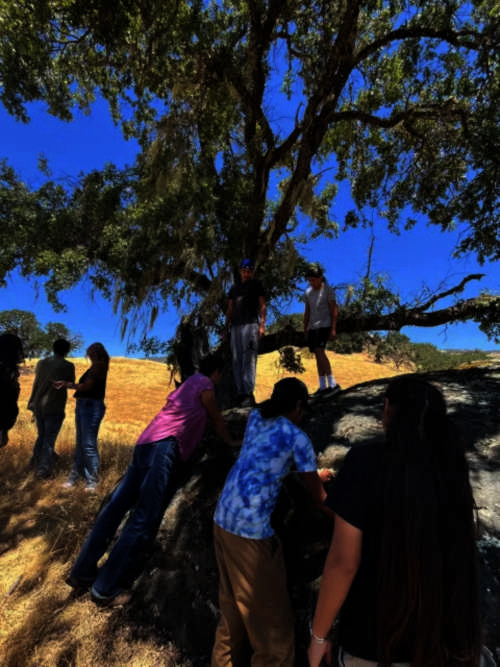
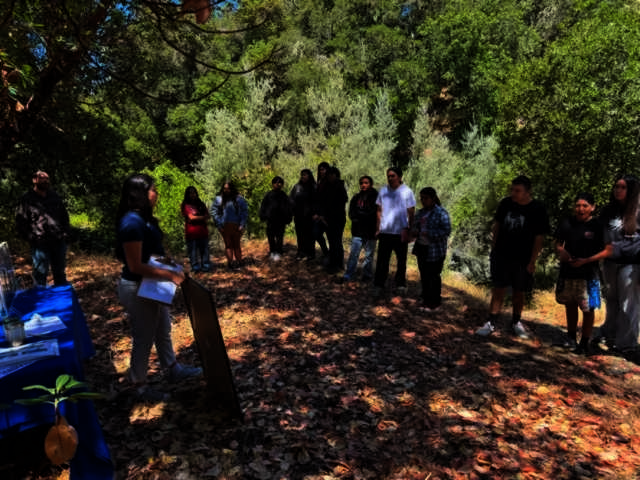
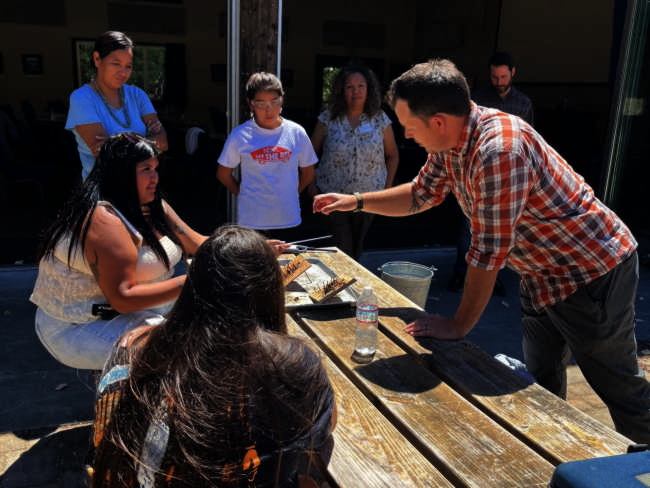
The events include the Berryessa Snow Mountain National Monument Bioblitz. Participate in a Community Science effort by taking photographs of plants and animals in the monument, much of which is located in Lake County, and uploading them to iNaturalist. By adding your observations, you will help the Bureau of Land Management, US Forest Service, and Tuleyome document the flora and fauna of this amazing area.
This is a self-guided event. To participate, download the iNaturalist app create an account, and then head out to the Monument and start uploading your observations! Please be aware that the Monument can get very hot and cell service is spotty or non-existent in many locations!
Contact Nate (
The California Biodiversity Day website also has a map showing the location of all events, which include:
Mysteries of the Octopus PORTScast Virtual Event, Sept. 10, 9-9:45 a.m., Crystal Cove State Park PORTScast on Zoom. Celebrate California Biodiversity Day with an engaging virtual field trip to Crystal Cove State Park’s Marine Protected Area and discover the fascinating Mysteries of the Octopus! This program is designed for students grades 3-5. Spend part of the morning learning about the adaptations and life cycle of this curious marine invertebrate with a backdrop of the crashing waves in the park. Visit the registration page to sign up.
Another easy way to participate in California Biodiversity Day is to join the Find 30 Species for California Biodiversity Day 2025 project on the iNaturalist app. Find and document 30 wild species any time Sept. 6-14 from anywhere in California and submit your observations through the app. You can also check out the California Biodiversity Day bioblitz tracker, which shows all the communities participating in nature discovery events throughout the week and the species they observe. Tag your own nature adventures and follow along on social media at #CABiodiversityDay.
- Details
- Written by: LAKE COUNTY NEWS REPORTS
California joins forces with Northwest Wildland Fire Fighting Compact
California has officially joined the Northwest Wildland Fire Fighting Compact, becoming the newest member in a network of U.S. states, Canadian provinces and territories committed to collaborating to prevent and suppress wildfires.
The partnership comes as the Governor’s Office said the Trump administration makes dangerous cuts to the U.S. Forest Service, which threatens the safety of communities across the state and country.
The Northwest Wildland Fire Fighting Compact, or NW Compact, established in 1998, allows members to share firefighting resources, technology, and expertise when wildfires exceed the capacity of a single jurisdiction.
Existing members include Alberta, Yukon Territory, Saskatchewan, Northwest Territories, British Columbia, Alaska, Arizona, Idaho, Washington, Oregon, Montana and Hawaii.
“While the Trump administration retreats from firefighting, California is proud to join forces with our northwestern neighbors to fight catastrophic wildfire. We’re all on the front lines of this worsening wildfire threat — and by joining our collective resources together, we will be even more effective in protecting our communities,” said Gov. Gavin Newsom.
California’s landscapes face increasing wildfire threats due to climate change. In recent years, hotter temperatures, shifting rainfall patterns, and more frequent extreme wind events have intensified fire risk.
Joining the NW Compact gives California additional access to firefighting resources and expertise during major wildfire incidents. It also allows California’s firefighters to gain experience assisting with fire suppression efforts in other member regions, experience that strengthens readiness at home.
Nevada also joins the NW Compact alongside California in 2025, bringing the total member states and provinces to thirteen.
“Wildfire is no longer a problem that stops at our borders and state lines,” said Joe Tyler, director and fire chief of Cal Fire. “By joining the NW Compact, we’re building stronger connections, sharing knowledge, and ensuring that when fires threaten, we can respond faster and more effectively.”
Nevada has experienced a dramatic increase in average annual acres burned from wildfires in the most recent 20 years. The acres burned have doubled to 450,000 acres per year, on average, largely attributed to invasive annual grasses, increased wildfire fuel loads, and the prevalence of human-caused ignitions. This year, the Cottonwood Peak Fire burned over 132,000 acres alone.
Nevada is joining the Northwest and Great Plains Compacts to bolster wildfire response resources in- and out-of-state in the most critical times of need. These compacts streamline the resource ordering and response to reduce response times and increase resources from a broader set of partners across the Nation.
”Safe and effective wildfire response is built on a foundation of partnerships between local, state and federal entities, alongside the support of private contractors. With the ever-increasing wildfire occurrence across the United States, especially in the West, these partnerships become even more essential,” stated Nevada Governor Joe Lombardo. “Partnerships are the Nevada way and these compacts offer additional tools for greater protection of citizens, visitors, properties and landscapes across this great state."
Both states have a long history with several compact members already through separate mutual aid agreements, making this a great opportunity for them to build on old relationships and create new ones as well.
The two states’ decision to join the NW compact was due to the need for additional firefighting resources among agency members. The compact enables the exchange of resources with other compact members to improve wildfire response capacity in California and Nevada. It will allow wildland firefighters from these states to gain experience by assisting with wildland firefighting efforts on the North American continent while also allowing the state to call on assistance from other members in the compact, thereby benefiting all compact members.
Additional information about the Northwest Wildland Fire Fighting Compact can be found here.
California’s unprecedented wildfire readiness
As part of the state’s ongoing investment in wildfire resilience and emergency response, Cal Fire has significantly expanded its workforce over the past five years by adding an average of 1,800 full-time and 600 seasonal positions annually — nearly double that of the previous administration.
Over the next four years and beyond, Cal Fire will be hiring thousands of additional firefighters, natural resource professionals, and support personnel to meet the state’s growing demands.
In recent months, the governor has announced millions of dollars in investments to protect communities from wildfire — with $135 million available for new and ongoing prevention projects and $72 million going out the door to projects across the state. This is part of over $5 billion the Newsom administration, in collaboration with the legislature, has invested in wildfire and forest resilience since 2019.
Additionally, 90 new vegetation management projects spanning over 21,000 acres have already been fast-tracked to approval under the streamlined process provided by the Governor’s March 2025 state of emergency proclamation.
This builds on consecutive years of intensive and focused work by California to confront the severe ongoing risk of catastrophic wildfires. New, bold moves to streamline state-level regulatory processes builds long-term efforts already underway in California to increase wildfire response and forest management in the face of a hotter, drier climate.
Newsom’s office said the state’s efforts are in stark contrast to the Trump administration’s dangerous cuts to the U.S. Forest Service, which also threatens the safety of communities across the state.
The U.S. Forest Service has lost 10% of all positions and 25% of positions outside of direct wildfire response — both of which are likely to impact wildfire response this year.
In recent weeks, the Trump administration proposed a massive reorganization that would shutter the Pacific Regional Forest Service office and other regional Forest Service offices across the West, compounding staff cuts and voluntary resignations across the agency.
To learn more about preparedness, visit ReadyforWildfire.org.
- Details
- Written by: LAKE COUNTY NEWS REPORTS
Rising temperatures increase fire activity across Pacific Northwest
Warmer weather and thunderstorm activity has elevated fire behavior across the Pacific Northwest.
As sustained high temperatures dry out fuels, hold over fires — fires that can go undetected for days after lightning strikes — are becoming more active, Forest Service officials reported. This increase in activity has led to a rise in initial attack efforts.
Firefighting efforts have successfully contained many wildfires before they could grow significantly. However, officials said current conditions have contributed to the emergence of several new large fires across the region.
Fire managers continue to assess resource needs to ensure adequate response for initial attack, while also reallocating personnel and equipment to priority incidents as necessary, the Forest Service reported.
Cooler temperatures and an increased chance of rainfall are forecast for the region over the weekend and following into the next week. This shift in weather is expected to help moderate fire potential. Despite these changes, forest officials said dry fuel conditions will persist until the Pacific Northwest receives sustained cooling and widespread rainfall.
Everyone has a role to play in preventing wildfires. Avoid driving, idling, or parking on dry vegetation. If you’re planning to have a campfire on National Forest lands, be sure to check current fire restrictions. If campfires are allowed, always keep them attended and fully extinguish them before leaving.
For more information please visit https://www.fs.usda.gov/r06/fire.
- Details
- Written by: LAKE COUNTY NEWS REPORTS
Space News: Upcoming launch to boost NASA’s study of Sun’s influence across space
Soon, there will be three new ways to study the Sun’s influence across the solar system with the launch of a trio of NASA and National Oceanic and Atmospheric Administration, or NOAA, spacecraft.
Expected to launch no earlier than Tuesday, Sept. 23, the missions include NASA’s Interstellar Mapping and Acceleration Probe, or IMAP, NASA’s Carruthers Geocorona Observatory, and NOAA’s Space Weather Follow On-Lagrange 1, or SWFO-L1, spacecraft.
The three missions will launch together aboard a SpaceX Falcon 9 rocket from NASA’s Kennedy Space Center in Florida. From there, the spacecraft will travel together to their destination at the first Earth-Sun Lagrange point, around one million miles from Earth toward the Sun.
The missions will each focus on different effects of the solar wind — the continuous stream of particles emitted by the Sun — and space weather — the changing conditions in space driven by the Sun — from their origins at the Sun to their farthest reaches billions of miles away at the edge of our solar system.
Research and observations from the missions will help us better understand the Sun’s influence on Earth’s habitability, map our home in space, and protect satellites and voyaging astronauts and airline crews from space weather impacts.
The IMAP and Carruthers missions add to NASA’s heliophysics fleet of spacecraft. Together, NASA’s heliophysics missions study a vast, interconnected system from the Sun to the space surrounding Earth and other planets to the farthest limits of the Sun’s constantly flowing streams of solar wind.
The SWFO-L1 mission, funded and operated by NOAA, will be the agency’s first satellite designed specifically for and fully dedicated to continuous, operational space weather observations.
Mapping our home in space: IMAP
As a modern-day celestial cartographer, IMAP will investigate two of the most important overarching issues in heliophysics: the interaction of the solar wind at its boundary with interstellar space and the energization of charged particles from the Sun.
The IMAP mission will principally study the boundary of our heliosphere — a huge bubble created by the solar wind that encapsulates our solar system — and study how the heliosphere interacts with the local galactic neighborhood beyond. The heliosphere protects the solar system from dangerous high-energy particles called galactic cosmic rays. Mapping the heliosphere’s boundaries helps scientists understand our home in space and how it came to be habitable.
“IMAP will revolutionize our understanding of the outer heliosphere,” said David McComas, IMAP mission principal investigator at Princeton University in New Jersey. “It will give us a very fine picture of what's going on out there by making measurements that are 30 times more sensitive and at higher resolution than ever before.”
The IMAP mission will also explore and chart the vast range of particles in interplanetary space. The spacecraft will provide near real-time observations of the solar wind and energetic particles, which can produce hazardous conditions not only in the space environment near Earth, but also on the ground. The mission’s data will help model and improve prediction capabilities of the impacts of space weather ranging from power-line disruptions to loss of satellites.
Imaging Earth’s exosphere: Carruthers Geocorona Observatory
The Carruthers Geocorona Observatory, a small satellite, will launch with IMAP as a rideshare. The mission was named after Dr. George Carruthers, creator of the Moon-based telescope that captured the first images of Earth’s exosphere, the outermost layer of our planet’s atmosphere.
The Carruthers mission will build upon Dr. Carruthers’ legacy by charting changes in Earth’s exosphere. The mission’s vantage point at L1 offers a complete view of the exosphere not visible from the Moon’s relatively close distance to Earth.
From there, it will address fundamental questions about the nature of the region, such as its shape, size, density, and how it changes over time.
The exosphere plays an important role in Earth’s response to space weather, which can impact our technology, from satellites in orbit to communications signals in the upper atmosphere or power lines on the ground.
During space weather storms, the exosphere mediates the energy absorption and release throughout the near-Earth space environment, influencing strength of space weather disturbances. Carruthers will help us better understand the fundamental physics of our exosphere and improve our ability to predict the impacts of the Sun’s activity.
“We’ll be able to create movies of how this atmospheric layer responds when a solar storm hits, and watch it change with the seasons over time,” said Lara Waldrop, the principal investigator for the Carruthers Geocorona Observatory at the University of Illinois at Urbana-Champaign.
New space weather station: SWFO-L1
Distinct from NASA’s research satellites, SWFO-L1 will be an operational satellite, designed to observe solar activity and the solar wind in real time to provide critical data in NOAA’s mission to protect the nation from environmental hazards.
SWFO-L1 will serve as an early-warning beacon for potentially damaging space weather events that could impact our technology on Earth. S
WFO-L1 will observe the Sun’s outer atmosphere for large eruptions, called coronal mass ejections, and measure the solar wind upstream from Earth with a state-of-the-art suite of instruments and processing system.
This mission is the first of a new generation of NOAA space weather observatories dedicated to 24/7 operations, working to avoid gaps in continuity.
“SWFO-L1 will be an amazing deep-space mission for NOAA,” said Dimitrios Vassiliadis, SWFO program scientist at NOAA. “Thanks to its advantageous location at L1, it will continuously monitor the solar atmosphere while measuring the solar wind and its interplanetary magnetic fields well before it impacts Earth — and transmit these data in record time.”
With SWFO-L1’s enhanced performance, unobstructed views, and minimal delay between observations and data return, NOAA’s Space Weather Prediction Center forecasters will give operators improved lead time required to take precautionary actions that protect vital infrastructure, economic interests, and national security on Earth and in space.
Mara Johnson-Groh writes for NASA’s Goddard Space Flight Center in Greenbelt, Maryland.
- Details
- Written by: NATIONAL AERONAUTICS AND SPACE ADMINISTRATION
How to resolve AdBlock issue?