
Health
A 2-year-old child born with HIV infection and treated with antiretroviral drugs beginning in the first days of life no longer has detectable levels of virus using conventional testing despite not taking HIV medication for 10 months, according to findings presented Monday at the Conference on Retroviruses and Opportunistic Infections (CROI) in Atlanta.
This is the first well-documented case of an HIV-infected child who appears to have been functionally cured of HIV infection—that is, without detectable levels of virus and no signs of disease in the absence of antiretroviral therapy.
Further research is needed to understand whether the experience of the child can be replicated in clinical trials involving other HIV-exposed children, according to the investigators.
The case study was presented at the CROI meeting by Deborah Persaud, M.D., associate professor of infectious diseases at the Johns Hopkins Children's Center in Baltimore, and Katherine Luzuriaga, M.D., professor of pediatrics and molecular medicine at the University of Massachusetts Medical School in Worcester. These two pediatric HIV experts led the analysis of the case.
The National Institute of Allergy and Infectious Diseases (NIAID) and the Eunice Kennedy Shriver National Institute of Child Health and Human Development (NICHD), both components of the National Institutes of Health, provided funding that supported the work of Drs. Persaud and Luzuriaga and other investigators involved in the analysis of the case.
“Despite the fact that research has given us the tools to prevent mother-to-child transmission of HIV, many infants are unfortunately still born infected. With this case, it appears we may have not only a positive outcome for the particular child, but also a promising lead for additional research toward curing other children,” said NIAID Director Anthony S. Fauci, M.D.
In July 2010, the child was born prematurely in Mississippi at 35 weeks, to an HIV-infected mother who had received neither antiretroviral medication nor prenatal care.
Because of the high risk of exposure to HIV, the infant was started at 30 hours of age on liquid antiretroviral treatment consisting of a combination of three anti-HIV drugs: zidovudine, lamivudine, and nevirapine.
The newborn's HIV infection was confirmed through two blood samples obtained on the second day of life and analyzed through highly sensitive polymerase chain reaction (PCR) testing.
PCR tests conducted on separate occasions that indicate the presence of HIV in an exposed infant are considered to have confirmed the diagnosis of infection.
The baby was discharged from the hospital at 1 week of age and placed on liquid antiretroviral therapy consisting of combination zidovudine, lamivudine and co-formulated lopinavir-ritonavir. This drug combination is a standard regimen for treating HIV-infected infants in the United States.
Additional plasma viral load tests performed on blood from the baby over the first three weeks of life again indicated HIV infection. However, by Day 29, the infant's viral load had fallen to less than 50 copies of HIV per milliliter of blood (copies/mL).
The baby remained on the prescribed antiretroviral treatment regimen until 18 months of age (January 2012), when treatment was discontinued for reasons that are unclear.
However, when the child was again seen by medical professionals in the fall of 2012, blood samples revealed undetectable HIV levels (less than 20 copies/mL) and no HIV-specific antibodies. Using ultrasensitive viral RNA and DNA tests, the researchers found extremely low viral levels.
Today, the child continues to thrive without antiretroviral therapy and has no identifiable levels of HIV in the body using standard assays.
The child is under the medical care of Hannah Gay, M.D., a pediatric HIV specialist at the University of Mississippi Medical Center in Jackson. Researchers will continue to follow the case.
“This case suggests that providing antiretroviral therapy within the very first few days of life to infants infected with HIV through their mothers via pregnancy or delivery may prevent HIV from establishing a reservoir, or hiding place, in their bodies and, therefore, achieve a cure for those children,” said Dr. Persaud.
- Details
- Written by: Editor
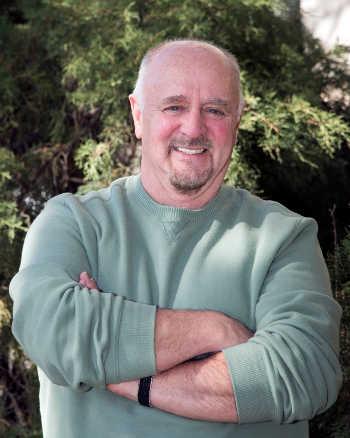
UKIAH, Calif. – In an effort to continually improve patient responsiveness, Mendocino Community Health Clinic (MCHC) recently appointed Wayne Menger to its board of directors.
Menger moved to Ukiah to retire after 12 years as an elementary school teacher in Florida and 15 years with AT&T in California.
Since retiring almost three years ago, Menger has sought opportunities to invest his time and energy in the Ukiah community.
“MCHC is a great match for me. I really like the people, and I truly believe that everyone should have access to health care. At MCHC, everyone is welcome,” he said.
MCHC is a nonprofit health organization that provides primary medical care (including Care for Her), some specialty medical care, dental care, and behavioral health care at three health centers in Ukiah, Willits, and Lakeport.
Because of its designation as a federally qualified health clinic, MCHC brings millions of federal dollars to Lake and Mendocino counties to care for the most vulnerable people in our communities.
Menger was especially impressed with the level of engagement of the current board members. “I’ve volunteered on other non-profit boards, and the thing I liked about the MCHC board meeting is that the people are obviously there to participate, not to pad their resumes. The board members really care,” he said.
Menger hopes to bring his enthusiasm for helping others and his experience from other non-profit boards to MCHC, and believes that not having a health care background will allow him to provide objective feedback from a patient’s perspective.
When he is not working on MCHC business, he also volunteers for the local Humane Society and is on the board of directors at Ukiah Players Theatre.
He and his partner, Victor, both retired in 2010 and enjoy traveling – whether it be to somewhere as close as San Francisco or as far as Europe.
“I think it is so important to really live your life. If you don’t do things now, you may not be able to. We’re living life now,” Menger said.
MCHC CEO Lin Hunter said, “We’re so pleased that Wayne accepted our invitation to join the Board. He is obviously dedicated to giving back to the community and his personality makes him really fun to have at the board meetings.”
- Details
- Written by: Editor





 How to resolve AdBlock issue?