 How to resolve AdBlock issue?
Health
- Details
- Written by: Editor
Awareness of chronic obstructive pulmonary disease (COPD) has been rising gradually in recent years, but the results of a national survey show current awareness levels have returned to those of 2008.
The survey was released Wednesday by the National Heart, Lung and Blood Institute (NHLBI) of the National Institutes of Health.
Sixty-five percent of adults reported that they have heard of COPD, compared to 71 percent in 2011.
Among people most at risk for COPD, awareness stood at 74 percent for current smokers and 73 percent for former smokers; in 2011 these values were 78 percent and 76 percent, respectively.
COPD, which in 2010 surpassed stroke to become the third leading cause of death in the United States, is a serious and progressive lung disease that makes breathing difficult and can affect quality of life.
COPD, includes conditions such as emphysema and chronic bronchitis, and has been diagnosed in an estimated 12 million men and women in the United States, with just as many more likely remaining undiagnosed.
“Although these current numbers do not indicate a trend, we are concerned that the awareness level has not continued to increase. We plan to use this as an opportunity to mobilize and re-energize our efforts.” said James P. Kiley, Ph.D., director of the NHLBI Division of Lung Diseases.
“COPD is the only major chronic disease where deaths are not decreasing, which makes it critical for people to understand whether they are at risk for it and recognize its symptoms as early as possible,” Kiley said. COPD can be treated – but the challenge is that more than one in three Americans do not know what it is or what its health outcomes are.”
Kiley noted that the NHLBI plans to engage more with COPD patients, caregivers, and members of advocacy organizations including the American Lung Association and COPD Foundation, and medical societies like the American Thoracic Society.
The NHLBI will also work with partners through the COPD Learn More Breathe Better campaign to expand mobilization of local COPD coalitions and state COPD task forces to enhance message penetration and activation at the community level.
In 2007, the NHLBI along with leading professional societies, health organizations, and advocacy groups, launched the COPD Learn More Breathe Better campaign to raise public awareness and understanding of COPD.
The campaign encourages people at risk for COPD to get a simple diagnostic breathing test and talk to their health care provider about selection of treatment options; the campaign also encourages those diagnosed with COPD to take personal ownership of and responsibility for their overall care and treatment plans.
COPD develops slowly, and its symptoms – which can include shortness of breath, chronic coughing or wheezing, production of excess sputum, or a feeling of being unable to take a deep breath – are often mistaken for a consequence of aging or being out of shape. Therefore, many people dismiss their symptoms early on and delay seeking diagnosis and treatment until the disease is in its late stages.
According to the results of a parallel survey of health care providers, 48 percent of primary care physicians say that one of the biggest barriers to diagnosing COPD is that patients do not fully report these kinds of symptoms.
“Early diagnosis and treatment can go a long way toward improving quality of life for those with COPD, but the first step to breathing better is reporting symptoms to a health care provider,” said Kiley. “That’s why it is so vital that we do more to not only raise awareness of COPD, but also increase public understanding of how COPD can affect daily life.”
COPD most often occurs in people age 40 and older with a history of smoking. However, as many as 1 in 6 people with COPD have never smoked. COPD also can occur in people with a genetic condition known as alpha-1 antitrypsin deficiency or through long-term exposure to substances that can irritate the lungs, such as dust or fumes.
COPD is diagnosed with a simple test called spirometry, which can be conducted in a doctor’s office. The test involves breathing out as hard and fast as possible into a tube connected to a machine that measures lung function.
The NHLBI analyzed the results of the annual HealthStyles and DocStyles surveys of public health attitudes, knowledge, practices, and lifestyle habits of consumers and health care professionals, conducted each year by Porter Novelli, the communications contractor for the NHLBI’s COPD Learn More Breathe Better campaign.
The latest survey results represent a sample of 4,703 consumers with a margin of error of 1.4 percentage points and 1,000 physicians with a margin of error of 3.1 percentage points. Both surveys were conducted in summer 2012.
- Details
- Written by: Editor
CLEARLAKE, Calif. – Adventist Health Home Care Services in Lake County was named to the 2012 HomeCare Elite list compiled by Outcome Concept Systems Inc.
Outcome Concept Systems Inc. is a Seattle-based company providing data products and benchmark services for home health, hospice and private duty agencies.
The performance criteria included: quality of care, quality improvement, patient experience, process measure implementation, and financial performance.
“Our goal is to provide the best and safest care possible, and this distinction further validates our commitment to quality and dedication to our mission,” said Sherry Mendoza, chief operating officer of Home Care Services for Adventist Health.
If you or a loved one has health problems due to disability, surgery or chronic or acute illness, you could benefit from home care services by staying at home and still receiving the care you need.
Often, home care services can help you avoid hospitalization or decrease the time you stay in the hospital.
Home care’s team of nurses and other professionals offers treatment as well as education, to you and your family members.
The team will teach you how to manage health care needs safely and confidently, especially when care includes complicated medications, procedures and/or medical equipment at home.
“This award comes during our recognition of November as Home Care Month,” stated Patricia Rutherford, director of Home Care Services. “Our home care team is committed to providing excellent care, right at home. It is a pleasure to work with such a dedicated group of health care professionals.”
Adventist Health Home Care offers specialized skilled services, including rehabilitative exercises and instruction.
To access Home Care Services, please talk with your primary care provider about a referral.
- Details
- Written by: Editor
In a mouse model of multiple sclerosis (MS), researchers funded by the National Institutes of Health have developed innovative technology to selectively inhibit the part of the immune system responsible for attacking myelin – the insulating material that encases nerve fibers and facilitates electrical communication between brain cells.
Autoimmune disorders occur when T-cells – a type of white blood cell within the immune system – mistake the body’s own tissues for a foreign substance and attack them.
Current treatment for autoimmune disorders involves the use of immunosuppressant drugs which tamp down the overall activity of the immune system.
However, these medications leave patients susceptible to infections and increase their risk of cancer as the immune system’s normal ability to identify and destroy aberrant cells within the body is compromised.
Supported by the National Institute of Biomedical Imaging and Bioengineering (NIBIB) at NIH, Drs. Stephen Miller and Lonnie Shea at Northwestern University, Evanston, teamed up with researchers at the University of Sydney, and the Myelin Repair Foundation in Saratoga, Calif. To come up with a novel way of repressing only the part of the immune system that causes autoimmune disorders while leaving the rest of the system intact.
The new research takes advantage of a natural safeguard employed by the body to prevent autoreactive T-cells – which recognize and have the potential to attack the body’s healthy tissues – from becoming active. They report their results in the Nov. 18 online edition of Nature Biotechnology.
“We’re trying to do something that interfaces with the natural processes in the body,” said Shea. “The body has natural mechanisms for shutting down an immune response that is inappropriate, and we’re really just looking to tap into that.”
One of these natural mechanisms involves the ongoing clearance of apoptotic, or dying, cells from the body.
When a cell dies, it releases chemicals that attract specific cells of the immune system called macrophages.
These macrophages gobble up the dying cell and deliver it to the spleen where it presents self-antigens – tiny portions of proteins from the dying cell—to a pool of T-cells.
In order to prevent autoreactive T-cells from being activated, macrophages initiate the repression of any T-cells capable of binding to the self-antigens.
Dr. Miller was the first to demonstrate that by coupling a specific self-antigen such as myelin to apoptotic cells, one could tap into this natural mechanism to suppress T-cells that would normally attack the myelin.
The lab spent decades demonstrating that they could generate antigen-specific immune suppression in various animal models of autoimmune diseases. Recently, they initiated a preliminary clinical trial with collaborators in Germany to test the safety of injecting the antigen-bound apoptotic cells into patients with MS. While the trial successfully demonstrated that the injections were safe, it also highlighted a key problem with using cells as a vehicle for antigen delivery:
“Cellular therapy is extremely expensive as it needs to be carried out in a large medical center that has the capability to isolate patient’s white blood cells under sterile conditions and to re-infuse those antigen-coupled cells back into the patients,” said Miller. “It’s a costly, difficult, and time-consuming procedure.”
Thus began a collaboration with Dr. Shea, a bioengineer at Northwestern University, to discuss the possibility of developing a surrogate for the apoptotic cells.
After trying out various formulations, his lab successfully linked the desired antigens to microscopic, biodegradable particles which they predicted would be taken up by circulating macrophages similar to apoptotic cells.
Much to their amazement, when tested by the Miller lab, the antigen-bound particles were just as good, if not better, at inducing T-cell tolerance in animal models of autoimmune disorders.
Using their myelin-bound particles, the researchers were able to both prevent the initiation of MS in their mouse model as well as inhibit its progression when injected immediately following the first sign of clinical symptoms.
The research team is now hoping to begin phase I clinical trials using this new technology. The material that makes up the particles has already been approved by the U.S. Food and Drug Administration and is currently used in resorbable sutures as well as in clinical trials to deliver anti-cancer agents. Miller believes that the proven safety record of these particles along with their ability to be easily produced using good manufacturing practices will make it easier to translate their discovery into clinical use.
“I think we’ve come up with a very potent way to induce tolerance that can be easily translated into clinical practice. We’re doing everything we can now to take this forward,” said Miller.
In addition to its potential use for the treatment of MS, the researchers have shown in the lab that their therapy can induce tolerance for other autoimmune diseases such as type I diabetes and specific food allergies.
They also speculate that transplant patients could benefit from the treatment which has the potential to retract the body’s natural immune response against a transplanted organ. Dr. Christine Kelley, NIBIB director of the Division of Science and Technology, points to the unique collaboration between scientists and engineers that made this advance a reality.
“This discovery is testimony to the importance of multidisciplinary research efforts in health care,” said Kelley. “The combined expertise of these immunology and bioengineering researchers has resulted in a valuable new perspective on treating autoimmune disorders.”
- Details
- Written by: Editor
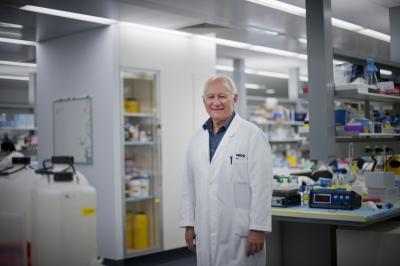
Stem cells in the adult pancreas have been identified that can be turned into insulin producing cells, a finding that means people with type 1 diabetes might one day be able to regenerate their own insulin-producing cells.
The discovery was made by scientists from the Walter and Eliza Hall Institute and provides further evidence that stem cells don’t only occur in the embryo.
The ability to produce the hormone insulin is crucial for controlling blood sugar (glucose) levels. In people with type 1 diabetes the body’s immune system destroys the insulin-producing beta cells of the pancreas, leading to a potentially fatal elevation of blood glucose levels.
People with type 1 diabetes rely on multiple daily injections of insulin, or an insulin infusion pump, to control their blood glucose, but control is not perfect and they are at risk of serious long-term health complications.
Dr Ilia Banakh and Professor Len Harrison from the institute’s Molecular Medicine division have not only identified and isolated stem cells from the adult pancreas, but developed a technique to drive these stem cells to become insulin-producing cells that can secrete insulin in response to glucose.
Professor Harrison said that insulin-producing cells had previously been generated from cells in the adult pancreas with ‘stem cell-like’ properties.
“But what Dr. Banakh has done is pinpoint the cell of origin of the insulin-producing cells and shown that the number of these cells and their ability to turn into insulin-producing cells increases in response to pancreas injury. This is exciting, because it means that the potential to regenerate insulin-producing cells is there in all of us, even as adults,” Professor Harrison said.
“In the long-term, we hope that people with type 1 diabetes might be able to regenerate their own insulin-producing cells,” Harrison said. “This would mean that they could make their own insulin and regain control of their blood glucose levels, curing their diabetes. Of course, this strategy will only work if we can devise ways to overcome the immune attack on the insulin-producing cells, that causes diabetes in the first place.”
Harrison is a clinician scientist whose research led to current clinical trials that could prevent type 1 diabetes. In recognition of his achievements, Diabetes Australia awarded Professor Harrison the Outstanding Contribution to Diabetes Award at its awards dinner marking World Diabetes Day.
The stem cell research, published this month in the journal PLOS One, was supported by the JDRF, the National Health and Medical Research Council of Australia and the Victorian Government.