 How to resolve AdBlock issue?
News
- Details
- Written by: Elizabeth Larson
The kittens and cats at the shelter that are shown on this page have been cleared for adoption.
Call Lake County Animal Care and Control at 707-263-0278 or visit the shelter online for information on visiting or adopting.
The shelter is located at 4949 Helbush in Lakeport.
Email Elizabeth Larson at

A#11b

A#11a

A#99b

A#99a

A#101

Foster#9819(Shelby)

A#96
- Details
- Written by: LAKE COUNTY NEWS REPORTS
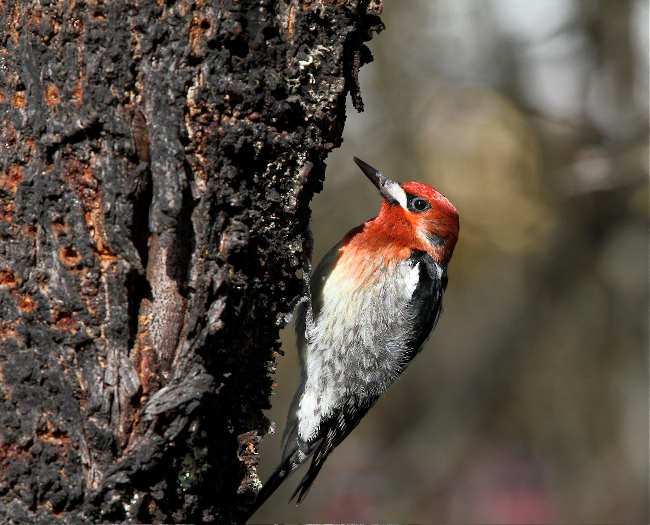
LAKE COUNTY, Calif. — The Redbud Audubon Society will conduct its 50th annual Christmas Bird Count on Saturday, Dec. 14.
The Christmas Bird Count, or CBC, is a traditional project of Audubon societies around the country.
Previous participants have been sent information about meeting times and places by the count organizers, Brad and Kathy Barnwell, but new participants are welcome.
They can meet at either Anderson Marsh State Historic Park or Clear Lake State Park at 8 a.m. or may participate in smaller individual groups. Email Brad and Kathy at
You can also call Redbud Audubon at 707-805-9410 and leave a message. Someone will return your call.
Newcomers are highly urged to join this effort. If you are new to Lake County and would like to meet people with similar interests, join the count day.
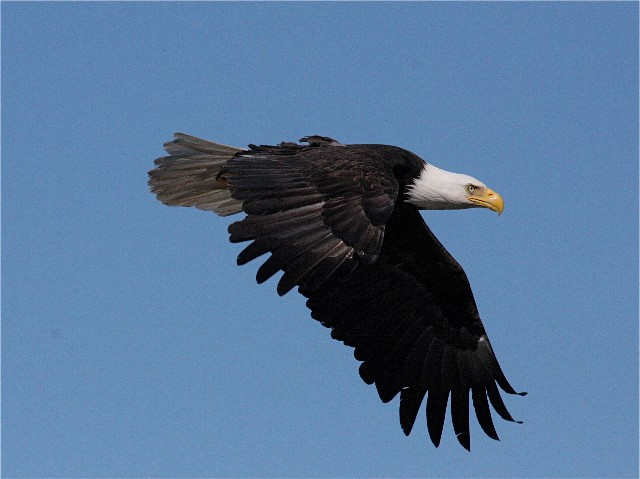
Previous to the bird count, on Thursday, Dec. 12, starting at 7 p.m. Donna Mackiewicz will host a Zoom Bird Identification program. To register, go to www.redbudaudubon.org and click the “register” option on the home page. The link to join the program will be sent to you the day of the program.
National Audubon has been holding a Christmas Bird Count for 125 years.
The official count period starts Dec. 14 and ends Jan. 5. Local Audubon societies can decide what day they conduct their counts within this time frame.
Every individual bird and species encountered during the day is recorded. Each count group has a designated circle of 15 miles in diameter and tries to cover as much ground as possible within a certain period of time.
Count volunteers follow specified routes through the designated 15-mile (24-km) diameter circle, counting every bird they see or hear all day. It's not just a species tally — all birds are counted all day, giving an indication of the total number of birds in the circle that day.
The data collected by each count group are then sent to the National Audubon Headquarters in New York and is made available online.
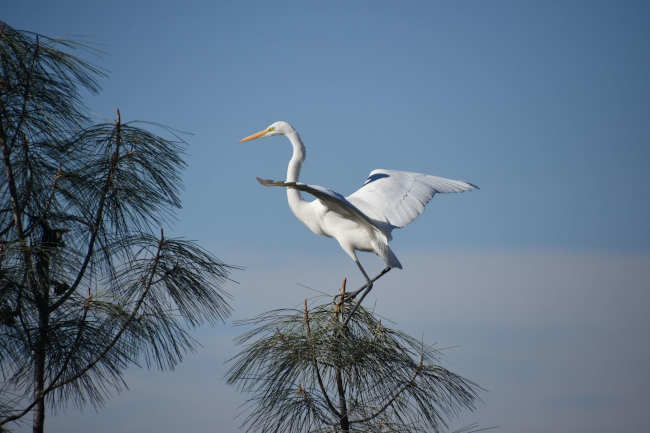
The Christmas Bird Count began more than a century ago when 27 conservationists in 25 localities, led by scientist and writer Frank Chapman, changed the course of ornithological history.
On Christmas Day in 1900, the small group posed an alternative to the “side hunt,” a Christmas day activity in which teams competed to see who could shoot the most birds and small mammals.
Instead, Chapman proposed to identify, count, and record all the birds they saw, founding what is now considered to be the world’s most significant citizen-based conservation effort — and century-old institution.
Scientists rely on the remarkable trend data of Audubon’s CBC to better understand how birds and the environment are faring throughout North America — and what needs to be done to protect them.
Data from Audubon’s signature Citizen Science program are at the heart of numerous peer-reviewed scientific studies.
- Details
- Written by: Elizabeth Larson
The dogs available for adoption this week include mixes of Anatolian shepherd, boxer, bull terrier, cattle dog, Doberman pinscher, German shepherd, German shorthaired pointer, husky, Labrador Retriever, pit bull terrier and terrier.
Dogs that are adopted from Lake County Animal Care and Control are either neutered or spayed, microchipped and, if old enough, given a rabies shot and county license before being released to their new owner. License fees do not apply to residents of the cities of Lakeport or Clearlake.
Those dogs and the others shown on this page at the Lake County Animal Care and Control shelter have been cleared for adoption.
Call Lake County Animal Care and Control at 707-263-0278 or visit the shelter online for information on visiting or adopting.
The shelter is located at 4949 Helbush in Lakeport.
Email Elizabeth Larson at

Kennel#10

Kennel#16(Caney)

Kennel#33

Kennel#14

Kennel#4a(pink collar)

Kennel#4b(Green collar)

Kennel#4c(Red Collar)

Kennel#3a(Yellow Collar)

Kennel#3b(Blue Collar)

Kennel#3c(Red collar)

Kennel#24a(DarkerCoat)

Kennel#24b(LighterCoat)

Kennel#23b

Kennel#23a

Kennel#34

Kennel#27

Kennel#9

Kennel#6

Kennel#8(Buddy)

Kennel#21

Kennel#30

Kennel#22

Kennel#28

Kennel#2(Saint)

Kennel#18

Kennel#13

Kennel#15

Kennel#7(Fonzi)

Kennel#17

Kennel#5

Kennel#11

Kennel#12

Kennel#19

Kennel#20
- Details
- Written by: LAKE COUNTY NEWS REPORTS
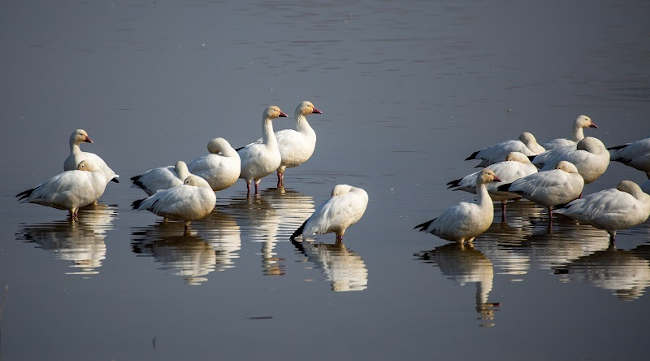
Avian Influenza H5N1 is again circulating in susceptible wild birds in California during fall migration.
California sits at the epicenter of the Pacific Flyway, one of North America’s major migratory routes that brings millions of visiting birds through the state each fall and winter.
Preliminary detections of avian influenza have been made in wild birds collected in late October and November from several counties including Contra Costa, Marin, Monterey, Los Angeles, San Benito, San Luis Obispo, and San Diego.
Prior to these detections, the last confirmed detections of avian influenza H5N1 in wild birds in California was in July 2024. Avian influenza in free-ranging wild birds is primarily a disease of waterfowl and shorebirds, the natural hosts of avian influenza viruses whose wetland and other watery habitat is a significant factor for disease transmission among these species.
Predators and scavengers that feed on infected birds may also be at risk of acquiring infection. The Eurasian strain of Highly Pathogenic Avian Influenza (HPAI) H5N1 was first detected in California in July 2022. During the past two seasons, detections of the virus in wild birds have generally subsided during spring and summer and re-emerged in the fall as waterfowl and other waterbirds undertake fall migration.
Avian influenza spreads through direct bird-to-bird contact and may also spread to birds through contaminated surfaces including hands, shoes, clothing and hunting gear.
While the Centers for Disease Control considers the transmission risk of avian influenza to people to be low, residents and waterfowl hunters are advised to take precautions to protect themselves, hunting dogs, falconry birds, poultry and pet birds.
Steps that may help reduce the spread of avian influenza include:
• Report dead wild birds, and other wildlife, to CDFW using the mortality reporting form. While it is not possible to test every wild bird for avian influenza, all mortality reports are important and help disease specialists monitor the outbreak.
• Report sick and dead poultry to the California Department of Food and Agriculture (CDFA) hotline at 1 (866) 922-2473.
• Prevent contact between domestic birds and wild birds, especially waterfowl. Exclude wild birds from accessing chicken or other domestic bird feed and water.
• Do not feed waterfowl or other waterbirds at park ponds as it may increase the congregation of birds and contribute to disease spread.
• Do not bring potentially sick wild birds home or move sick birds to another location.
• Before transporting potentially sick wild birds to wildlife rehabilitation centers, veterinary clinics, or other animal facilities, contact the facility for guidance and to determine if the bird should be collected.
• If recreating outdoors in areas with large concentrations of waterfowl and other waterbirds, wash clothing and disinfect footwear and equipment before traveling to other areas or interacting with domestic birds.
• Where it can be done so safely, dead birds may be disposed of to help reduce exposure to new birds and minimize scavenging by birds and mammals that also may be susceptible to infection. Dead birds may be collected into a plastic bag and placed in the regular trash collection. Guidance on protective equipment is available from the California Department of Public Health. If assistance or guidance is needed with the disposal of dead birds on private property, contact your county environmental health department or animal services for options available in your area.
Additional safety recommendations for waterfowl hunters:
• Harvest only waterfowl that look and behave healthy. Do not handle or eat sick game. Do not handle wild birds that are obviously sick or found dead.
• Field dress and prepare game outdoors or in a well-ventilated area. Do not dress wild game in the vicinity of poultry or pet birds.
• Wear rubber gloves or other impermeable disposable gloves while handling and cleaning game.
• Remove and discard intestines soon after harvesting and avoid direct contact with intestinal contents. Place waste in a plastic bag and dispose in a garbage container that is protected from scavengers.
• Do not eat, drink, smoke or vape while handling dead game.
• When done handling game, wash hands thoroughly with soap and water (or alcohol-based hand sanitizer if soap and water are unavailable), and clean knives, equipment and surfaces that came in contact with game. Wash hands before and after handling any meat.
• Keep harvested waterfowl cool (either with ice or refrigeration), below 45 degrees Fahrenheit, until processed and then refrigerate or freeze.
• Thoroughly cook all game to an internal temperature of 165 degrees Fahrenheit before consuming.
• Clean and disinfect clothing, footwear and hunting gear before traveling to other areas. As appropriate, footwear and gear may be washed with soap and water, then disinfected in household bleach diluted 1:10 with water for at least 10 minutes.
• Bathe dogs with pet shampoo after hunting outings, and do not feed dogs raw meat, organs or other tissues from harvested waterfowl.
• Falconers should avoid hunting waterfowl, and other waterbirds, during the avian influenza outbreak.
For more information on avian influenza H5N1, check out CDFW’s informational flyer addressing frequently asked questions and links to additional resources. The USDA maintains the official list of detections on its website.
For guidance on keeping domestic birds healthy, please visit the CDFA and USDA websites.
For guidance on orphaned or injured live wild birds, please contact your nearest wildlife rehabilitation center prior to collecting the animal. Be advised that some wildlife rehabilitation centers may have restrictions on the wildlife species they will admit.