 How to resolve AdBlock issue?
News
- Details
- Written by: Elizabeth Larson
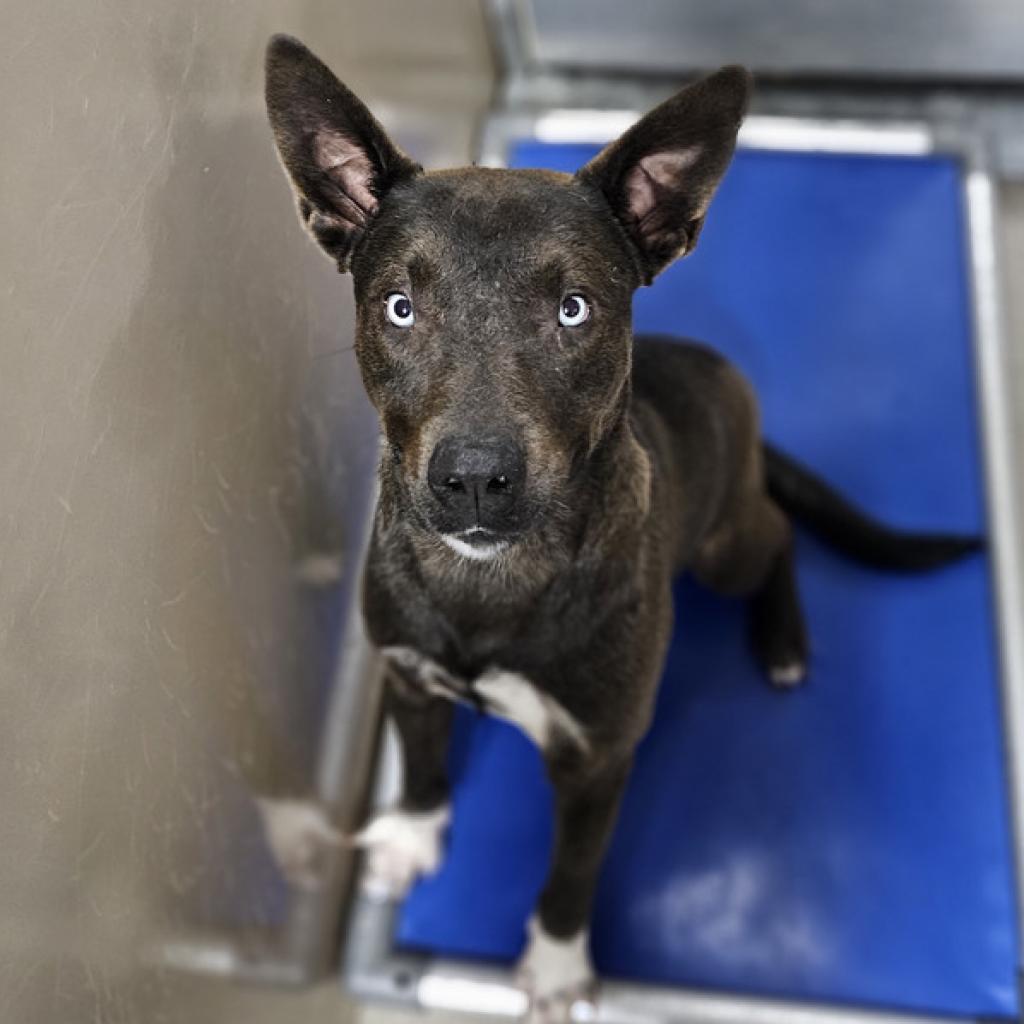
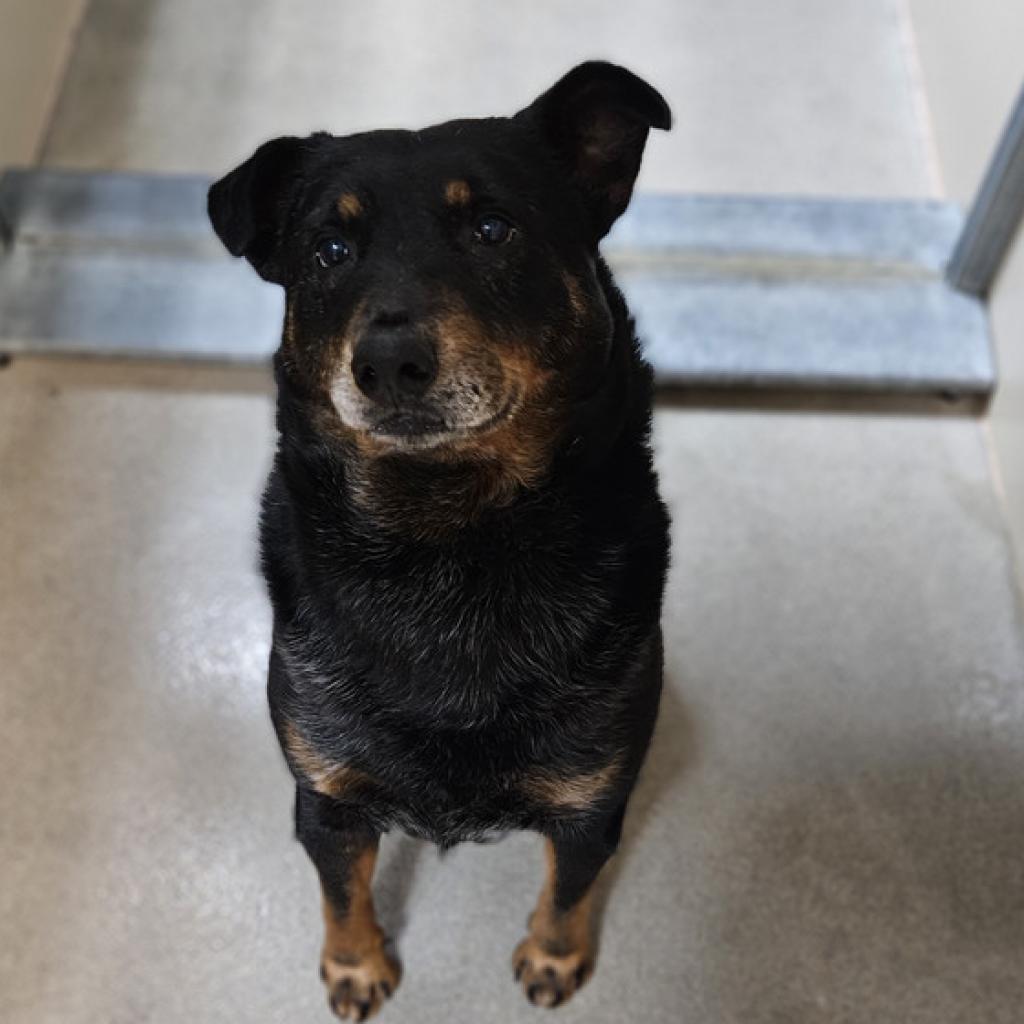
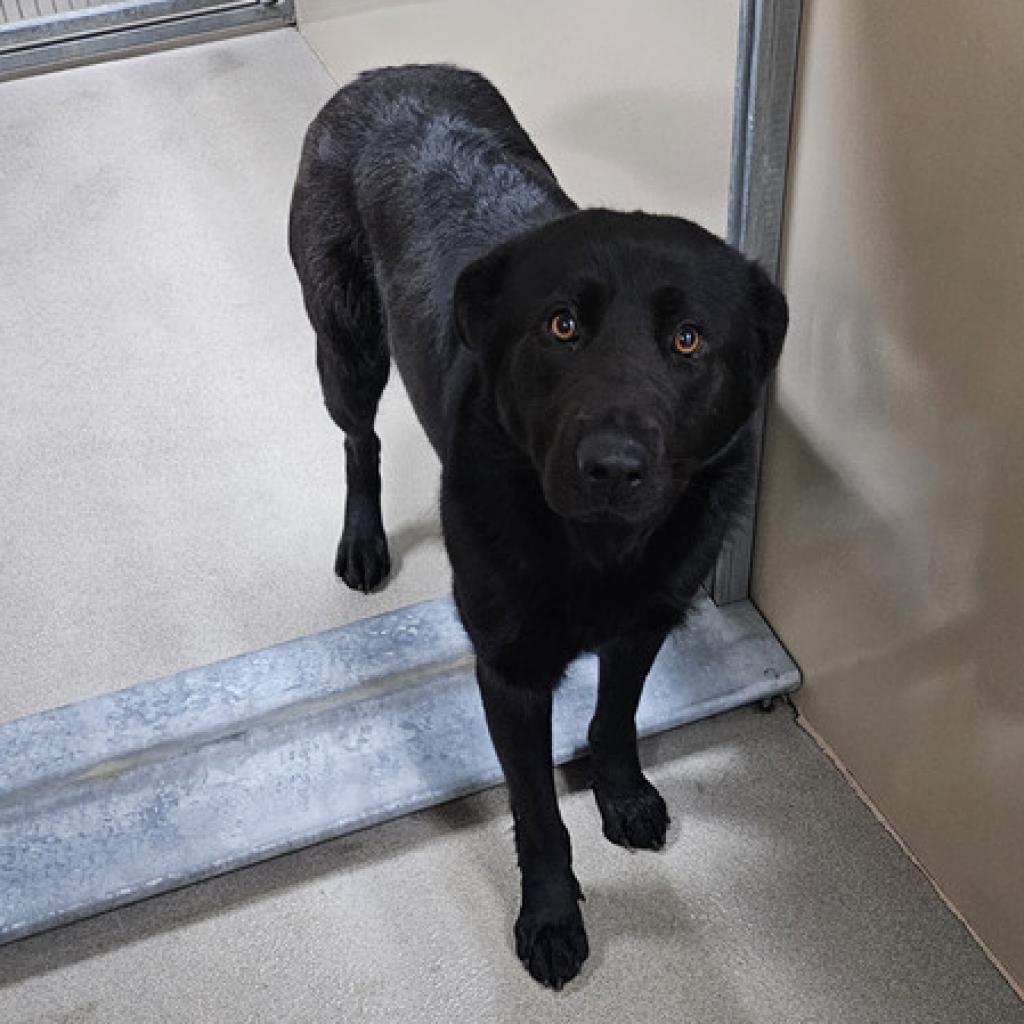
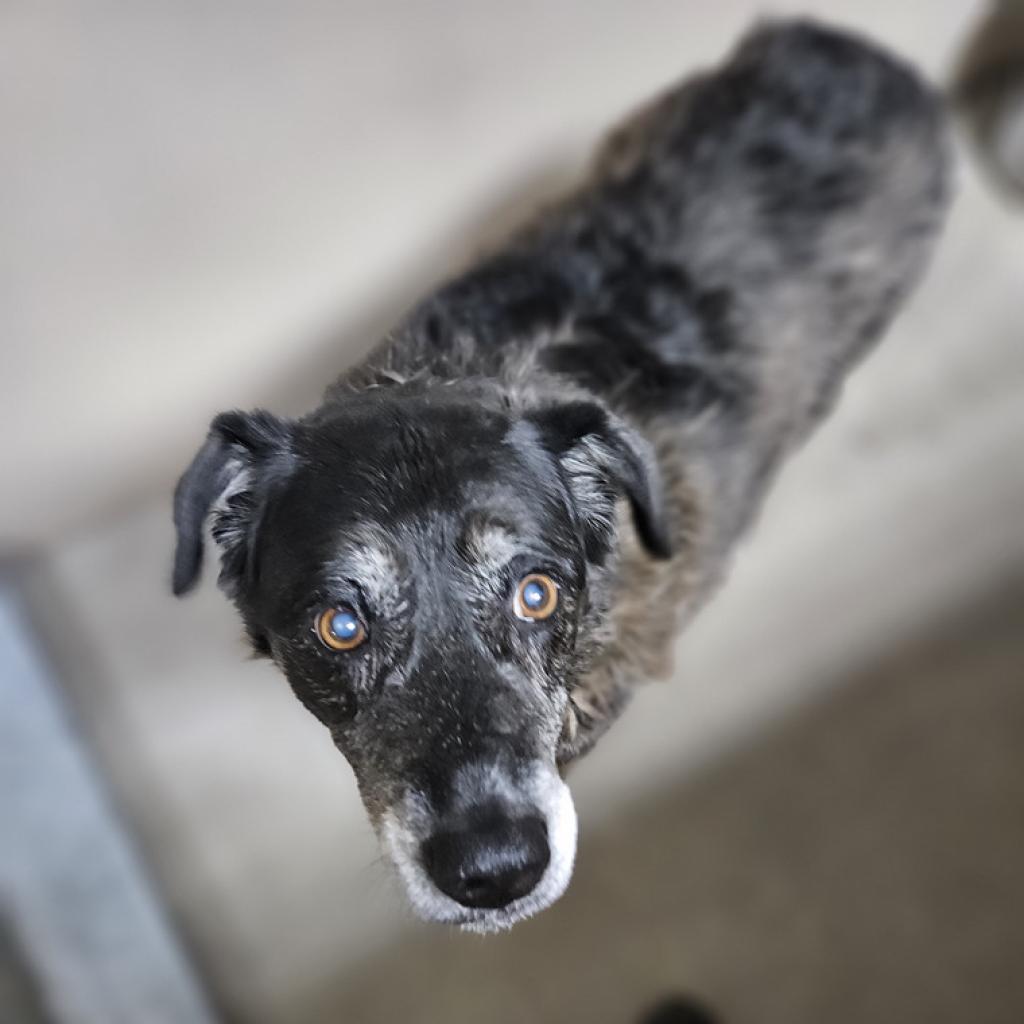
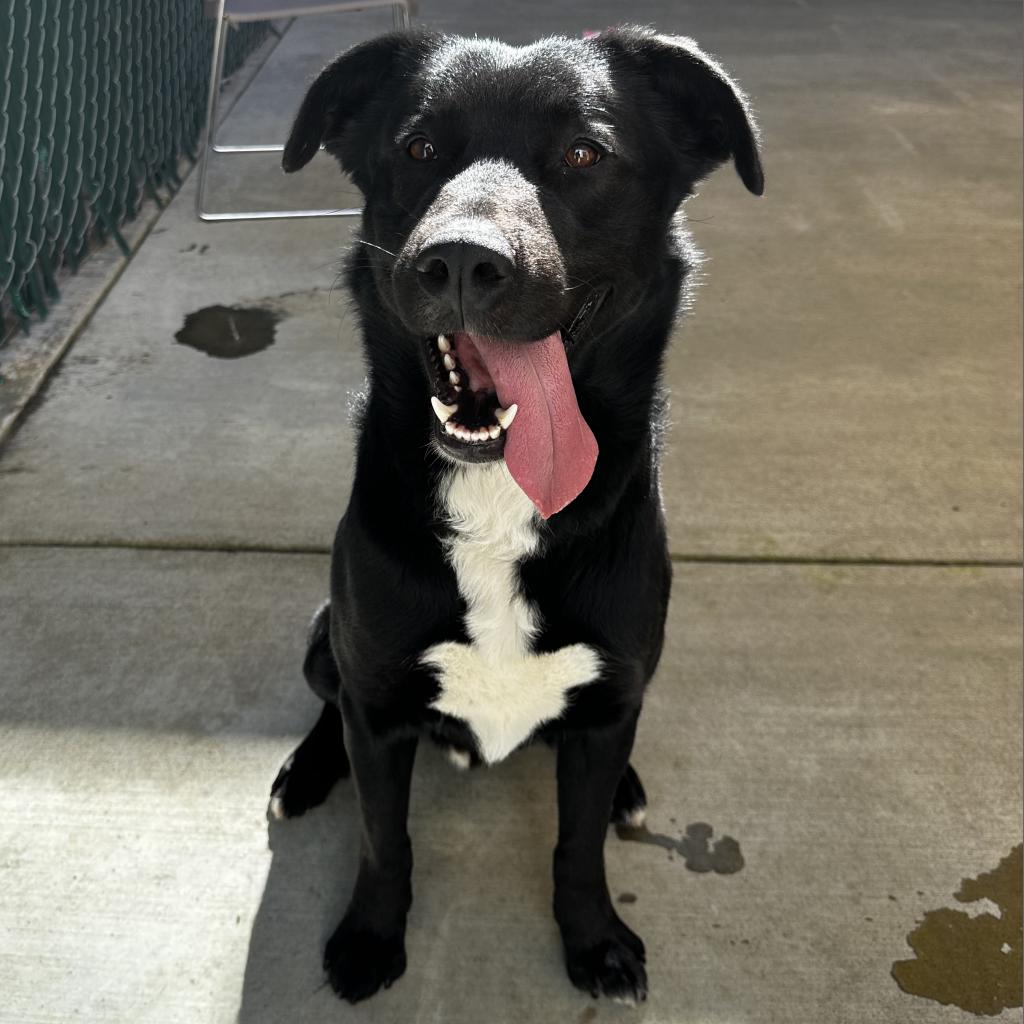
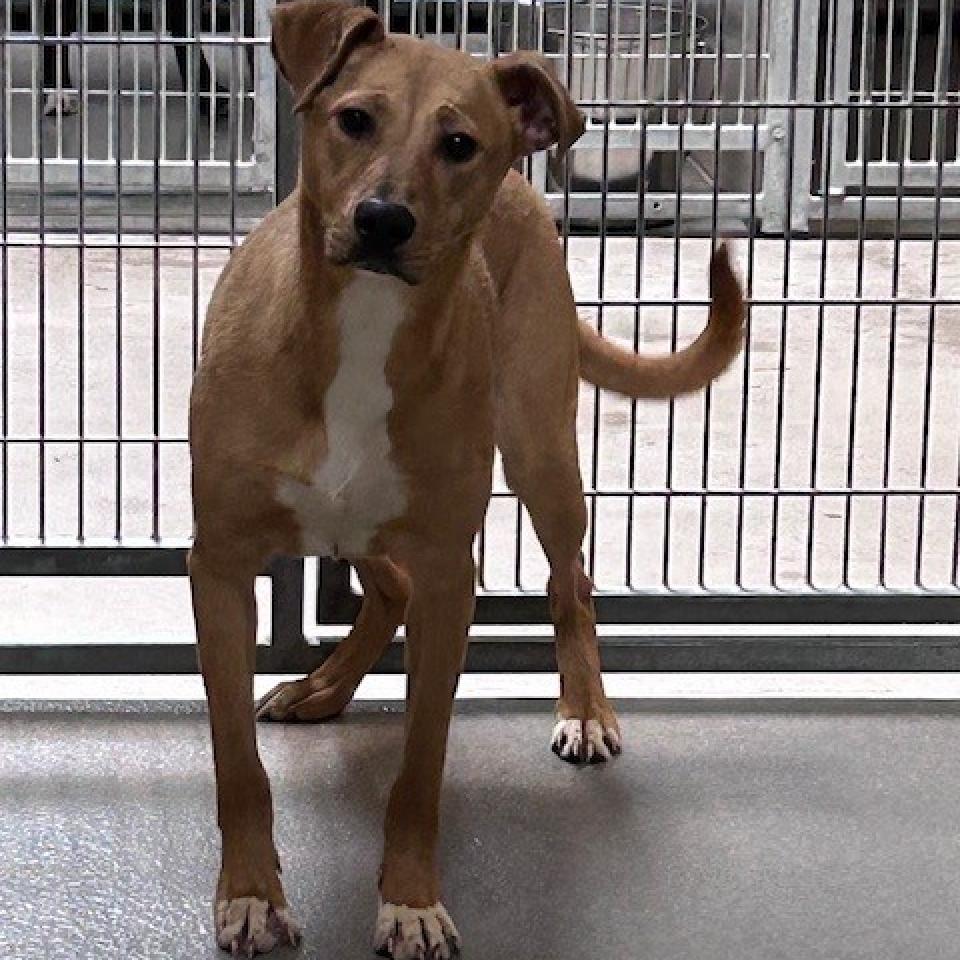
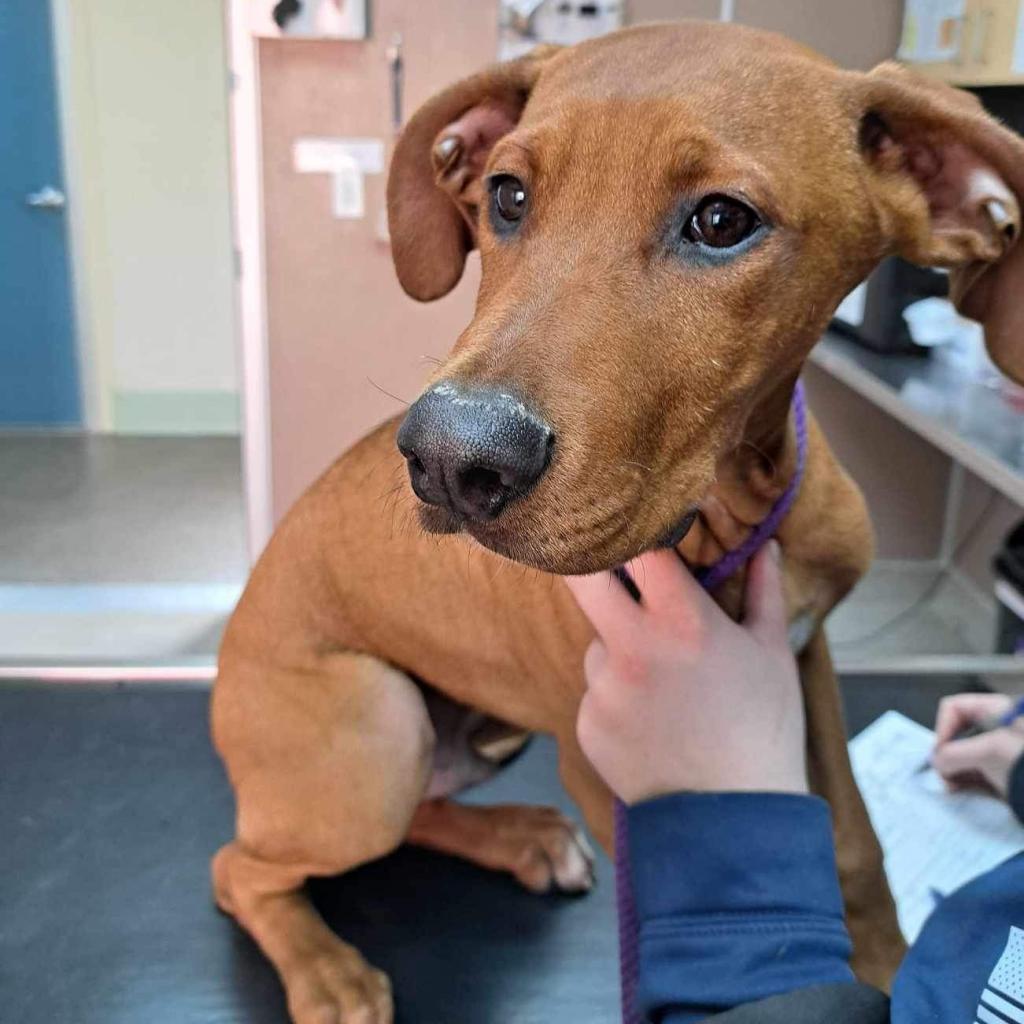
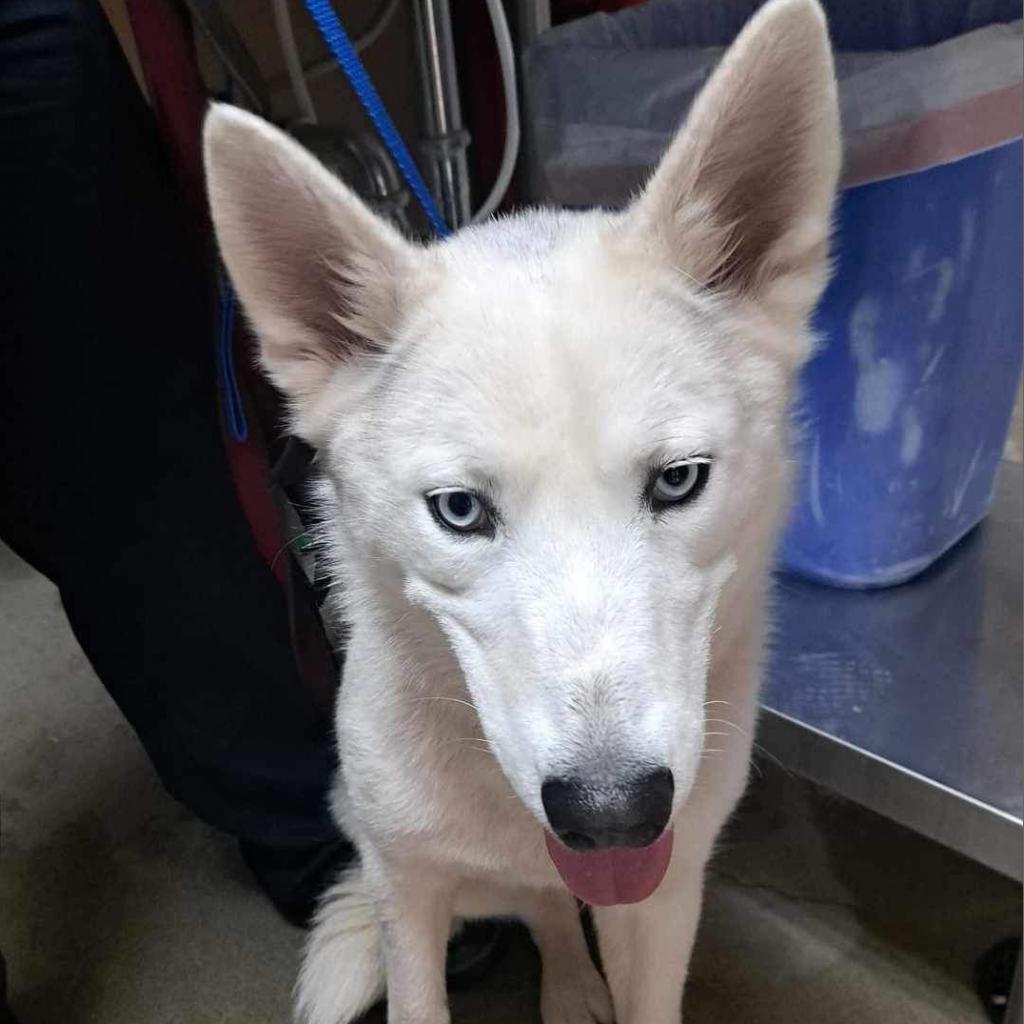
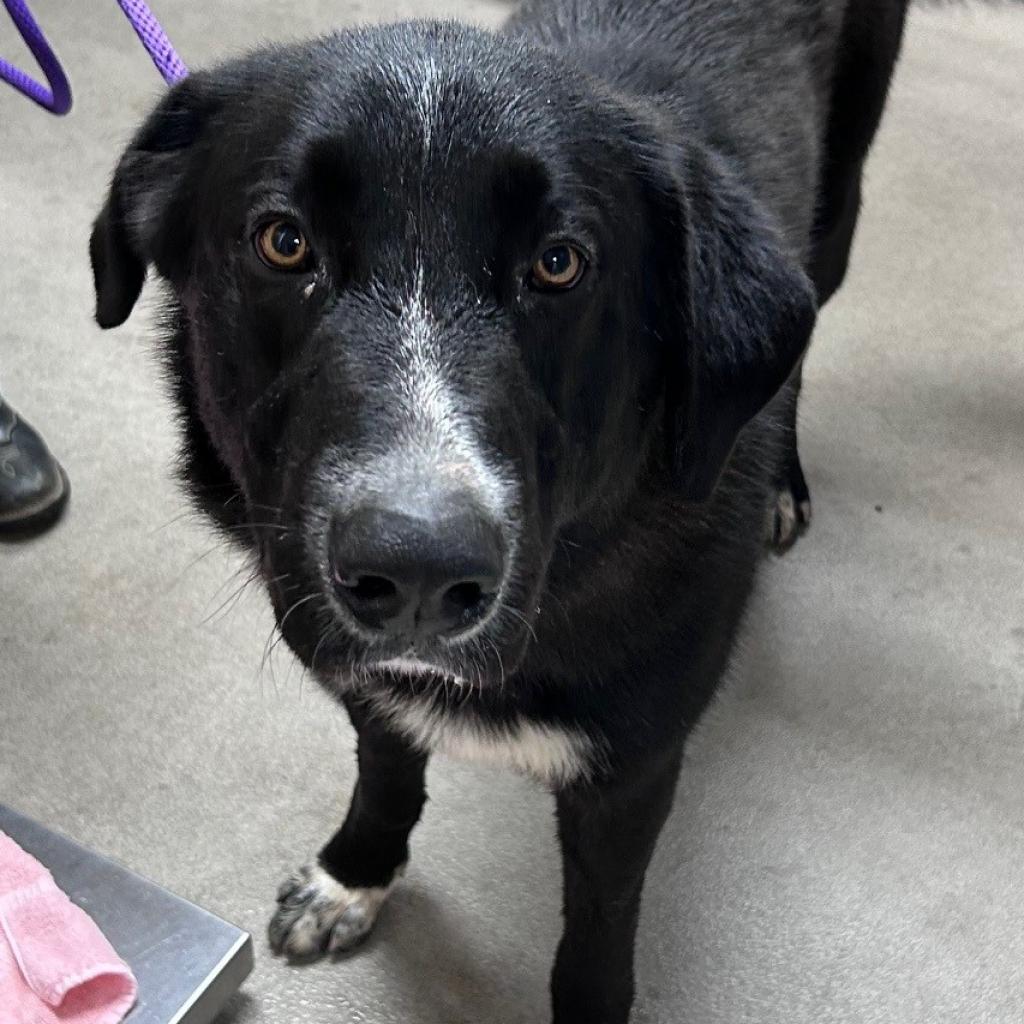
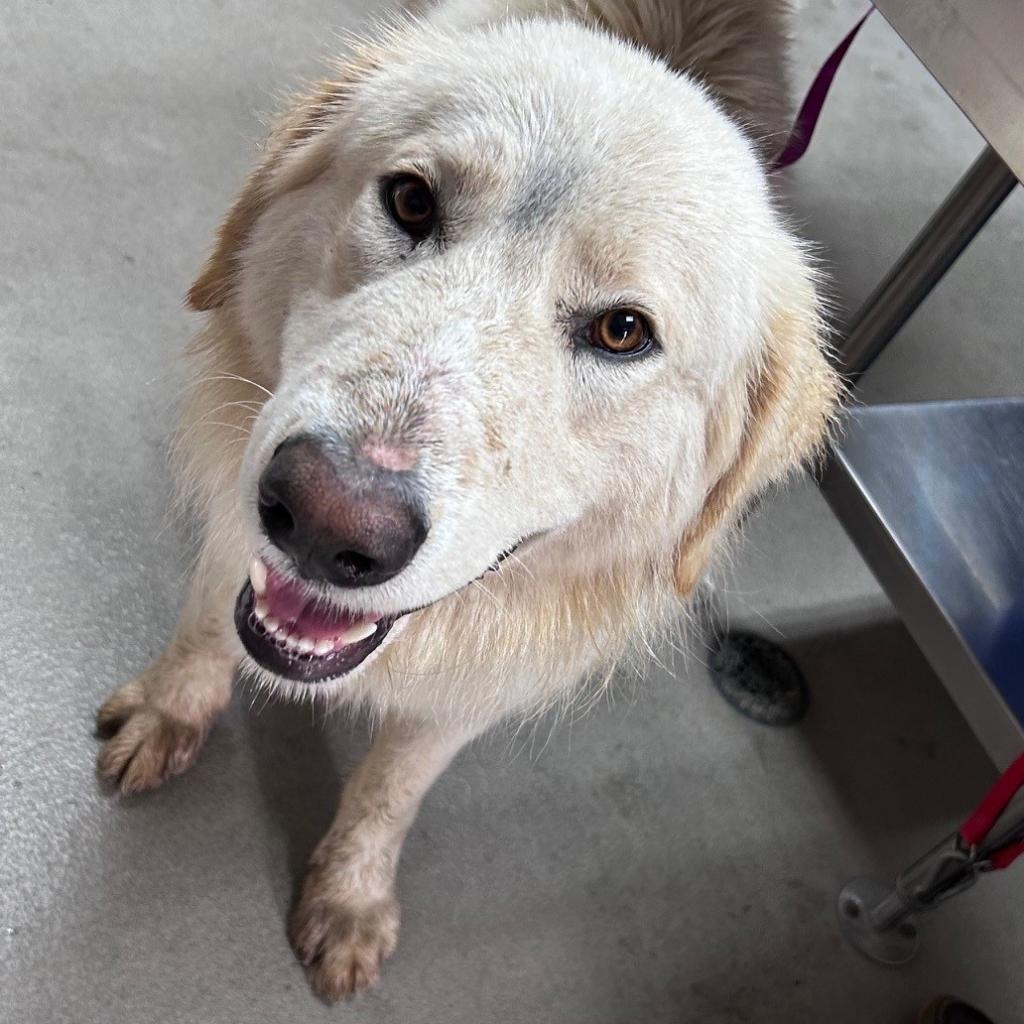
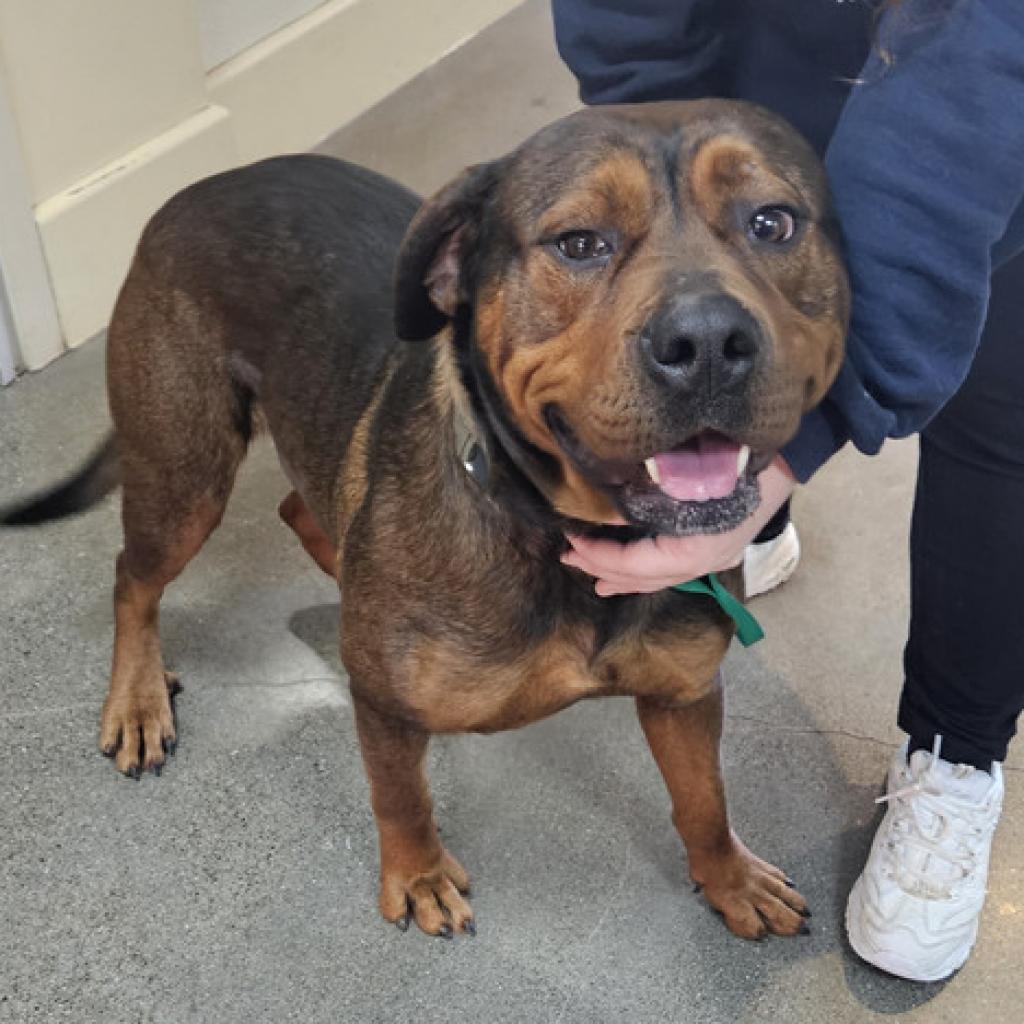
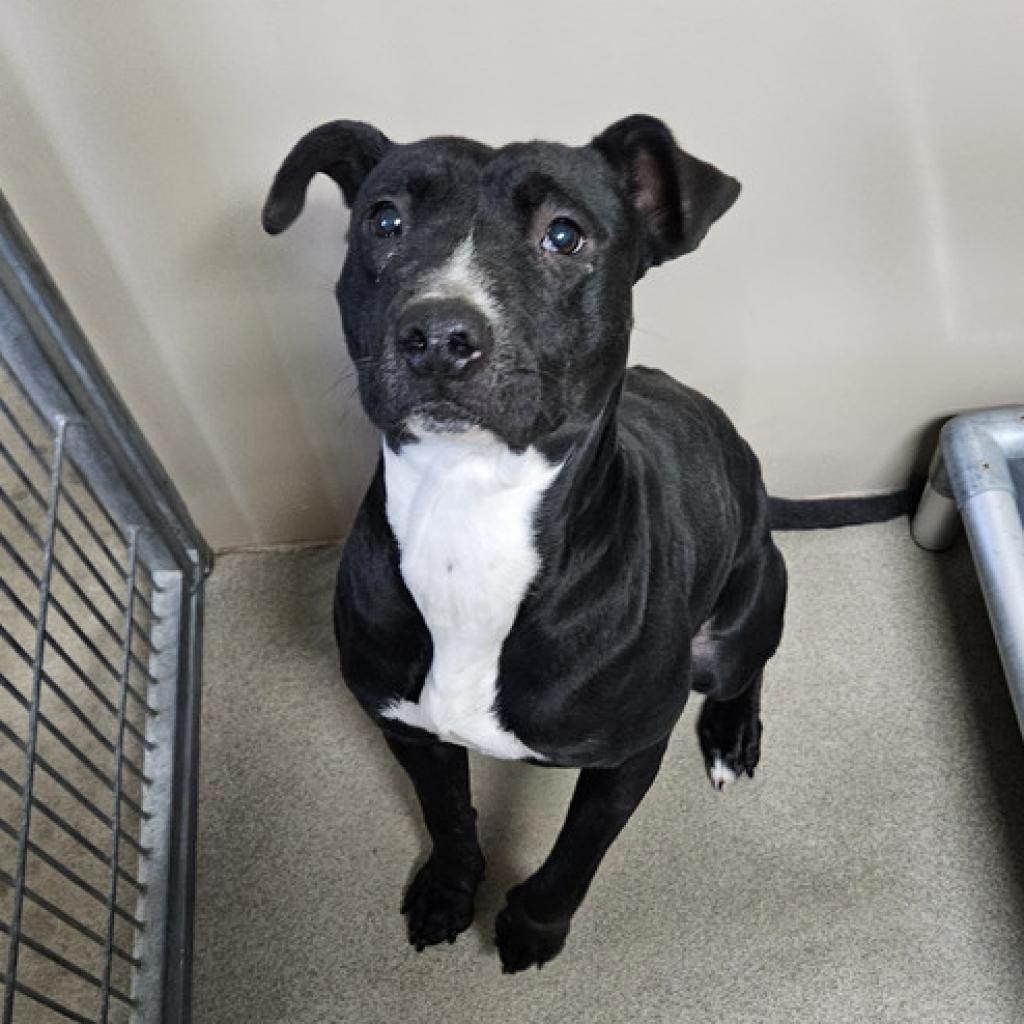
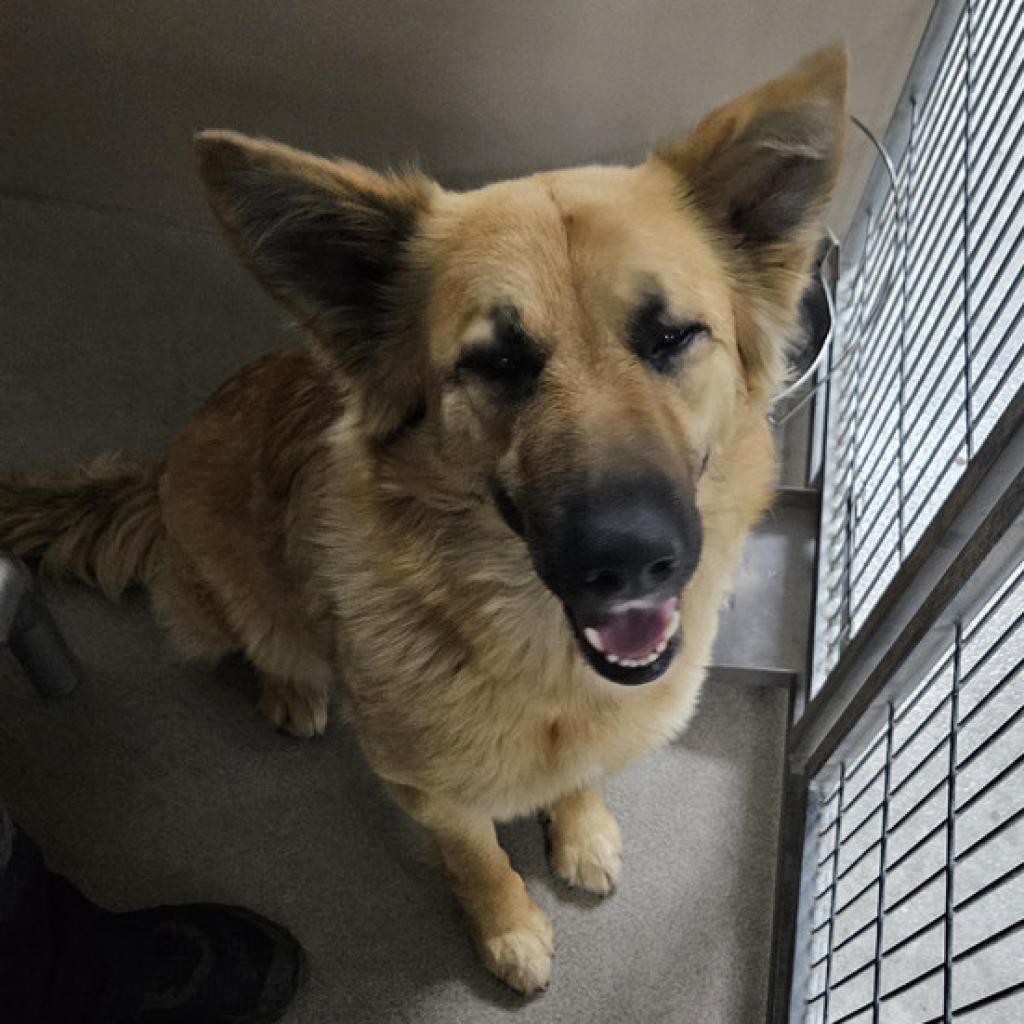
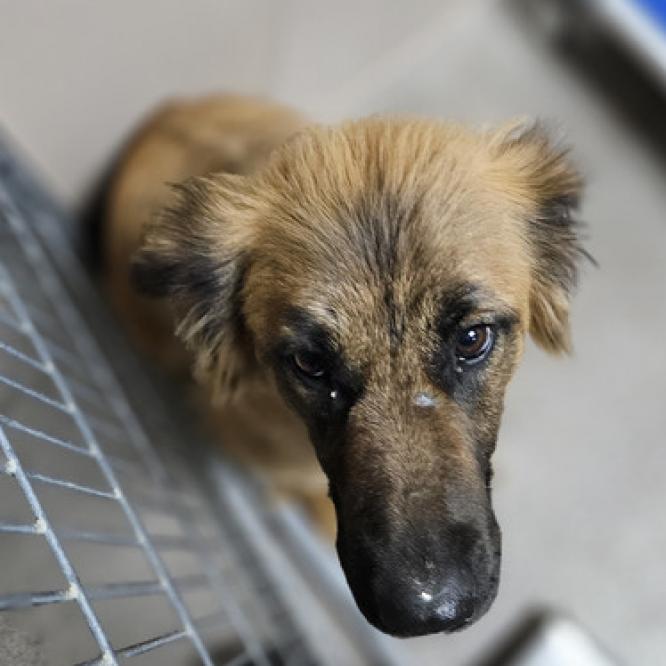
Dogs available for adoption this week include mixes of Anatolian shepherd, Australian shepherd, border collie, boxer, German shepherd, Great Pyrenees, hound, husky, Labrador retriever, pit bull, Queensland heeler, shepherd and terrier.
Dogs that are adopted from Lake County Animal Care and Control are either neutered or spayed, microchipped and, if old enough, given a rabies shot and county license before being released to their new owner. License fees do not apply to residents of the cities of Lakeport or Clearlake.
Those dogs and the others shown on this page at the Lake County Animal Care and Control shelter have been cleared for adoption.
Call Lake County Animal Care and Control at 707-263-0278 or visit the shelter online for information on visiting or adopting.
The shelter is located at 4949 Helbush in Lakeport.
Email Elizabeth Larson at
- Details
- Written by: Amy J. Williams, University of Florida
Is or was there life on Mars? That profound question is so complex that it will not be fully answered by the two NASA rovers now exploring it.
But because of the literal groundwork the rovers are performing, scientists are finally investigating, in-depth and in unprecedented detail, the planet’s evidence for life, known as its “biosignatures.” This search is remarkably complicated, and in the case of Mars, it is spanning decades.
As a geologist, I have had the extraordinary opportunity to work on both the Curiosity and Perseverance rover missions. Yet as much as scientists are learning from them, it will take another robotic mission to figure out if Mars has ever hosted life. That mission will bring Martian rocks back to Earth for analysis. Then – hopefully – we will have an answer.
From habitable to uninhabitable
While so much remains mysterious about Mars, there is one thing I am confident about. Amid the thousands of pictures both rovers are taking, I’m quite sure no alien bears or meerkats will show up in any of them. Most scientists doubt the surface of Mars, or its near-surface, could currently sustain even single-celled organisms, much less complex forms of life.
Instead, the rovers are acting as extraterrestrial detectives, hunting for clues that life may have existed eons ago. That includes evidence of long-gone liquid surface water, life-sustaining minerals and organic molecules. To find this evidence, Curiosity and Perseverance are treading very different paths on Mars, more than 2,000 miles (3,200 kilometers) from each other.
These two rovers will help scientists answer some big questions: Did life ever exist on Mars? Could it exist today, perhaps deep under the surface? And would it be only microbial life, or is there any possibility it might be more complex?
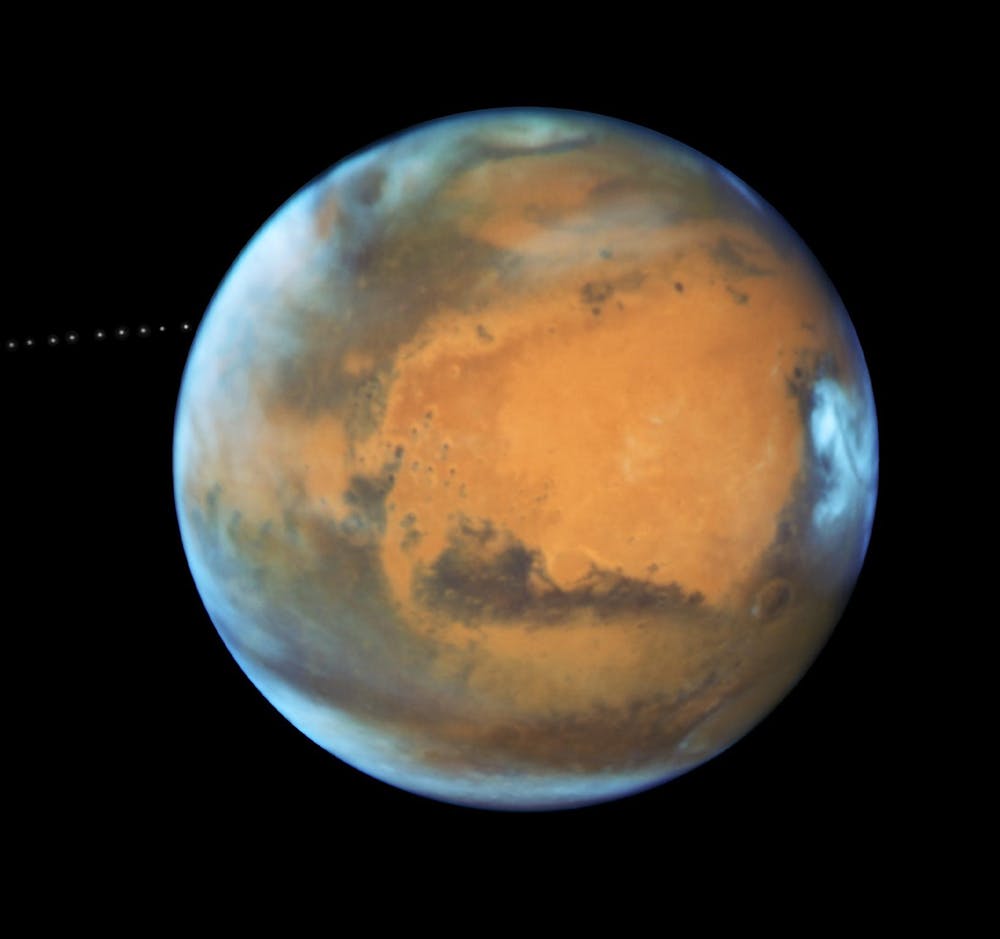
The Mars of today is nothing like the Mars of several billion years ago. In its infancy, Mars was far more Earth-like, with a thicker atmosphere, rivers, lakes, maybe even oceans of water, and the essential elements needed for life. But this period was cut short when Mars lost its magnetic field and nearly all of its atmosphere – now only 1% as dense as the Earth’s.
The change from habitable to uninhabitable took time, perhaps hundreds of millions of years; if life ever existed on Mars, it likely died out a few billion years ago. Gradually, Mars became the cold and dry desert that it is today, with a landscape comparable to the dry valleys of Antarctica, without glaciers and plant or animal life. The average Martian temperature is minus 80 degrees Fahrenheit (minus 62 degrees Celsius), and its meager atmosphere is nearly all carbon dioxide.
Early exploration
Robotic exploration of the Martian surface began in the 1970s, when life-detection experiments on the Viking missions failed to find any conclusive evidence for life.
Sojourner, the first rover, landed in 1997 and demonstrated that a moving robot could perform experiments. In 2004, Spirit and Opportunity followed; both found evidence that liquid water once existed on the Martian surface.
The Curiosity rover landed in 2012 and began ascending Mount Sharp, the 18,000-foot-high mountain located inside Gale crater. There is a reason why NASA chose it as an exploration site: The mountain’s rock layers show a dramatic shift in climate, from one with abundant liquid water to the dry environment of today.
So far, Curiosity has found evidence in several locations of past liquid water, minerals that may provide chemical energy, and intriguingly, a variety of organic carbon molecules.
While organic carbon is not itself alive, it is a building block for all life as we know it. Does its presence mean that life once existed on Mars?
Not necessarily. Organic carbon can be abiotic – that is, unrelated to a living organism. For example, maybe the organic carbon came from a meteorite that crashed on Mars. And though the rovers carry wonderfully sophisticated instruments, they can’t definitively tell us if these organic molecules are related to past life on Mars.
But laboratories here on Earth likely can. By collecting rock and soil samples from the Martian surface, and then returning them to Earth for detailed analysis with our state-of-the-art instruments, scientists may finally have the answer to an age-old question.
Perseverance
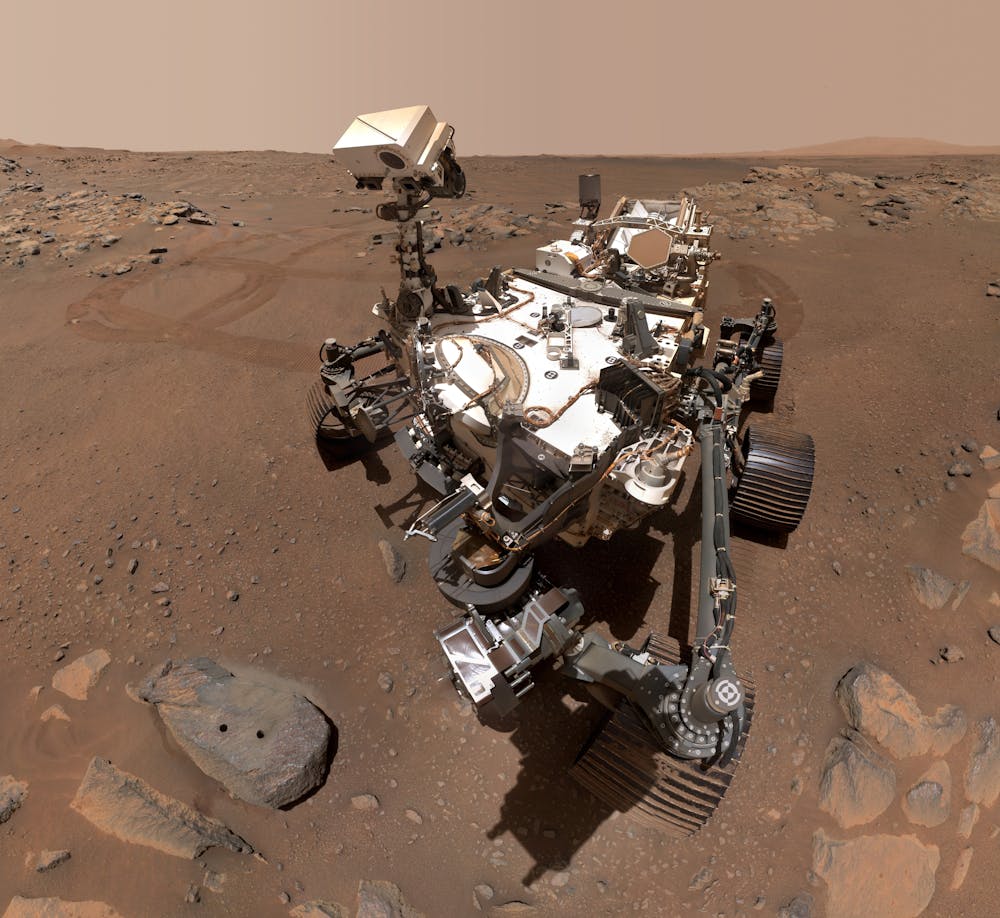
Enter Perseverance, NASA’s newest flagship mission to Mars. For the past three years – it landed in February 2021 – Perseverance has been searching for signs of bygone microbial life in the rocks within Jezero crater, selected as the landing site because it once contained a large lake.
Perseverance is the first step of the Mars Sample Return mission, an international effort to collect Martian rock and soil for return to Earth.
The instrument suite onboard Perseverance will help the science team choose the rocks that seem to promise the most scientific return. This will be a careful process; after all, there would be only 30 seats on the ride back to Earth for these geological samples.
Budget woes
NASA’s original plan called for returning those samples to Earth by 2033. But work on the mission – now estimated to cost between US$8 billion to $11 billion – has slowed due to budget cuts and layoffs. The cuts are severe; a request for $949 million to fund the mission for fiscal 2024 was trimmed to $300 million, although efforts are underway to restore at least some of the funding.
The Mars Sample Return mission is critical to better understand the potential for life beyond Earth. The science and the technology that will enable it are both novel and expensive. But if NASA discovers life once existed on Mars – even if it’s by finding a microbe dead for a billion years – that will tell scientists that life is not a fluke one-time event that only happened on Earth, but a more common phenomenon that could occur on many planets.
That knowledge would revolutionize the way human beings see ourselves and our place in the universe. There is far more to this endeavor than just returning some rocks.
Amy J. Williams, Assistant Professor of Geology, University of Florida
This article is republished from The Conversation under a Creative Commons license. Read the original article.
- Details
- Written by: Lake County News reports
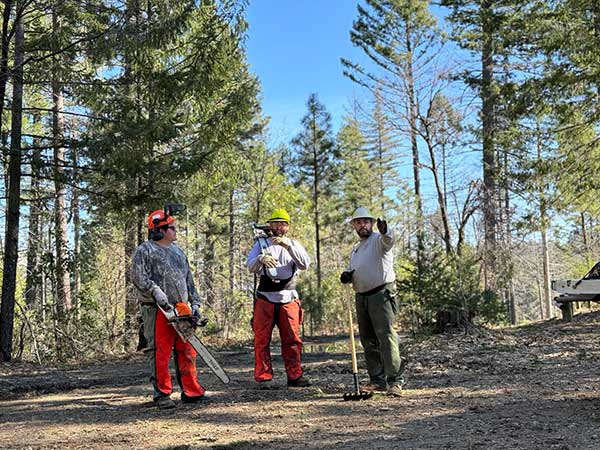
MENDOCINO NATIONAL FOREST, Calif. — Mendocino National Forest staff are reopening off-highway vehicle, or OHV, trails and a campground after a closure lifts on Saturday, March 16, at midnight.
Upper Lake Ranger District OHV trails and the Deer Valley Campground had been closed due to extensive storm damage since mid-February.
Forest leadership mobilized volunteers and staff from recreation, fire, fuels and engineering to help with trail cleanup during the monthlong closure.
One campsite in the Deer Valley Campground will remain closed. A picnic table was destroyed by a fallen tree, and staff plan to restore the site when the ground is drier. Forest staff also continue to clear trails and conduct tread repair.
Forest officials caution visitors to be aware of their environment. Trees may continue to fall, and
trail riders can expect to encounter downed trees on trails.
Roads in the forest can become impassable at any time due to downed trees, rockfall or slides. In higher elevations, roads remain impassable due to snow and ice.
- Details
- Written by: Robert Sanders
BERKELEY, Calif. — The Museum of Vertebrate Zoology, or MVZ, at the University of California, Berkeley, contains more than 300,000 vertebrate specimens — the majority of them reptiles and amphibians — preserved in alcohol and tucked away for current and future generations of scientists who want to study their anatomical and genetic diversity.
Now, those specimens are gradually gaining a new life online as part of an effort by 25 museums across the U.S. to obtain 3D scans of as many vertebrate groups as possible and make them available free to the general public in a searchable database.
A summary of the six-year project, called openVertebrate (oVert), was published this week in the journal BioScience, offering a glimpse of how the data might be used to ask new scientific questions and spur the development of innovative technology.
But scientists aren't the only ones who find the scans useful. Artists have used the 3D models to create realistic animal replicas, photographs of oVert specimens have been displayed as museum exhibits, and specimens have been incorporated into virtual reality headsets that give users the chance to interact with and manipulate them.
Carol Spencer, staff curator of herpetology in the MVZ, has a 3D-printed version of one specimen — the skull of a horned lizard — sitting on her desk. Anyone can access the 3D scans online at MorphoSource, download the data and send them to a 3D printer to produce their own skeletal models.
"You can actually print them and then use them in a classroom. We have lots of people using them for teaching in colleges or high schools," Spencer said.
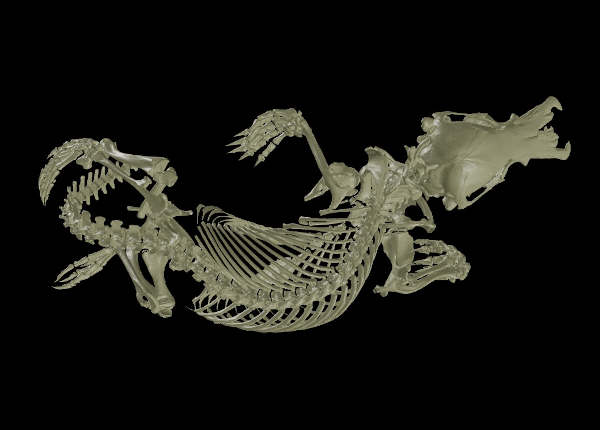
Of the approximately 1,000 MVZ specimens scanned over the past six years through oVert, one — a juvenile Australian platypus, Ornithorhynchus anatinus — is the second most downloaded in the database.
"We've had this platypus in ethanol in a big tank, but it's never been loaned out. The only people who have ever gone to look at this are people that come here to our collection; it's maybe been looked at twice in its entire history here at MVZ. But in six years, it's been downloaded 320 times," Spencer said. "That's a huge expansion of use."
Spencer recently fielded a request from a professor at Towson University in Maryland to download CT scans for a course in which students compare the cranial anatomy of vertebrates and print 3D models for study.
"All of these specimens are gaining sort of a new digital life," said Michelle Koo, the MVZ's staff curator of biodiversity informatics. "Specimens are collected all the time, and museums have to justify taking an animal out of the wild and make sure that it has the highest value possible to current and future research. It's part of our responsibility as curators to seek out and help keep developing these new uses and ways of accessing specimens to make sure that they stay relevant and useful for these new cutting-edge tools."
A new digital life
Between 2017 and 2023, oVert project members led by David Blackburn at the Florida Museum of Natural History captured CT scans of more than 13,000 specimens with representative species across the vertebrate tree of life. These scans included more than half the genera of all amphibians, reptiles, fishes and mammals.
CT scanners use high-energy X-rays to peer past an organism’s exterior and view the dense bone structure beneath. While skeletons make up the majority of oVert reconstructions, a small number of specimens were also stained with a temporary contrast-enhancing solution that allowed researchers to visualize soft tissues, such as skin, muscle and other organs.
The models give an intimate look at internal portions of a specimen that could previously only be observed through destructive dissection and tissue sampling, Blackburn noted.
“Museums are constantly engaged in a balancing act,” he said. “You want to protect specimens, but you also want to have people use them. oVert is a way of reducing the wear and tear on samples while also increasing access, and it’s the next logical step in the mission of museum collections.”
Because CT scans yield a series of slices through the specimen, most of the images on MorphoSource are cross-sections that must be assembled into a 3D rendering that can be spun and manipulated in a 3D viewer. But software that does this is readily available, Koo said.
The CT scans resemble what she laboriously assembled as a graduate student at UC Berkeley in the 1990s, when she was studying the unique skulls of a small group of salamanders. Then, she sliced the bodies into thin sections to study the internal anatomy, but hadn't the ability to assemble them into a 3D picture that people could readily appreciate.
"Today, I might still have to do histology, but now that we have a digital rendering of it, I can send them a picture," Koo said. "It's the same thing that I saw when I was looking under the microscope and trying to explain to people."
Though funding for oVert from the National Science Foundation has ended, many museums are continuing to scan their collections, often focusing on specific groups. Spencer noted that MVZ has over 800,000 total vertebrate specimens, pickled in alcohol or dry, that could potentially be scanned and made available online.
Initially, UC Berkeley didn't have one of the micro-CT scanners used by the oVert group, so the MVZ sent specimens to other institutions for scanning. Integrative biology professor Jack Tseng has since acquired one for projects, such as a study of fish and mammal skulls, within his department.
Spencer regularly sends MVZ specimens to other institutions where ongoing studies require a scan. She and Koo are continuing the scanning work started by oVert in a collaboration with the University of Colorado in Boulder, for example, which is leading a project to CT scan and high-resolution 2D image 1,100 species of Central American reptiles and amphibians. About 80 turtles from the MVZ are being scanned by the University of Michigan Museum of Zoology, while some of the museum's legless lizards and cave salamanders are being scanned at other institutions for a study of their evolution. MVZ director Michael Nachman is CT scanning mice to study the connection between tail length and adaptation to heat, and the role maternal genes play in this adaptation.
"oVert's goal was to try to get one of every genus of vertebrate. But then you don't have all this variability within species," Spencer said. "And so really what we need is huge data sets of multiple animals per species. And the only way we're going to get that is if we convince everyone to make their data public through sites like MorphoSource. So when I mail specimens out to someone, and then they do CT scans, I require them to put those CT scans, when they're done with their research, on MorphoSource so that other people can use them."
oVert was funded with an initial sum of $2.5 million from the National Science Foundation, along with eight additional partnering grants totaling $1.1 million that were used to expand the project’s scope.
Robert Sanders writes for the UC Berkeley News Center.




