 How to resolve AdBlock issue?
News
- Details
- Written by: LAKE COUNTY NEWS REPORTS
Congress expanded it to National Black History Month 50 years later during the nation’s bicentennial celebration at which time then-President Gerald Ford urged the country to “seize the opportunity to honor the too-often neglected accomplishments of Black Americans in every area of endeavor throughout our history.”
On Thursday, the Clearlake City Council presented a proclamation declaring Black History Month, with the Board of Supervisors to present a similar proclamation as well as one to celebrate Martin Luther King Jr.'s Birthday on Tuesday.
The following facts are possible thanks to the invaluable responses to U.S. Census Bureau surveys.
“We appreciate the public’s cooperation as we measure America’s people, places and economy,” the Census Bureau said.
Did You Know?
50,087,750
The Black or African American alone or in combination population in the United States in 2022.
2,237,044
The Black or African American alone or in combination population in California.
1,199
The Black or African American alone or in combination population in Lake County.
90.1%
The percentage of African Americans age 25 and older with a high school diploma or higher in 2022.
30.3%
The percentage of Black or African Americans with a high school diploma or higher in California in 2022.
34.4%
The percentage of the employed Black population age 16 and older working in management, business, science and arts occupations in 2022.
161,031
The number of Black-owned employer businesses in the United States in 2021.
2.0 million
The number of Black civilian veterans in the United States nationwide in 2022.
954
The number of Black veterans in Lake County.
- Details
- Written by: Lake County News reports
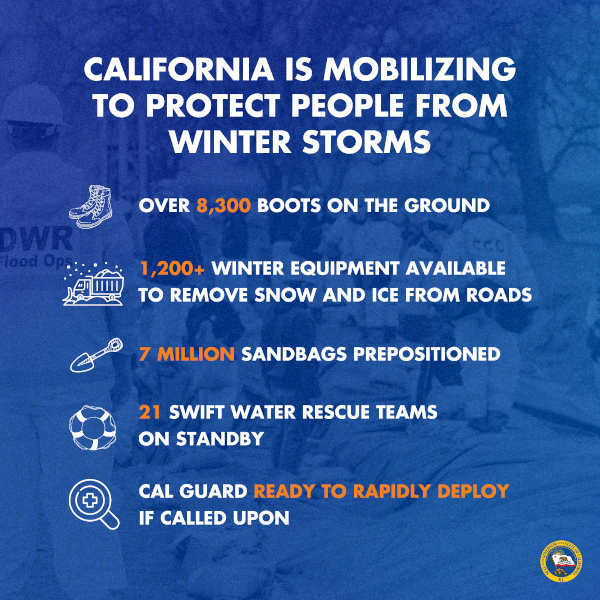
Gov. Gavin Newsom announced that California has mobilized more than 8,300 boots on the ground ahead of the next set of winter storms anticipated to bring serious impacts to much of the state this weekend and into early next week.
In addition to increased personnel, California has activated its State Operations Center, Flood Operations Center, Caltrans Emergency Operations Center and the Medical Health Coordination Center — all coordinating a unified response with our local and federal partners.
The National Weather Service said an atmospheric river will move into California starting early morning on Sunday and will continue through Tuesday and possibly Wednesday.
Heavy rainfall is possible nearly statewide, but the most likely focus will be on coastal central to southern California.
Significant flooding is becoming increasingly likely, including the potential for flooding on roadways, creek and main stem river flooding, mud/rockslides and debris flows.
Additional heavy mountain snowfall is expected across virtually the entire state, with snow levels on Sunday starting as low as 2,500 to 4,500 feet across northern California and 5,000 to 6,000 feet in southern California.
Multiple feet of new snow accumulation are likely in several mountain ranges, and extremely difficult mountain travel conditions are expected.
Periods of strong, gusty winds will likely lead to outdoor property damage, tree damage, and power outages.
California has mobilized 8,300-plus boots on the ground, including:
• Cal OES, through the California Fire and Rescue Mutual Aid System, has deployed more than 550 local government firefighters and support staff, as well as 19 swift water rescue teams, one local government urban search and rescue team, in 19 counties.
• More than 4,000 Caltrans personnel deployed throughout the state.
• California Highway Patrol officers and other personnel are available in impacted regions and can activate limited emergency operations centers.
Cal Fire has prepositioned five hoist-rescue helicopters, two swift water rescue teams, additional four-wheel drive engines and six handcrews.
• The California National Guard is ready to rapidly deploy if called upon. These resources include high-water vehicles, aviation search and rescue assets, military police, general transportation, and heavy engineering equipment units.
• 500 California Conservation Corps members available to support.
The state also has deployed the following equipment:
• 1,200+ pieces of winter equipment from Eureka to El Centro – such as snow blowers, graders and sweepers – are available to remove snow and ice from the highways.
• Caltrans has prepositioned water pumps in flood-prone areas, and is ensuring storm drains are clear of debris, checking portable backup generators, and stocking up on reflective signs in the event of power outages.
• 7 million-plus sandbags prepositioned
• Sheltering and food supplies for 37,000+ people, including cots, blankets, water and food.
Other state efforts include:
• The State Operations Center is activated, whole of state government expertise responding 24/7.
• Community partner phone banking effort making thousands of calls to sign up Californians for local emergency alerts in the most at-risk counties.
• The Flood Operations Center is activated and coordinating flood planning and response. DWR Flood Fight Specialists are also on standby and are patrolling priority levees 24/7. The California Nevada River Forecast Center is in a 24-hour operation, producing updated forecasts every 6 hours throughout the duration of the event.
• State Parks continues to actively monitor the storm’s impacts on state parks and making real-time decisions on closures as needed. As of this morning, California has fully closed 7 state parks and partially closed 6 and have staff on the ground to respond. The public is advised to stay out of the ocean during the storm. For the latest closure information, please visit parks.ca.gov/incidents.
“California has more than 8,300 boots on the ground as we prepare for this next set of serious storms.
All Californians in the storm’s path – especially those in Southern California – should prepare now and follow the guidance of local government officials and first responders.”
Five things you can do to stay safer:
• Stay connected. Dial 311 to get help or ask questions. If you have a critical emergency, call 911. Stay informed by signing up for emergency alerts including warnings and evacuation notices at CalAlerts.org.
• Get your information from trusted sources. Check state and local government or emergency management websites and social media accounts for trusted information specific to your area. Local news outlets and meteorologists are also a good source of information. Be wary of posts from unknown sources on social platforms or from online ‘experts’ without credentials.
• Prepare for high winds. Before a high wind event: remove any dead trees or overhanging branches near structures, remove loose roofing material, bring in unsecured objects from patios and balconies, secure outdoor objects that could blow away, shutter windows securely and brace outside doors. During a high wind event: take cover next to a building or under shelter, stay away from windows, stay clear of roadways and train tracks, avoid elevated areas such as roofs, watch for flying debris.
• Travel safely. Avoid non-essential travel during the peak of the storm expected Sunday and Monday. If you must drive, download the QuickMap app or visit QuickMap (ca.gov) to learn up-to-the-minute information on road conditions, traffic, closures, and more. Do not walk, swim or drive through flood waters. Turn Around, Don’t Drown! Remember, just six inches of moving water can knock you down, and one foot of moving water can sweep your vehicle away.
• Be ready in case of power outages. Take inventory of the items you need that rely on electricity. Keep your devices charged. Plan for batteries and other alternative power sources to meet your needs if the power goes out such as a portable charger or power bank. Have flashlights for every household member.
Get more tips here.
Additional resources
Storm Season Safety Guide: the state is sharing multilingual resources, deploying a network of community-based organizations through the Listos California campaign, and highlighting other work underway to protect at-risk communities this rainy season.
Prepare Yourself through Texts: Californians can sign up for a 5-lesson text message course through Listos California on what to do before, during and after floods, high winds, debris flows and other storm impacts. This course is available in English, Spanish, Hmong and Punjabi. Text “CAWINTER” to 20202 via SMS to sign up.
Visit National Weather Service for current weather patterns in your area.
- Details
- Written by: Megan MacDonald, Oregon State University
“Teen with special needs makes thrilling buzzer beater shot.”
“Special needs student offered shot of a lifetime.”
“High school basketball manager gets his time on the court.”
These inspirational headlines may sound familiar. They highlight brief but exhilarating moments of disabled students in sports.
They represent what’s commonly referred to in the disability community as “inspiration porn,” but they often miss an injustice that deserves far more attention. Student athletes with disabilities are sidelined or, even worse, never granted the opportunity to try out, even though they gained equal rights to extracurricular activities such as school sports more than 50 years ago.
The Rehabilitation Act of 1973 prohibits discrimination on the basis of disability. As a professor who studies sport and physical activity participation of children with disabilities, it’s clear to me that this public law has been misinterpreted for more than 50 years, in ways that deny students equal opportunities.
Clarifying the issue
Just over 10 years ago, the U.S. Department of Education had to broadly issue a “Dear Colleague” letter to schools across the country to communicate and clarify their responsibilities under the act. In other words, school districts had to be reminded not to generalize information about students with disabilities based on stereotypes.
Section 504 of the act says students with disabilities must receive the same equal rights and opportunities afforded to their peers without disabilities in extracurricular activities such as school sports. It further states that school districts should work directly with athletic associations to ensure that students with disabilities are granted an equal opportunity to participate.
The precedent for this broad-stroke communication came from a U.S. Government Accountability Office report, which found that disabled students were not afforded equal opportunities to participate in school sports, including club, intramural or interscholastic. The content in the letter wasn’t new information – it clearly reiterated key components of Section 504, reminding school districts not to act on generalizations or stereotypes of disability. It also provided examples about how to ensure equal opportunities for disabled students.
So where do things stand now?
Participation rates unclear
Students with disabilities make up 15% of U.S. public school students, which is about 7.3 million K-12th graders. It’s impossible to know if the “Dear Colleague” letter made a difference, because there still isn’t much data on this issue.
Data on the general makeup of school sports teams or intramural activities is lacking, despite the fact that research shows participating has physical, social, academic and mental health benefits.
As someone who sees students with disabilities and their families on a regular basis, the stories I hear haven’t changed. Students with disabilities are still put in so-called manager roles or aren’t taken seriously when they express an interest in interscholastic sports.
A recent conversation with a parent echoed the stagnant nature of this subject: “It was just never presented as an option. If we knew more, we may have been able to help facilitate (participation in sports), but it just didn’t come up …”
The U.S. Department of Education’s Office for Civil Rights is responsible for enforcing Section 504. Since 2013, civil rights lawsuits still arise. While these lawsuits often are resolved in favor of the student, they can be finalized or settled long after the egregious act. In other words, the legal action doesn’t always have immediate effects on the student athlete.
What can be done
While schools and their administrators have a responsibility to implement the 1973 Rehabilitation Act, there’s a collective public responsibility to ensure equal access and to uphold civil rights laws. There are tangible ways to start making changes now.
For starters, coaches should practice inclusive recruiting efforts for all school sporting activities, including direct outreach to disabled students. School districts can ensure training opportunities for all coaches and athletics directors focused on the best inclusive coaching practices.
I envision a future where headlines will reflect diverse teams, strengths of the student athletes and equal opportunity. Ignoring the civil rights of students with disabilities devalues their athletic skills. It’s also a violation of children’s civil rights. It shouldn’t take another 50 years for students with disabilities to get into the game.
Megan MacDonald, Professor of Kinesiology and School Head, School of Exercise, Sport, and Health Sciences, Oregon State University
This article is republished from The Conversation under a Creative Commons license. Read the original article.
- Details
- Written by: Elizabeth Larson
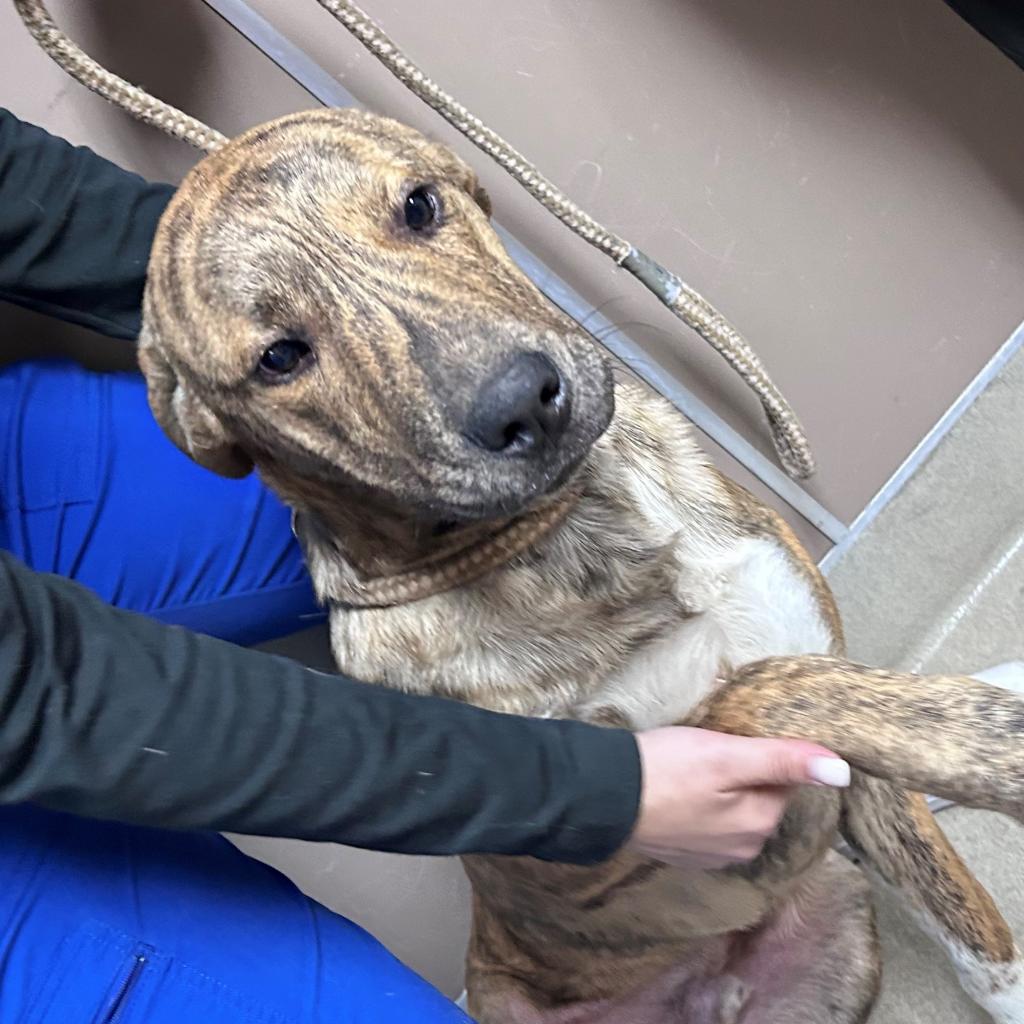
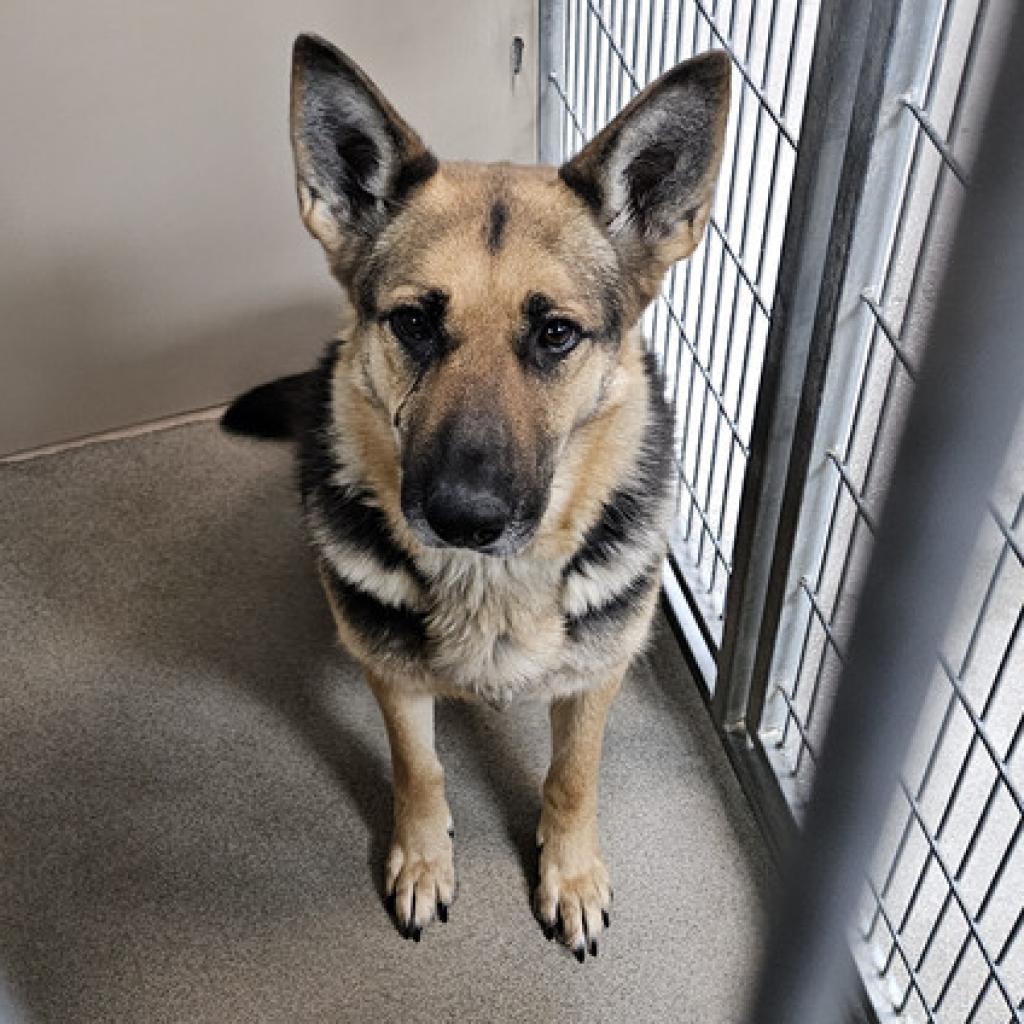
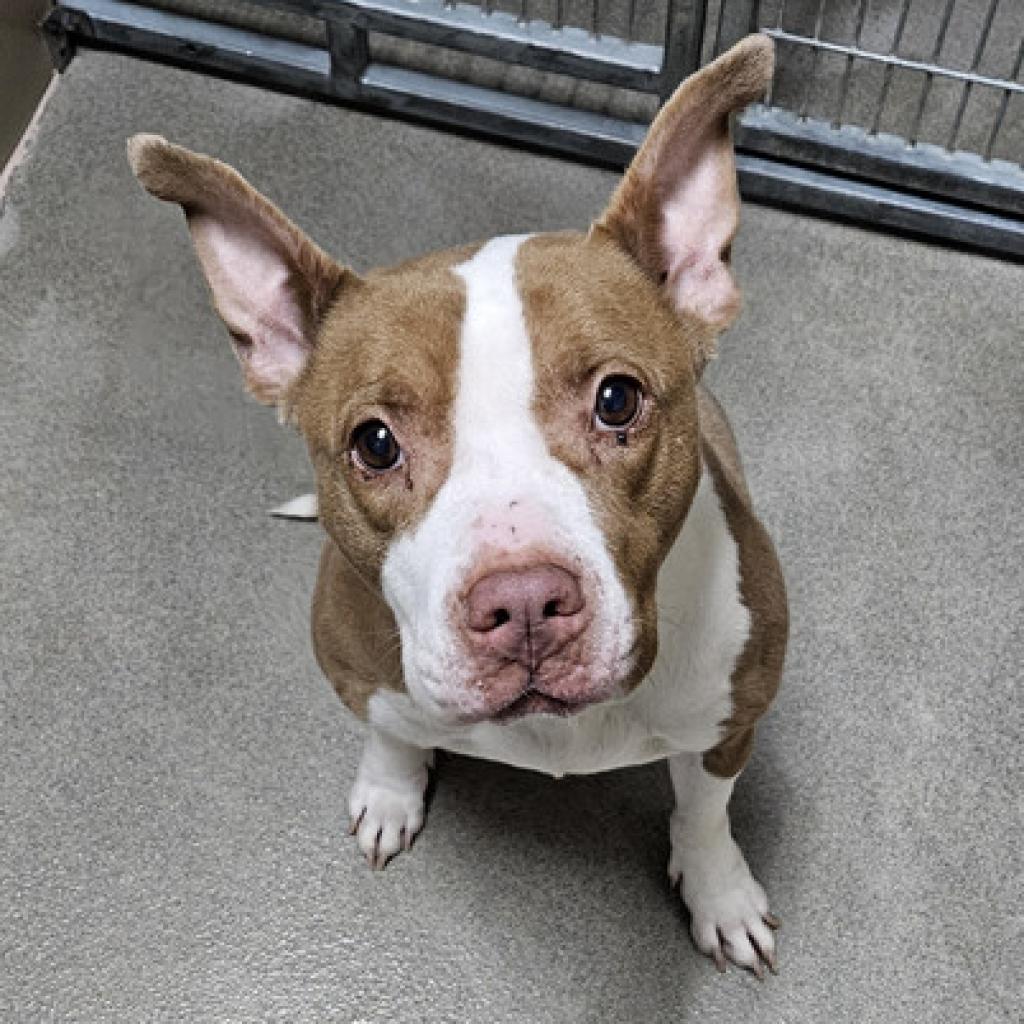
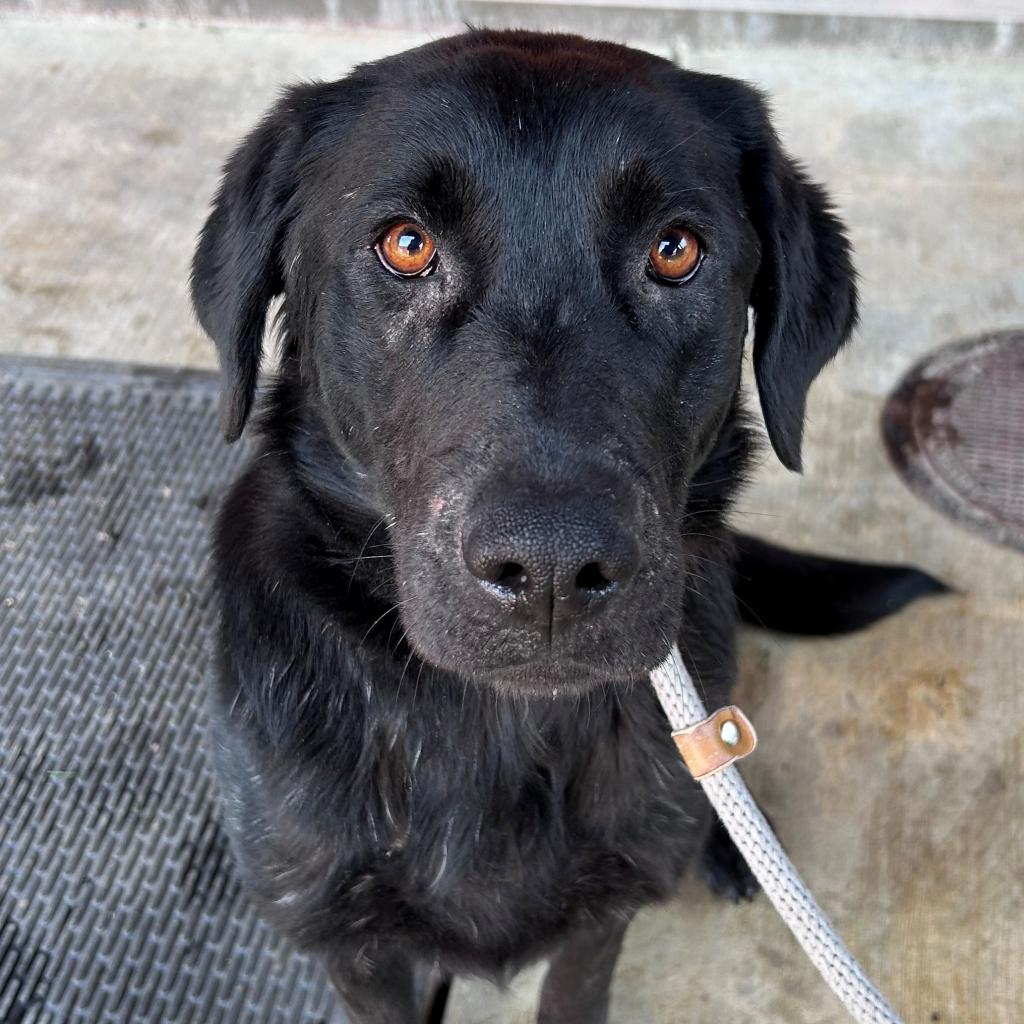
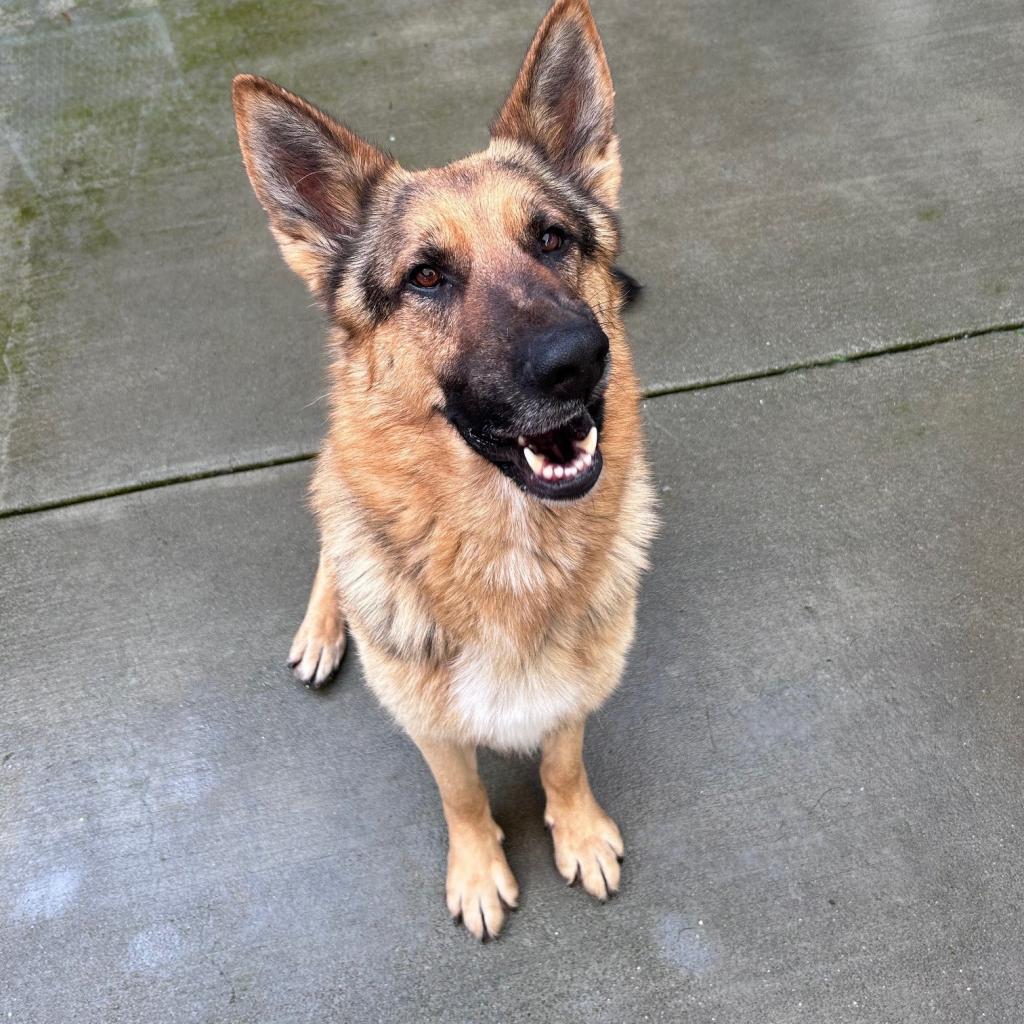
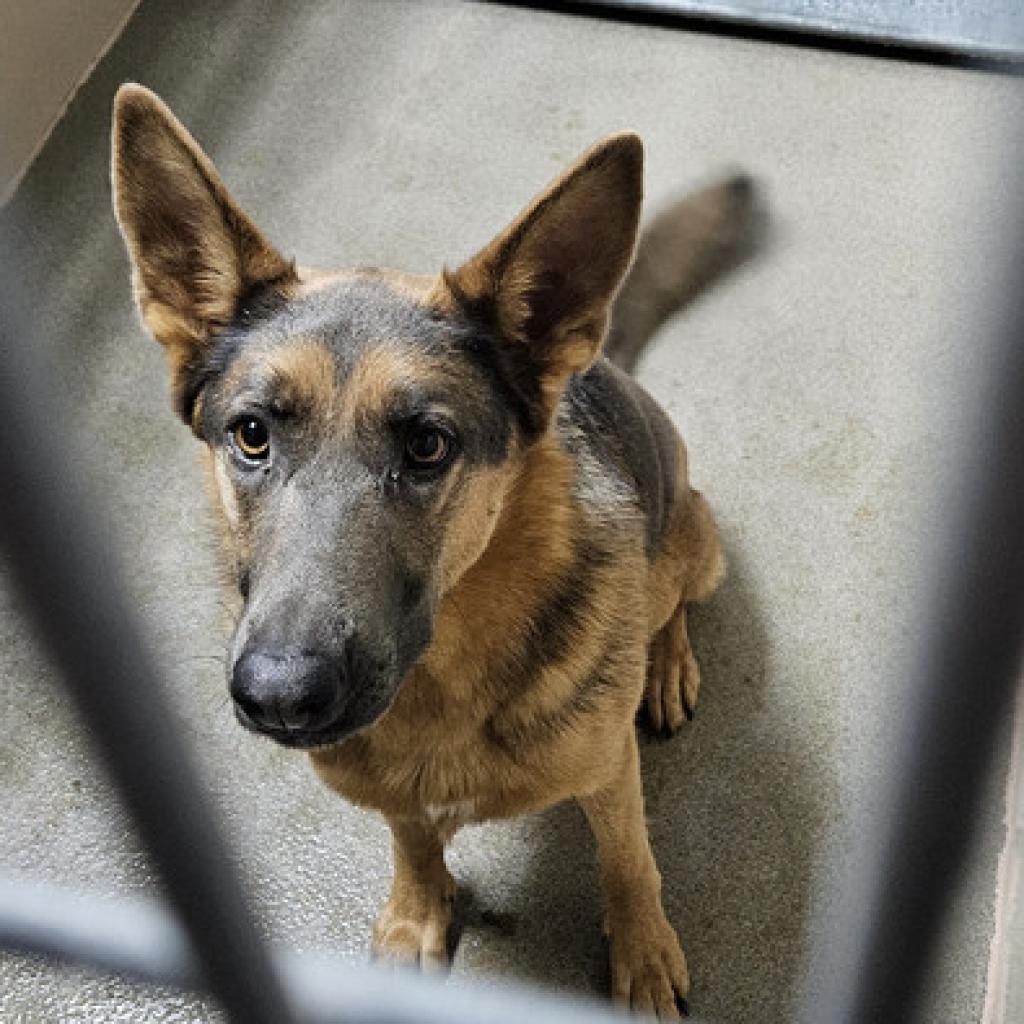
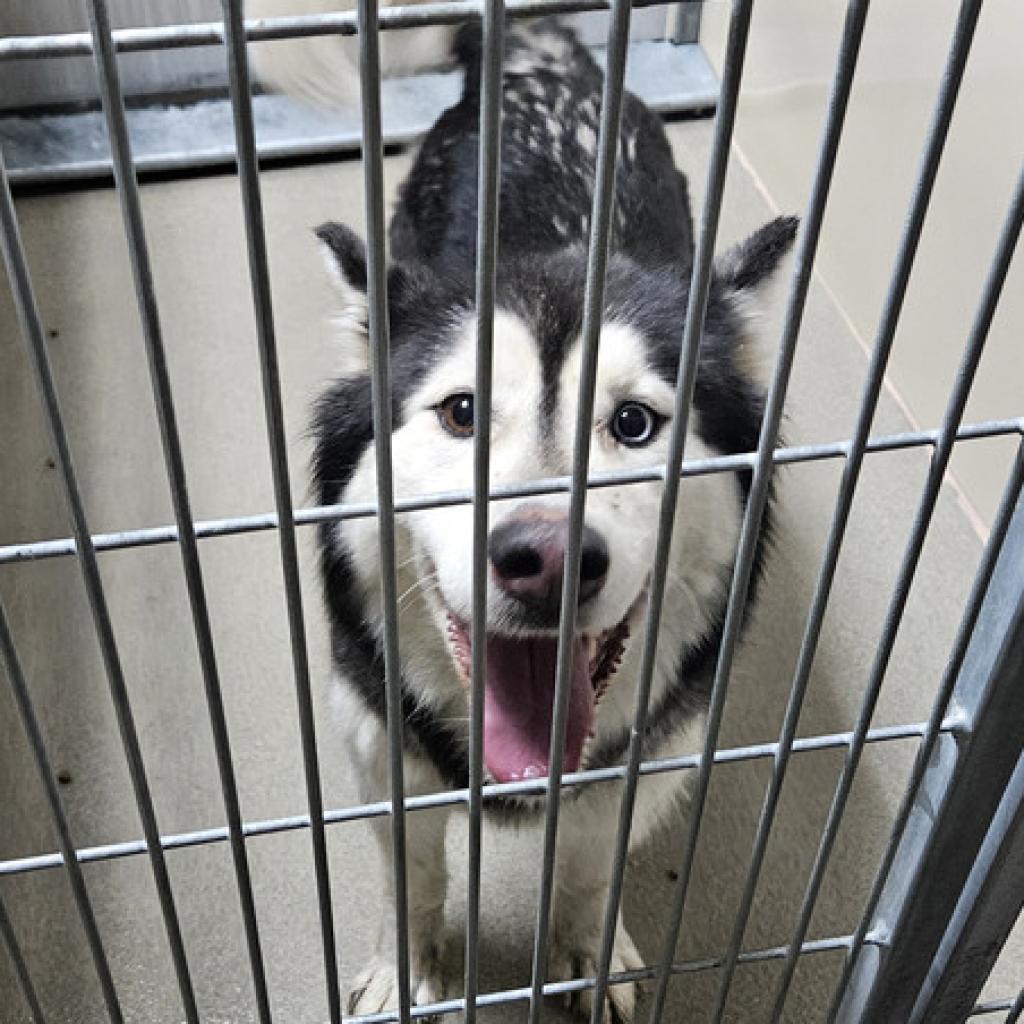
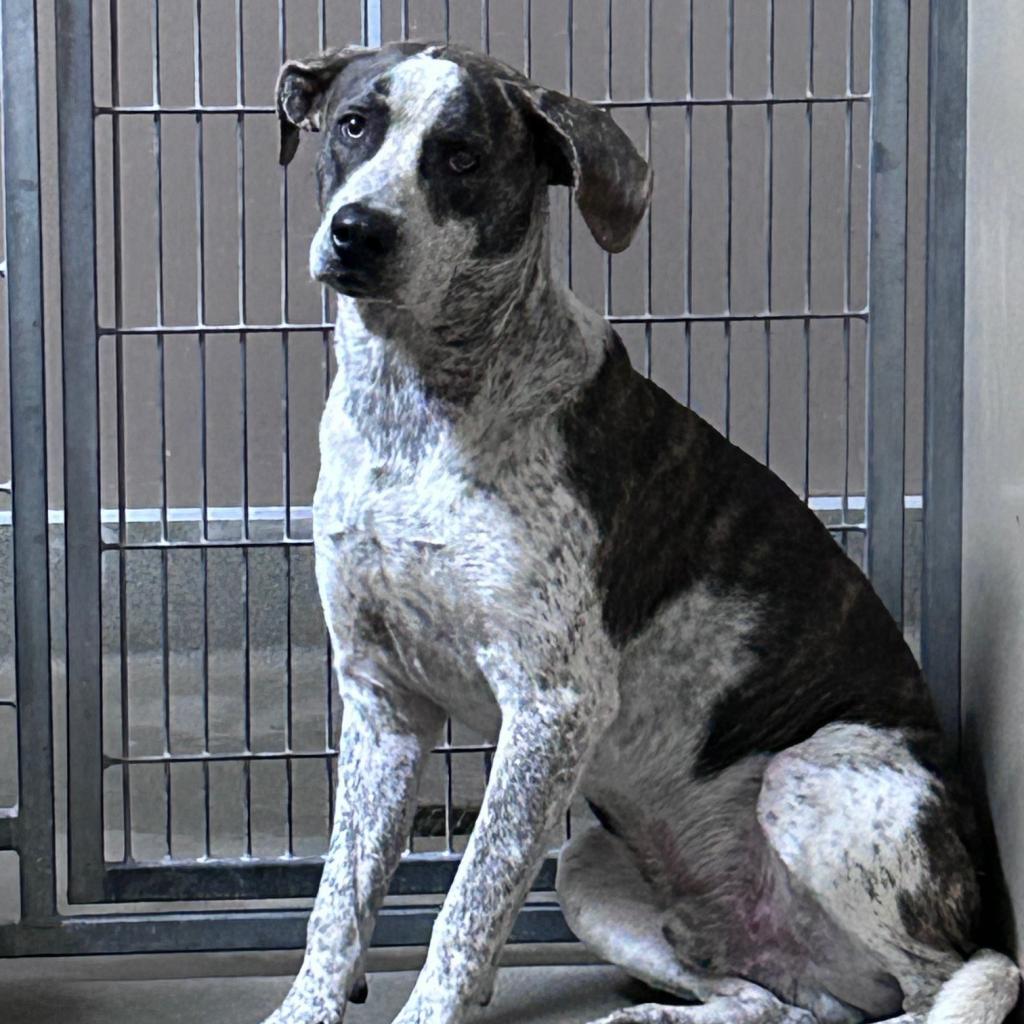
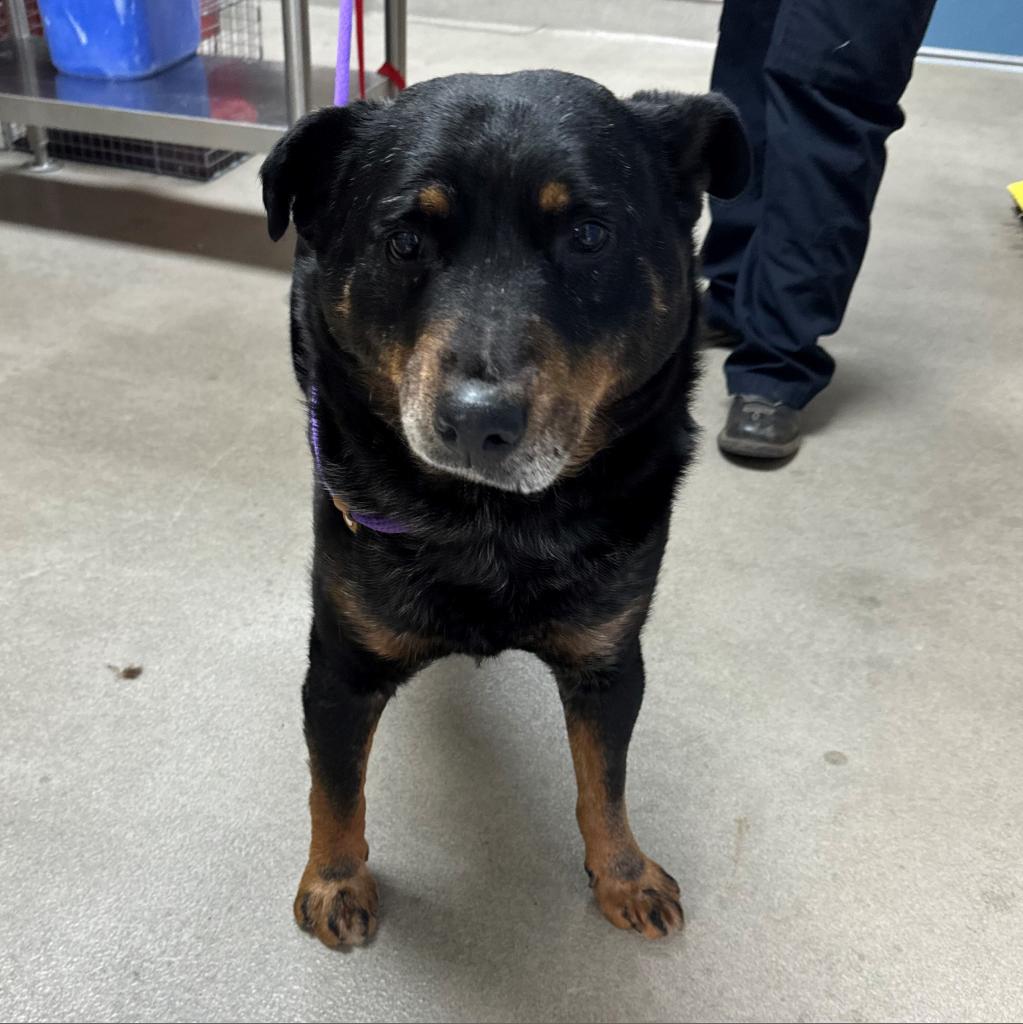
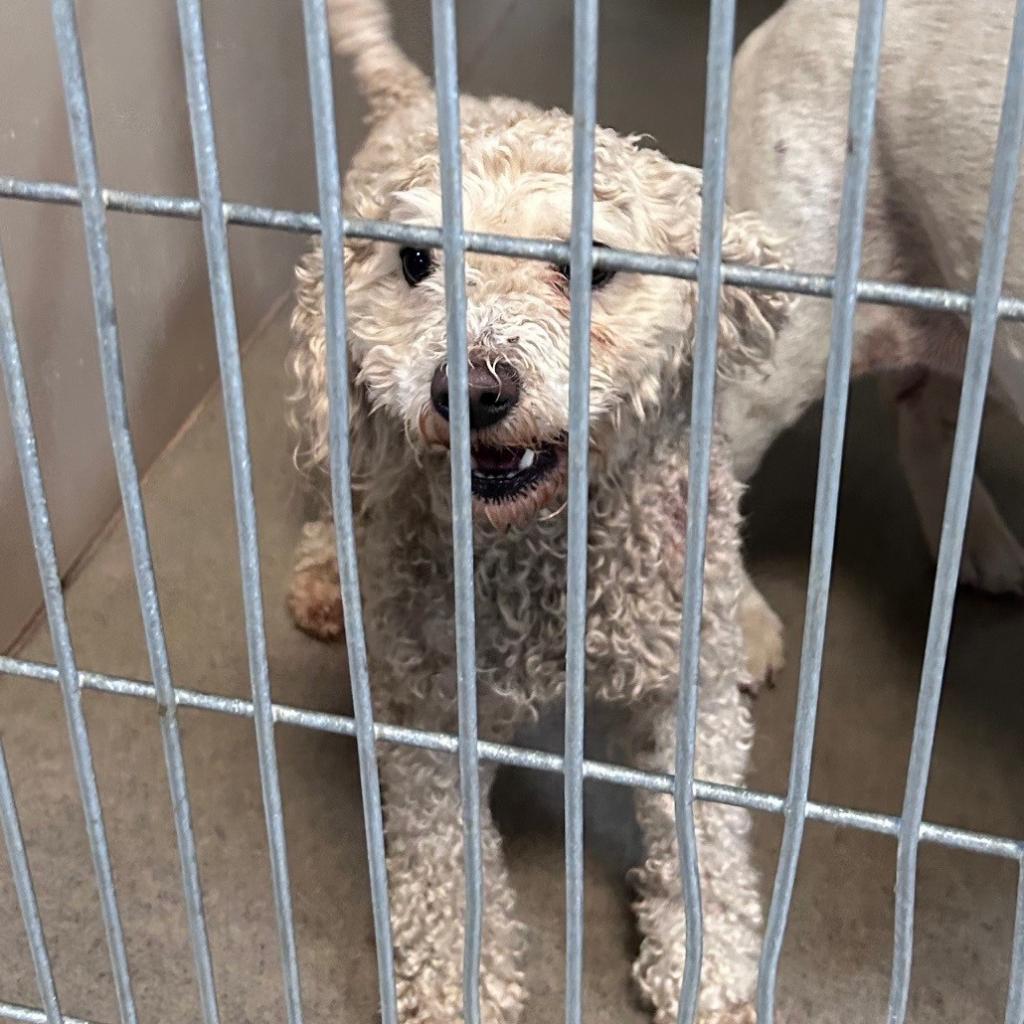
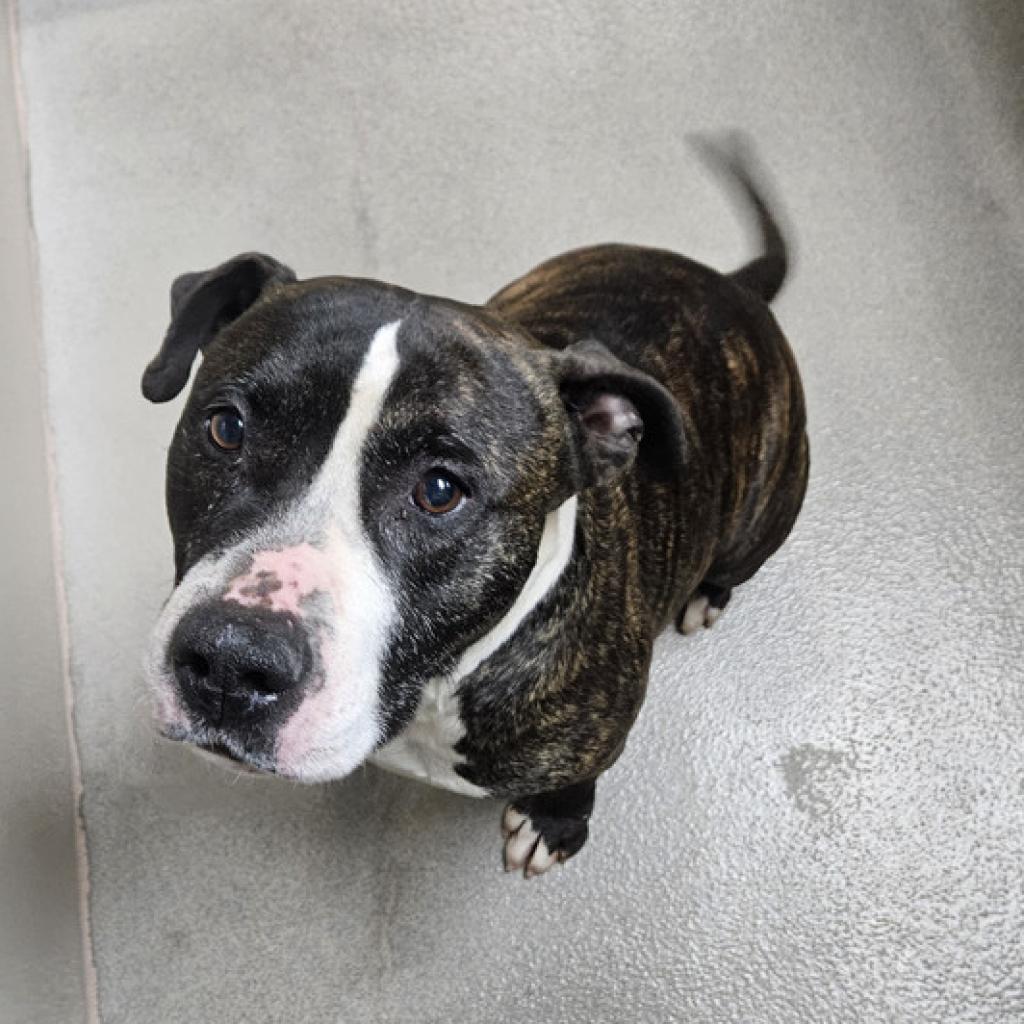
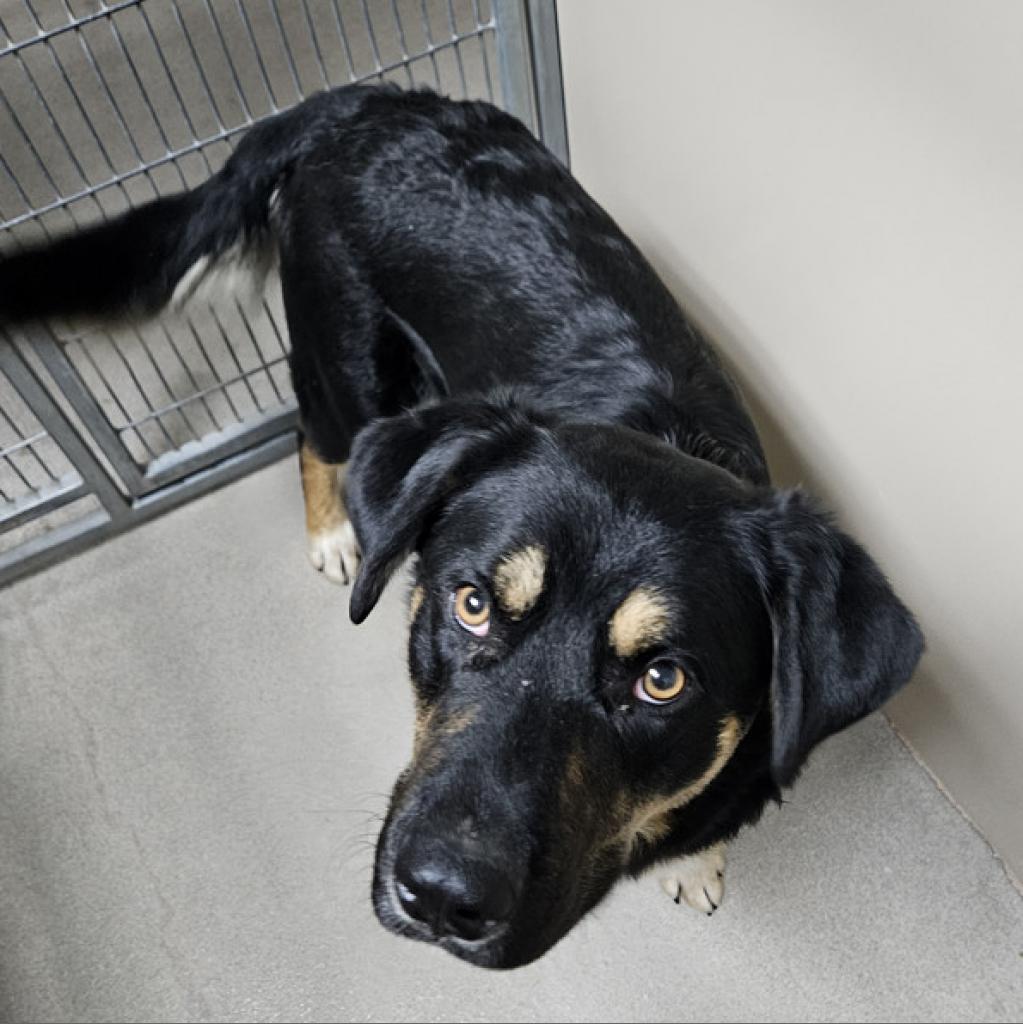
Dogs available for adoption this week include mixes of Alaskan husky, Australian cattle dog, Australian shepherd, border collie, boxer, bulldog, chihuahua, Doberman pinscher, English bulldog, German shepherd, hound, Labrador retriever, pit bull, poodle, Queensland heeler, Rottweiler, shepherd and terrier.
Dogs that are adopted from Lake County Animal Care and Control are either neutered or spayed, microchipped and, if old enough, given a rabies shot and county license before being released to their new owner. License fees do not apply to residents of the cities of Lakeport or Clearlake.
Those dogs and the others shown on this page at the Lake County Animal Care and Control shelter have been cleared for adoption.
Call Lake County Animal Care and Control at 707-263-0278 or visit the shelter online for information on visiting or adopting.
The shelter is located at 4949 Helbush in Lakeport.
Email Elizabeth Larson at




















- Space News: Orbital resonance − the striking gravitational dance done by planets with aligning orbits
- Incoming ‘pineapple express’ storm leads to flood watch; Clear Lake’s level continues to rise quickly
- Are social media apps ‘dangerous products’? 2 scholars explain how the companies rely on young users but fail to protect them




