How to resolve AdBlock issue?
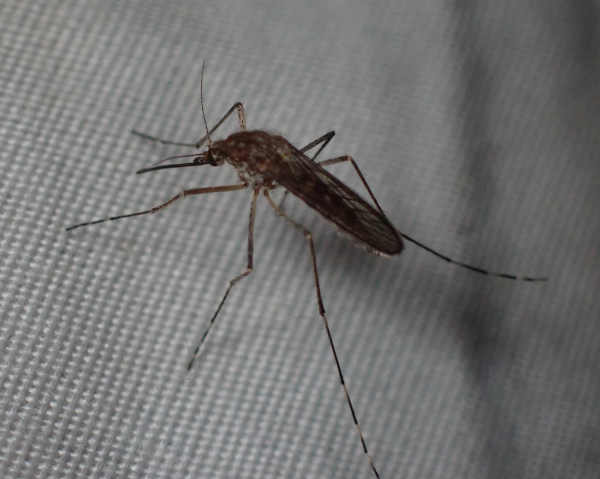
LAKEPORT, Calif. – To reduce the population of aggressive biting mosquitoes this spring, the Lake County Vector Control District said it will conduct aerial larvicide treatments across several key marshland areas.
The treatments will begin on Monday, March 2.
Following recent heavy rains, the district’s winter surveillance program identified a high density of mosquito larvae in flooded marshlands along the perimeter of Clear Lake.
These mosquito larvae are called Aedes increpitus — an early-season "floodwater" mosquito known for its aggressive biting behavior.
“As temperatures rise, these larvae will emerge as adults that can significantly impact the quality of life for residents and visitors,” Dr. Jamesina Scott, district manager and research director of the Lake County Vector Control District, explained. “By treating these areas now, we can stop the surge before it starts.”
Treatment schedule and locations
The primary applications will take place during daylight hours on Monday, March 2, targeting marshlands adjacent to the lake between Clear Lake State Park and Lakeport, parts of Anderson Marsh State Park, a small section east of Clearlake Oaks and a small area near Bridge Arbor South in north Lakeport.
Additional precision applications via drone are scheduled for Thursday, March 5, and Friday, March 6.
Residents should note that dates are subject to change based on weather conditions. Real-time updates will be posted at www.lcvcd.org.
Safety and environmental impact
The district will utilize VectoBac GS, a biological larvicide derived from Bacillus thuringiensis israelensis, or Bti, a naturally occurring soil bacterium.
• Targeted control: Bti specifically targets mosquito larvae and does not harm plants, animals, or beneficial insects.
• Eco-friendly: The formulation consists of biodegradable corncob granules that break down rapidly in the environment.
• Minimized drift: The solid granule form ensures the product remains in the intended aquatic habitat, minimizing any drift to adjacent properties.
What residents can expect
Most applications will be performed by a low-flying yellow airplane. While the district said it aims to minimize disruption, residents near the treatment zones may experience brief periods of noise.
“The Lake County Vector Control District remains committed to using the safest and most effective methods to protect public health,” the agency said in its announcement.
Safety data sheets and product labels are available on the district’s website.