 How to resolve AdBlock issue?
Earthquake Brace + Bolt Grant Program opens again for 2025 applications; grant program expands to rentals
The California Residential Mitigation Program, or CRMP, has announced its second Earthquake Brace + Bolt grant registration period for 2025, running from Aug. 20 through Oct. 1.
For the first time, this open registration expands eligibility to include non-primary residential properties, giving landlords and other property owners the opportunity to apply for seismic retrofit grants to strengthen wood-framed, homes built before 1980 with raised foundations against earthquake damage.
Following the successful registration of nearly 19,000 homeowners during the January registration period, CRMP is initiating a second registration phase.
With more than 1,100 eligible ZIP Codes across the state — including 303 added earlier this year — qualified homeowners can apply for grants of up to $3,000 to help cover the cost of bolting houses to their foundations and bracing crawl space walls.
In Lake County, this applies to residents in the following ZIP Codes: 95451, 95423,95443, 95467, 95452, 94939, 95458, 95459, 94941, 95464, 95485, 95493, 95493.
The full list of ZIP Codes can be found here.
These seismic retrofit upgrades help to reduce earthquake damage and provide more resilient housing in high-risk areas.
More than $20 million in grant funding will be available to help offset the cost of seismic retrofits.
Since the 2013 Earthquake Brace + Bolt, or EBB, program launch, more than 32,500 California homeowners have received grant assistance for strengthening their homes against earthquake damage.
The EBB grant program is administered by CRMP, a Joint Powers Authority between the California Earthquake Authority and the California Governor’s Office of Emergency Services.
“Offering a second registration period this year is a valuable opportunity in helping us meet the strong demand we’ve seen for earthquake retrofit assistance,” said Janiele Maffei, chief mitigation officer, California Earthquake Authority. “By opening eligibility to include non-owner-occupied residential properties, we are helping ensure more of California’s older homes, including rentals, can be strengthened against earthquake damage. Retrofitting is one of the most effective ways to reduce the risk of severe damage in a major quake, protecting both residents and the communities they call home.”
Income-eligible homeowners may also qualify for supplemental grants. Up to $7,000 in additional grant funds are available for households with an annual income at or below $89,040, which may provide up to 100% of the funds needed to cover a seismic retrofit. Grants are contingent upon meeting eligibility requirements and available funds.
“Earthquake retrofits create a safer and more resilient California. Expanding retrofit grants to rental properties means CRMP will provide even greater protection for California’s housing stock and the families who call these properties ‘home,’” said Tom Welsh, chief executive officer of the California Earthquake Authority. “Each retrofit brings us one step closer to a better-prepared California.”
Through Oct. 1, 2025, eligible homeowners can apply for a retrofit grant at EarthquakeBraceBolt.com, where they can also find detailed program information, select a trained California- licensed general contractor and view the full list of ZIP Codes and program areas.
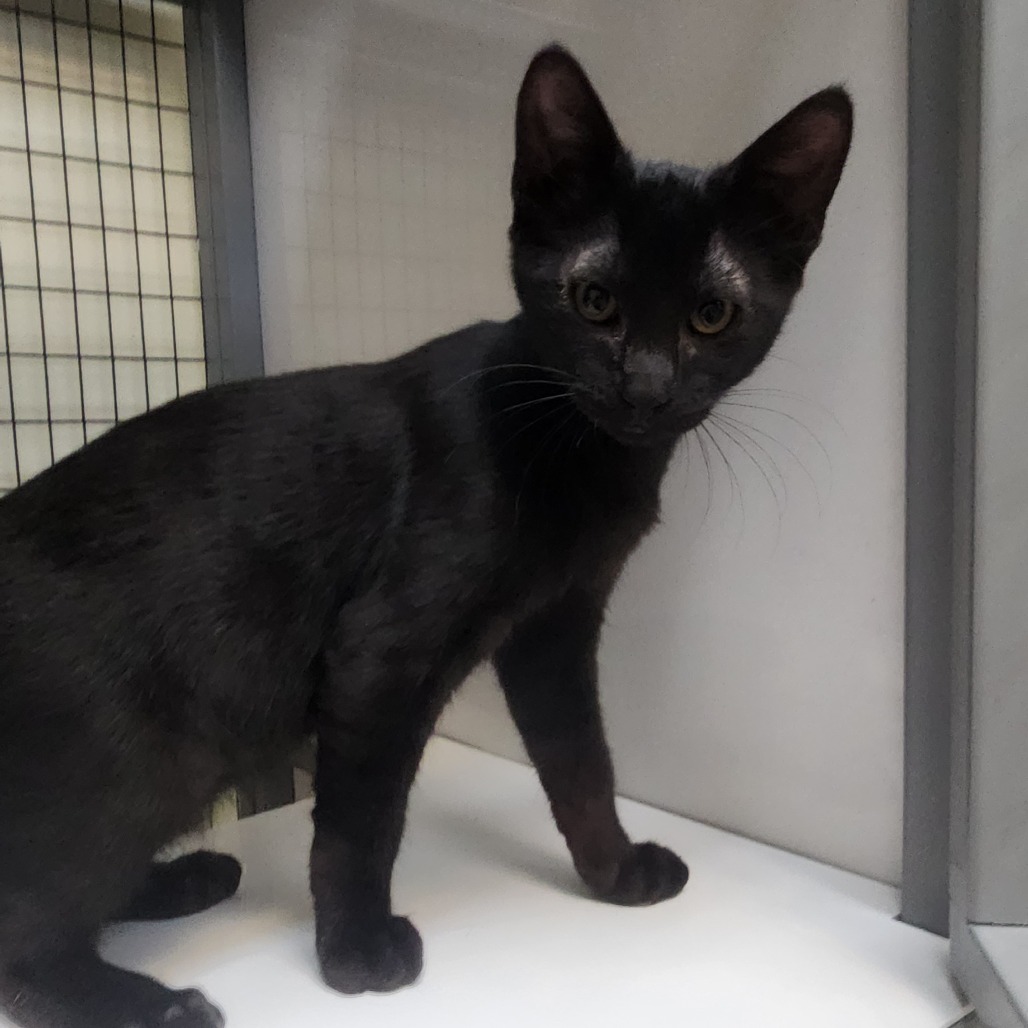
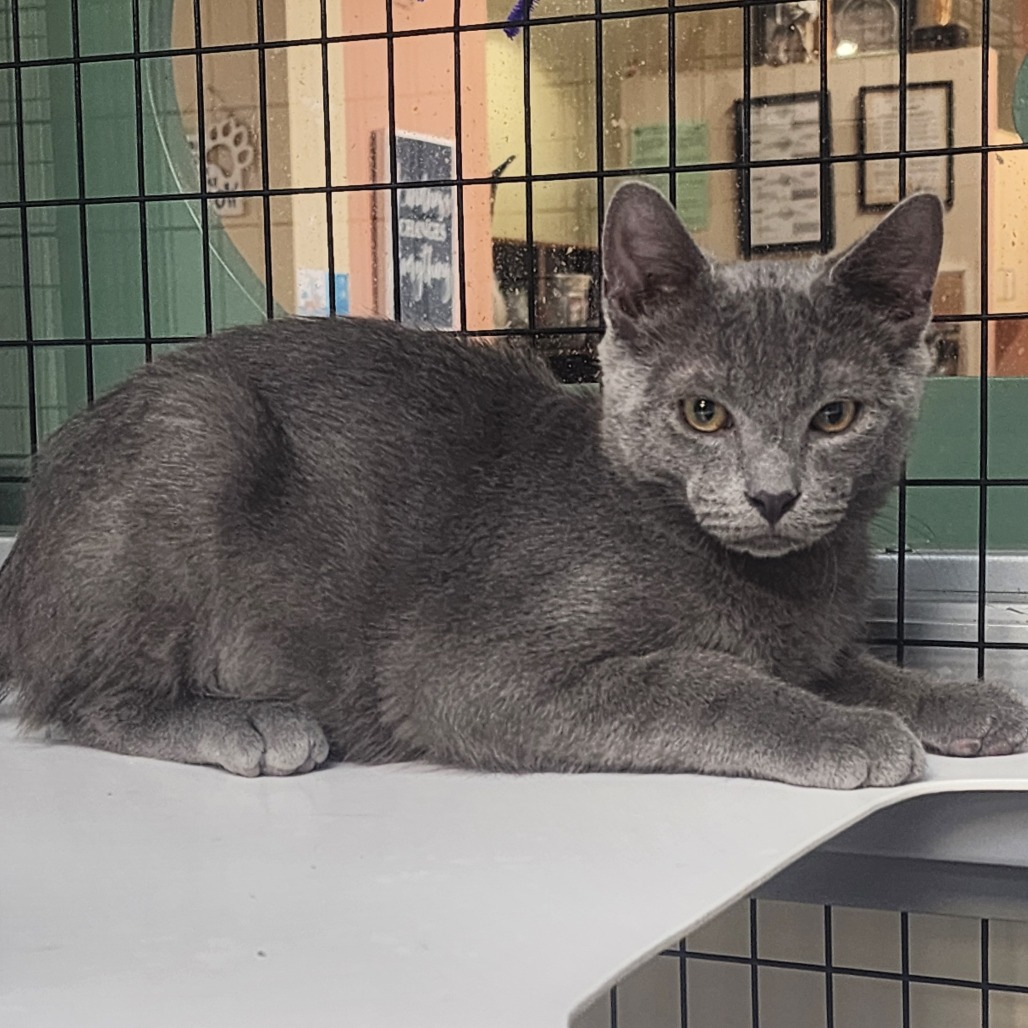
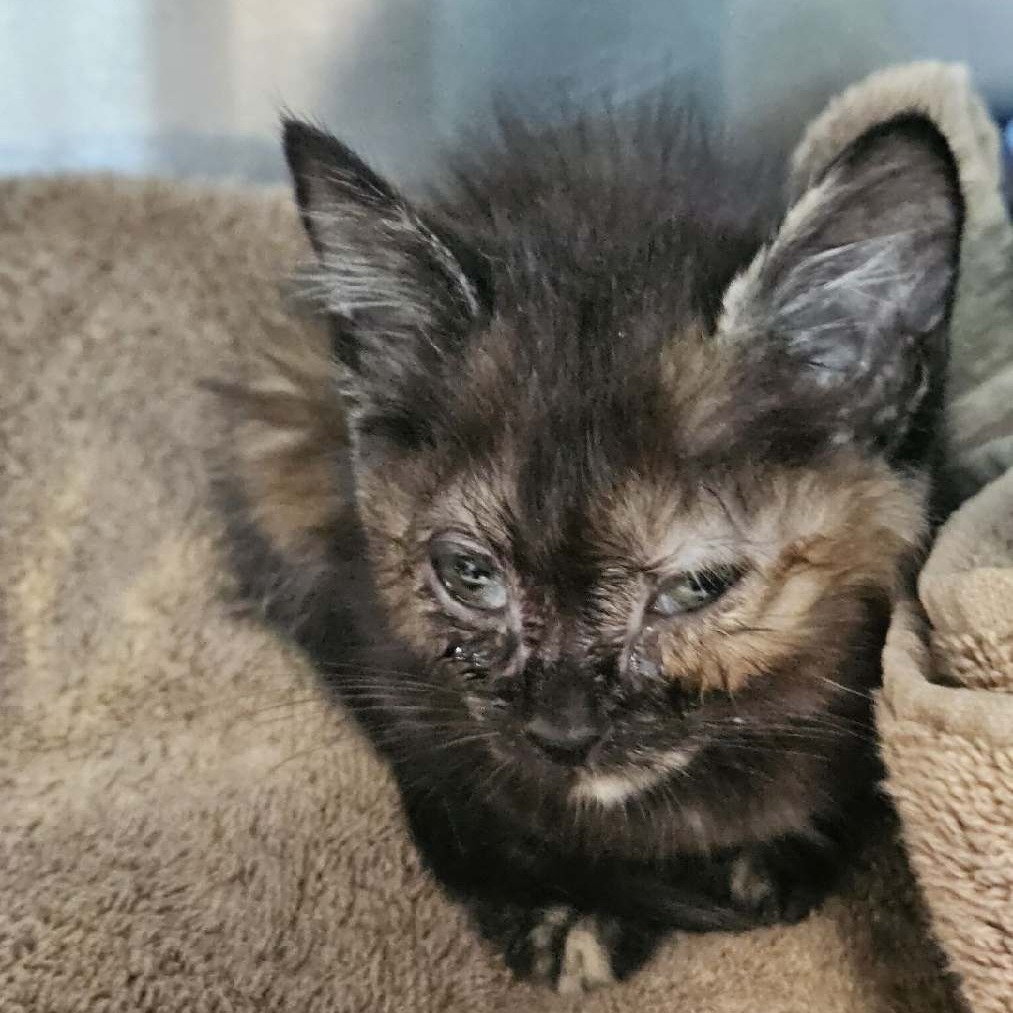
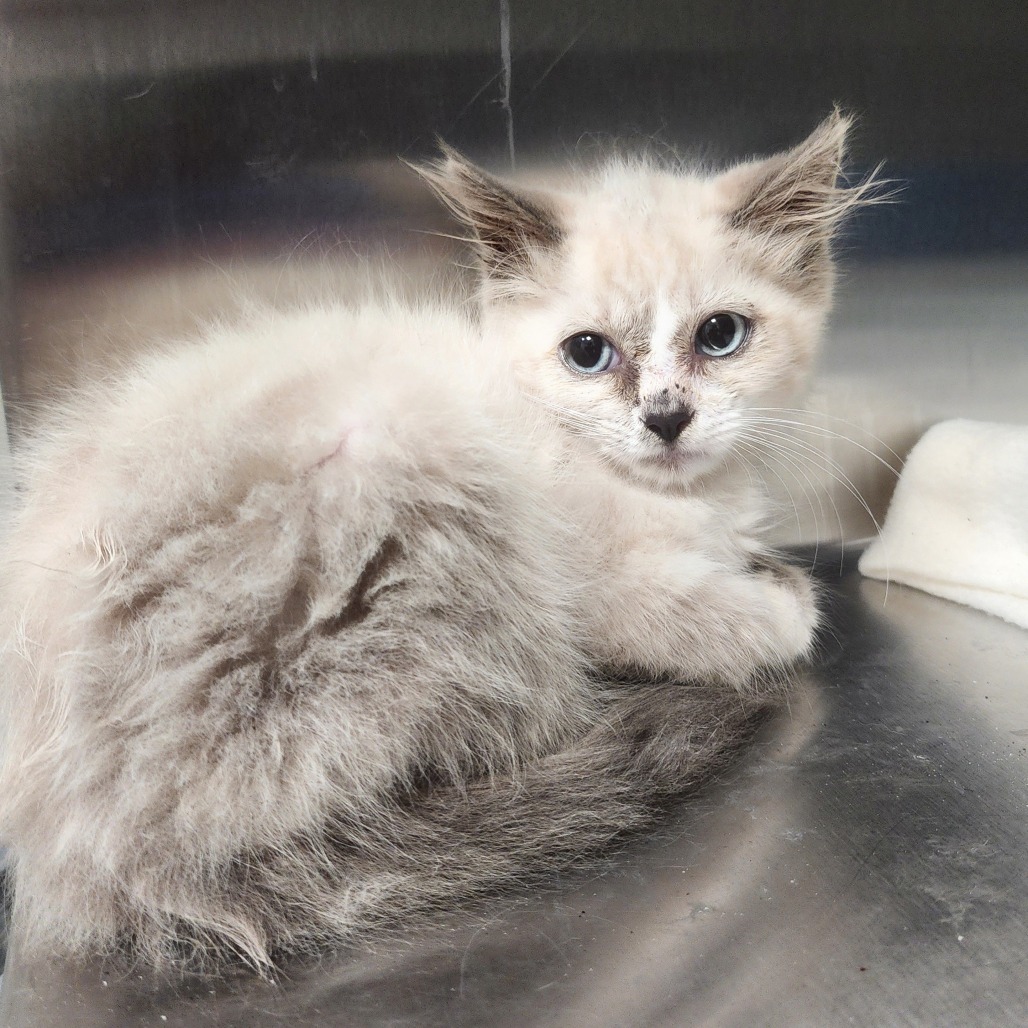
Purrfect Pals: This week’s adoptable cats and kittens
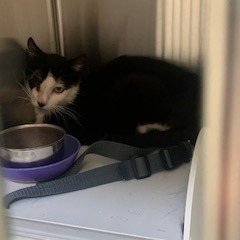
LAKE COUNTY, Calif. — Lake County Animal Care and Control has many summer kittens waiting for homes.
The kittens and cats at the shelter that are shown on this page have been cleared for adoption.
Call Lake County Animal Care and Control at 707-263-0278 or visit the shelter online for information on visiting or adopting.
The shelter is located at 4949 Helbush in Lakeport.
Email Elizabeth Larson at




Valley fever cases continue to rise in 2025 following record high in 2024
Valley fever, also known as coccidioidomycosis or “cocci,” is caused by a fungus that grows in the soil and dirt in some areas of California.
Valley fever is named after the San Joaquin Valley of California where it is most common. It can cause symptoms that look like COVID-19 or flu. Valley fever can also cause serious lung infections like pneumonia.
People who live, work, go to school, or travel in areas where Valley fever is common are at risk of becoming sick.
Although most people with Valley fever get better on their own and don’t need treatment, for some people it can become severe, chronic, or even fatal without care.
As part of its mission to protect the health of all Californians, the California Department of Public Health, or CDPH, is reminding California residents and visitors that Valley fever risk remains high in 2025.
While Valley fever can occur at any time of the year, most people who get Valley fever breathe in the fungus in the late summer and fall and then get sick one to three weeks later.
“California had a record year for Valley fever in 2024 and, so far, case counts are high in 2025. Valley fever is a serious illness that’s here to stay in California. We want to remind Californians, travelers to California, and their healthcare providers to watch for signs and symptoms of Valley fever to help detect it early," said CDPH Director and State Public Health Officer Dr. Erica Pan. “If you have been sick with symptoms like cough, fever, trouble breathing, and tiredness for more than 7 to 10 days, please talk to a healthcare provider about Valley fever, especially if you've been outdoors in dusty air in the Central Valley or Central Coast regions."
Valley fever is on the rise in California with over 5,500 provisional cases reported through the first six months of 2025.
In 2024, California reported nearly 12,500 cases, the highest year on record for California and a significant jump from the 7,000-9,000 cases reported annually from 2017 through 2023.
Rates of Valley fever continue to be highest in the southern San Joaquin Valley region of California, but cases have been increasing in other areas such as the northern Central Valley and the Central Coast.
Research suggests the rise and spread of Valley fever may be linked to changes in climate. Wet winters after droughts help the fungus grow, and dry, windy weather in the following summer and fall can help the fungus get into the air. Increases in dirt-disturbing activities, like construction in high-risk areas, may also contribute to more Valley fever being reported.
What you can do: People and pets can get Valley fever by breathing in dust from outdoor air that contains the Valley fever fungus. Valley fever is not contagious and cannot spread from one person or animal to another.
If you live, work, go to school, or travel in areas where Valley fever is common, some practical tips to reduce your chances of getting Valley fever include:
•When it is windy outside and the air is dusty, stay indoors and keep windows and doors closed.
•When driving through a dusty area, keep car windows closed and use recirculating air, if possible.
• Before digging, wet down soil and dirt to prevent stirring up dust into the air.
• Consider wearing a properly fitted N95 respirator (mask) if you must be in dusty air outdoors in these areas.
Valley fever can be difficult to prevent. Valley fever can also be hard to recognize and diagnose because it can look like other common respiratory infections. Know the signs and symptoms.
Consider asking your doctor or healthcare provider about Valley fever if you are concerned, especially if you have:
• Symptoms like cough, fever, night sweats, trouble breathing, chest pain, and exhaustion for more than 7-10 days
• Lived, worked, gone to school, or traveled in areas where Valley fever is common in the weeks or months before getting sick
• Been around a lot of dirt or dust outdoors, including working outdoors, in the weeks or months before getting sick. Outdoor work can include construction, agricultural work, and wildland firefighting (which may involve digging and moving soil to control fires during fire season).
Only a doctor or healthcare provider can diagnose someone with Valley fever (which usually involves blood tests or other laboratory tests) or determine if a person needs treatment for Valley fever. Patients with severe Valley fever may require hospitalization and may experience lifelong symptoms. In some cases, Valley fever can be fatal.
Even young, healthy people can get sick with Valley fever, but certain factors can increase a person's risk of getting severe Valley fever including being an older adult (60+ years old), having diabetes or a condition that weakens the immune system, or being pregnant. People who are Black or Filipino also have been noted to have a higher risk of severe disease from Valley fever, which may relate to underlying health conditions, health inequities, or other causes.
Know your risk and ask your doctor or healthcare provider about Valley fever if you are concerned. For more information on Valley fever, please visit CDPH's Valley fever website.
Firefighters stop fast-moving Sky fire
LAKE COUNTY, Calif. — Firefighters on Sunday stopped a fast-moving wildland fire near Lower Lake that at one point triggered evacuations.
The Sky fire began shortly before 3 p.m. Sunday at Sky High Ridge Road and Morgan Valley Road.
Initial reports said it was burning in grass and moving into brush, with a rapid rate of spread.
Lake County Fire Protection District and Cal Fire were in unified command on the incident, and Cal Fire brought in air resources such as air attack, tankers and helicopters that worked with dozers, engines and crews.
Some resources from the Pickett fire in Napa County were redirected to the Sky fire at one point, according to radio traffic.
Evacuation warnings and orders in the immediate vicinity were in effect for a short time on Sunday afternoon.
By early Sunday evening, the fire had burned just under 19 acres and was 80% contained.
Cal Fire said in a Sunday evening report on social media that firefighters were continuing to work on strengthening containment lines and putting out hotspots.
Email Elizabeth Larson at




