
Recreation
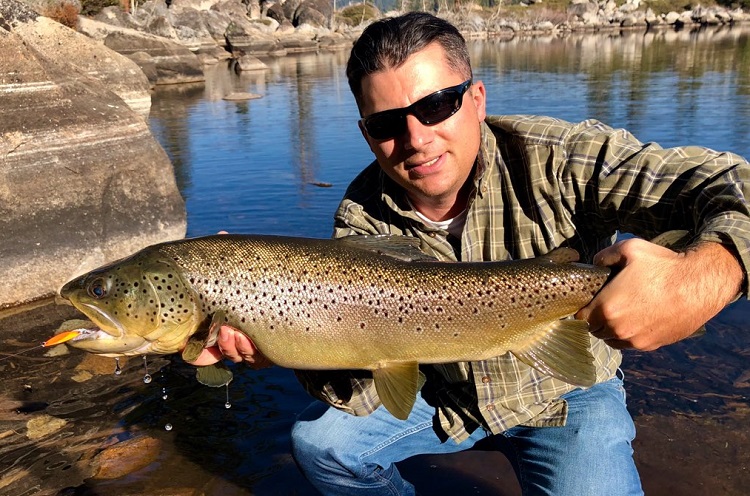
The traditional trout season opener the last Saturday in April remains one of California’s most celebrated and anticipated outdoor traditions, drawing thousands of anglers to trout fishing destinations such as Burney and Dunsmuir in the north, Bridgeport and Bishop in the eastern Sierra, Mammoth Lakes in the south, and many other mountain communities and picturesque hamlets throughout the state.
This year, California’s traditional trout season opens on Saturday, April 30, one hour before sunrise throughout many counties in the state.
In recent years, the California Department of Fish and Wildlife, or CDFW, has expanded trout fishing opportunities year-round in many waters, yet the traditional trout opener remains popular.
April 30 will mark the start of the catch-and-keep season on many streams and creeks, as well as the reopening of much of the eastern Sierra to trout fishing for the first time since last fall.
Most lakes, rivers and streams have a limit of five trout per day and a 10 trout possession limit. Regulations differ on season opening and closing dates, bag limits, minimum and maximum size limits and gear restrictions.
Anglers are strongly advised to check specific area regulations and opening dates in the 2022 California Freshwater Sport Fishing Regulations available online.
All anglers 16 and older must possess a valid California sport fishing license to fish within state boundaries, which can be purchased at CDFW’s Online License Sales and Services website or through a licensed sales agent.
CDFW has been stocking trout in several dozen locations in the weeks and days leading up to the opener.
To find more details on the specific waters planted, please see CDFW’s Fish Planting Schedule.
These efforts will continue throughout the season even as CDFW fishery managers work to minimize impacts resulting from a disease outbreak at two eastern Sierra trout hatcheries.
Anglers are reminded that California is in the third year of a drought and may see drought conditions impact their favorite trout fishing waters, especially as summer approaches.
CDFW’s “Hoot Owl” Water Watchlist web page offers some voluntary guidelines for freshwater fishing during a drought year and may list specific waters where fishing should be avoided midday and other recommendations.
CDFW has many resources available to new and experienced anglers alike regarding trout fishing throughout the state. Recently, the Recruit, Retain, Reactivate (R3) team released a new R3 Harvest Huddle Hour (R3H3) prerecorded video, Introduction to Trout Fishing, which introduces different tools and techniques anglers can try out for trout fishing this season.
For anglers interested in learning more about wild trout and where to find them in their specific region, the Heritage and Wild Trout Program has resources explaining wild trout management and maps of Designated Wild and Heritage Trout Waters helping you find these special fish.
For anglers that feel up to a challenge, CDFW offers the Heritage Trout Challenge, which requires anglers to catch six different forms of California native trout from their historic drainages!
Once you’ve gone out and caught your limit of trout, visit CDFW’s R3 California Wild Kitchen web page to find guidance and recipes on how to clean and prepare your trout for you and your family.
- Details
- Written by: California Department of Fish and Wildlife
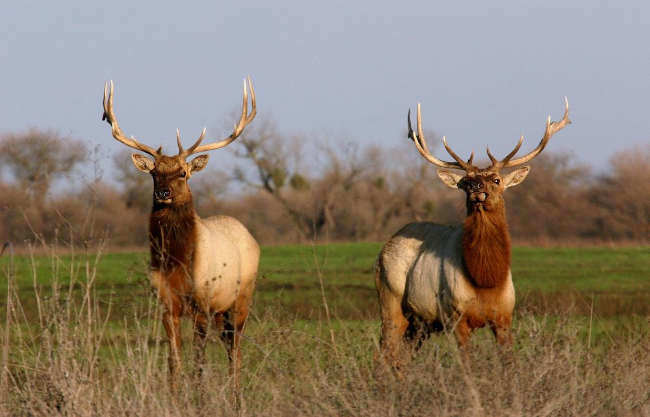
Tule elk
Q: When is the breeding season for tule elk in California?
A: The breeding season, or rut, for California’s tule elk typically occurs from August through February with peak rut being October through November.
Scientists can estimate breeding season for tule elk because they know firsthand that tule elk calving runs from mid-March through October with a peak of around June and July, and a gestation period of about 250 days. California’s other two subspecies of elk — Rocky Mountain and Roosevelt — typically rut from September through October.
Trout hybrids
Q: Can different species of trout successfully mate?
A: The short answer is yes! Although it is very uncommon, some species of trout have been observed reproducing with other species of trout, which scientists refer to as hybridization. For example, cutbow trout are hatchery produced trout created from spawning two different species: rainbow trout and cutthroat trout. For more fun fisheries facts visit CDFW’s Classroom Aquarium Education Program.
Wild game
Q: Is it legal for me to bring ducks from this recent waterfowl season to a restaurant to have the chef prepare them for me?
A: Yes. You may take your harvested ducks to your favorite restaurant, assuming they have agreed to prepare them for you. California Fish and Game Code (FGC), section 2015 provides that authorization. Section 2015 (a) states that, except as otherwise provided in this section, it is unlawful to possess a bird, mammal, fish, amphibian, or reptile, that may not be legally sold, in a restaurant or other eating establishment. However, section 2015(b) goes on to describe some exceptions:
(1) A person who lawfully took or otherwise legally possessed the bird, mammal, fish, amphibian, or reptile.
(2) A person preparing the bird, mammal, fish, amphibian, or reptile for consumption by the person who lawfully took or possessed it, or by that person and others, if the person who took or possessed it is present on the premises.
(3) A bird, mammal, fish, amphibian, or reptile tagged with a signed statement of the person who took the bird, mammal, fish, amphibian or reptile stating that person’s name and address, the date taken, and the total number and kind taken.
Bringing your hunter-harvested wild game to a professional chef can result in an expanded culinary experience for the hunter and guests, as well as serve as an enjoyable
challenge for many chefs. In fact, we spoke with a hunter who harvested a bighorn sheep and had a professional chef prepare his harvest along with domestically reared sheep steaks so he could try them side-by-side. They had quite dissimilar flavors despite being from the same taxonomical genus.
As you might expect, the bighorn sheep steaks were leaner and had a mild wild game flavor. As a final note, be sure to comply with subsection (3) above if you deliver your sport-taken ducks or other game to a chef ahead of time so that they can prepare for your later return.
- Details
- Written by: California Department of Fish and Wildlife





 How to resolve AdBlock issue?