
Recreation
The recreational salmon seasons have been set for 2018, and it appears to be a mixture of good news and bad for California anglers. Klamath River fall run Chinook are likely to be one of the better fishing opportunities due to higher returns that will support both ocean and inland salmon seasons.
But returns for Sacramento River fall run Chinook – the main stock of salmon supporting California's ocean and Central Valley river fisheries – have been low for the third consecutive year, pushing them into "overfished" status.
In order to meet conservation goals for Sacramento River fall run Chinook, some ocean salmon seasons have been shortened and the daily bag and possession limits for Central Valley river fisheries have been reduced.
"The goal is to get even more fish back to the spawning grounds this fall than would be required in a normal year," said California Department of Fish and Wildlife Fisheries Branch Chief Kevin Shaffer.
In an effort to hasten the rebuilding process, the Pacific Fishery Management Council constructed conservative ocean salmon seasons for 2018, in the hopes of producing higher numbers of returning spawners.
The California Fish and Game Commission set similar ocean seasons.
The 2018 recreational ocean salmon season for the California coast is as follows:
– In the Klamath Management Zone, which is the area between the Oregon/California border and Horse Mountain (40°05'00" N. latitude), the season will open June 1 and continue through Sept. 3.
– The Fort Bragg and San Francisco areas, which extend from Horse Mountain to Point Arena (38°57'30" N. latitude) and Point Arena to Pigeon Point (37°11'00" N. latitude), respectively, will open June 17 and continue through Oct. 31
– The Monterey area between Pigeon Point and the U.S./Mexico border opened on April 7 and will continue through July 2.
The minimum size limit is 20 inches total length in all areas north of Pigeon Point and 24 inches in all areas south of Pigeon Point. The daily bag limit is two Chinook salmon per day. No more than two daily bag limits may be possessed when on land.
On a vessel in ocean waters, no person shall possess or bring ashore more than one daily bag limit. Retention of coho salmon (also known as silver salmon) is prohibited in all ocean fisheries off California.
The 2018 recreational inland salmon season for California inland waters is as follows:
Seasons for Central Valley fishery start on traditional dates on all sections of all rivers. Only one salmon per day may be retained and the possession limit is two salmon.
In the Klamath River the season will open Aug. 15 and continue through Dec. 31. The Trinity River season will be open from Sept. 1 through Dec. 31. The daily bag limit is two salmon no more than one over 22 inches. The possession limit is six salmon, no more than three over 22 inches.
Regulations approved by the Commission since the 2017 season created a positive effect for the upcoming Central Valley salmon season.
The new regulations – including a complete closure of Nimbus Basin on the American River to all fishing due to construction, a reduction in the daily bag and possession limit for the Central Valley, and a shortened leader length regulation intended to reduce snagging – were pivotal in setting seasons on the Sacramento River fall Chinook because they helped reduced potential harvest to meet stock rebuilding goals.
The 2018 sport seasons, dates, locations and bag limits will be published in the 2018-2019 Sport Fishing Regulations Supplement, which will be posted on the CDFW website in May.
Additional season information can be found on CDFW's ocean salmon webpage or by calling CDFW's ocean salmon hotline at 707-576-3429 or the Klamath-Trinity River hotline at 800-564-6479.
But returns for Sacramento River fall run Chinook – the main stock of salmon supporting California's ocean and Central Valley river fisheries – have been low for the third consecutive year, pushing them into "overfished" status.
In order to meet conservation goals for Sacramento River fall run Chinook, some ocean salmon seasons have been shortened and the daily bag and possession limits for Central Valley river fisheries have been reduced.
"The goal is to get even more fish back to the spawning grounds this fall than would be required in a normal year," said California Department of Fish and Wildlife Fisheries Branch Chief Kevin Shaffer.
In an effort to hasten the rebuilding process, the Pacific Fishery Management Council constructed conservative ocean salmon seasons for 2018, in the hopes of producing higher numbers of returning spawners.
The California Fish and Game Commission set similar ocean seasons.
The 2018 recreational ocean salmon season for the California coast is as follows:
– In the Klamath Management Zone, which is the area between the Oregon/California border and Horse Mountain (40°05'00" N. latitude), the season will open June 1 and continue through Sept. 3.
– The Fort Bragg and San Francisco areas, which extend from Horse Mountain to Point Arena (38°57'30" N. latitude) and Point Arena to Pigeon Point (37°11'00" N. latitude), respectively, will open June 17 and continue through Oct. 31
– The Monterey area between Pigeon Point and the U.S./Mexico border opened on April 7 and will continue through July 2.
The minimum size limit is 20 inches total length in all areas north of Pigeon Point and 24 inches in all areas south of Pigeon Point. The daily bag limit is two Chinook salmon per day. No more than two daily bag limits may be possessed when on land.
On a vessel in ocean waters, no person shall possess or bring ashore more than one daily bag limit. Retention of coho salmon (also known as silver salmon) is prohibited in all ocean fisheries off California.
The 2018 recreational inland salmon season for California inland waters is as follows:
Seasons for Central Valley fishery start on traditional dates on all sections of all rivers. Only one salmon per day may be retained and the possession limit is two salmon.
In the Klamath River the season will open Aug. 15 and continue through Dec. 31. The Trinity River season will be open from Sept. 1 through Dec. 31. The daily bag limit is two salmon no more than one over 22 inches. The possession limit is six salmon, no more than three over 22 inches.
Regulations approved by the Commission since the 2017 season created a positive effect for the upcoming Central Valley salmon season.
The new regulations – including a complete closure of Nimbus Basin on the American River to all fishing due to construction, a reduction in the daily bag and possession limit for the Central Valley, and a shortened leader length regulation intended to reduce snagging – were pivotal in setting seasons on the Sacramento River fall Chinook because they helped reduced potential harvest to meet stock rebuilding goals.
The 2018 sport seasons, dates, locations and bag limits will be published in the 2018-2019 Sport Fishing Regulations Supplement, which will be posted on the CDFW website in May.
Additional season information can be found on CDFW's ocean salmon webpage or by calling CDFW's ocean salmon hotline at 707-576-3429 or the Klamath-Trinity River hotline at 800-564-6479.
- Details
- Written by: California Department of Fish and Wildlife
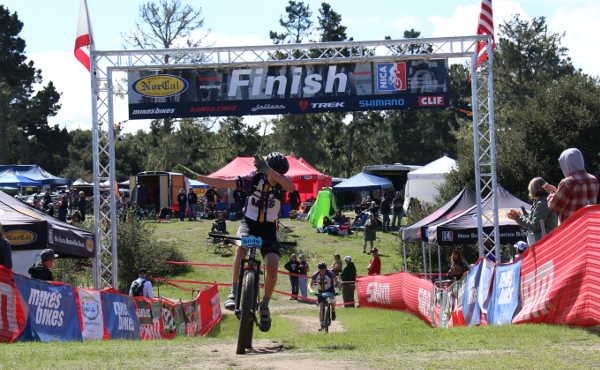
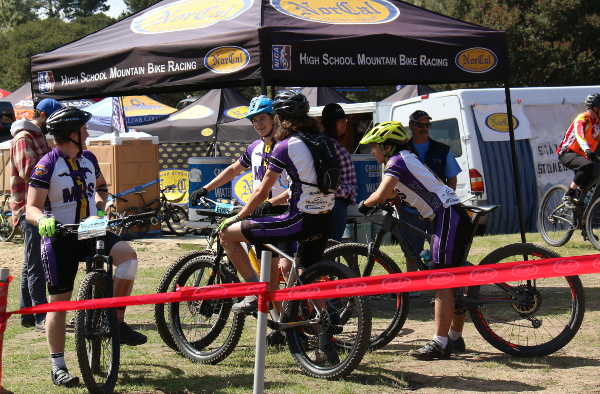
MIDDLETOWN, Calif. – The Middletown High School Mountain Bike Team, composed of six racers, has completed several races and are at the halfway point for the 2018 racing season.
Three of the races were held in Monterey, where – luck would have it – the sun shined appropriately bright for this rambunctious, fun group of high school riders.
As the team goes into the second half of the season riders are positioned and ready to reach their next set of goals.
At last check racers were positioned as follows JoeJoe Bloomquist, sophomore, ninth place; Chris Fischer, sophomore, 14th place; Devon Heubel, sophomore, 17th place; Connor Muelrath, sophomore, 26th place; Carson Schaffer, sophomore, 42nd place; and Kieran McSween, freshman, 40th place.
“I have the utmost respect and pride for our racers and the effort it takes to reach their personal goals each race,” said Coach Deb Bloomquist of her riders.
Bloomquist coaches the team alongside her husband, Chris Bloomquist, and volunteer parent Eric Schaffer.
“These stouthearted kids amaze me with their ability to turn racing challenges into racing successes,” she said.
Middletown is one of three Lake County high school mountain biking teams; they join Clear Lake High and Kelseyville High on race courses all over Northern California.
Races are produced by the Norcal High School Cycling league where paid staff and numerous volunteers make racing happen in a fun, safe and all-inclusive environment. For more information on the league visit www.norcalmtb.org .
“Riding with the Middletown High School Mountain Bike Team has been one of the healthiest decisions I have made. Just keeping up with the high school riders has forced me to push myself physically,” said Schaffer.
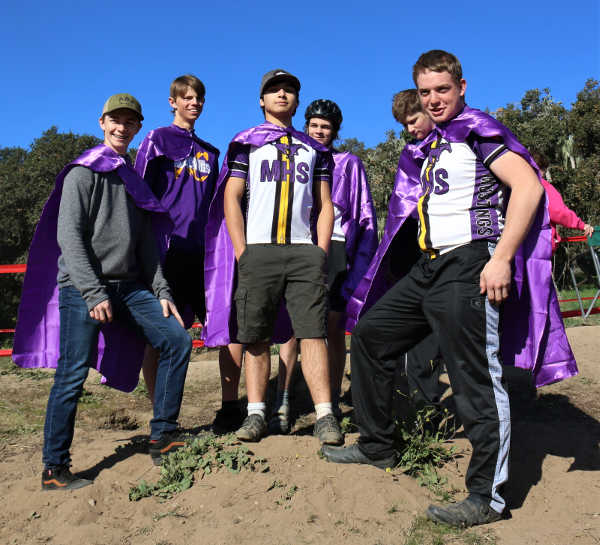
He added, “The entire team – from coaches to riders – are always supportive and positive. It's been amazing to witness these young men push themselves during the races, overcoming crashes, weather and improving their ranking. It has been a lot of fun.”
On Saturday in Granite Bay sophomore racers mashed out 18 miles of racing while the freshman hammered down 12 miles of single-track fun.
Lake County will next its local race known as The Six Sigma Slinger on May 5 and 6 at Six Sigma Ranch & Winery.
The Six Sigma Slinger is also the Norcal championship race and final race before Norcal riders go up against SoCal riders in the state championships.
Races are free to spectators so come out and enjoy some wine and watch lake county high school kids race on their home course.
The season will then end with state championships in Petaluma on May 20. Qualified racers will compete against racers from all over California.
Want to see what Middletown riders are up to? Follow them on Facebook, where you can also follow the Clear Lake and Kelseyville high schools mountain biking team.
- Details
- Written by: Editor





 How to resolve AdBlock issue?