 How to resolve AdBlock issue?
Recreation
- Details
- Written by: Division of Boating and Waterways
Several workshops will be held in Northern California starting in early April to help the public learn about the effects AIS can have on the economy and the environment, how to recognize AIS in their region, and how to take action to prevent it from spreading.
Workshops are free, but spaces are limited and pre-registration is required.
Aquatic invasive species such as quagga and zebra mussels, water hyacinth and Brazilian waterweed pose threats to California’s water delivery systems, hydroelectric facilities, agriculture, boating, fishing and the environment. Recreational activities, including boating and fishing, can spread AIS from infested waters to uninfested waters.
“Everyone accessing California’s waterways can learn about simple actions to avoid spreading AIS each time they leave a waterbody,” said DBW’s Acting Deputy Director Ramona Fernandez. “AIS specialists will provide current prevention information to boaters, anglers and marina operators.”
In addition to DBW, AIS experts from the California Coastal Commission, the California Department of Fish and Wildlife and U.S. Fish and Wildlife Service will be on hand at these workshops.
Workshops dates include:
Wednesday, April 4 – Morgan Hill
Deadline to register: Friday, March 30
Time: 8:45 a.m. - 2:45 p.m.
Partner: Santa Clara County Parks
Thursday, April 12 – West Sacramento
Deadline to register: Friday, April 6
Time: 8:45 a.m. - 2:45 p.m.
Partner: Sacramento Yacht Club
Wednesday, June 13 – Sausalito
Deadline to register: Friday, June 8
Time: 8:45 a.m. - 2:45 p.m.
Partner: U.S. Army Corps of Engineers Bay Model
To register, please contact Boating Clean and Green’s Program Coordinator Vivian Matuk via email at
The AIS workshops are part of the California’s Boating Green and Clean Program. The program is an education and outreach program conducted through the California State Parks Division of Boating and Waterways and the California Coastal Commission. Staff and volunteers promote environmentally-sound boating practices to marine businesses and boaters. For more information, please visit www.BoatingCleanAndGreen.com.
- Details
- Written by: Editor

UKIAH, Calif. – On Saturday, March 3, Terrace Middle School Vikings sent nine wrestlers to compete in the Weekends Pomolita Invitational Middle School Wrestling Tournament.
Out of the nine wrestlers competing for the Vikings, all nine would place and seven would medal.
The Vikings finished with four gold medals, two silver medals, one bronze medal along with a fourth and a sixth place.
The varsity girls took third place as a team, while the varsity boys tied for fifth.
In the boys’ varsity division, Blake Moak (275 lbs.) won two matches, one by pin and one by major decision to win his gold medal.
Hayden Fowler (110 lbs.) went 1-1 to win his silver medal. Liam Davis (134 lbs.) was 1-3 with one pin to take fourth place.
In the girls’ varsity division, Kiley Bartell (134 lbs.) went 2-0 with two pins to win her gold medal.
Ashley Pyorre (103 lbs.) was 2-1 with one pin and a major decision to win a silver medal.
In the boys’ junior varsity division, Elijah Alvarez (124 lbs.) went 4-0 with three pins to win his gold medal.
Anthony Gersailia was 2-0 with a major decision to win his gold medal. Uzziel Alvarez was 2-2 with two pins to win a bronze medal, and Asher Reese (103 lbs.) went 1-3 to take sixth place.
“I thought they all did great! Most of the other teams we faced started back in January, while we came in with only six days of practice,” said Head Coach Troy Davis.
- Details
- Written by: Mendocino National Forest
Mendocino National Forest officials closed the ramp Wednesday, March 7, to prevent damage to vehicles using the ramp.
The temporary closure will remain in effect until the water level rises.
- Details
- Written by: Editor
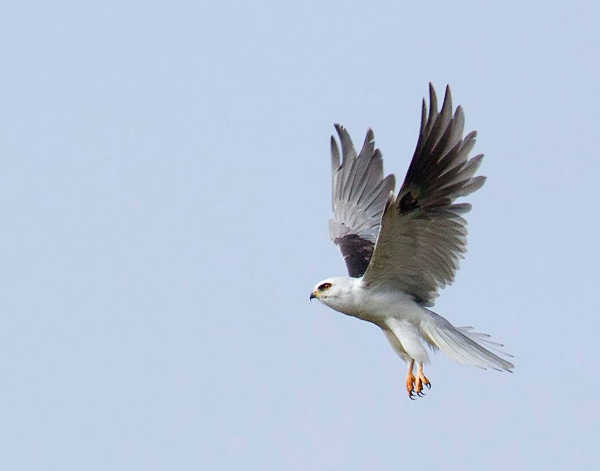
LOWER LAKE, Calif. – Anderson Marsh State Historic Park continues to hold free monthly guided nature walks.
The next walk will be at 8:30 a.m. Saturday, March 10.
There will be a tour of the Historic Ranch House after the walk. Rain will cancel the walk. If rain cancels the walk, the tour will begin at 8:30 a.m.
This month’s nature walk will be led by park docent Henry Bornstein, who asks that participants arrive at the parking lot by 8:15 a.m. so they can have time to explore the wildlife found in the ranch house yard.
Weather permitting, the guided walk will explore a loop over the Ridge Trail, Marsh Trail and Cache Nature Trail, traveling through many of the habitats that are contained in the park.
The precise route taken will depend on the weather and the condition of the trails. Participants should bring binoculars if they have them, and wear sturdy shoes and a hat.
Anderson Marsh State Historic Park is located on Highway 53, between Lower Lake and Clearlake.
For more information about the walk, email