LAKE COUNTY, Calif. — County officials are planning a second meeting on a housing project for formerly incarcerated individuals.
The Lake County Probation Department and Rural Communities Housing Development Corp., or RCHDC, will host the Zoom meeting from 5:30 to 7:30 p.m. Thursday, Nov. 14.
The meeting ID is 848 6054 4560; passcode is 626247.
The topics will include the approved housing project for justice-involved individuals, potential locations for the project and the resources that will be available for individuals who will be housed in the project.
Lake County Chief Probation Officer Wendy Mondfrans and Ryan LaRue, Chief executive officer of Rural Communities Housing Development Corp., will be on hand for the meeting.
The first meeting held on the project took place on Oct. 23 at the Lake County Courthouse.
The Board of Supervisors greenlighted the project in August. It will be a new build and is expected to cost $24 million, as Lake County News has reported.
For more information, follow Lake County CA Probation on Facebook or contact Mondfrans at 707-262-4291.
Email Elizabeth Larson at This email address is being protected from spambots. You need JavaScript enabled to view it.. Follow her on Twitter, @ERLarson, or Lake County News, @LakeCoNews.
As Election Day arrives, people’s feelings of eagerness and anxiety can intensify. It’s normal to want to know the results, but it’s also important to make sure that when the results are announced, they’re accurate.
The Conversation U.S. has covered many aspects of the election, including the mechanics of tallying and reporting the votes. Here are selections from some of those articles:
1. How long did it take to count votes in 2020?
In 2020, Election Day was Nov. 3. While some results emerged that evening and over the subsequent days, it was not until four days later, Nov. 7, that The Associated Press called the race for Joe Biden over Donald Trump.
Waiting can be unsatisfying, wrote John M. Murphy, a communications scholar at the University of Illinois at Urbana-Champaign, but it’s key to getting accurate results.
Murphy warned: “People tend to see what they want to see. … Partisans want that beautiful picture of triumph, blue or red seas cascading across screens on election night.” But, he observed, that might be a mirage – and realizing it’s a mirage means one thing: “Wait. … Wait until we know it’s real.”
Election officials count ballots at the Allegheny County elections warehouse in Pittsburgh in 2020.Jeff Swensen/Getty Images
2. Why do candidates’ leads change as the results emerge?
Every state counts votes slightly differently. Some, like Colorado, allow election workers to begin counting absentee ballots in advance of Election Day, while in other states, like Illinois, the count can’t even start until the polling places close at the end of Election Day.
In addition, various communities report their results in different ways. Some may release preliminary results every so often while the counting continues, while others may wait until counting is fully complete before announcing any results.
That’s why vote counts change over time: Partial results are updated, and additional results are added to statewide tallies. In a 2020 article, Kristin Kanthak, a political science professor at the University of Pittsburgh, went through the whole process, including the release of partial results:
Election officials take their jobs very seriously and work hard to count all the eligible votes accurately while under great pressure. They have specific rules and processes for how to handle ballots and vote-counting.
Derek Muller, an election-law scholar at the University of Notre Dame, explained those steps in detail, highlighting the focus on verifiable facts rather than people’s opinions about the process:
“Certifying an election is a rather mundane task. … It is little more than making sure all precincts have reported and the arithmetic is correct. But it is an important task, because it is the formal process that determines who won the most votes.”
Washoe County employees in Nevada open ballots as they begin processing mailed ballots in the 2024 primary election.AP Photo/Andy Barron
4. Who invented the Electoral College?
Of course, the candidate who gets the most votes doesn’t necessarily win the presidency. The official decision is made by the Electoral College.
Phillip VanFossen, a civics educator at Purdue University, explained that the Constitutional Convention in the summer of 1787 came up with three ideas, but couldn’t agree. Determined to find common ground, even if it was imperfect, the delegates told 11 men to come up with a solution, which was the Electoral College.
VanFossen explained that “with this compromise system, neither public ignorance nor outside influence would affect the choice of a nation’s leader. (The delegates) believed that the electors would ensure that only a qualified person became president. And they thought the Electoral College would serve as a check on a public who might be easily misled, especially by foreign governments.”
5. Why does the US still have an Electoral College?
Other nations were inspired by the U.S. Constitution, but not for long, as Westminster College political scientist Joshua Holzer explained:
“None have been satisfied with the results. And except for the U.S., all have found other ways to choose their leaders.”
Many people in the U.S. also aren’t satisfied with the Electoral College, and Holzer identifies one effort under way to replace it without amending the Constitution. But even that won’t ensure that the person who becomes president is supported by at least half of the people who cast ballots.
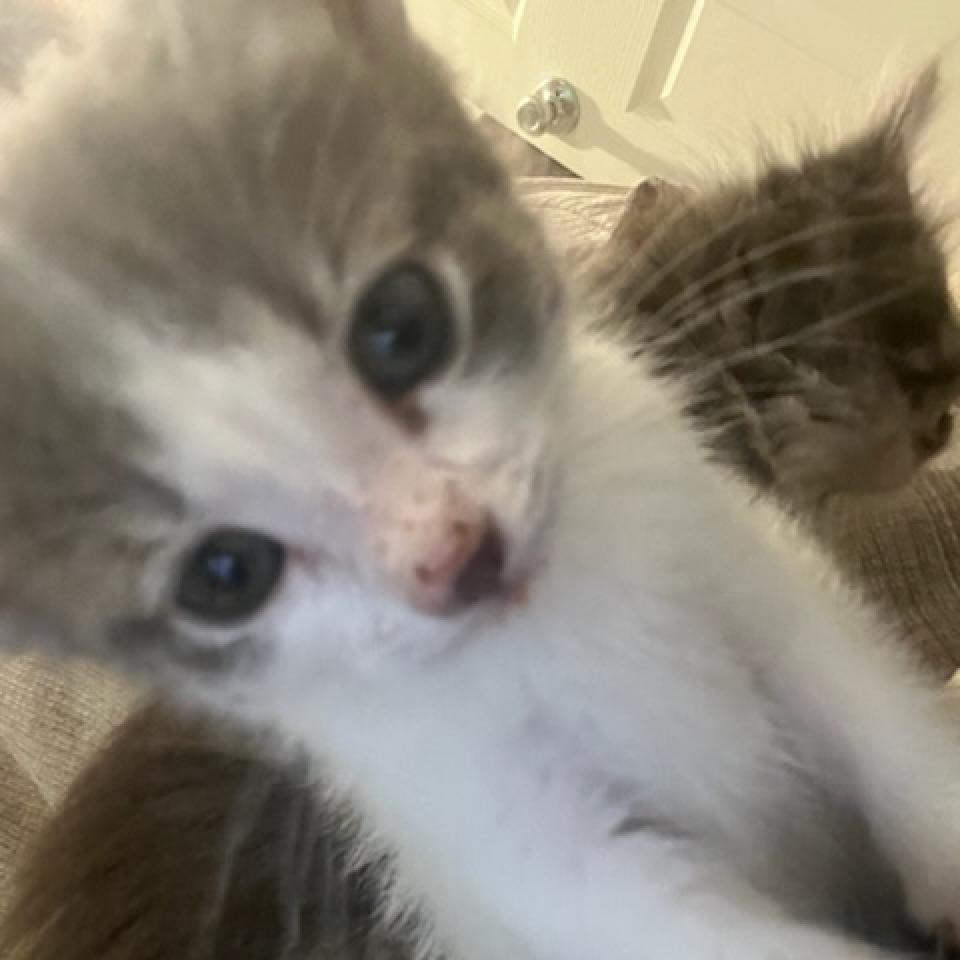
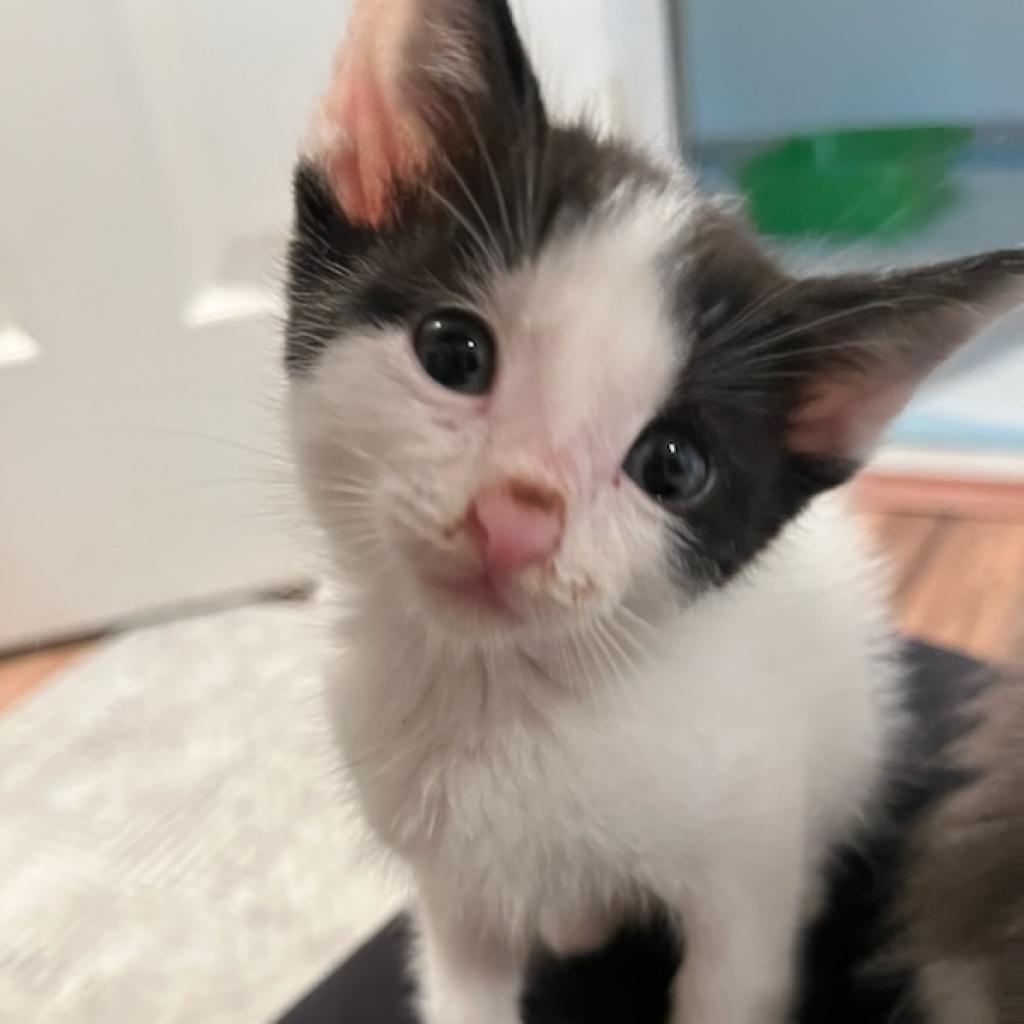
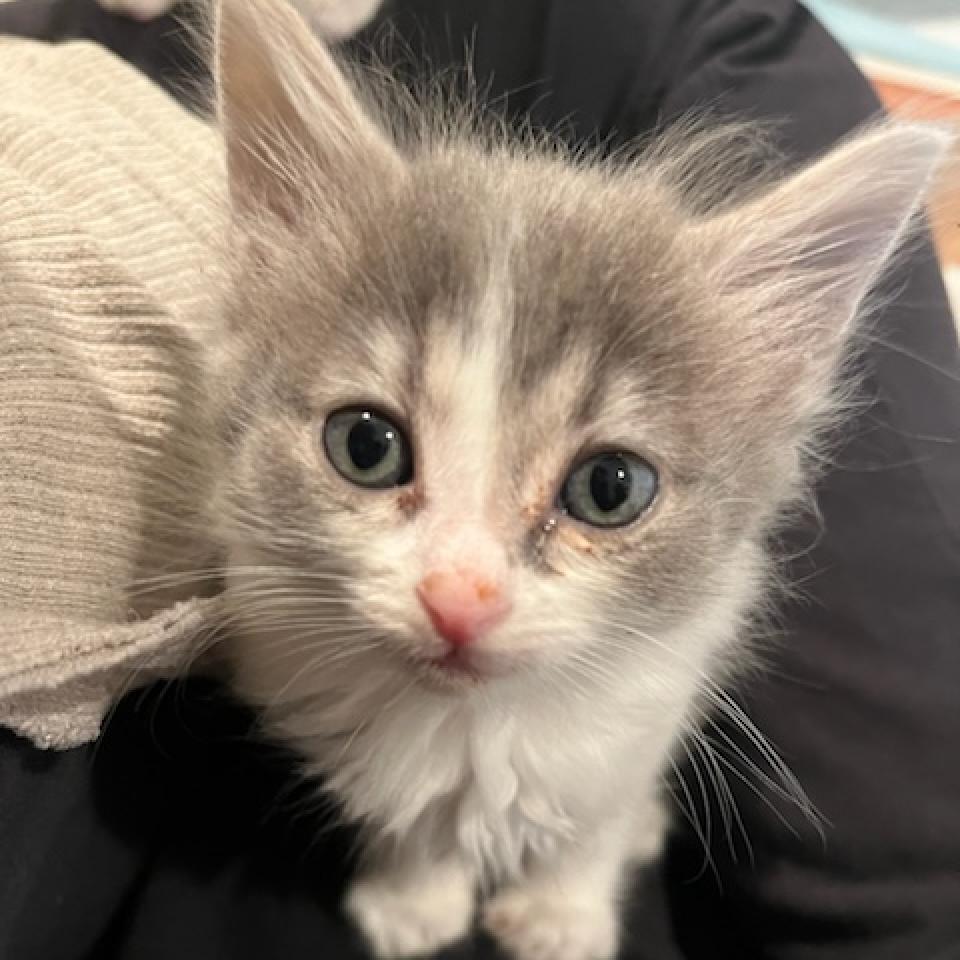
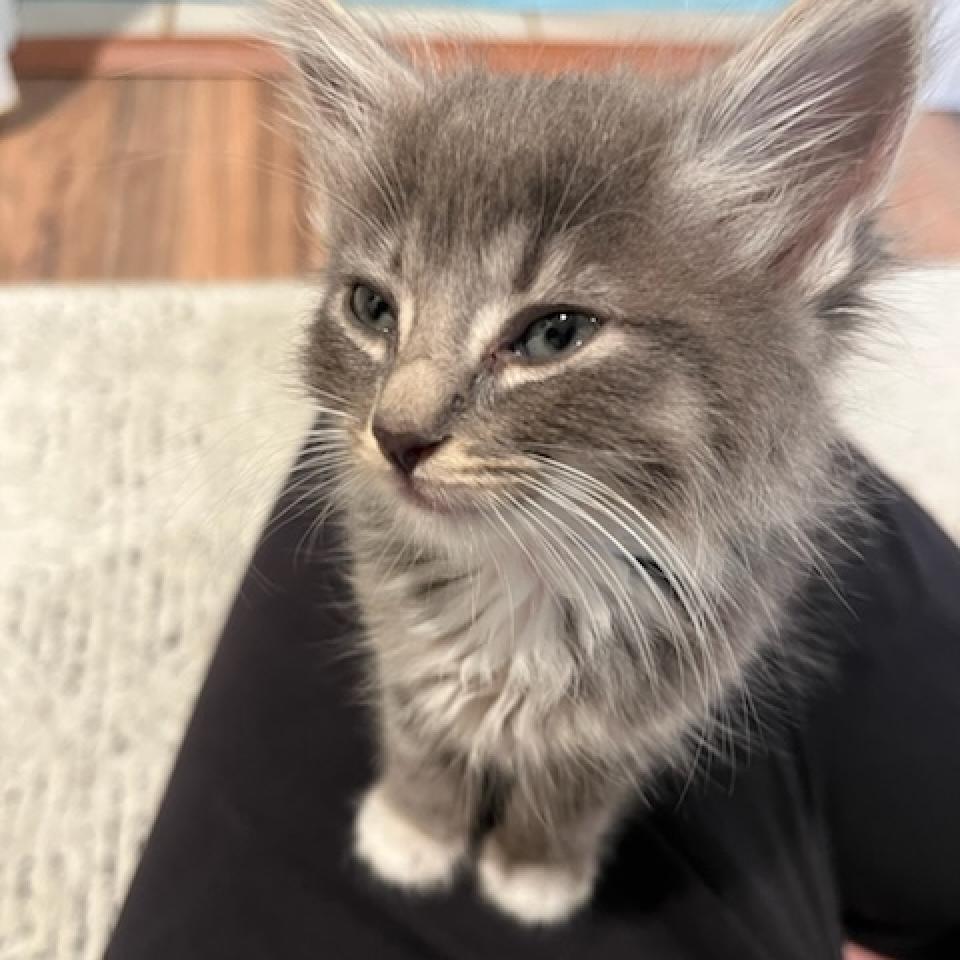
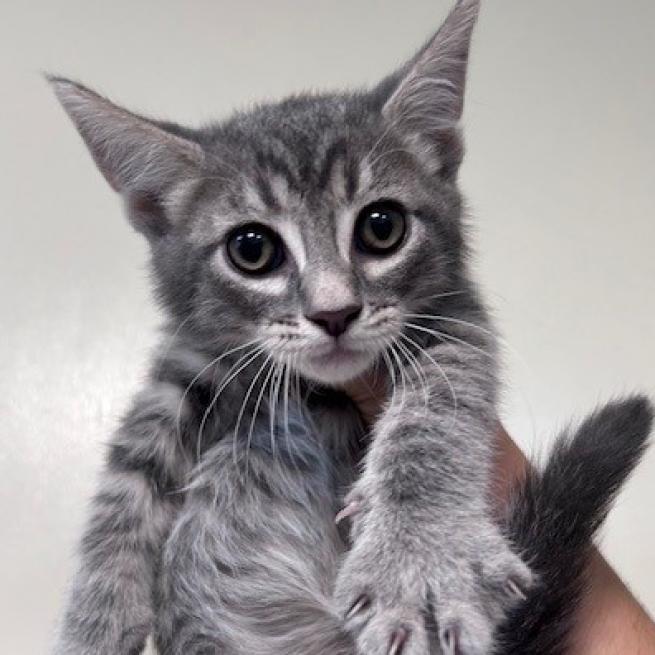
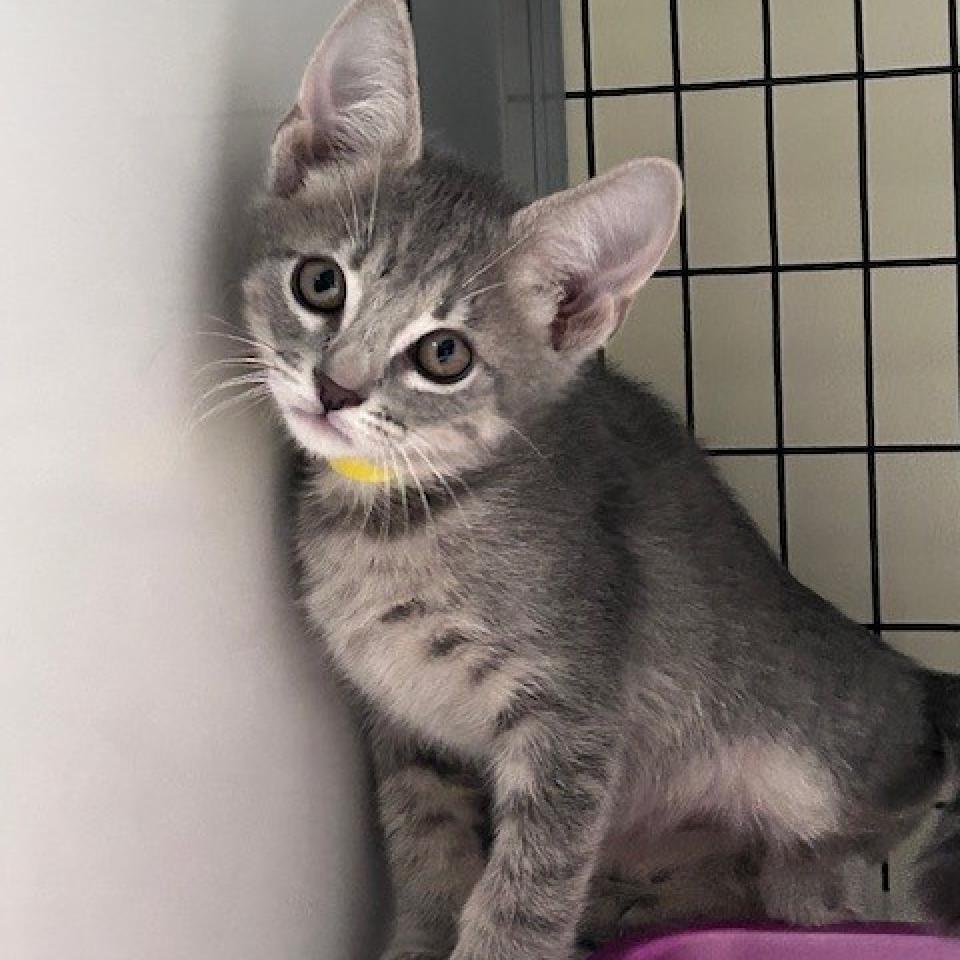
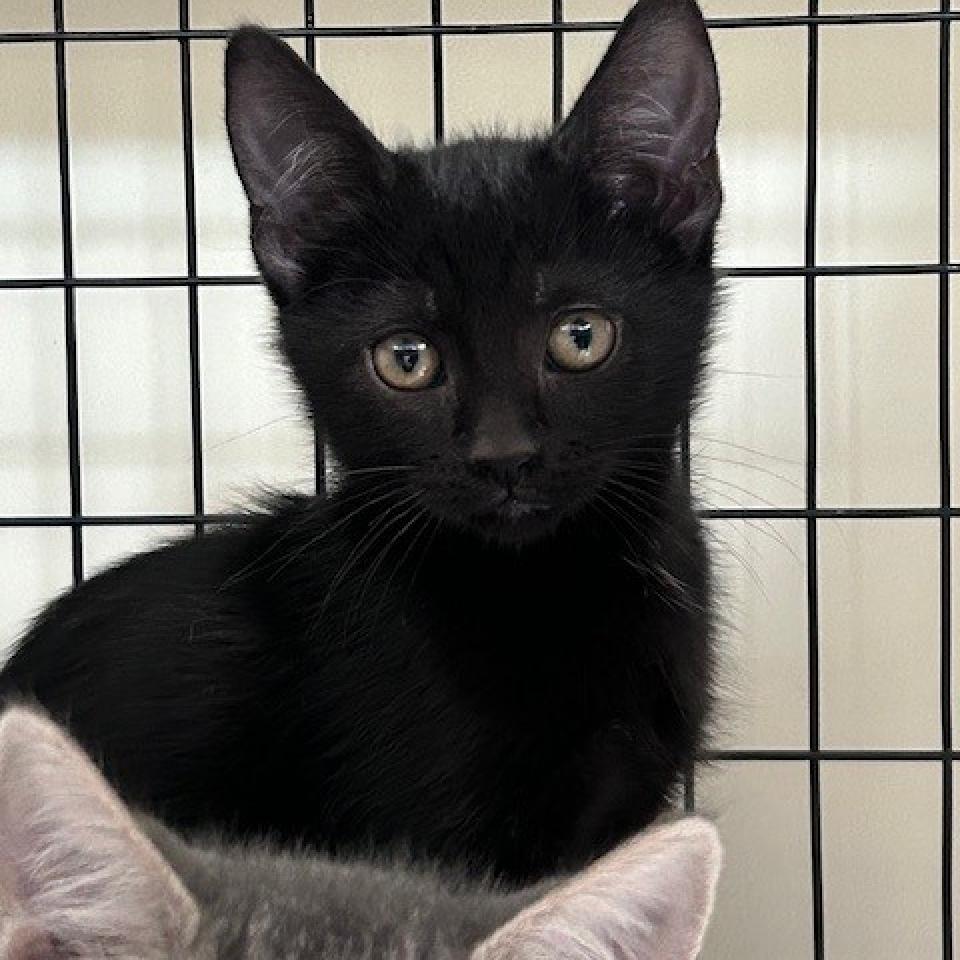
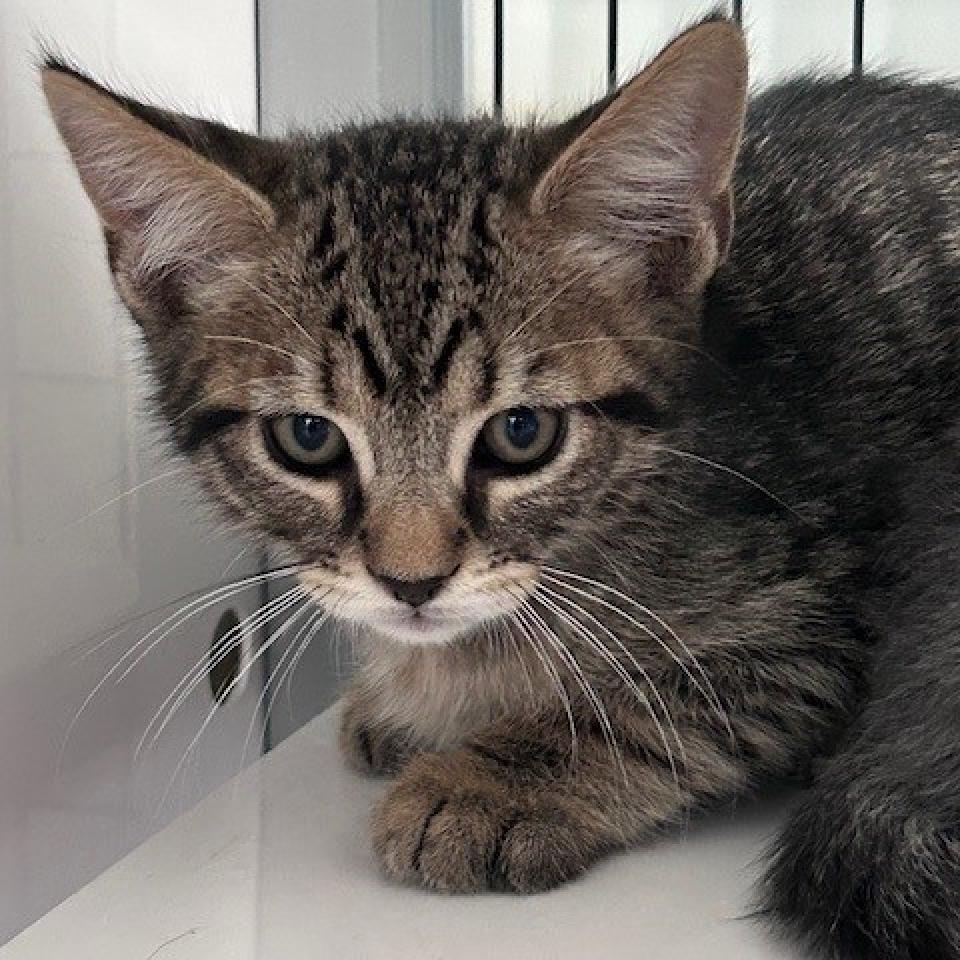
LAKE COUNTY, Calif. — Lake County Animal Care and Control has several kittens waiting to be adopted into home homes.
The kittens and cats at the shelter that are shown on this page have been cleared for adoption.
Call Lake County Animal Care and Control at 707-263-0278 or visit the shelter online for information on visiting or adopting.
The shelter is located at 4949 Helbush in Lakeport.
Email Elizabeth Larson at This email address is being protected from spambots. You need JavaScript enabled to view it.. Follow her on Twitter, @ERLarson, or Lake County News, @LakeCoNews.
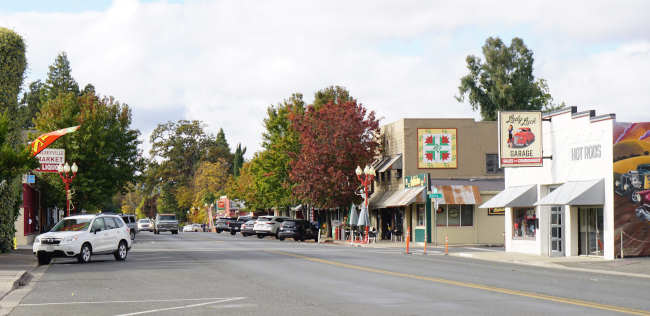
Downtown Kelseyville, California, on Thursday, Oct. 31, 2024. Photo by Elizabeth Larson/Lake County News. KELSEYVILLE, Calif. — This fall, Lake County residents are being asked to consider an important question: Should the town of Kelseyville have its name changed to “Konocti” in an effort to address wrongs against the county’s Indigenous people?
The question, while seemingly a straightforward one, appears to be anything but, and has resulted in deep disagreements between neighbors and friends.
At the same time, it has raised questions about the ability of a community to choose its own name and identity, and those questions have intensified after the Board of Supervisors in July decided to approve an advisory measure to put the question to all of Lake County — not just the residents of Kelseyville.
On Oct. 18, 2023, a proposal was submitted to the United States Board of Geographic Names, often referred to as the BGN, to change the name of Kelseyville to Konocti.
The name change application to BGN was made by Lorna Sue Sides on behalf of a local activist group calling itself Citizens for Healing.
The group, which has about 20 members from around Lake County, does not have formal standing as a registered nonprofit, according to a search of the California Attorney General’s Office online records.
Though the name change had been informally discussed for years, this was the first time it entered an official procedure with the BGN, the federal agency formed in 1890 for the purposes of maintaining uniform geographic name usage throughout the federal government.
Today, the BGN says on its website that it “serves the Federal Government and the public as a central authority to which name problems, name inquiries, name changes, and new name proposals can be directed.”
There has been increased focus in recent years on names that are problematic, derogatory or racist, with the BGN leading the effort to remove the word “squaw” from federal geographic features. In September 2022, the BGN voted on the final replacement names for nearly 650 geographic features featuring the “sq” word, including three in remote parts of Lake County.
Enter the Kelseyville name change, which was submitted to the BGN because it’s not an incorporated community.
For the past year, whether Kelseyville should change its name tied to the painful local history has escalated into one of the county’s most polarizing debates among residents and local leadership, sparking arguments among friends and neighbors and a growing sense of discontent.
Throughout this time, major stakeholders have been questioned over the process at nearly every stage.
On Jan. 23, the BGN published its Quarterly Review List, which included the Kelseyville case.
About a month later, the Lake County Board of Supervisors received a letter from the BGN requesting the board’s opinion on the name change.
District 2 Supervisor Bruno Sabatier said he received the letter on Feb. 26, but it did not include a deadline or any details on how to proceed.
On July 30, the Board of Supervisors held a special meeting, where they passed a motion on a 3-2 vote to put the Kelseyville name change on the ballot for county-wide vote as an advisory measure, now known as Measure U.
The two dissenters were Sabatier and District 4 Supervisor Michael Green, who voted against the ballot measure because they believed the board needed to submit a recommendation directly to the BGN.
At that meeting, District 1 Supervisor Moke Simon, who also is chair of Middletown Rancheria and one of two tribal members on the board, supported the vote being countywide.
“I want the opportunity for the Indigenous people that have been here forever to see where we stand in this county. Every vote that we’ve taken, I think I know the outcome already. But I want it on the record. I want it on the record,” said Simon.
“I’ve walked through these halls,” he continued. “I’ve heard how racist this community is and I’ve seen and tried to work together and bring it together. I want to see if we’ve learned anything in the past 400 years here in this country, in this county, how we move forward. I want it on the record.”
The supervisors’ meeting and decision came a week after the county’s recommended deadline to file the measure and just 10 days before the official final deadline.
In the five months between February, when the BGN reached out to the Board of Supervisors, and July, when the special meeting on what would become Measure U was held, "The Board of Supervisors as a whole did nothing,” Sabatier told Lake County News in a phone interview.
“That was the only time that the board as a whole ever had a conversation or took any action related to the BGN request,” Sabatier said of the July meeting.
Why, then, didn’t the Board of Supervisors come together sooner to discuss and act on it?
Sabatier declined to comment on why. “It's not in my district, and it's not for me to bring to the board,” he said.
The plan to rename the community
Citizens for Healing is advocating for renaming the unincorporated community “Konocti” in order to stop honoring the memory of Andrew Kelsey, who along with Charles Stone brutalized natives during a two-year period.
The men, believed to have been close to age 30, were said to have enslaved, raped and killed tribal members, which prompted the tribes to kill them in 1849.
Before arriving in Lake County, historians believe Kelsey was involved, along with his brothers, in leading emigrants west, with the family having involvement in the 1846 Bear Flag Revolt. His sister-in-law, Nancy Kelsey, helped make the Bear Flag Revolt flag.
In “The Donner Party Chronicles,” historian Frank Mullen said that Stone was part of a rescue relief group for the Donner Party in 1847. Stone and another man, Charles Cady, made a deal with Tamsen Donner — believed to have been the last of the party to die after she refused to leave her dying husband, George Donner — to rescue her three young daughters.
Mullen’s account says that Stone and Cady, instead of rescuing the children, left them at a camp at Truckee Lake, later known as Donner Lake, and then “escaped” — heading to California.
Later in 1847, Kelsey and Stone came to Lake County and acquired Salvador Vallejo's livestock, living in an adobe that historians say they forced local tribal members to build. That house, the first adobe home in Lake County, was located where a historical monument now stands at Main Street and Bell Hill Road in Kelseyville.
The remains of the men also are buried under that monument. Before they were placed there, a group of local boys had “inadvertently” dug up the graves of the two men, according to a 2015 history talk by lifelong Kelseyville resident Floraine Chalk.
Lorna Sue Sides, a Kelseyville resident who also is executive director of the town’s small senior center, submitted the proposal on behalf of Citizens for Healing.
She said her commitment to the cause resulted from seeing Kelseyville school buses go by her house, and thinking about the children who have to get on those buses and hear the name “Kelsey.”
“And they have to get on the school bus, and then they get to the school, and then they have to walk into the school. I have to say the name all the time. I have to hear the name all the time. I have to write the name and read the name, and it's everywhere. I think it needs to disappear. It's an insult,” Sides said.
“And I wouldn't want to hear Jeffrey Dahmer's name every day,” she added, “I wouldn't want to hear Adolf Hitler's. I don't want to hear, you know, Charles Manson's name every day. Would you like to hear Charles Manson's name every day? Would you like to have to write it?”
“This name serves as a painful reminder of a time when our ancestors faced unimaginable hardships,” said the argument in favor of Measure U on the voters’ pamphlet that invokes this history and bears the sole signature of the Flaman McCloud, chairman of Big Valley Band of Pomo Indians.
McCloud told Lake County News that the document was co-authored and agreed upon by six of Lake County’s seven tribes.
For opponents of the name change effort, it hearkens back to 2006, the year a movement succeeded in changing the Kelseyville High School mascot from the “Indians” to the “Knights” and the Mountain Vista School also changed its mascot to the “Knights” from the “Braves.”
Community members who were against the mascot change said they were told it would address the claims of racism against the community. There also was opposition because the Knights was the only option offered when an effort to put forward an alternative, the “Cowboys,” hadn’t been considered.
The single choice of “Konocti” being the only alternative offered in the current name change issue has resulted in opponents drawing similarities to what they believe were the shortcomings in how the mascot change was handled.
It’s also led to another question: What next?
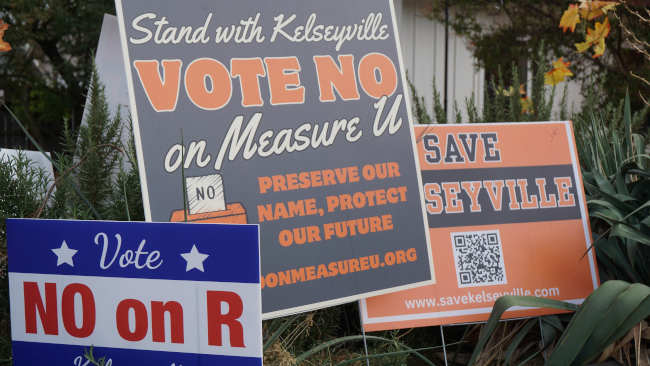
“No on Measure U” signs in downtown Kelseyville, California, on Thursday, Oct. 31, 2024. Photo by Elizabeth Larson/Lake County News. Government inaction and lack of clarity
The Kelseyville area falls under District 5 Supervisor Jessica Pyska’s constituency who told Lake County News that she spent months reaching out to state and federal agencies to clarify the process while meeting with constituents from all sides.
During that five months of inaction by the board, Pyska also was in the midst of a contested reelection bid, and her critics have pointed to that election — and her desire to be reelected — as a reason for a broader community name change discussion being put on the back burner.
In her pursuit of a second term as supervisor, she was challenged by businessman Boone Bridges, who made the name change an issue. Despite the name change controversy, Pyska was reelected on March 5 with 56.96% of the vote, compared to 43.04% received by Bridges.
Asked about the implication that the delay in bringing the issue to the board might relate to her reelection campaign, Pyska maintained the two things were not connected. “We received the letter from the BGN on Feb 24th, I was re-elected on March 5th,” she said in an email response.
Like Sabatier, Pyska found little information and guidelines about the name change process in the BGN’s February request for recommendation.
“We were just very, very unclear on what the process is — what does implementation look like? Should there be a change? And what resources are available to assist?” Pyska said, adding that she sat through calls and Zoom meetings with the BGN and California Advisory Committee on Geographic Names, or CACGN.
Yet, “every time we had a conversation, it felt like we had more questions than answers afterwards,” said Pyska. She felt that the two committees were “under-resourced” and their staff were “also frustrated.”
“No matter where you are on the spectrum,” Pyska said, “it’s just really, really hard.”
She attributed the difficulty to the BGN and CACGN: “These government agencies are making it harder.”
Ultimately, efforts to clarify the name change process resulted in the supervisors’ vote for the county-wide advisory vote on Measure U at the end of July.
In response to that action, Lake County News asked BGN if, in other name change considerations elsewhere in the country, have such ballot measures been used to advise BGN, and has it impacted BGN's decisions?
In response, U.S. Geological Survey public affairs specialist Gina Anderson wrote in an email that the BGN receives very few community name change proposals and is unaware of any ballot measures used to inform the BGN.
“Having said that, the BGN seeks input from the local government on every new proposal, and it is up to the Town/City/County Board as to how they develop their recommendation,” Anderson wrote.
The document is found to be contradictory on how the BGN takes public input.
While the BGN’s Quarterly Review List states that any interested party or individual may submit their position regarding the name change in writing, the FAQ document, however, explicitly states that “the BGN has no process for formally inviting the public to comment” and it “does not have the resources to handle large volumes of emails directly from individuals.”
Lake County News reached out to the BGN for clarification on Oct. 7.
Over two weeks later, on Oct. 23, the BGN replied, stating they “rely on local governments to synthesize and address public opinions,” adding that “a tally of emails and a brief summary of comments” would be considered.
This response, again, contradicted both its statements in the FAQ document. A clear process of the BGN’s intake of public opinion, up to this point, seems to be unattainable.
For Pyska, who said she had “worked earnestly” for months on getting this document available to the public, “what they say the county is responsible for wasn't clear.”
But that was “the most substantial response we ever got,” she said.
Pyska attributed the delay in bringing the matter to the Board of Supervisors to the slow and unclear communication with the two state and federal agencies, according to her email response to Lake County News’ follow-up questions.
For her, the lack of timely response and clear information from the BGN and CACGN has also played a part in the escalation of the local controversy over the matter.
“Because there’s no place for the public to truly understand what the process looks like,” Pyska explained.
The BGN didn’t respond to Lake County News’ email and phone inquiries on Thursday for a comment in response to Pyska’s statement.
For Alan Fletcher, a spokesperson of Citizens for Healing, the county could have done much more in the months after the application was submitted — such as hosting formal meetings for both sides to have conversations and debates, having a historian to verify the historical details and seeking a clear response from the postal office and the DMV on how a name change might impact the everyday life of local residents.
“They absolutely did nothing; absolutely not enough,” Fletcher said of the Board of Supervisors.
Now Measure U is up for a county-wide advisory vote. A "yes” vote supports the Board of Supervisors recommending approval of the town name from Kelseyville to Konocti whereas a “no” vote opposes it.
Pyska told Lake County News that she’s committed to staying neutral no matter what the vote result looks like, even if it’s a 90 to 10 vote.
“I settled that with myself a long time ago. I need to serve my whole community,” Pyska said.
But has being neutral and taking no side actually served the whole community or nobody?
“Pushing for the people to be a part of this, pushing for the people to be informed about the process,” Pyska responded, referring to putting the matter on the ballot and getting the FAQ document from the BGN. “That's what you can do when you're neutral.”
In fact, some do not think it should be put before the voters.
“We’re elected to make difficult decisions and I didn’t feel that our community should be the ones to fight over this decision,” said Supervisor Sabatier in a phone interview.
His opinion on the matter is the same as it was in July, when he was one of the two supervisors who voted against having a ballot measure.
“If people are going to be upset, I'd rather they be upset at the Board of Supervisors than be upset with each other and divide our community over it,” Sabatier added.
During the time when the county leadership did not act collectively and the federal and state agencies lacked clear guidelines, interactions among various local agencies and groups intensified the conflict.
Tribal engagement came late
Since stepping into office as Big Valley’s tribal chair in January, McCloud’s stance toward the name change has changed considerably.
At first, McCloud said he was rather indifferent.
“I wasn’t bothered either way,” he said of the name change, adding that his priority was the development of the tribe and the people.
“This wasn’t even on our radar,” said McCloud in an interview at the tribal office of Big Valley Rancheria. “It’s not like something that was do-or-die for us.”
But soon he started to find things were “bothering” him.
When he first heard about the proposal submitted to the BGN by Citizens for Healing, “I thought some of them would have been native, but then when I found out that it’s all nonnative people, then I was upset,” McCloud said. “And it still bothers me to this day.”
Did the group get the approval from the tribes before submitting the proposal?
“I would say no,” McCloud responded. “Because when I had met with the other tribal chairmen, they had not met with any of these people.”
“Some of them didn’t want to because they [Citizens for Healing] submitted the proposal for the name change and they weren’t even Native American,” he added.
For McCloud, the tribal people are the ones who would be experiencing most pushback. “It's not going to affect you guys,” said McCloud, referring to Citizens for Healing. “The ones that are going to have to feel it are our kids that are going to school and our people that live in Kelseyville.”
McCloud said he was asked to meet with Rachel White, who chairs the Save Kelseyville group that rallies against the name change, before he even met with people from Citizens for Healing, though his meeting with White took place as late as in June.
“That was kind of an issue for me,” McCloud said, adding that he had communicated the disappointment to Citizens for Healing when they finally met.
Fletcher of Citizens for Healing said that they did the tribal engagement mainly through three tribal elders including Ronald Montez, the tribal historic preservation officer for the Big Valley tribe.
In his explanation of why Citizens for Healing didn’t reach out to McCloud sooner, Fletcher said McCloud took office “only recently” and that, by that point, the name change effort was already underway.
Fletcher added, “I did not, in fact, even know that Big Valley has a new chairman, honestly.”
Was Citizens for Healing very confident that all the tribes were aware and approving of this proposal before they submitted it?
“That was my understanding; yes,” said Sides, responding to Lake County News’ questions in a phone interview late last week, after multiple text messages, emails and phone calls to reach her for about two weeks.
Sides said tribal historic preservation officers discussed the proposed name change at their meetings, and all approved the use of the name Konocti.
But she also said she had not discussed the name change issue with any of the tribal chairmen.
The first in-person meeting between her and McCloud took place on July 27, three days before the Board of Supervisors’ meeting, Sides said.
For Sides, it’s the opposition, Save Kelseyville, that created the division. “Why didn't they say this was a beautiful gift?” Sides said.
A changed mind
Even with the discontent on the lack of engagement with him, McCloud said his will to support and lead the name change has built up over the past months.
Both meetings were long and contentious, with a large number of tribal members and local community members coming up to speak during public comment.
McCloud was frustrated during those meetings “just by the feeling that I got there and that like even our children weren't even being seen or heard.”
He said just by hearing the elders, students and other members of the tribe speaking up at the meetings about their thoughts and experience of trauma, he has developed “a drive” to go for the name change which is a way of “being seen.”
Rachel White of the Save Kelseyville group recalled the first and only meeting she had with McCloud on June 5, about two weeks after she was fired by Tribal Health where she had worked as a nurse practitioner.
Her 30-day termination notice given in a generic letter without specifying a reason for the termination, she believes, was the result of her activism on the name change matter. “I know enough people, it's a small town, and you learn the truth, and the truth is that it was because of my involvement in the name change.”
The meeting between McCloud and White, like the larger name change issue, has led to two very different perspectives of what occurred.
“When I talked to him, he was against the name change. He told it to my face, with a witness present, and he said that he believes that changing the name would only make racial tension worse,” White told Lake County News in a sitdown interview at Studebakers coffee house in downtown Kelseyville.
“I don’t know who he talked to after that. I don’t know if it was pressure from his tribe,” White said, trying to figure out why McCloud’s stance changed.
While both agreed — in their respective interviews with the Lake County News — that the meeting was a friendly and respectful one, McCloud denied that he had ever told White he’s against the name change.
“I didn’t say that. I said I'm not worried about that; I’m more focused on the other direction my tribe is going,” McCloud said, adding that someone had heard what White had said and brought it up to him.
“When I heard that, I was like, you’re not going to do that,” he said. “And all the stuff I was seeing, how our people were getting treated — that’s what changed it for me, right? I was like, I’m just going all in.”
McCloud decided that the tribes were going to lead the cause and submit the argument in favor of Measure U.
By that time, Citizens for Healing had already drafted their argument but was asked to step back, Fletcher said.
White’s name appears as the first signature on the argument against Measure U on the voters’ pamphlet, which invokes substantial economic and administrative costs on businesses for the name change, and questions if Kelseyville was named to “honor any specific individual.”
It also criticizes the process. “The application to rename Kelseyville was submitted to the BGN without local input,” the document reads.
White said there were two questions: one about whether to have the name changed at all, and another about what the name changed to. For both components, “There’s been no vote; there’s been no community consensus” prior to the submission of the proposal.
For Supervisor Sabatier, the BGN process itself is “an awkward process.” It is unable to reconcile the conflict between “giving voice to a minority voice” and “to ensure that voices can be heard and decisions can be made based on all voices that represent our community,” according to Sabatier.
What happens next and the vote’s potential aftermath
Once the votes are cast on or before Election Day on Nov. 5, it will take 30 days to certify the election.
After that, “This will go back to the Board of Supervisors for a final discussion,” said Pyska, who emphasized she is committed to remain neutral regardless of the result.
It became clear at the Board of Supervisors’ special meeting in July that, whatever the result of the advisory measure, the supervisors are poised to recommend changing the town’s name to the BGN, as all supervisors other than Pyska supported the name change.
But in a recent interview, when asked how the voting result would possibly impact his decision, Sabatier found it hard to know how he would react. He said he couldn’t speak about his feelings for the future.
Sabatier also said he’s worried about the aftermath after the election, “because once it’s out there in writing, I fear that it may be difficult to look at it depending on what side of the issue you’re on.”
So far, neither CACGN or BGN have given indications publicly of when they might make decisions on the name change proposal.
For McCloud, no matter whether the name gets changed, the tribe will take the most “pushback” among all stakeholders.
If the name gets changed, “We’ll have to deal with the negativity,” which McCloud believes will be a long term sentiment.
And if the name doesn’t get changed after all, he believes the pushback toward them “won’t be as bad.”
McCloud said he would prefer to deal with the bigger pressure from the name being changed.
“If that name changes, our kids, when they go they'll be able to say — you know what, we got that name changed,” McCloud said. “We got that name changed from that person that did that to our grandmothers and our grandfathers.”
For White, there will be no winners either way.
“What exactly are we trying to win here?” she asked.
“I know both sides will not give up,” White said. “So despite this election, I feel like it's going to be an ongoing issue, unfortunately.”
Editor’s note: A previous version of this story incorrectly stated that Rachel White previously worked as a nurse at Lake County Tribal Health. She actually served as a nurse practitioner.
Email Lingzi Chen at This email address is being protected from spambots. You need JavaScript enabled to view it..
Editor/Publisher Elizabeth Larson contributed to this report. Email her at This email address is being protected from spambots. You need JavaScript enabled to view it..
 How to resolve AdBlock issue?