How to resolve AdBlock issue?
 News
LAKE COUNTY, Calif. — Voters across Lake County this fall will weigh in on the ongoing controversy over the proposed name change for the town of Kelseyville.
At the end of a three and a half hour long special meeting on Tuesday, the Board of Supervisors voted 3-2 to approve a countywide advisory measure on the Nov. 5 presidential election ballot on changing the name from Kelseyville — which has been in place since 1882 — to “Konocti.”
Supervisors Bruno Sabatier and Michael Green voted against the measure, maintaining instead that the board needed to submit a recommendation directly to the federal agency now reviewing the proposal.
District 5 Supervisor Jessica Pyska, along with County Administrative Officer Susan Parker, crafted two draft resolutions for consideration, one for all Lake County voters to consider and one that would only be voted upon by Kelseyville Unified School District residents.
The majority of those supporting the name change effort at Tuesday’s meeting advocated for the countywide vote, although many said the board should make the decision and not put it to voters.
It became clear that, whatever the result of the advisory measure, the Board of Supervisors is poised to recommend changing the town’s name to the state and federal agencies tasked with making the final decision, with members suggesting they would not honor a majority that opposed that decision.
While Pyska, whose district is ground zero for the matter, said she intended to remain neutral, the rest of the supervisors were clear in their support for changing the name of the town.
Proponents advocate for renaming the unincorporated community “Konocti” in order to stop honoring the memory of Andrew Kelsey, who along with Charles Stone brutalized natives during a two-year period. They were said to have enslaved, raped and killed tribal members, which prompted the tribes to kill them in 1849.
Their killings led to still more retaliatory killings by Kelsey’s brother and by the U.S. Army, the latter carrying out the Bloody Island massacre near Nice in May of 1850.
In October, the group calling itself Citizens for Healing submitted an application to the United States Board on Geographic Names, or BGN, which is within the United States Geological Survey.
The BGN website said it was created in 1890 “and established in its present form by Public Law in 1947 to maintain uniform geographic name usage throughout the Federal Government. The BGN comprises representatives of Federal agencies concerned with geographic information, population, ecology, and management of public lands.”
Kelseyville’s name change has gone to BGN because it’s not an incorporated community.
Pyska said she had spent a long time researching the process in order to bring options to the board.
She said the BGN has asked the supervisors for a recommendation, but that they “haven’t been able” to have that discussion. Pyska said she’s had some discussion with Supervisor EJ Crandell and Board Chair Bruno Sabatier.
Pyska said the options are no response, or to provide a response to BGN which is yes, no or neutral.
She said she wouldn’t give a recommendation, that she made a commitment to support the community through the process.
The ballot measure, Pyska said, is a nonbinding way to understand what people want, and the results can be provided to BGN as the recommendation.
“I think that this is going to cost money. I’m not sure that this is the best use of tax dollars to do,” and won’t get consensus, Sabatier said.
Supervisor Michael Green was not concerned about cost. He said he was surprised by the agenda item, as he was waiting for the board to do what BGN asked them to do and give an opinion.
“It is our right and responsibility to respond to BGN,” Green said.
Green said the board is one of the most diverse in Lake County history, referring to supervisors Crandall and Moke Simon, who are both Pomo. “You’re asking us to mute their voices.”
He said he felt using the school district boundaries was inherently unfair and “fatally flawed.”
“I have thought about this for a long time, how we work through this,” said Pyska, adding that Registrar of Voters Maria Valadez could speak to cost. “As far as the boundaries go, there is no perfect way to do this.”
In order to put the matter on the ballot, Pyska said it needed a defined voting district.
She urged them to move forward, “The sooner the better,” because “we’ve all been through a lot.”
Valadez shared some numbers regarding past elections, noting that the March presidential primary and the November 2022 general election both topped $300,000. This election won’t cost as much for the ballot measure alone as there are already other items on the ballot.
She said she couldn’t give an exact cost, although she estimated it shouldn’t cost more than $50,000 to add the advisory measure to the ballot, a number which would be repeated throughout the meeting, with Valadez not given a chance later to offer further explanation. She did, however, share further details with Lake County News, including emphasizing that she didn’t want to be held to that $50,000 number, which was just an estimate.
Simon said it was “a very delicate conversation we’re going to have today. It’s been kind of building up to this point I think.” He then suggested a vote needed to be countywide.
“I want the opportunity for the Indigenous people that have been here forever to see where we stand in this county. Every vote that we’ve taken, I think I know the outcome already. But I want it on the record. I want it on the record. I’ve walked through these halls. I’ve heard how racist this community is and I’ve seen and tried to work together and bring it together. I want to see if we’ve learned anything in the past 400 years here in this country, in this county, how we move forward. I want it on the record,” said Simon.
He said it’s an opportunity for him to really understand what kind of community he walks in and what kind of people are here. Simon said he thinks the county is moving in the right direction but the vote would solidify his thoughts.
Simon said he appreciated Green’s statement about silencing the native voices on the board, and he imagined for some people it’s scary to have tribal board members.
He said he hoped everyone was respectful, but that he didn’t agree with keeping the Kelseyville name.
A divided public
In the county’s eComment feature on its website, 34 comments were submitted. Of those, 27 were against the name change, with 26 supporting that the advisory measure be limited to Kelseyville and one wanting it to be countywide. The remaining seven supported the name change and the countywide measure.
Another 25 individuals submitted letters posted with the meeting materials. Of those, 20 objected to the name change with the other five supporting it. Not all of them weighed in on the advisory measure.
Sabatier established a rule to allow only two minutes — rather than three — for public comment during Tuesday’s meeting.
Lake County News counted 63 total public commenters, of which 40 supported the name change — and most also spoke in support of countywide vote — while the remainder were against the name change or the vote, with a few specifically calling on the board to make the decision.
Community members who spoke noted the name change’s divisive nature, with some of them, like Rachel White — who chairs the Save Kelseyville group — stating that it’s been inflammatory and not about forgiveness.
Others said the matter is about addressing long standing trauma, especially for young people.
Still other commenters denied that the community is racist, and testified that residents are loving and supportive. Several also raised issues with being called racists and white supremacists because they didn’t support the name change.
There also were commenters who faulted the board, and Pyska in particular, for not taking more decisive action.
Numerous members of tribes around the lake spoke in support of the name change.
Patricia Franklin, a member of the Scotts Valley Band of Pomo who attended via Zoom, supported the board making the decision but, failing that, going to a countywide vote. “The wounds are not old, they are present.”
Flaman McCloud Jr., chair of the Big Valley Pomo tribal council, said the supervisors should make the decision.
“The people voted to have you guys up there to speak for your districts,” McCloud said. “That’s what you should do.”
McCloud said every Lake County tribe is outside of the school district boundary, adding, “Yes, it does affect the whole county.”
Lorna Sue Sides, the name change proponent who submitted the application to BGN, didn’t want a vote, but rather wanted the board to send opinions to the BGN so the process could move forward.
“If it does go to a vote it’s going to be a very ugly campaign,” said Sides. “It’s going to pit neighbor against neighbor.”
Sides said she also wanted the county to address the name’s offense and the sins of Kelsey in the measure.
Mark Borghesani, owner of Kelseyville Lumber, supported an advisory vote of the Kelseyville community.
Borghesani said he’s spent his entire life in building up Kelseyville and building a brand. “At no time have we ever discussed honoring Andrew Kelsey.”
“Ripping the heart and the soul out of a town is not building bridges where there’s walls,” Borghesani said.
Retired attorney Peter Windrem said the name Kelseyville means different things to different people. Some see the ghost of Andrew Kelsey, while others see a beautiful friendly country town.
“The tragedy of the vote is that there's a winner and a loser. There's no compromise,” Windrem said. “It’s a winner and a loser. And that further divides these two communities. It is not a healing process at all.”
Windrem also didn’t think the name “Konocti” is a good option, and there hasn’t been a chance to discuss another name. He said the process also disregards the work over the last 50 or more years to make the town something other than the legacy of Andrew Kelsey.
“We need to take time and spend an immense amount of time trying to get a result that does not harm so many innocent people,” Windrem said.
The board was urged to make the vote countywide because, as Jesus Campanero of Robinson Rancheria’s tribal council told them, Kelsey’s genocide went all around the lake.
However, Kelseyville residents like Tammy Myers were frustrated at allowing people outside of Kelseyville to vote when they would not have the same impacts as residents.
Farmer Myron Holdenried pointed out the challenges for business and individuals when it comes to bureaucratic requirements of the name change. “Will the rest of the county have to do this? No,” he said, explaining his support for keeping the vote to the Kelseyville area.
Holdenried also asked, “Will changing the name really heal all of the problems?”
Beniakem Cromwell, tribal chair of Robinson Rancheria who lives in the Kelseyville Riviera, said he has an emotional commute, passing Bloody Island on the way to work.
Cromwell, who also formerly served on the Kelseyville Unified School Board, said the descendants of those who survived Kelsey should be able to vote, although he wished the board would make the determination.
Board expresses name change support
After the board closed public comment, which lasted about two and a half hours, Pyska said she hoped that everyone felt they had been heard.
She said they could have more discussions about what to do with data from vote, adding the vote does not have to replace a recommendation from the board.
Simon took issue with Pyska’s statements, asking why she hadn’t brought a decision on the matter to the board. “I’m ready to make a decision. You know my thoughts on it.”
He added, “I want to get it done.”
Responding to Holdenried’s question about whether the name change would heal all the problems, Simon said, “This name change happens, it will start the healing, whether you believe it or not, for the Indigenous people in this community,” adding the healing process will be a long one.
Green said he was surprised and disappointed that an alternative couldn’t have been a draft letter to BGN with a range of opinions.
Sabatier said asking for a majority vote goes against what the process is about. He suggested the hurt about changing Kelseyville’s name is the same hurt Indigenous people have had due to having their culture and names taken away. “You have more in common than you don’t.”
He added that the board should take the responsibility and respond to BGN.
Citing bad treatment of native peoples, Crandell claimed there’s a reason natives don’t live in Kelseyville. However, Crandell’s statement about Kelseyville not having Indigenous residents is not supported by U.S. Census data.
Census records show that people of American Indian or Alaskan Native descent accounted for 11% of the population of the Kelseyville census designated place in 2020, versus 7% in Lake County as a whole. In addition, the Indigenous population grew by 64% between 2010 and 2020 in Kelseyville, and by 42% countywide in the same time frame.
Valadez told the board that if they went forward with the election, she would ask the county counsel to conduct an analysis of the ballot measure.
Green questioned if it would be a fair election, as he said he had information that the Save Kelseyville group already had been fundraising since April. He suggested it was patently unfair.
When Valadez attempted to respond to Green’s statement, Green spoke over her and she was not able to respond.
He said Native Americans were decimated and future Native Americans were prevented from meaningfully participating “in what we’re proposing today.”
Crandell said the countywide advisory vote is the way to go because he suggested that in future years the board — with a different composition — could find itself once again facing the question.
Ultimately, Simon moved to hold a countywide advisory election, with the jurisdiction to be expanded to include the cities of Clearlake and Lakeport. The board voted 3-2 to pass the motion.
Registrar of voters further explains potential costs
On Tuesday afternoon, Valadez explained for Lake County News potential costs for the special election based on past elections.
She said the September 2021 gubernatorial recall election cost the county $250,000. The ballots and booklets alone were a little over $100,000, plus postage, supplies and services, and labor costs.
The general election of November 2022, which included the governor’s race and 11 special district elections in Lake County, cost around $322,000, she said.
The presidential primary this past March came in at about $300,000, Valadez said.
Standalone elections can run around $250,000. However, since there is already an election in November, Valadez said the advisory measure itself will be folded into that election and won’t cost as much.
The November ballot will be a full one. In addition to the U.S. presidential election, there will be 10 state ballot measures, the District 1 supervisorial race runoff, city council races in Clearlake and Lakeport, bond measures for the Kelseyville and Konocti Unified school districts, South Lake County Fire Protection District’s appropriations limit and potentially many more special district seats, Valadez reported.
Email Elizabeth Larson atThis email address is being protected from spambots. You need JavaScript enabled to view it. . Follow her on Twitter, @ERLarson, or Lake County News, @LakeCoNews.
At the end of a three and a half hour long special meeting on Tuesday, the Board of Supervisors voted 3-2 to approve a countywide advisory measure on the Nov. 5 presidential election ballot on changing the name from Kelseyville — which has been in place since 1882 — to “Konocti.”
Supervisors Bruno Sabatier and Michael Green voted against the measure, maintaining instead that the board needed to submit a recommendation directly to the federal agency now reviewing the proposal.
District 5 Supervisor Jessica Pyska, along with County Administrative Officer Susan Parker, crafted two draft resolutions for consideration, one for all Lake County voters to consider and one that would only be voted upon by Kelseyville Unified School District residents.
The majority of those supporting the name change effort at Tuesday’s meeting advocated for the countywide vote, although many said the board should make the decision and not put it to voters.
It became clear that, whatever the result of the advisory measure, the Board of Supervisors is poised to recommend changing the town’s name to the state and federal agencies tasked with making the final decision, with members suggesting they would not honor a majority that opposed that decision.
While Pyska, whose district is ground zero for the matter, said she intended to remain neutral, the rest of the supervisors were clear in their support for changing the name of the town.
Proponents advocate for renaming the unincorporated community “Konocti” in order to stop honoring the memory of Andrew Kelsey, who along with Charles Stone brutalized natives during a two-year period. They were said to have enslaved, raped and killed tribal members, which prompted the tribes to kill them in 1849.
Their killings led to still more retaliatory killings by Kelsey’s brother and by the U.S. Army, the latter carrying out the Bloody Island massacre near Nice in May of 1850.
In October, the group calling itself Citizens for Healing submitted an application to the United States Board on Geographic Names, or BGN, which is within the United States Geological Survey.
The BGN website said it was created in 1890 “and established in its present form by Public Law in 1947 to maintain uniform geographic name usage throughout the Federal Government. The BGN comprises representatives of Federal agencies concerned with geographic information, population, ecology, and management of public lands.”
Kelseyville’s name change has gone to BGN because it’s not an incorporated community.
Pyska said she had spent a long time researching the process in order to bring options to the board.
She said the BGN has asked the supervisors for a recommendation, but that they “haven’t been able” to have that discussion. Pyska said she’s had some discussion with Supervisor EJ Crandell and Board Chair Bruno Sabatier.
Pyska said the options are no response, or to provide a response to BGN which is yes, no or neutral.
She said she wouldn’t give a recommendation, that she made a commitment to support the community through the process.
The ballot measure, Pyska said, is a nonbinding way to understand what people want, and the results can be provided to BGN as the recommendation.
“I think that this is going to cost money. I’m not sure that this is the best use of tax dollars to do,” and won’t get consensus, Sabatier said.
Supervisor Michael Green was not concerned about cost. He said he was surprised by the agenda item, as he was waiting for the board to do what BGN asked them to do and give an opinion.
“It is our right and responsibility to respond to BGN,” Green said.
Green said the board is one of the most diverse in Lake County history, referring to supervisors Crandall and Moke Simon, who are both Pomo. “You’re asking us to mute their voices.”
He said he felt using the school district boundaries was inherently unfair and “fatally flawed.”
“I have thought about this for a long time, how we work through this,” said Pyska, adding that Registrar of Voters Maria Valadez could speak to cost. “As far as the boundaries go, there is no perfect way to do this.”
In order to put the matter on the ballot, Pyska said it needed a defined voting district.
She urged them to move forward, “The sooner the better,” because “we’ve all been through a lot.”
Valadez shared some numbers regarding past elections, noting that the March presidential primary and the November 2022 general election both topped $300,000. This election won’t cost as much for the ballot measure alone as there are already other items on the ballot.
She said she couldn’t give an exact cost, although she estimated it shouldn’t cost more than $50,000 to add the advisory measure to the ballot, a number which would be repeated throughout the meeting, with Valadez not given a chance later to offer further explanation. She did, however, share further details with Lake County News, including emphasizing that she didn’t want to be held to that $50,000 number, which was just an estimate.
Simon said it was “a very delicate conversation we’re going to have today. It’s been kind of building up to this point I think.” He then suggested a vote needed to be countywide.
“I want the opportunity for the Indigenous people that have been here forever to see where we stand in this county. Every vote that we’ve taken, I think I know the outcome already. But I want it on the record. I want it on the record. I’ve walked through these halls. I’ve heard how racist this community is and I’ve seen and tried to work together and bring it together. I want to see if we’ve learned anything in the past 400 years here in this country, in this county, how we move forward. I want it on the record,” said Simon.
He said it’s an opportunity for him to really understand what kind of community he walks in and what kind of people are here. Simon said he thinks the county is moving in the right direction but the vote would solidify his thoughts.
Simon said he appreciated Green’s statement about silencing the native voices on the board, and he imagined for some people it’s scary to have tribal board members.
He said he hoped everyone was respectful, but that he didn’t agree with keeping the Kelseyville name.
A divided public
In the county’s eComment feature on its website, 34 comments were submitted. Of those, 27 were against the name change, with 26 supporting that the advisory measure be limited to Kelseyville and one wanting it to be countywide. The remaining seven supported the name change and the countywide measure.
Another 25 individuals submitted letters posted with the meeting materials. Of those, 20 objected to the name change with the other five supporting it. Not all of them weighed in on the advisory measure.
Sabatier established a rule to allow only two minutes — rather than three — for public comment during Tuesday’s meeting.
Lake County News counted 63 total public commenters, of which 40 supported the name change — and most also spoke in support of countywide vote — while the remainder were against the name change or the vote, with a few specifically calling on the board to make the decision.
Community members who spoke noted the name change’s divisive nature, with some of them, like Rachel White — who chairs the Save Kelseyville group — stating that it’s been inflammatory and not about forgiveness.
Others said the matter is about addressing long standing trauma, especially for young people.
Still other commenters denied that the community is racist, and testified that residents are loving and supportive. Several also raised issues with being called racists and white supremacists because they didn’t support the name change.
There also were commenters who faulted the board, and Pyska in particular, for not taking more decisive action.
Numerous members of tribes around the lake spoke in support of the name change.
Patricia Franklin, a member of the Scotts Valley Band of Pomo who attended via Zoom, supported the board making the decision but, failing that, going to a countywide vote. “The wounds are not old, they are present.”
Flaman McCloud Jr., chair of the Big Valley Pomo tribal council, said the supervisors should make the decision.
“The people voted to have you guys up there to speak for your districts,” McCloud said. “That’s what you should do.”
McCloud said every Lake County tribe is outside of the school district boundary, adding, “Yes, it does affect the whole county.”
Lorna Sue Sides, the name change proponent who submitted the application to BGN, didn’t want a vote, but rather wanted the board to send opinions to the BGN so the process could move forward.
“If it does go to a vote it’s going to be a very ugly campaign,” said Sides. “It’s going to pit neighbor against neighbor.”
Sides said she also wanted the county to address the name’s offense and the sins of Kelsey in the measure.
Mark Borghesani, owner of Kelseyville Lumber, supported an advisory vote of the Kelseyville community.
Borghesani said he’s spent his entire life in building up Kelseyville and building a brand. “At no time have we ever discussed honoring Andrew Kelsey.”
“Ripping the heart and the soul out of a town is not building bridges where there’s walls,” Borghesani said.
Retired attorney Peter Windrem said the name Kelseyville means different things to different people. Some see the ghost of Andrew Kelsey, while others see a beautiful friendly country town.
“The tragedy of the vote is that there's a winner and a loser. There's no compromise,” Windrem said. “It’s a winner and a loser. And that further divides these two communities. It is not a healing process at all.”
Windrem also didn’t think the name “Konocti” is a good option, and there hasn’t been a chance to discuss another name. He said the process also disregards the work over the last 50 or more years to make the town something other than the legacy of Andrew Kelsey.
“We need to take time and spend an immense amount of time trying to get a result that does not harm so many innocent people,” Windrem said.
The board was urged to make the vote countywide because, as Jesus Campanero of Robinson Rancheria’s tribal council told them, Kelsey’s genocide went all around the lake.
However, Kelseyville residents like Tammy Myers were frustrated at allowing people outside of Kelseyville to vote when they would not have the same impacts as residents.
Farmer Myron Holdenried pointed out the challenges for business and individuals when it comes to bureaucratic requirements of the name change. “Will the rest of the county have to do this? No,” he said, explaining his support for keeping the vote to the Kelseyville area.
Holdenried also asked, “Will changing the name really heal all of the problems?”
Beniakem Cromwell, tribal chair of Robinson Rancheria who lives in the Kelseyville Riviera, said he has an emotional commute, passing Bloody Island on the way to work.
Cromwell, who also formerly served on the Kelseyville Unified School Board, said the descendants of those who survived Kelsey should be able to vote, although he wished the board would make the determination.
Board expresses name change support
After the board closed public comment, which lasted about two and a half hours, Pyska said she hoped that everyone felt they had been heard.
She said they could have more discussions about what to do with data from vote, adding the vote does not have to replace a recommendation from the board.
Simon took issue with Pyska’s statements, asking why she hadn’t brought a decision on the matter to the board. “I’m ready to make a decision. You know my thoughts on it.”
He added, “I want to get it done.”
Responding to Holdenried’s question about whether the name change would heal all the problems, Simon said, “This name change happens, it will start the healing, whether you believe it or not, for the Indigenous people in this community,” adding the healing process will be a long one.
Green said he was surprised and disappointed that an alternative couldn’t have been a draft letter to BGN with a range of opinions.
Sabatier said asking for a majority vote goes against what the process is about. He suggested the hurt about changing Kelseyville’s name is the same hurt Indigenous people have had due to having their culture and names taken away. “You have more in common than you don’t.”
He added that the board should take the responsibility and respond to BGN.
Citing bad treatment of native peoples, Crandell claimed there’s a reason natives don’t live in Kelseyville. However, Crandell’s statement about Kelseyville not having Indigenous residents is not supported by U.S. Census data.
Census records show that people of American Indian or Alaskan Native descent accounted for 11% of the population of the Kelseyville census designated place in 2020, versus 7% in Lake County as a whole. In addition, the Indigenous population grew by 64% between 2010 and 2020 in Kelseyville, and by 42% countywide in the same time frame.
Valadez told the board that if they went forward with the election, she would ask the county counsel to conduct an analysis of the ballot measure.
Green questioned if it would be a fair election, as he said he had information that the Save Kelseyville group already had been fundraising since April. He suggested it was patently unfair.
When Valadez attempted to respond to Green’s statement, Green spoke over her and she was not able to respond.
He said Native Americans were decimated and future Native Americans were prevented from meaningfully participating “in what we’re proposing today.”
Crandell said the countywide advisory vote is the way to go because he suggested that in future years the board — with a different composition — could find itself once again facing the question.
Ultimately, Simon moved to hold a countywide advisory election, with the jurisdiction to be expanded to include the cities of Clearlake and Lakeport. The board voted 3-2 to pass the motion.
Registrar of voters further explains potential costs
On Tuesday afternoon, Valadez explained for Lake County News potential costs for the special election based on past elections.
She said the September 2021 gubernatorial recall election cost the county $250,000. The ballots and booklets alone were a little over $100,000, plus postage, supplies and services, and labor costs.
The general election of November 2022, which included the governor’s race and 11 special district elections in Lake County, cost around $322,000, she said.
The presidential primary this past March came in at about $300,000, Valadez said.
Standalone elections can run around $250,000. However, since there is already an election in November, Valadez said the advisory measure itself will be folded into that election and won’t cost as much.
The November ballot will be a full one. In addition to the U.S. presidential election, there will be 10 state ballot measures, the District 1 supervisorial race runoff, city council races in Clearlake and Lakeport, bond measures for the Kelseyville and Konocti Unified school districts, South Lake County Fire Protection District’s appropriations limit and potentially many more special district seats, Valadez reported.
Email Elizabeth Larson at
- Details
- Written by: Elizabeth Larson
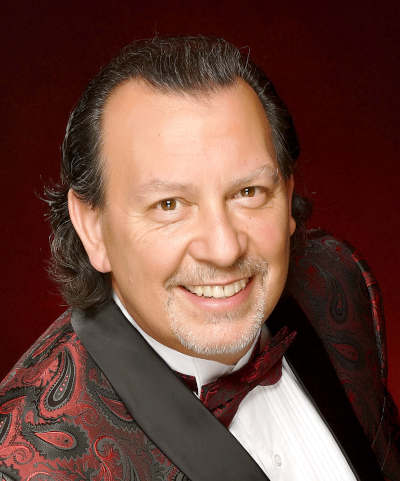
LAKEPORT, Calif. — The Lake County Chamber of Commerce announced the appointment of Greg Folsom as its new interim administrator.
Folsom brings a wealth of experience and a strong commitment to community service to his new role with the Chamber.
He served as the city manager for Clearlake from 2015 through 2019, where he played a pivotal role in numerous development projects and community initiatives that significantly enhanced the city's growth and prosperity.
Following his tenure in Clearlake, Folsom took on the role of city manager for Suisun City, serving from 2019 until 2023.
During his time in Suisun City, he continued to demonstrate his expertise in municipal management and community engagement.
Folsom has recently relocated back to his home in Clearlake, where he is excited to bring his extensive experience and passion for community development to the Lake County Chamber of Commerce.
As interim administrator, Folsom will work closely with local businesses, community leaders, and stakeholders to support and enhance the economic vitality of Lake County.
“I am thrilled to be back in Clearlake and to have the opportunity to work with the Lake County Chamber of Commerce,” Folsom said. “I look forward to collaborating with the Chamber's board, members, and the entire community to promote business growth and foster a thriving economic environment in Lake County.”
The Lake County Chamber of Commerce is confident that Folsom’s leadership and vision will be instrumental in advancing the chamber's mission and goals during this transitional period.
His proven track record of effective leadership and dedication to community service makes him an excellent fit for this role, the chamber said.
- Details
- Written by: Lake County News reports
LAKE COUNTY, Calif. — The National Endowment for the Arts, or NEA, in partnership with Arts Midwest, has announced support for 62 nonprofit organizations across the country to hold NEA Big Read programming in 2024 to 2025.
Among the grantees is the Lake County Library, a recipient of an $8,000 grant to host the NEA Big Read countywide with dynamic community reading programs.
The Lake County Library has selected “The Bear” by Andrew Krivak for programming in September and October of 2024.
In total, the NEA is investing $1,075,000 to support programming around a book from the NEA Big Read Library, with the goal of inspiring meaningful conversations, celebrating local creativity, elevating a wide variety of voices and perspectives, and building stronger connections in each community.
The NEA Big Read showcases a diverse range of contemporary titles that reflect many different voices and perspectives, aiming to inspire conversation and discovery. Community programming during this cycle is focused on the theme “Where We Live.”
Grantees chose their NEA Big Read book based on how its themes, characters, and setting relate to the unique aspects of their community.
Inspired by “The Bear” with its homage to earth, wilderness, and survival, the Lake County NEA Big Read project will explore the theme of “Where we live” with programming that will honor the homeland of Lake County, California, exploring local resources, landscapes, and survival skills while turning to “The Bear” for meaningful discussions.
With this year’s NEA Big Read, free paperback books will be provided to library patrons and e-books and audiobooks will also be available for more inclusive literacy accessibility.
Author Andrew Krivak is an award-winning writer whose books include “The Bear,” a Banff Mountain Book Competition winner, Massachusetts Book Awards winner, and National Endowment for the Arts Big Read selection, as well as the freestanding novels of the “Dardan Trilogy: The Sojourn,” a National Book Award finalist and winner of both the Chautauqua Prize and Dayton Literary Peace Prize; “The Signal Flame,” a Chautauqua Prize finalist; and “Like the Appearance of Horses,” a Library Journal “Best Book of the Year” and Indie Next List for Reading Groups selection.
He lives with his wife and three children in Somerville, Massachusetts, and Jaffrey, New Hampshire, in the shadow of Mount Monadnock, which inspired much of the landscape in The Bear.
The Lake County Library is currently planning the Big Read calendar of events as they confirm partnerships.
Follow the Lake County Library on Facebook, Instagram and Twitter, or sign up for their online newsletter for updates. Visit the Lake County Library’s website at http://library.lakecountyca.gov.
Residents can also visit the local Big Read website at http://www.lakecountybigread.com/ to sign up for the Lake County Big Read newsletter and stay tuned for a calendar of events, or follow us on Facebook at https://www.facebook.com/LakeCountyBigRead/.
Georgina Marie Guardado is the coordinator for the Lake County literacy Program.
Among the grantees is the Lake County Library, a recipient of an $8,000 grant to host the NEA Big Read countywide with dynamic community reading programs.
The Lake County Library has selected “The Bear” by Andrew Krivak for programming in September and October of 2024.
In total, the NEA is investing $1,075,000 to support programming around a book from the NEA Big Read Library, with the goal of inspiring meaningful conversations, celebrating local creativity, elevating a wide variety of voices and perspectives, and building stronger connections in each community.
The NEA Big Read showcases a diverse range of contemporary titles that reflect many different voices and perspectives, aiming to inspire conversation and discovery. Community programming during this cycle is focused on the theme “Where We Live.”
Grantees chose their NEA Big Read book based on how its themes, characters, and setting relate to the unique aspects of their community.
Inspired by “The Bear” with its homage to earth, wilderness, and survival, the Lake County NEA Big Read project will explore the theme of “Where we live” with programming that will honor the homeland of Lake County, California, exploring local resources, landscapes, and survival skills while turning to “The Bear” for meaningful discussions.
With this year’s NEA Big Read, free paperback books will be provided to library patrons and e-books and audiobooks will also be available for more inclusive literacy accessibility.
Author Andrew Krivak is an award-winning writer whose books include “The Bear,” a Banff Mountain Book Competition winner, Massachusetts Book Awards winner, and National Endowment for the Arts Big Read selection, as well as the freestanding novels of the “Dardan Trilogy: The Sojourn,” a National Book Award finalist and winner of both the Chautauqua Prize and Dayton Literary Peace Prize; “The Signal Flame,” a Chautauqua Prize finalist; and “Like the Appearance of Horses,” a Library Journal “Best Book of the Year” and Indie Next List for Reading Groups selection.
He lives with his wife and three children in Somerville, Massachusetts, and Jaffrey, New Hampshire, in the shadow of Mount Monadnock, which inspired much of the landscape in The Bear.
The Lake County Library is currently planning the Big Read calendar of events as they confirm partnerships.
Follow the Lake County Library on Facebook, Instagram and Twitter, or sign up for their online newsletter for updates. Visit the Lake County Library’s website at http://library.lakecountyca.gov.
Residents can also visit the local Big Read website at http://www.lakecountybigread.com/ to sign up for the Lake County Big Read newsletter and stay tuned for a calendar of events, or follow us on Facebook at https://www.facebook.com/LakeCountyBigRead/.
Georgina Marie Guardado is the coordinator for the Lake County literacy Program.
- Details
- Written by: Georgina Marie Guardado
LAKE COUNTY, Calif. — The California Highway Patrol’s Clear Lake Area office will conduct a driving under the influence and driver license safety checkpoint on Friday, Aug. 2, somewhere within the unincorporated area of Lake County.
The goal of the CHP is to ensure the safe passage of each and every motorist by targeting roads where there is a high frequency of intoxicated or unlicensed drivers.
A sobriety/driver license checkpoint is a proven effective tool for achieving this goal and is designed to augment existing patrol operations.
Vehicles will be checked for drivers who are under the influence of alcohol or drugs or driving unlicensed.
The objective is to send a clear message to those individuals that consider driving and mixing alcohol or drugs, or driving when unlicensed, that you will be caught and your vehicle will be towed away.
Funding for this program was provided from a grant from the California Office of Traffic Safety through the National Highway Traffic Safety Administration.
The goal of the CHP is to ensure the safe passage of each and every motorist by targeting roads where there is a high frequency of intoxicated or unlicensed drivers.
A sobriety/driver license checkpoint is a proven effective tool for achieving this goal and is designed to augment existing patrol operations.
Vehicles will be checked for drivers who are under the influence of alcohol or drugs or driving unlicensed.
The objective is to send a clear message to those individuals that consider driving and mixing alcohol or drugs, or driving when unlicensed, that you will be caught and your vehicle will be towed away.
Funding for this program was provided from a grant from the California Office of Traffic Safety through the National Highway Traffic Safety Administration.
- Details
- Written by: Lake County News reports
LAKE COUNTY, Calif. — The effort to build a major new resort near Middletown is taking another step forward with the issuance of a new draft environmental document that comes two and a half years after a judge ruled that the county approved it without adequately considering wildfire evacuation impacts.
Last week, the county of Lake released the notice of availability for the new draft partially revised environmental impact report, or DPREIR, for the Guenoc Valley Mixed-Use Development Project, which also is known as Maha Guenoc Valley.
The document includes the project’s improvements to address wildfire, prevention safety and emergency response measures as well as additional measures to reduce greenhouse gas emissions and protect local water supplies, which have been concerns since the project got off the ground about eight years ago.
“The release of the DPREIR is an important milestone for the Guenoc Valley Project, which has undergone extensive environmental review by state and local officials. Proposed modifications to the project outlined in the DPREIR include enhancements to emergency evacuation and response and wildfire prevention, and additional measures to reduce greenhouse gas emissions and protect local water supplies. These revisions build on our mission of protecting the community and environment and will make this master planned community the benchmark for wildfire and climate resiliency in California,” said the Guenoc Valley Project team in a statement released to Lake County News.
The Board of Supervisors approved the first phase of the project in July 2020.
At that point, the plan included 385 residential villas in five subdivisions; five boutique hotels with 127 hotel units and 141 resort residential cottages; 20 campsites; up to 100 workforce housing cohousing units; an outdoor entertainment area, spa and wellness amenities, sports fields, equestrian areas, a new golf course and practice facility, camping area and commercial and retail facilities; agricultural production and support facilities; essential accessory facilities, including back of house facilities; 50 temporary workforce hotel units; emergency response and fire center; a float plane dock; and helipads.
Two months after that approval, the Center for Biological Diversity and the California Native Plant Society, with the California Attorney General’s Office intervening in support of them, sued the county over the project.
Judge J. David Markham presided over the trial in the case in the fall of 2021, and in January of 2022 handed down a ruling that found that the county had based its conclusions about the impact on community fire evacuation routes being less than significant on the opinions of traffic engineers, law enforcement and fire personnel.
Markham found that those opinions “were not based on any identifiable facts,” and therefore were not legally insufficient to be considered as “substantial evidence” under the California Environmental Quality Act.
He ruled the county’s environmental impact report, or EIR, was insufficient due to its conclusions on wildfire evacuation routes matter and ordered the county to set its final EIR certification aside, along with findings regarding the emergency evacuation plan and the project’s approval.
As a result, the document had to be revamped.
A reworked plan
Asked about the specific changes to the plan, the Guenoc Valley Project team told Lake County News that the new DPREIR’s amendments would allow for the development of up to 400 hotel rooms, 450 resort residential units, 1,400 residential estates, and 500 workforce co-housing units within the zoning district.
That’s not much different in size from the original plan that the county approved. However, the Markham ruling addressed evacuation routes, not density.
The team said the project modifications revise the original project analyzed in the 2020 EIR such that 25 building sites within the equestrian center area and 39 building sites within the northeastern portion of the project site would be relocated further from the wildland/urban interface, and various connector roads and road buffers would be added.
The project modifications include voluntary measures and some contained within a January 2023 settlement agreement with the state of California, and which are intended to further reduce the wildfire risks and greenhouse gas emissions associated with the proposed project, the team reported.
The team listed the following project modifications of note:
• A new proposed emergency route called the Grange Road Connector will connect the Guenoc Valley Site with the county-maintained Grange Road to the north. The Grange Road Connector will be approximately 3.9 miles, with 2.2 miles occurring on the Guenoc Valley Site and 1.7 miles sited on the off-site property to the north.
• Relocating 25 residential building sites that the 2020 Project would have located on a hilltop near the proposed equestrian center and 39 residential building sites that the 2020 project would have located within the northeastern portion of the project site such that they would be located further from the wildland/urban interface.
• Reconfiguring the roadway plan so that there are no dead-end, non-looped road segments that exceed 1-mile in length;
• Improving an area of approximately 10 feet on each side of roadways with hardscape, to the extent topography permits;
• Removal of the camping area in the northern portion of the property;
• Funding and staffing commitments for the onsite Emergency Response Center; and
• Various renewable energy commitments and greenhouse gas reduction measures that will not change the development footprint.
“We remain focused on working with county officials, community members and fire safety experts so that this first-of-its kind project can continue to move forward and bring increased fire safety and economic opportunity to the region,” the Guenoc Valley Project team said in its statement.
More information about proposed modifications included in the DPREIR can be found at guenocvalley.com/dpreir-summary/.
Email Elizabeth Larson atThis email address is being protected from spambots. You need JavaScript enabled to view it. . Follow her on Twitter, @ERLarson, or Lake County News, @LakeCoNews.
Last week, the county of Lake released the notice of availability for the new draft partially revised environmental impact report, or DPREIR, for the Guenoc Valley Mixed-Use Development Project, which also is known as Maha Guenoc Valley.
The document includes the project’s improvements to address wildfire, prevention safety and emergency response measures as well as additional measures to reduce greenhouse gas emissions and protect local water supplies, which have been concerns since the project got off the ground about eight years ago.
“The release of the DPREIR is an important milestone for the Guenoc Valley Project, which has undergone extensive environmental review by state and local officials. Proposed modifications to the project outlined in the DPREIR include enhancements to emergency evacuation and response and wildfire prevention, and additional measures to reduce greenhouse gas emissions and protect local water supplies. These revisions build on our mission of protecting the community and environment and will make this master planned community the benchmark for wildfire and climate resiliency in California,” said the Guenoc Valley Project team in a statement released to Lake County News.
The Board of Supervisors approved the first phase of the project in July 2020.
At that point, the plan included 385 residential villas in five subdivisions; five boutique hotels with 127 hotel units and 141 resort residential cottages; 20 campsites; up to 100 workforce housing cohousing units; an outdoor entertainment area, spa and wellness amenities, sports fields, equestrian areas, a new golf course and practice facility, camping area and commercial and retail facilities; agricultural production and support facilities; essential accessory facilities, including back of house facilities; 50 temporary workforce hotel units; emergency response and fire center; a float plane dock; and helipads.
Two months after that approval, the Center for Biological Diversity and the California Native Plant Society, with the California Attorney General’s Office intervening in support of them, sued the county over the project.
Judge J. David Markham presided over the trial in the case in the fall of 2021, and in January of 2022 handed down a ruling that found that the county had based its conclusions about the impact on community fire evacuation routes being less than significant on the opinions of traffic engineers, law enforcement and fire personnel.
Markham found that those opinions “were not based on any identifiable facts,” and therefore were not legally insufficient to be considered as “substantial evidence” under the California Environmental Quality Act.
He ruled the county’s environmental impact report, or EIR, was insufficient due to its conclusions on wildfire evacuation routes matter and ordered the county to set its final EIR certification aside, along with findings regarding the emergency evacuation plan and the project’s approval.
As a result, the document had to be revamped.
A reworked plan
Asked about the specific changes to the plan, the Guenoc Valley Project team told Lake County News that the new DPREIR’s amendments would allow for the development of up to 400 hotel rooms, 450 resort residential units, 1,400 residential estates, and 500 workforce co-housing units within the zoning district.
That’s not much different in size from the original plan that the county approved. However, the Markham ruling addressed evacuation routes, not density.
The team said the project modifications revise the original project analyzed in the 2020 EIR such that 25 building sites within the equestrian center area and 39 building sites within the northeastern portion of the project site would be relocated further from the wildland/urban interface, and various connector roads and road buffers would be added.
The project modifications include voluntary measures and some contained within a January 2023 settlement agreement with the state of California, and which are intended to further reduce the wildfire risks and greenhouse gas emissions associated with the proposed project, the team reported.
The team listed the following project modifications of note:
• A new proposed emergency route called the Grange Road Connector will connect the Guenoc Valley Site with the county-maintained Grange Road to the north. The Grange Road Connector will be approximately 3.9 miles, with 2.2 miles occurring on the Guenoc Valley Site and 1.7 miles sited on the off-site property to the north.
• Relocating 25 residential building sites that the 2020 Project would have located on a hilltop near the proposed equestrian center and 39 residential building sites that the 2020 project would have located within the northeastern portion of the project site such that they would be located further from the wildland/urban interface.
• Reconfiguring the roadway plan so that there are no dead-end, non-looped road segments that exceed 1-mile in length;
• Improving an area of approximately 10 feet on each side of roadways with hardscape, to the extent topography permits;
• Removal of the camping area in the northern portion of the property;
• Funding and staffing commitments for the onsite Emergency Response Center; and
• Various renewable energy commitments and greenhouse gas reduction measures that will not change the development footprint.
“We remain focused on working with county officials, community members and fire safety experts so that this first-of-its kind project can continue to move forward and bring increased fire safety and economic opportunity to the region,” the Guenoc Valley Project team said in its statement.
More information about proposed modifications included in the DPREIR can be found at guenocvalley.com/dpreir-summary/.
Email Elizabeth Larson at
- Details
- Written by: Elizabeth Larson

UPDATE: Police say he has been located.
CLEARLAKE, Calif. — The Clearlake Police Department is asking for the community’s help in finding a missing teenager.
Shawn Rodriguez Stokes, 17, was last seen in the area of Sunset and Davis avenues.
He is a Hispanic male, 5 feet 10 inches tall, 120 pounds, with brown hair and brown eyes.
Police said he was last seen wearing a white long sleeve shirt, purple Jordan sweatpants, animal print Air Force shoes.
If you have any information regarding his whereabouts please contact the Clearlake Police Department at 707-994-8251, Extension 1 for dispatch.
- Details
- Written by: Lake County News reports
LAKE COUNTY, Calif. — After nine days of work, firefighters on Monday contained the Ridge fire.
The fire began on July 20 east of Clearlake Oaks in the Walker Ridge area, along the Lake and Colusa County line.
Cal Fire said it burned a total of 2,756 acres.
The fire prompted evacuations as 50 structures were threatened. Cal Fire did not report any damage to structures.
In addition to Lake County’s firefighters, Cal Fire recognized law enforcement, including the Lake County Sheriff's Office and Colusa County Sheriff's Office, for their assistance.
Email Elizabeth Larson atThis email address is being protected from spambots. You need JavaScript enabled to view it. . Follow her on Twitter, @ERLarson, or Lake County News, @LakeCoNews.
The fire began on July 20 east of Clearlake Oaks in the Walker Ridge area, along the Lake and Colusa County line.
Cal Fire said it burned a total of 2,756 acres.
The fire prompted evacuations as 50 structures were threatened. Cal Fire did not report any damage to structures.
In addition to Lake County’s firefighters, Cal Fire recognized law enforcement, including the Lake County Sheriff's Office and Colusa County Sheriff's Office, for their assistance.
Email Elizabeth Larson at
- Details
- Written by: Elizabeth Larson