How to resolve AdBlock issue?
News
- Details
- Written by: LAKE COUNTY NEWS REPORTS
“We are putting on these events to give a voice to the state’s missing and murdered Indigenous People and their families. For too long, we have suffered in silence as countless loved ones have been lost to the MMIP crisis,” said Joseph L. James, chairman of the Yurok Tribe.
“We have built much momentum since last year’s summit and day of action, but we know there is a long road ahead of us,” James said. “In California, Indigenous people continue to go missing and/or are murdered at higher rates than almost anywhere in the US. This is not acceptable. In addition to giving a voice to those who can no longer speak, we are putting on these events to ask lawmakers to stand with us and say, ‘no more, not on my watch.’”
“Although we have increased awareness and resources to combat the MMIP epidemic, we are seeing California trend the wrong way,” added Assemblymember James C. Ramos (D-San Bernardino). “Our number of unresolved cases has gone up instead of down. We must continue to expand our efforts to prevent these cases from occurring and to do all we can to reverse the current trend. This gathering of decision makers, tribes and others is essential to determine needed action. I applaud the Yurok Tribe and Wilton Rancheria for sponsoring this initiative and never letting us forget the families and lives affected by the MMIP epidemic.”
At the MMIP Summit and Day of Action, tribal leaders from across California, along with state and federal legislators and leaders, including Assemblymember Ramos, California Attorney General Rob Bonta and U.S. Sen. Alex Padilla, as well as law enforcement and families contending with unsolved murder cases will advocate for solutions that target the crisis’s root causes.
“It is an honor for Wilton Rancheria to join with the Yurok Tribe to host this important event. We proudly stand with our brothers and sisters from across the state to not only bring awareness to the MMIP crisis but to demand action from our local and state leaders,” said Wilton Rancheria Chairman Jesus Tarango. “While progress has been made, there is so much work to do. Our hope is that these two days are an opportunity for our state elected officials to listen and learn from our people and they inspire funding and legislative action for tribally led initiatives to help bring an end to this epidemic.”
Compared to most states, Indigenous people are far less safe in California. In the U.S., California has the fifth highest number of MMIP cases, the vast majority of which involve young women and girls.
Even worse, a disproportionate number of the murders are unsolved, such as Nicole Smith’s case.
In the early morning on Nov. 19, 2017, Smith, a mother and member of the Manchester Band of the Pomo Indians, was sleeping at her sister’s home on the Mendocino coast when a drive-by shooter shot several times at the residence. One of the rounds hit Smith and she perished a few minutes later.
There were multiple young children in the home and Smith’s niece suffered a bullet wound too, but she recovered. The perpetrator has yet to face justice in this underreported case.
Smith, 32, left behind three young children, not to mention many relatives and friends.
The murders of Indigenous women, like Smith and many others, are seven times less likely to be solved. In California, more than 50% of the perpetrators of violence against Indigenous women are non-Indian, according to an in-depth study conducted by the Yurok Tribal Court.
Today, there are at least 20 MMIP cases recorded every year in Northern California, but the actual number is significantly higher. There are serious issues with the accuracy of data on cases involving missing and/or murdered Indigenous people.
Bonta is currently working with tribes to improve the quality of MMIP data. The attorney general is also speaking at the MMIP Summit.
The MMIP Summit starts at 8:30 a.m. Monday. The informative event will include multiple panel discussions, starting with commentary from MMIP survivors, families and advocates.
During the second panel, titled “Justice & Policy Issues: Challenges and Solutions to Address MMIP,” representatives from tribal and nontribal justice systems will report on successes and challenges they have faced in their efforts to arrest and prosecute those who commit violence against Indigenous people.
At noon, Attorney General Bonta will provide the keynote address, with an overview of MMIP in California.
“This event represents an opportunity to engage with one another, share knowledge about the MMIP crisis, and learn how we can be better partners in justice. We must stand together to tackle what is happening across jurisdictional lines, happening here and now in our own communities — the Missing and Murdered Indigenous Peoples crisis must end,” said Bonta.
“The history of this state is intrinsically intertwined with the history of native peoples, people who have been here since time immemorial. That’s why I’m proud to implement efforts to support public safety on tribal lands — including studying challenges related to the reporting and identification of missing and murdered Native Americans, to work alongside California tribal governments, families, and advocates to develop new guidance about the MMIP crisis, and proud to meet with tribes and Native peoples across our state, to ensure their voice is heard
at the California DOJ,” Bonta said.
The third panel, “Beyond Law Enforcement: Tribal Health, Housing, and Supporting Indian Families to Address MMIP” will include an analysis of housing and children’s policies that play a role in the MMIP crisis, such as the Indian Child Welfare Act. There will be question and answer periods throughout the day.
The summit will wrap up with tribal leaders’ roundtable with lawmakers.
The MMIP Day of Action will begin with a news briefing at 8:30 a.m. on Tuesday. Tribal leaders, state legislators and MMIP survivors will participate in the briefing on the Capitol West Steps.
Tribal leaders will issue a call to improve the implementation of the Feather Alert bill. Since it was rolled out earlier this year, tribes have encountered major issues with the administration of the notification system for missing or at-risk Indigenous people.
For example, last summer, San Francisco Police denied a Feather Alert request for Yurok citizen Danelle Ipiña-Vigil. She was later found, but not before she experienced severe trauma that could have been avoided if she was located earlier.
Tribes will propose amendments to the bill to prevent similar situations from happening in the future. The press conference will be livestreamed here.
At 10:30 a.m. Tuesday, Sen. Padilla will kick off the Day of Action with an update on the federal government’s work on the MMIP crisis.
Tribes also will honor Sen. Padilla for his work to address MMIP at the federal level, including his successful efforts to get a federal study on Public Law 280, and his efforts to increase justice funding for tribes in PL-280 states.
Passed in 1953 without tribal consent, PL 280 gave criminal jurisdiction over tribal lands to several states, including California, but the bill did not provide funding for state law enforcement to cover a much larger geographic area.
An MMIP Walk will start at noon. There will be cultural demonstrations throughout the day, and again at 1:30 p.m. before the event concludes at 2 p.m.
The Yurok Tribe and Assemblymember Ramos sponsored the annual MMIP Day of Action in February of last year. The tribe led the first MMIP Summit in October of 2022.
These events catalyzed support for critical legislation, such as the Feather Alert bill and Assembly Bill 44, which granted tribal law enforcement and courts access to the California Law Enforcement Telecommunications System, or CLETS, a database containing criminal records, court orders and other vital information.
Tribes are currently advocating for a bill that would grant tribal police state peace officer status and the ability to enforce California’s criminal laws. A similar law was introduced last year, but peace officer status was removed from the bill’s language before it went to a vote.
Tribes are working hard to ensure that the new bill, AB 2138, becomes a law because it will help tribal police hold the perpetrators of MMIP cases accountable.
Tribes are also developing bills to address other critical facets of the crisis, including tribal housing legislation, and recently proposed AB 2108, which protects children missing from foster care.
The 2024 MMIP Summit and Day of Action are happening as the U.S. Congress reviews the Not Invisible Act Commission’s monumental “Not One More” report.
Spearheaded by Interior Secretary Deb Haaland, the report calls for a “decade of action and change” regarding MMIP.
The MMIP Summit is happening from 8:30 a.m. to 4 p.m. Monday, Feb. 12, at the SAFE Convention Center, 1401 K St., Sacramento.
The MMIP Day of Action will start at 8:30 a.m. the following day on the West Steps of the California State Capitol building.
To RSVP for the MMIP Summit and Day of Action, please visit https://MMIPSummit2024.eventbrite.com.
An RSVP is not needed to participate in the MMIP Day of Action on Tuesday. Everyone is welcome to attend.
If you can’t make it, the summit and day of action will be livestreamed here.
.
- Details
- Written by: Elizabeth Larson
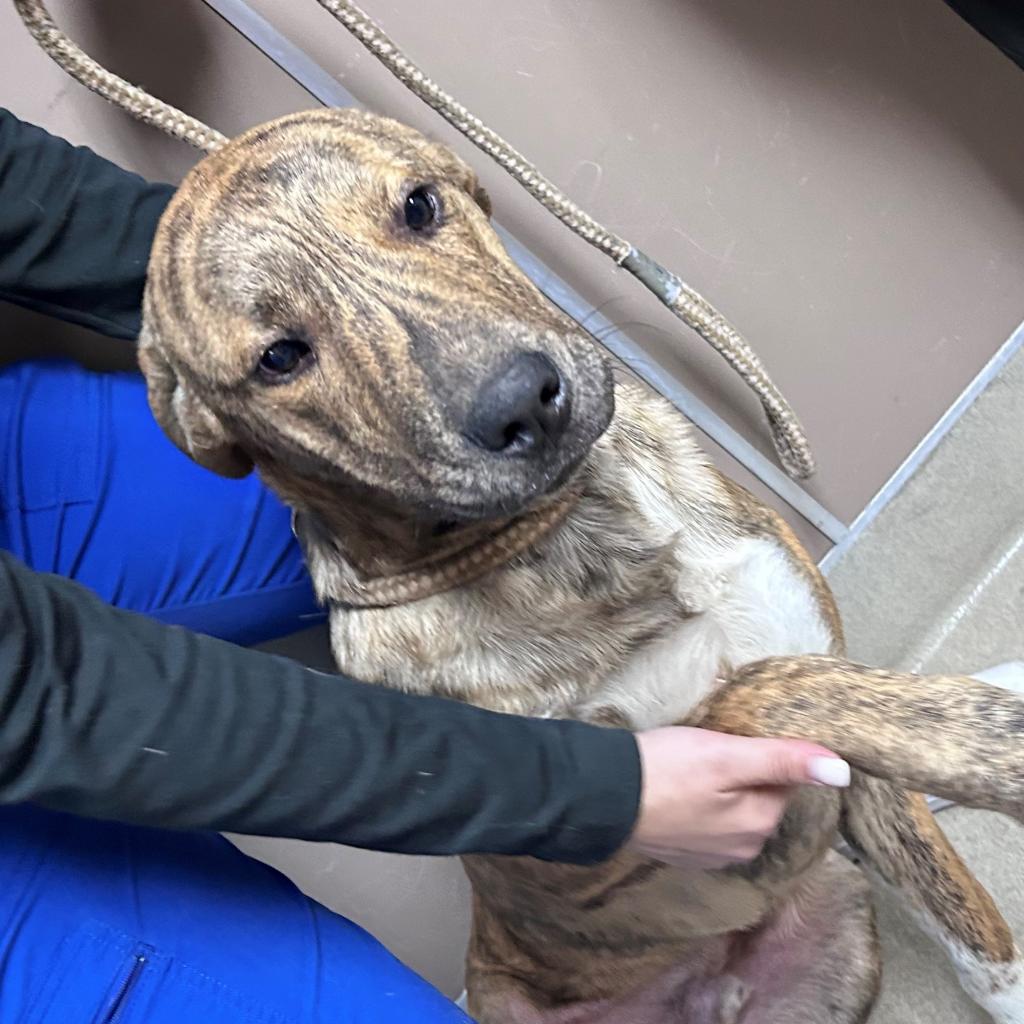
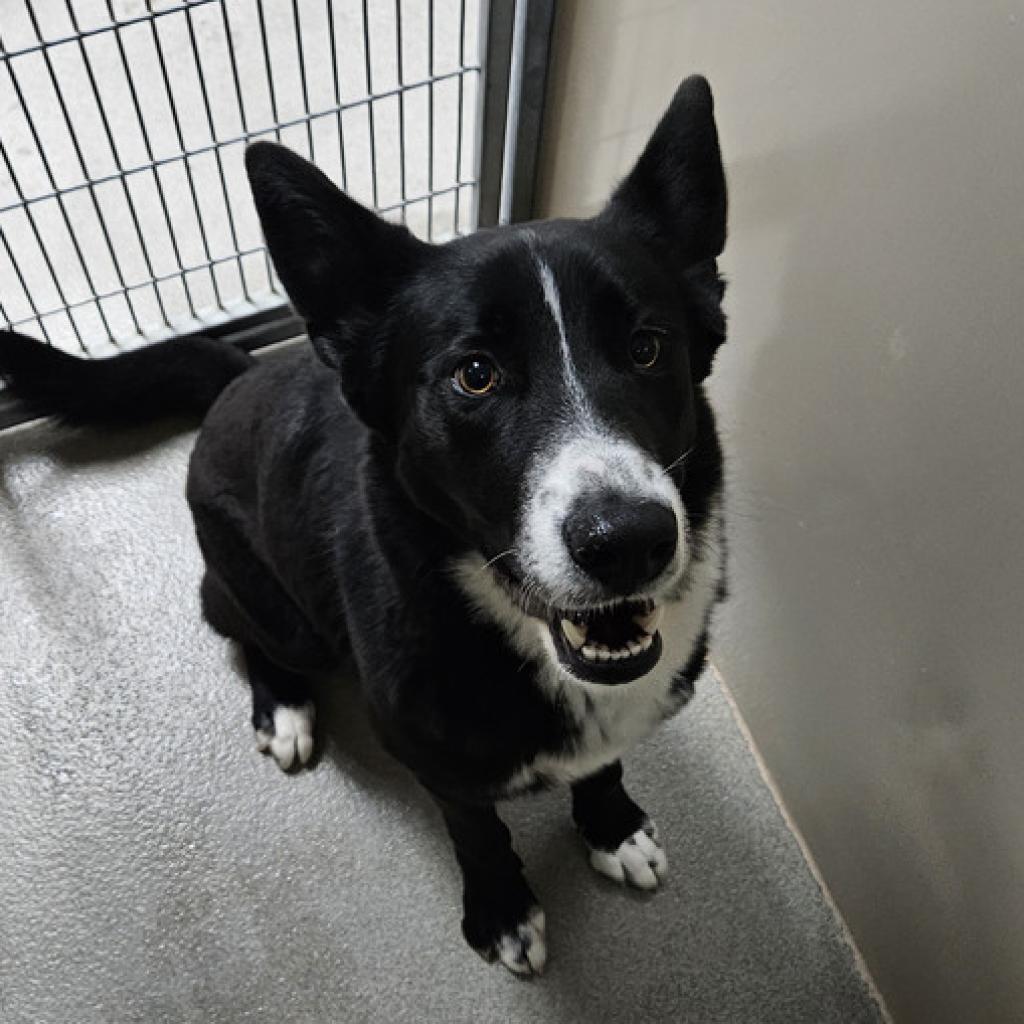
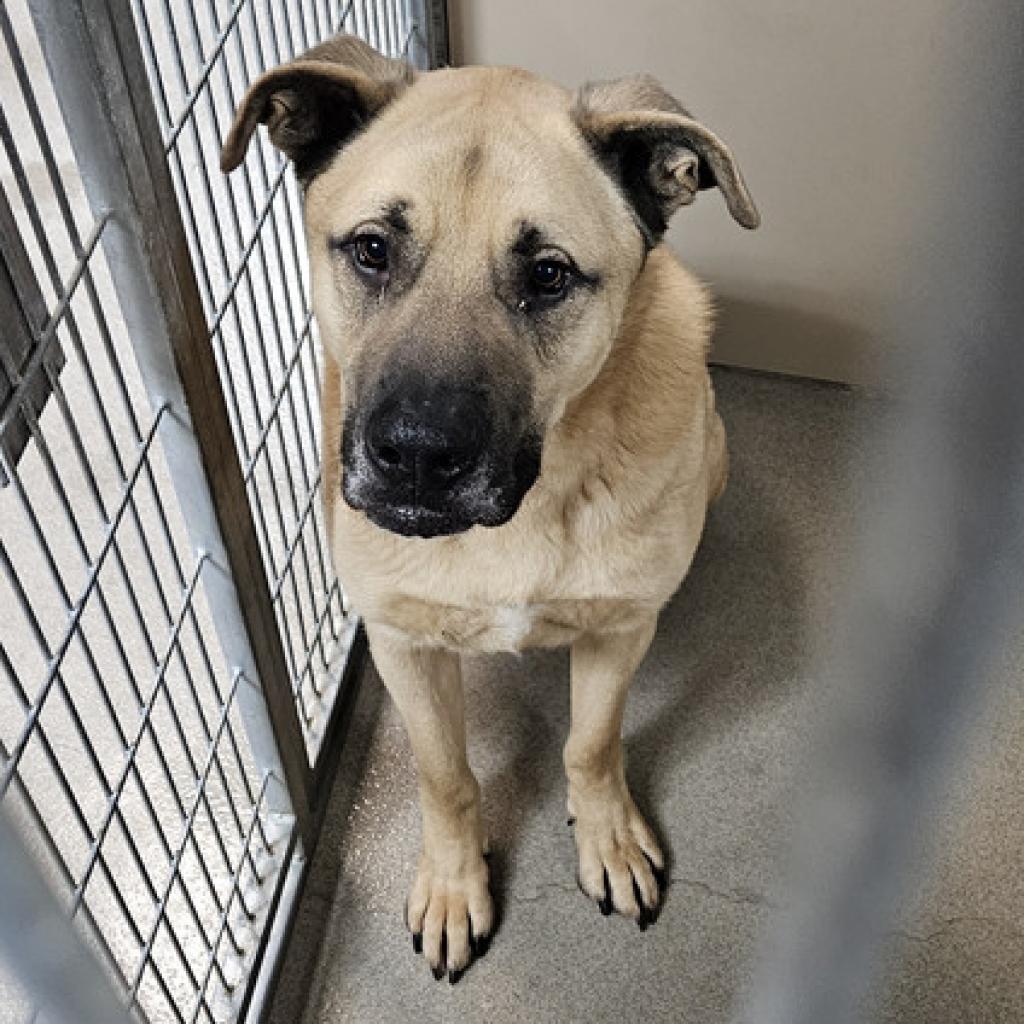
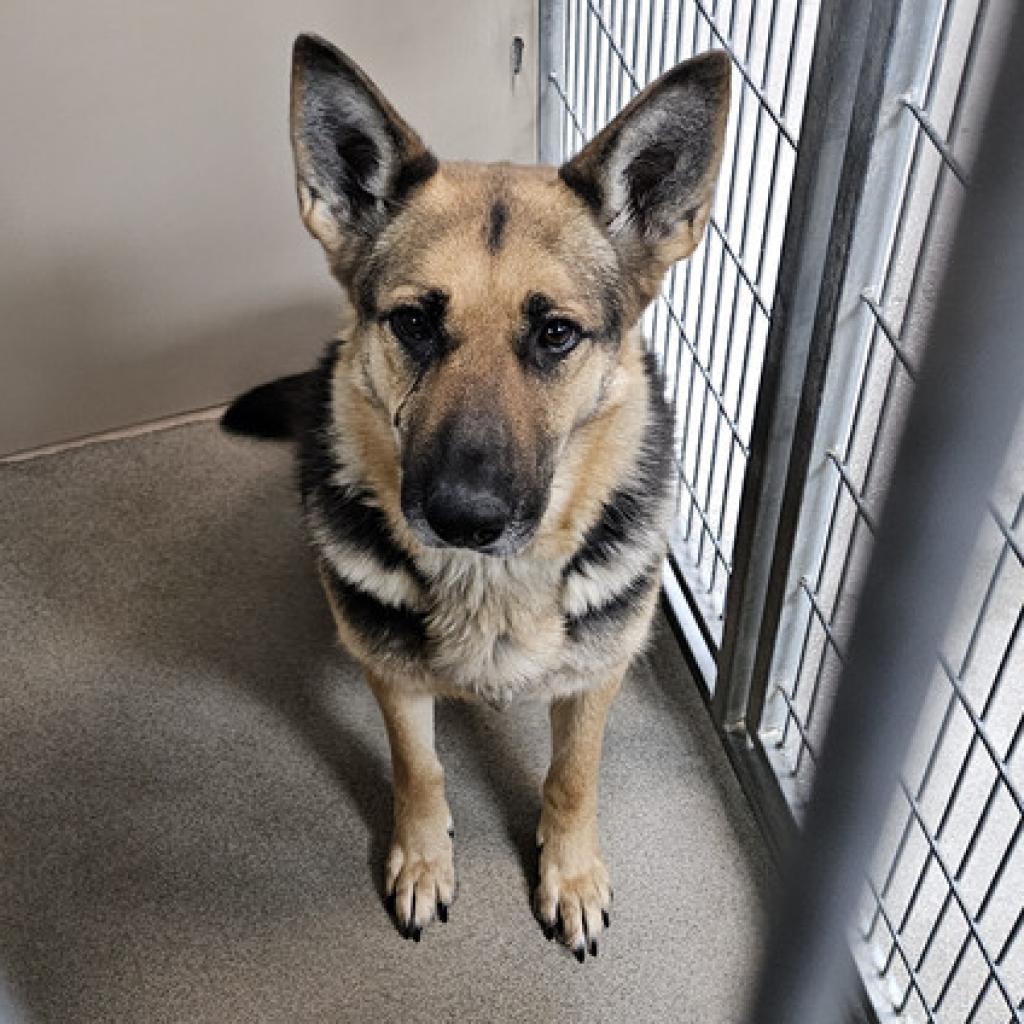
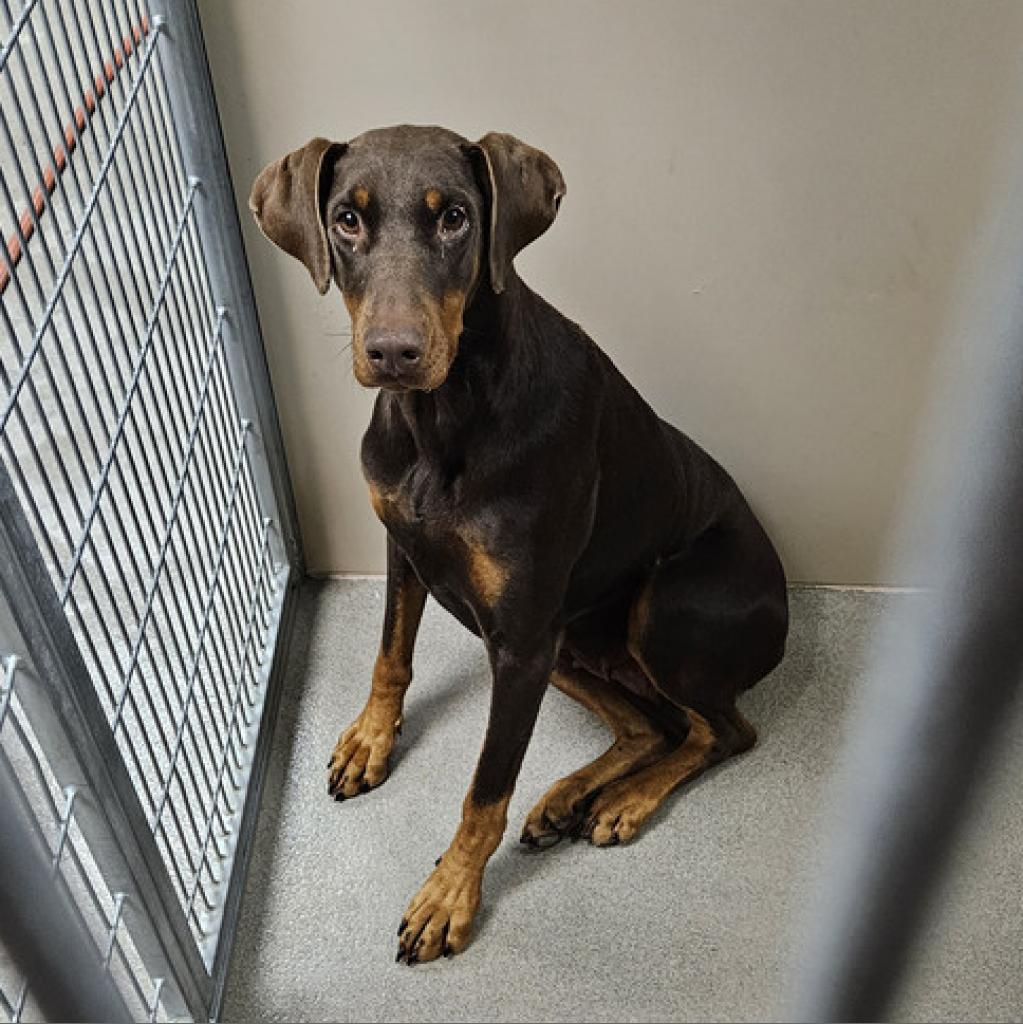
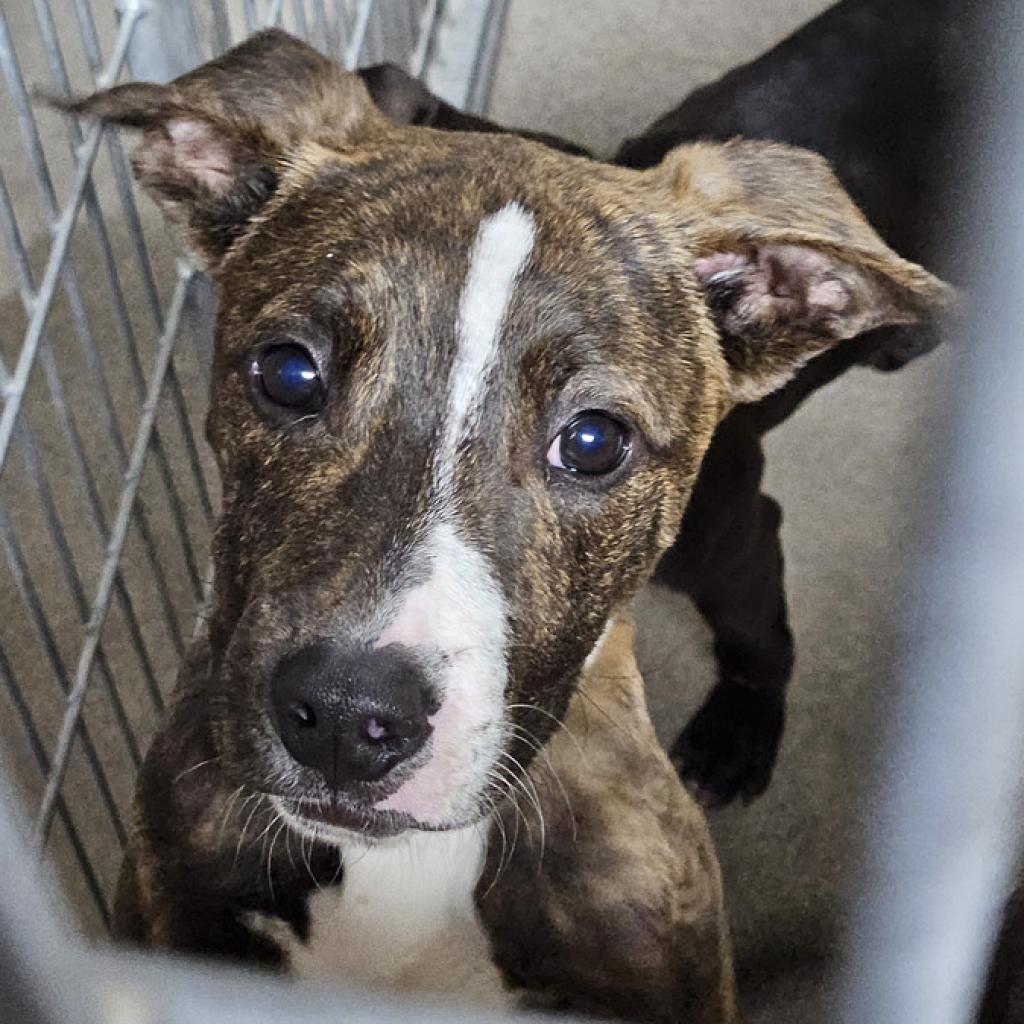
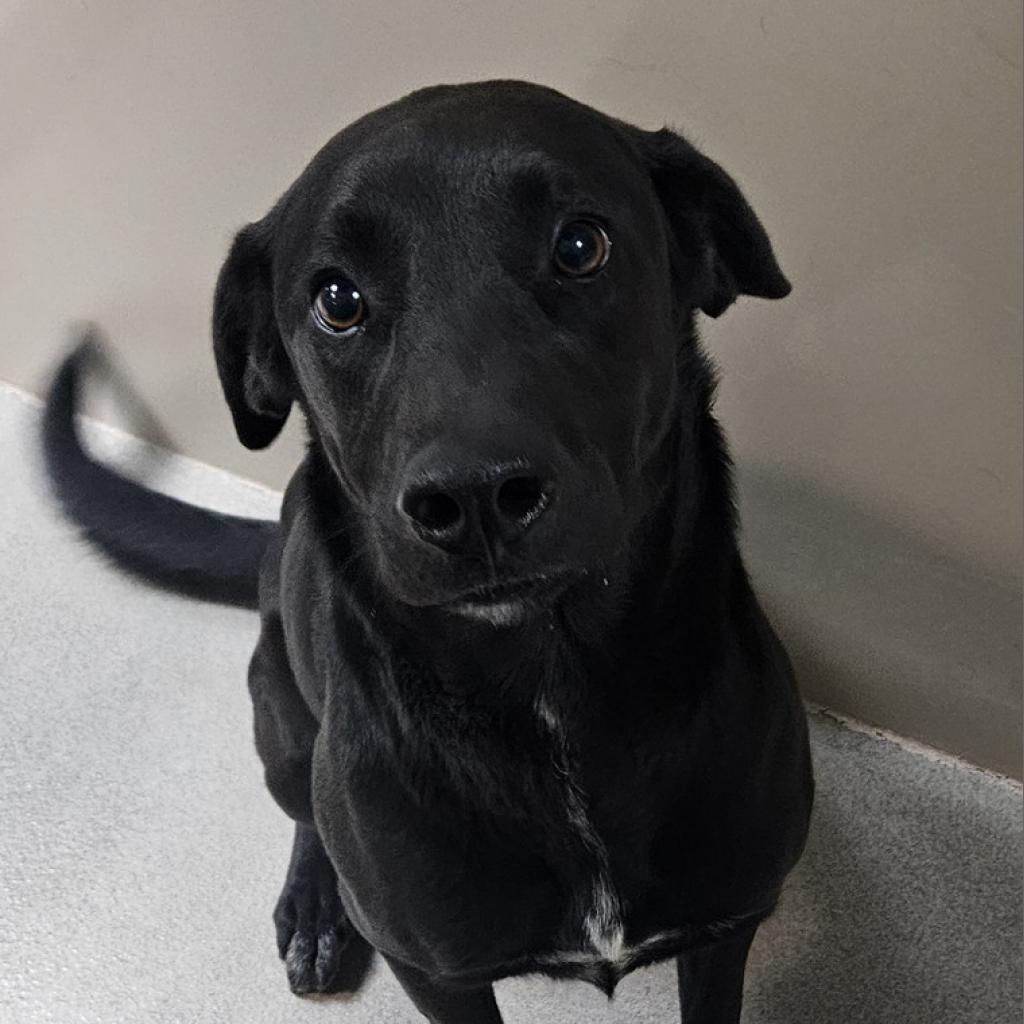
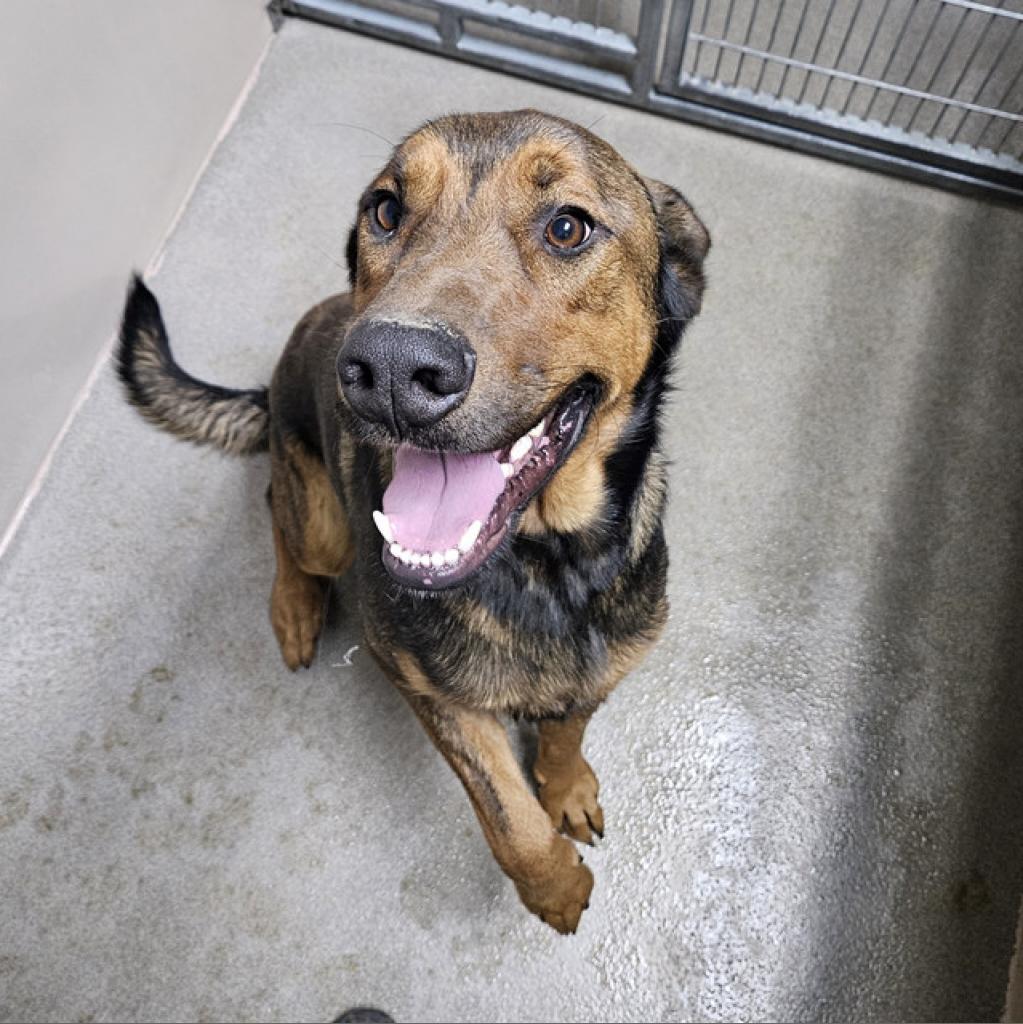
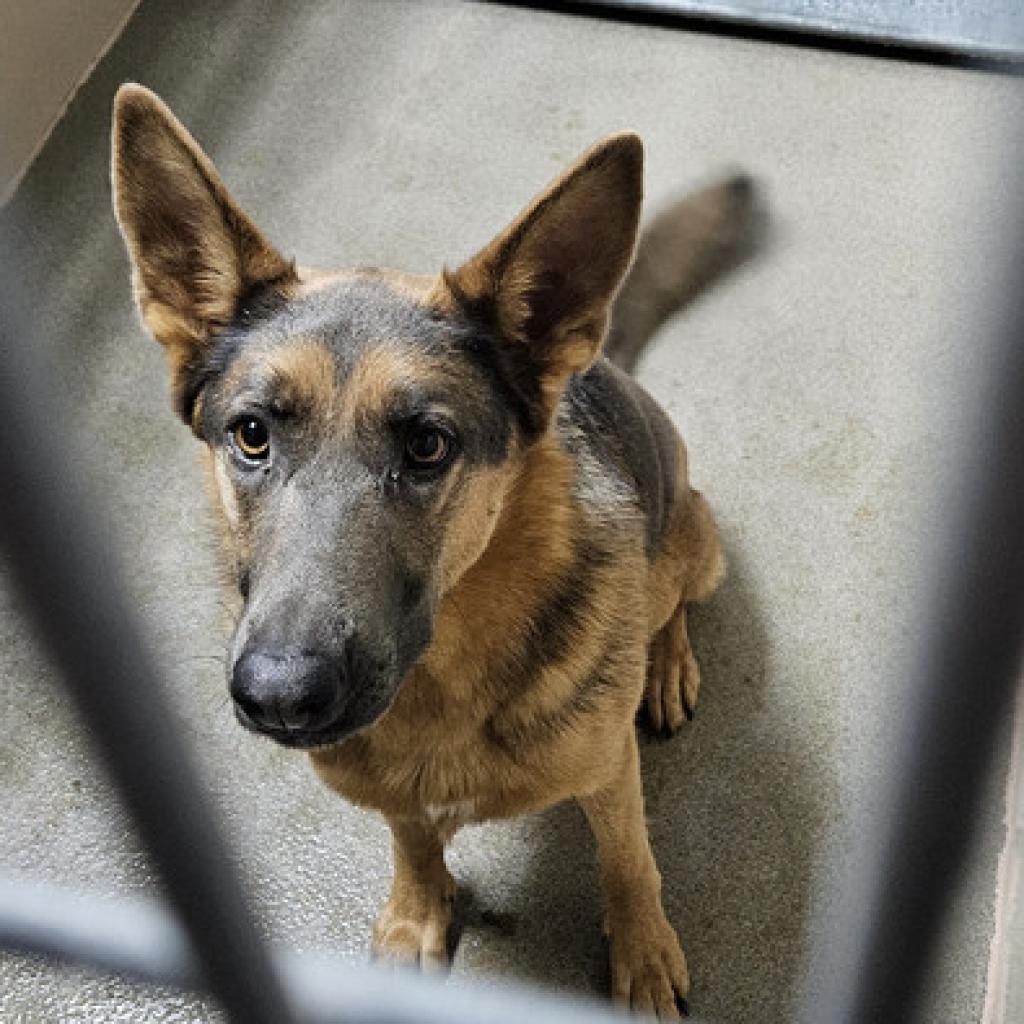
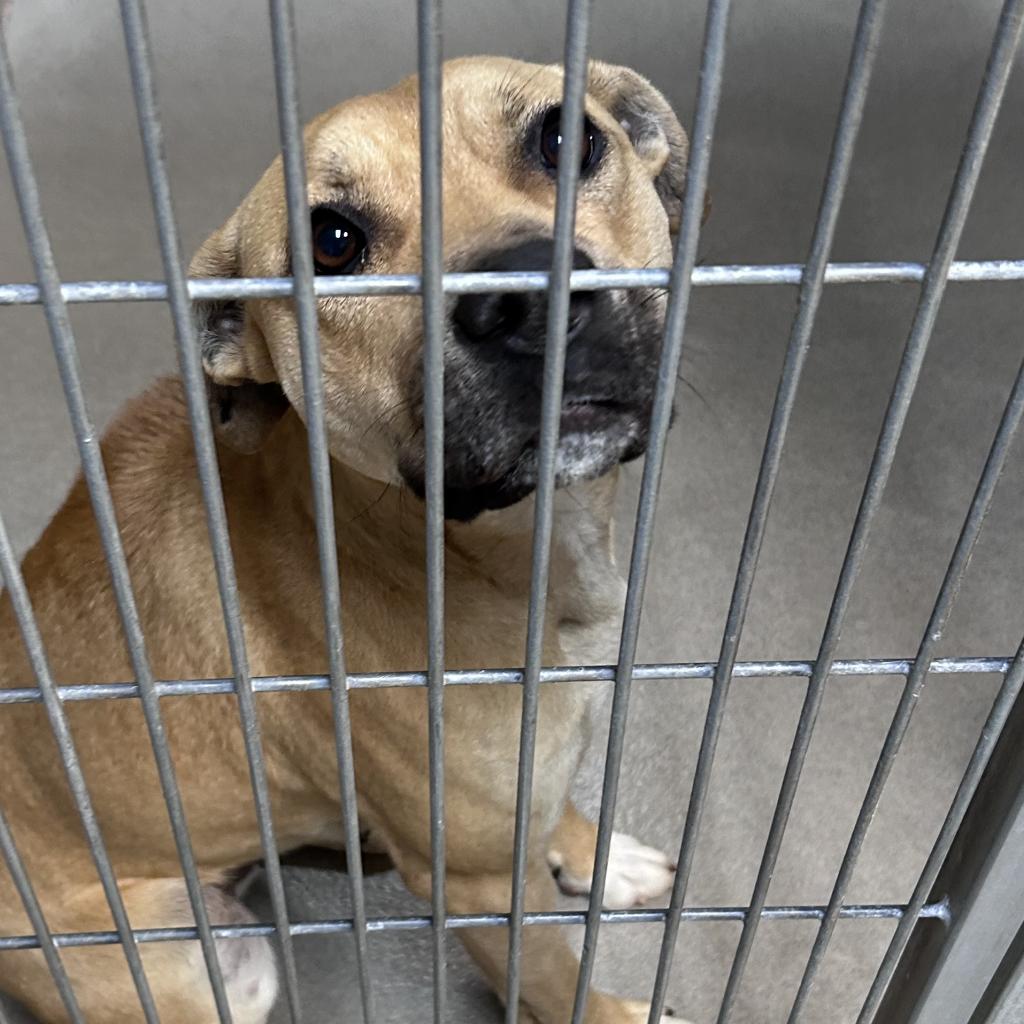
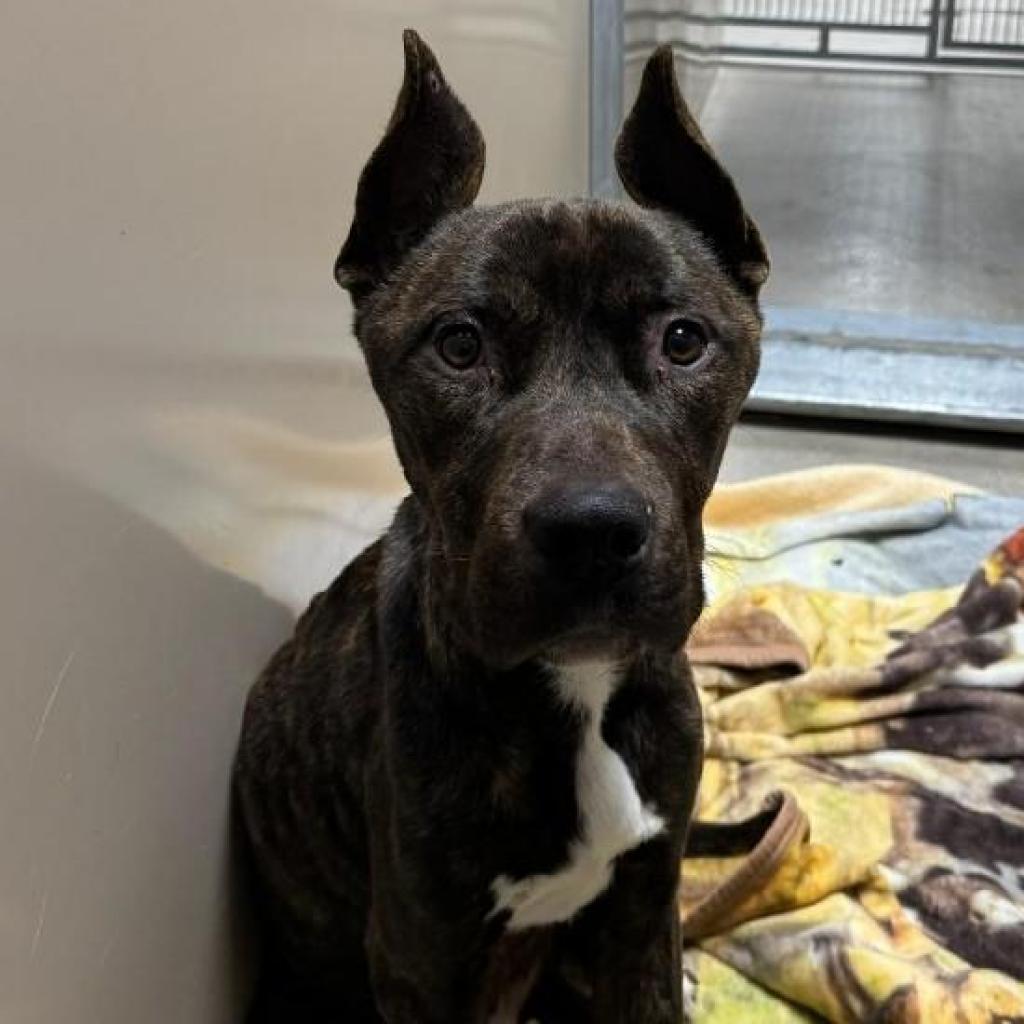
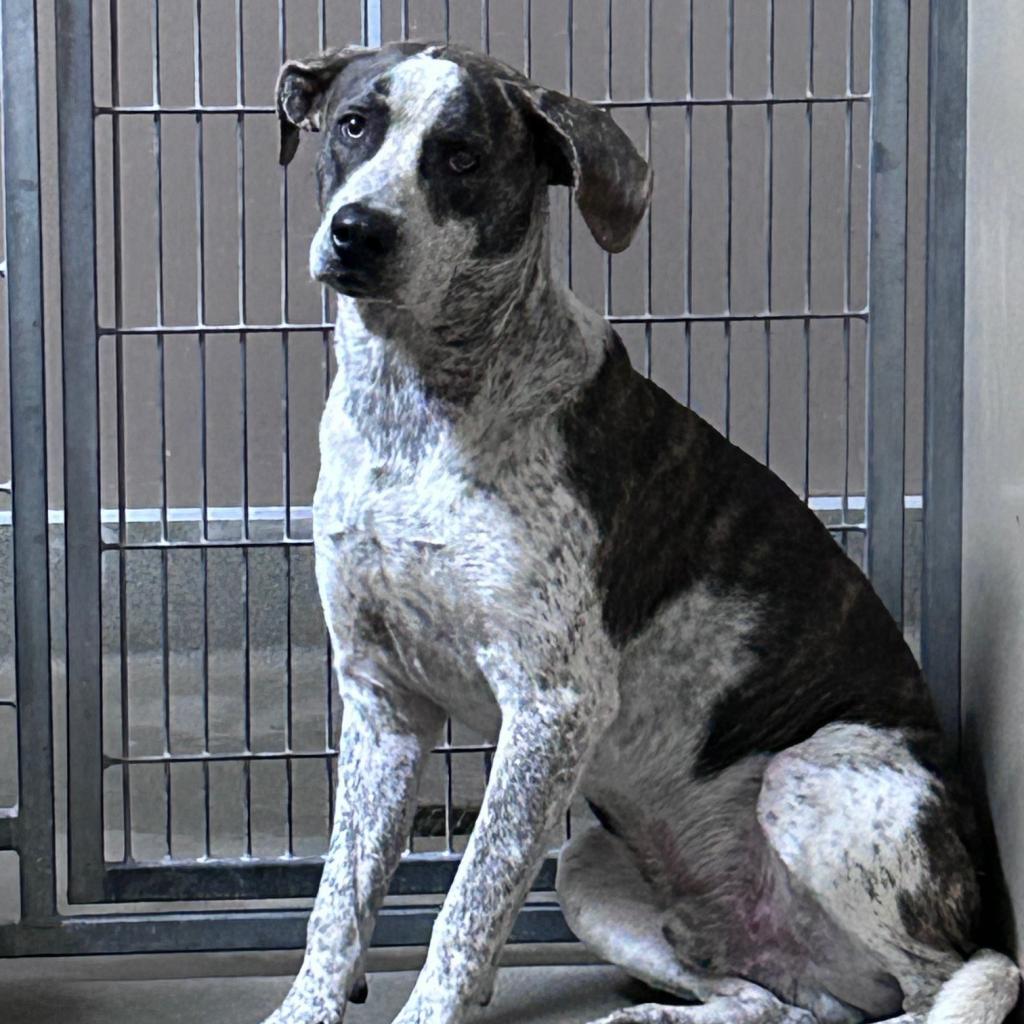
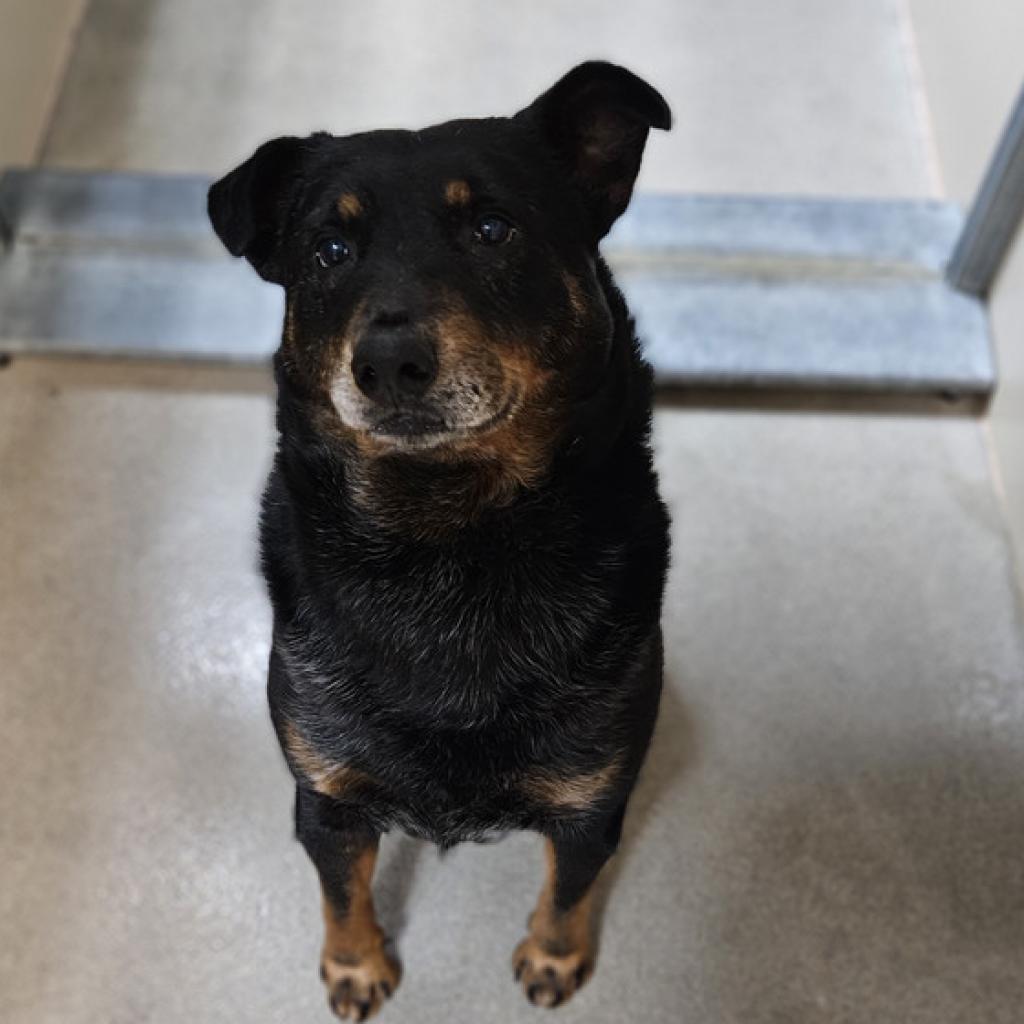
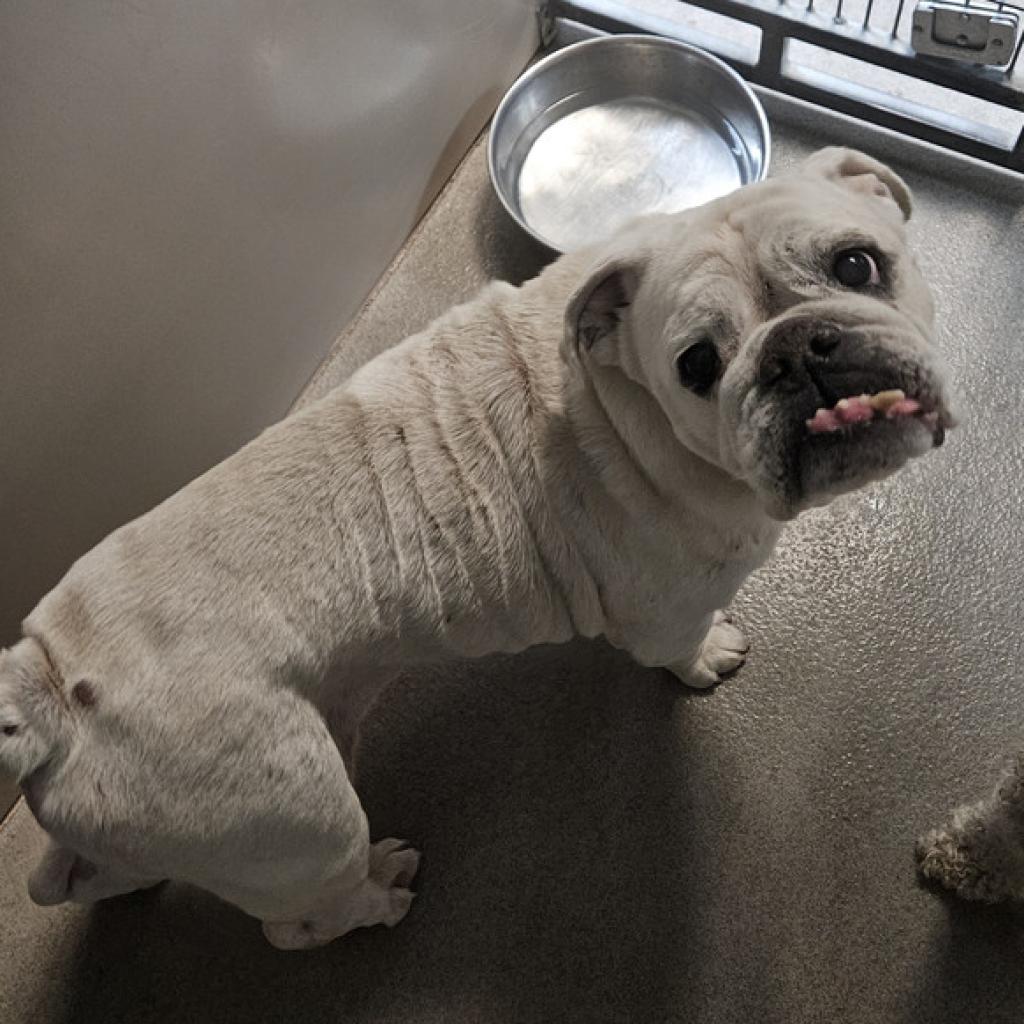
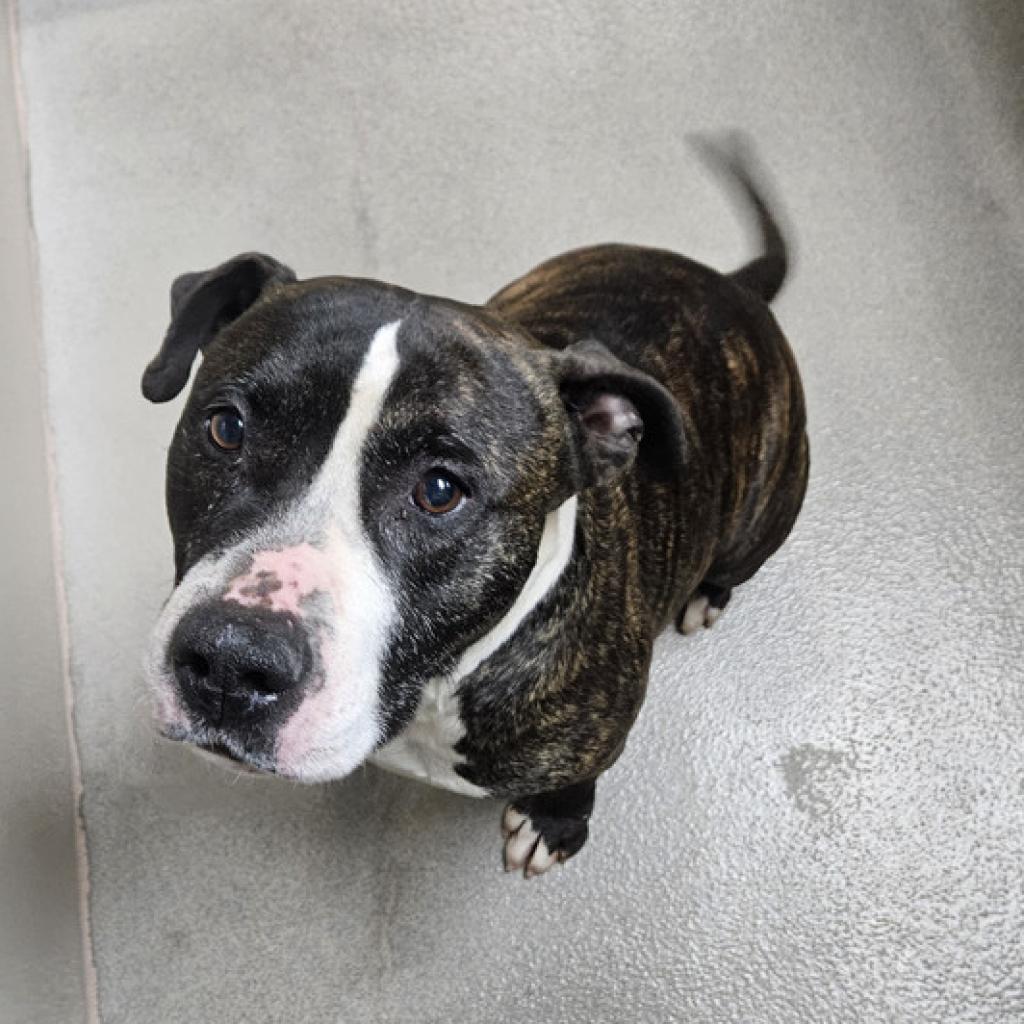
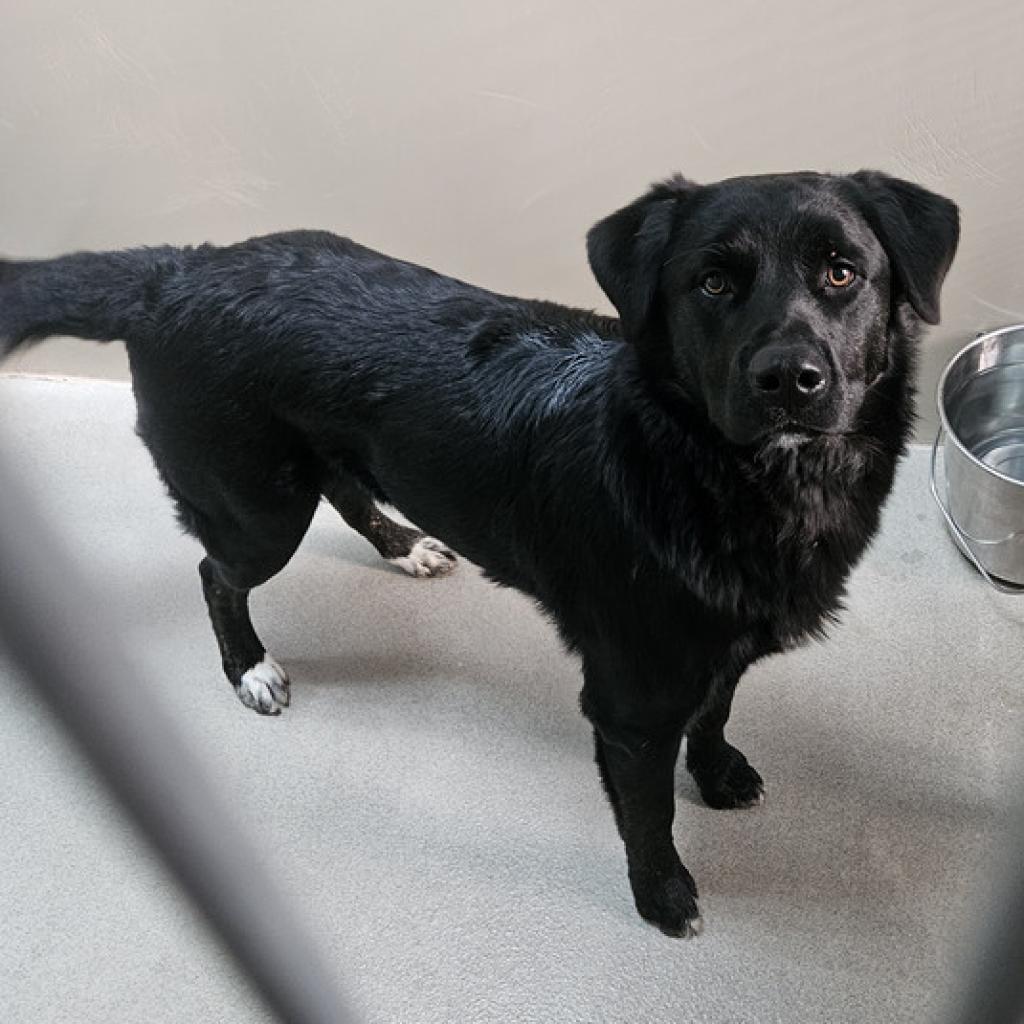
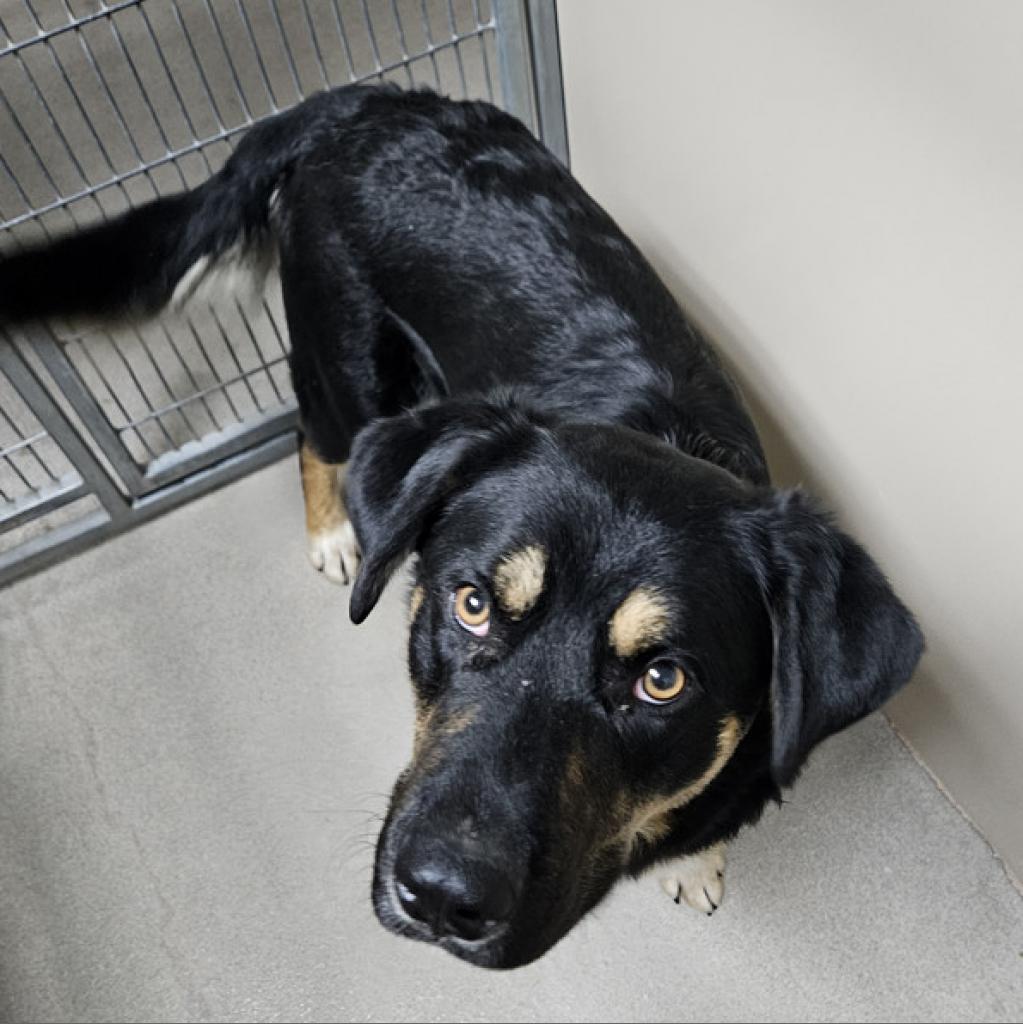
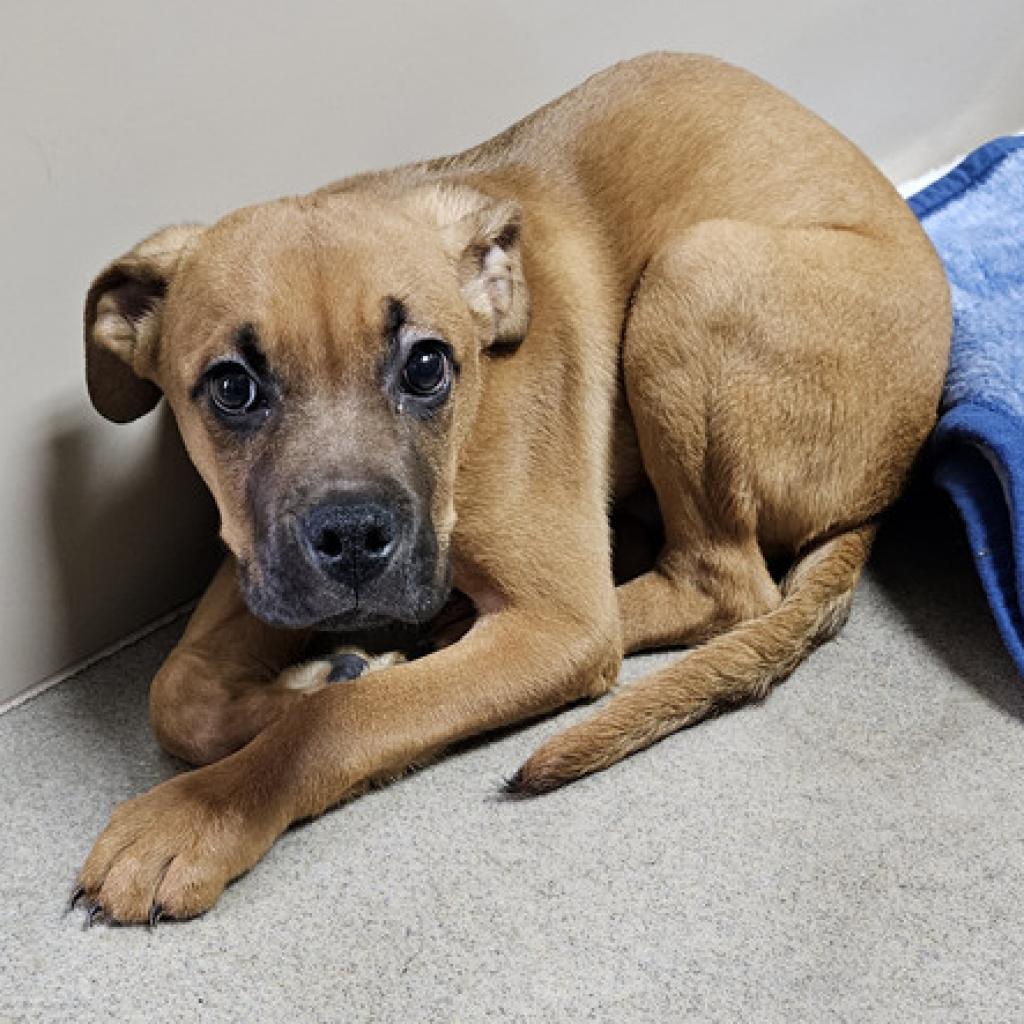
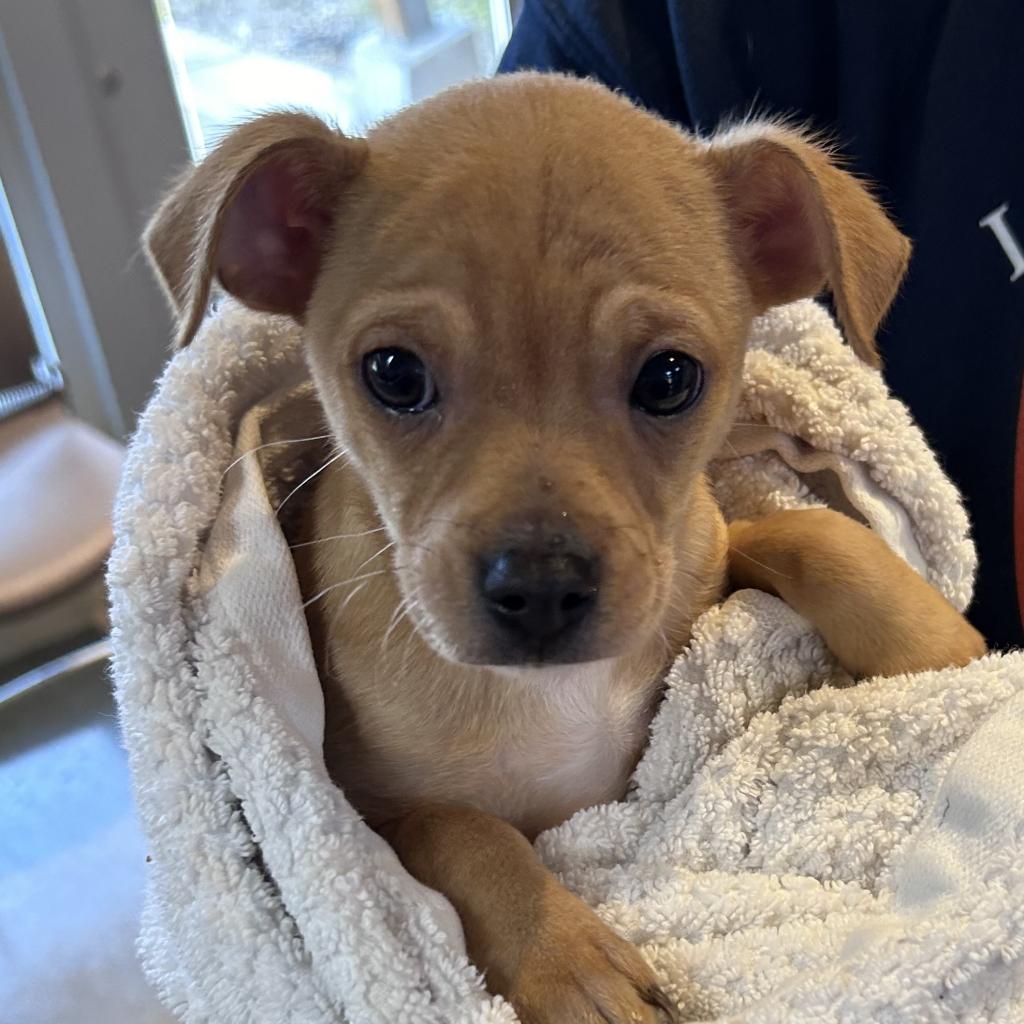
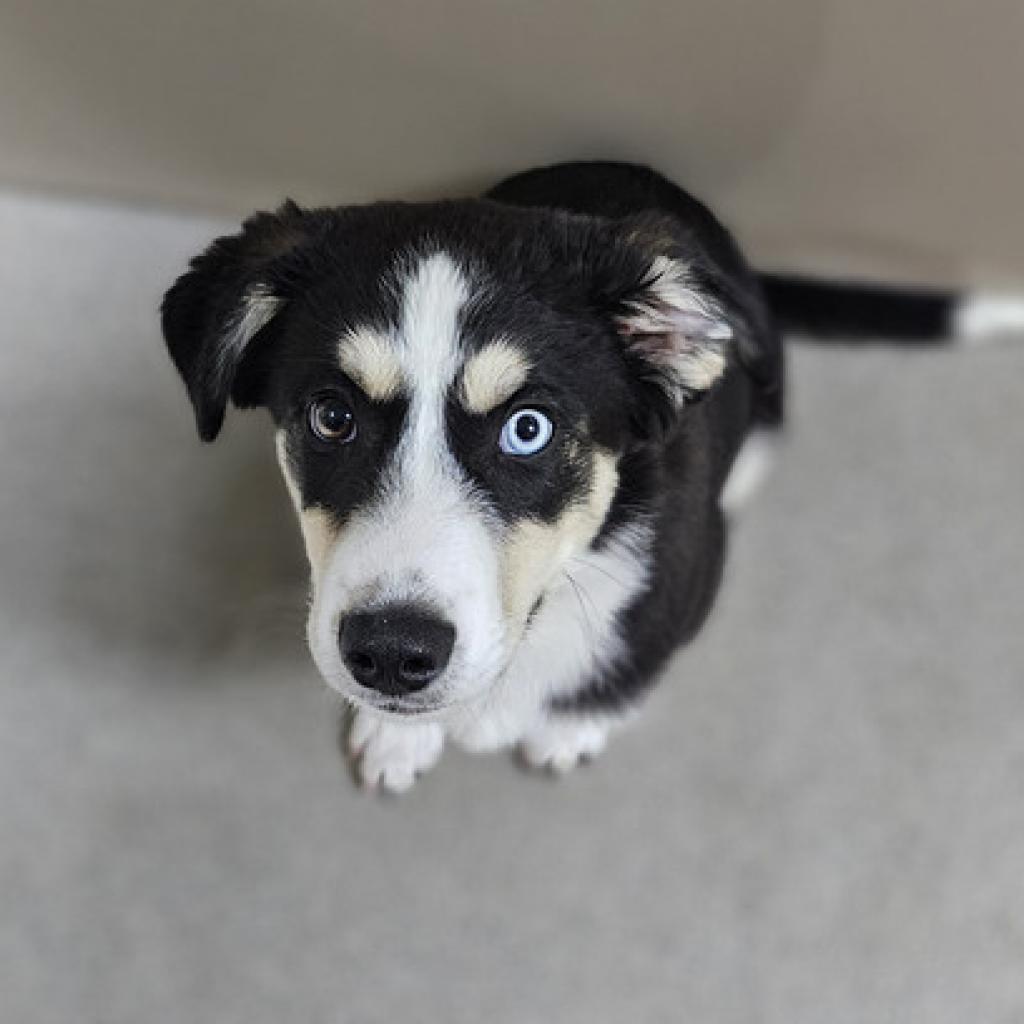
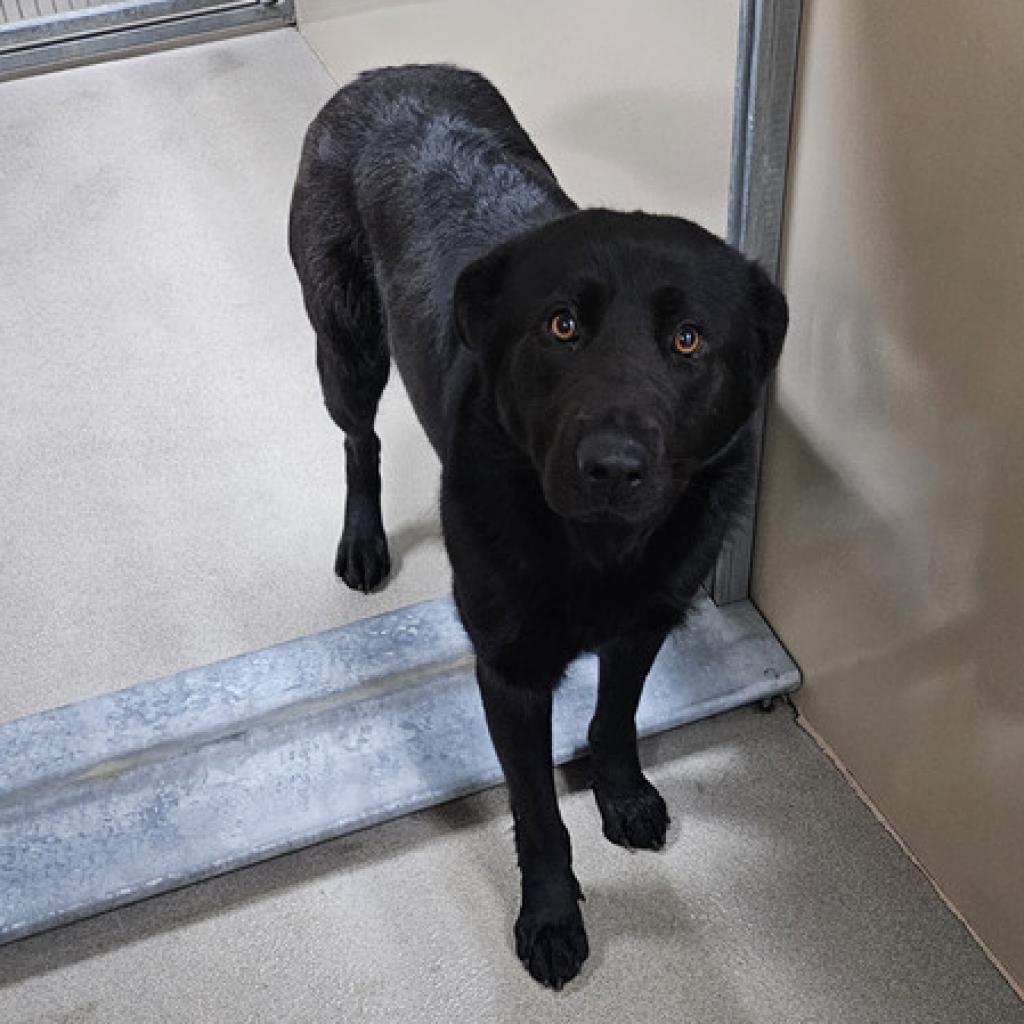
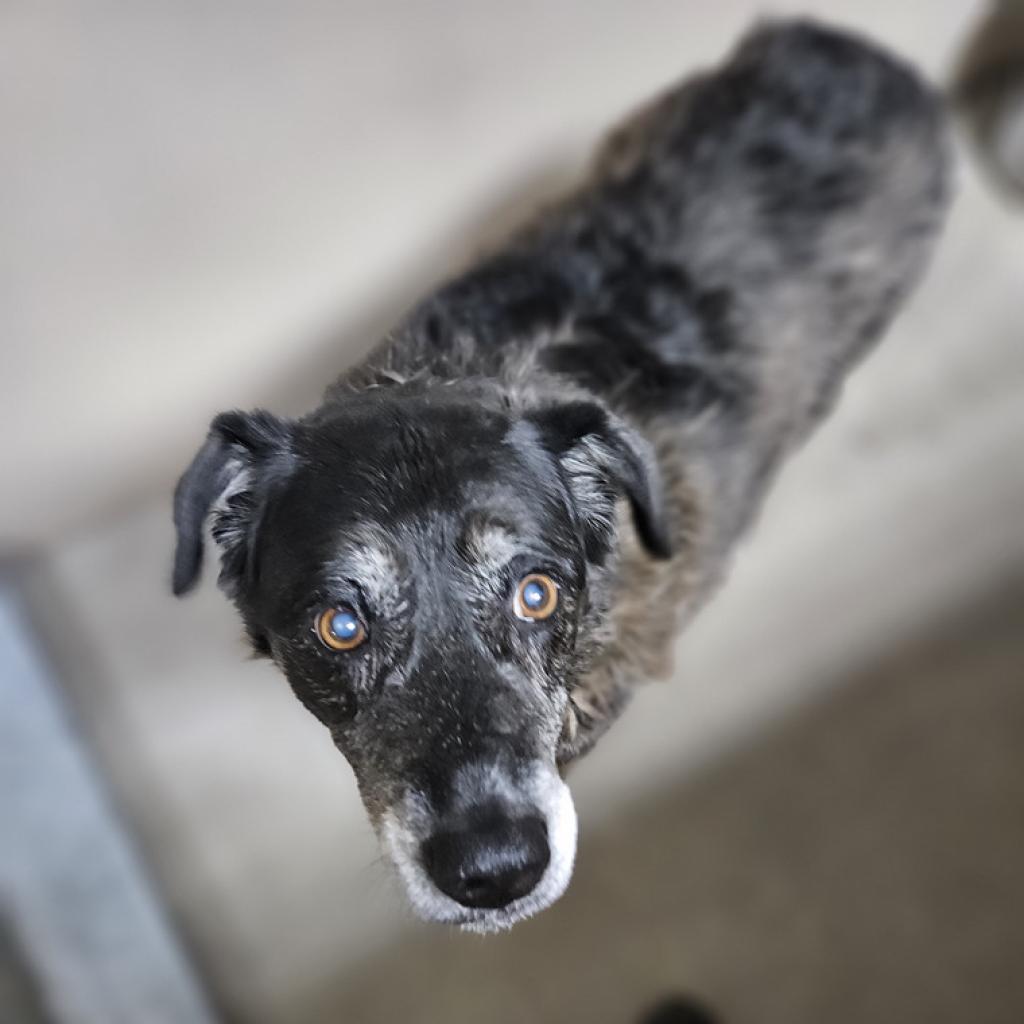
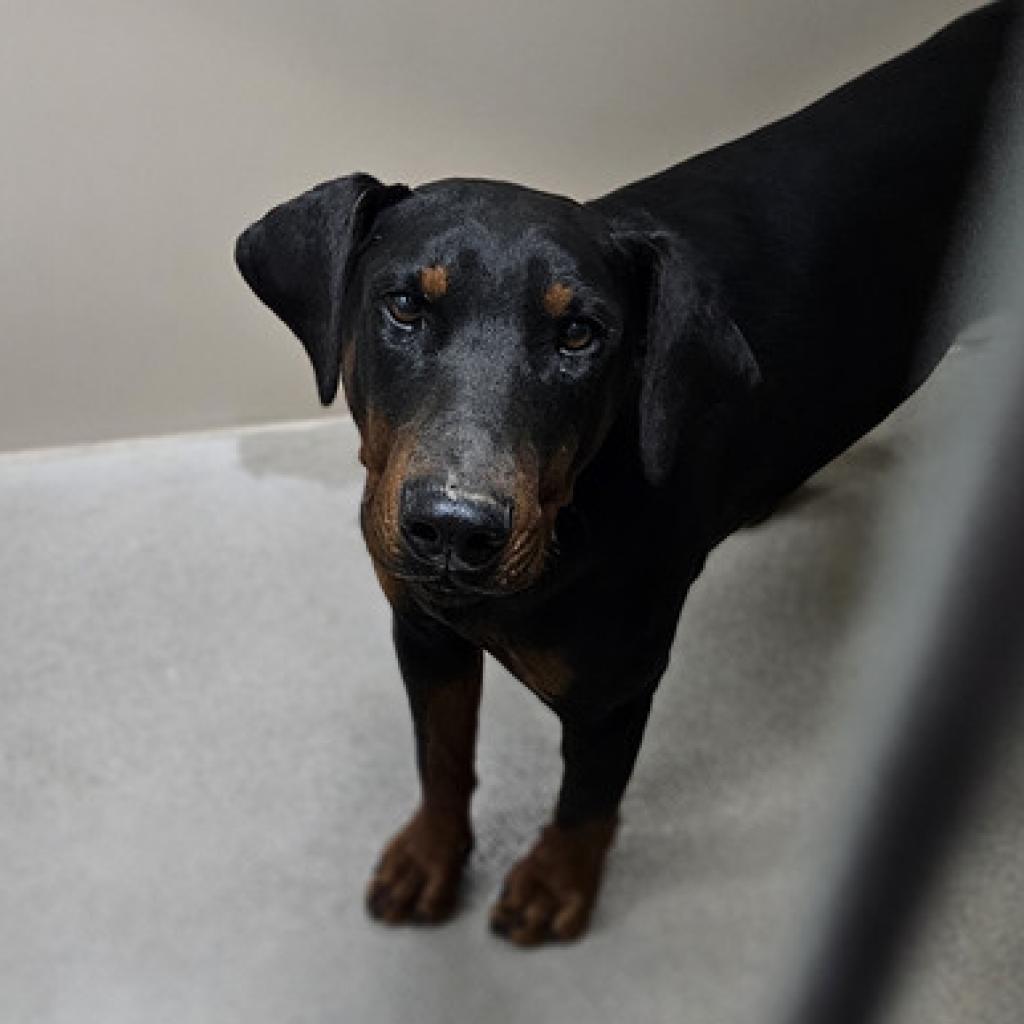
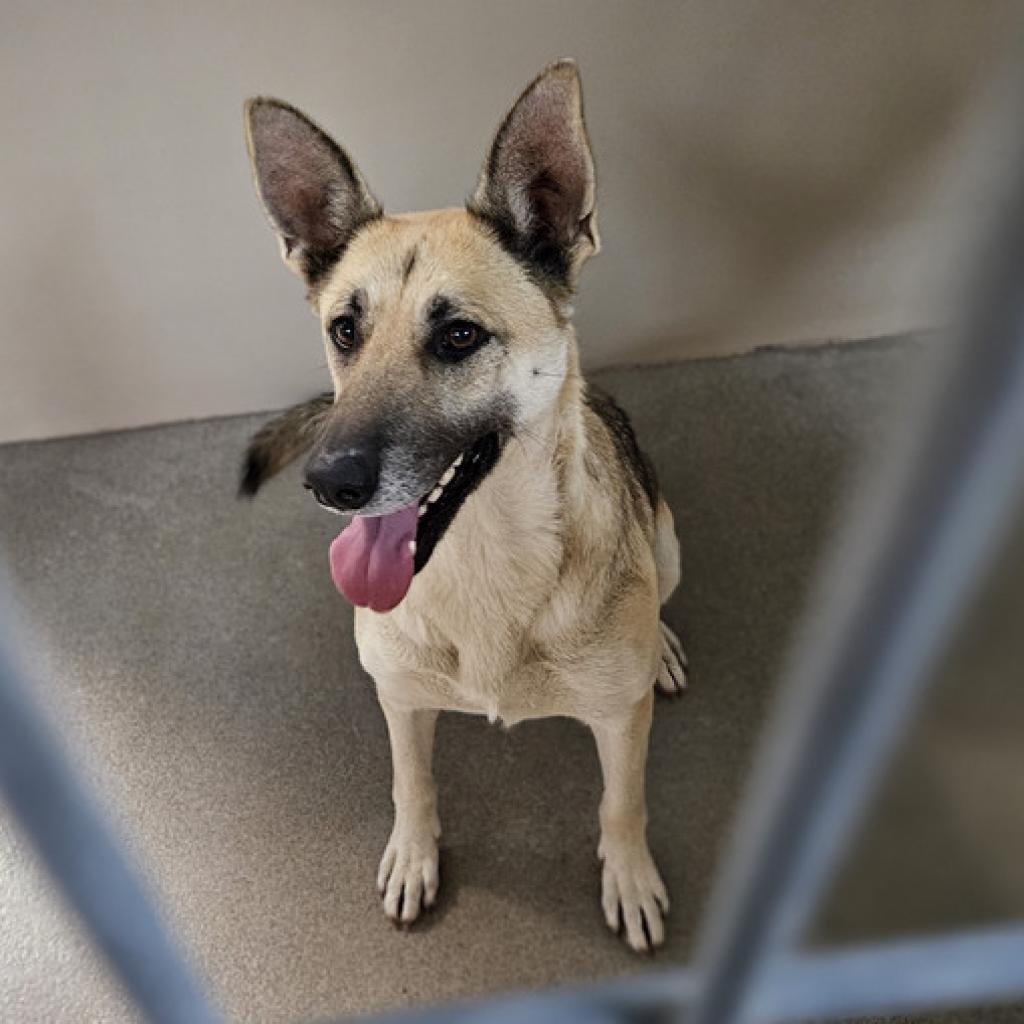
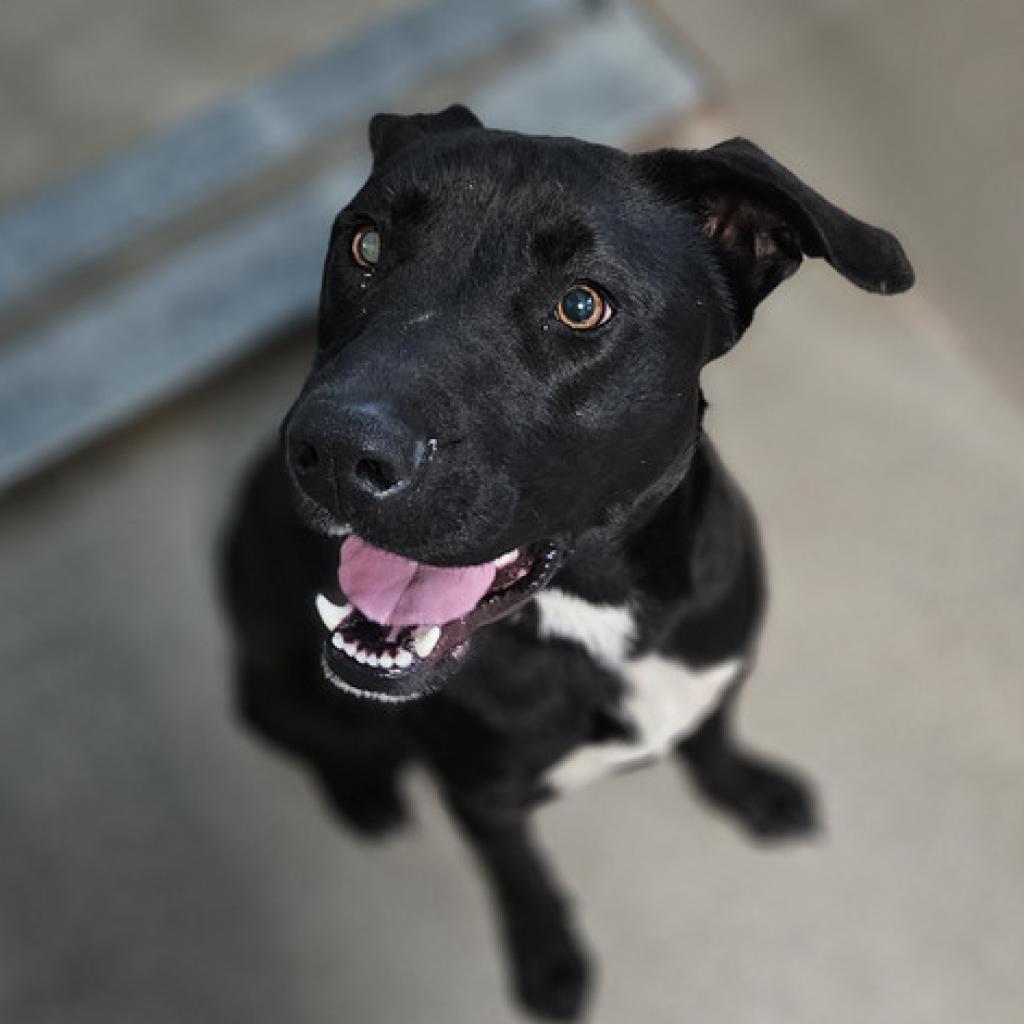
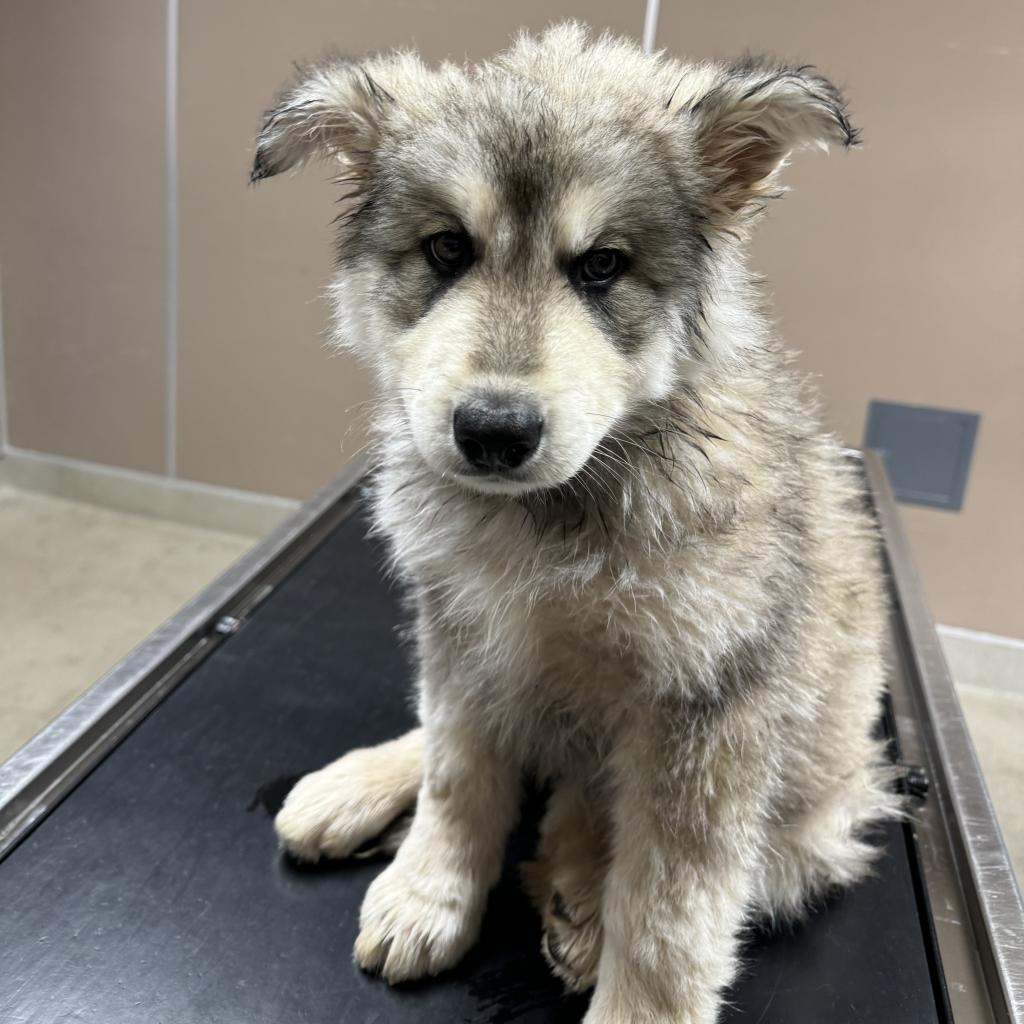
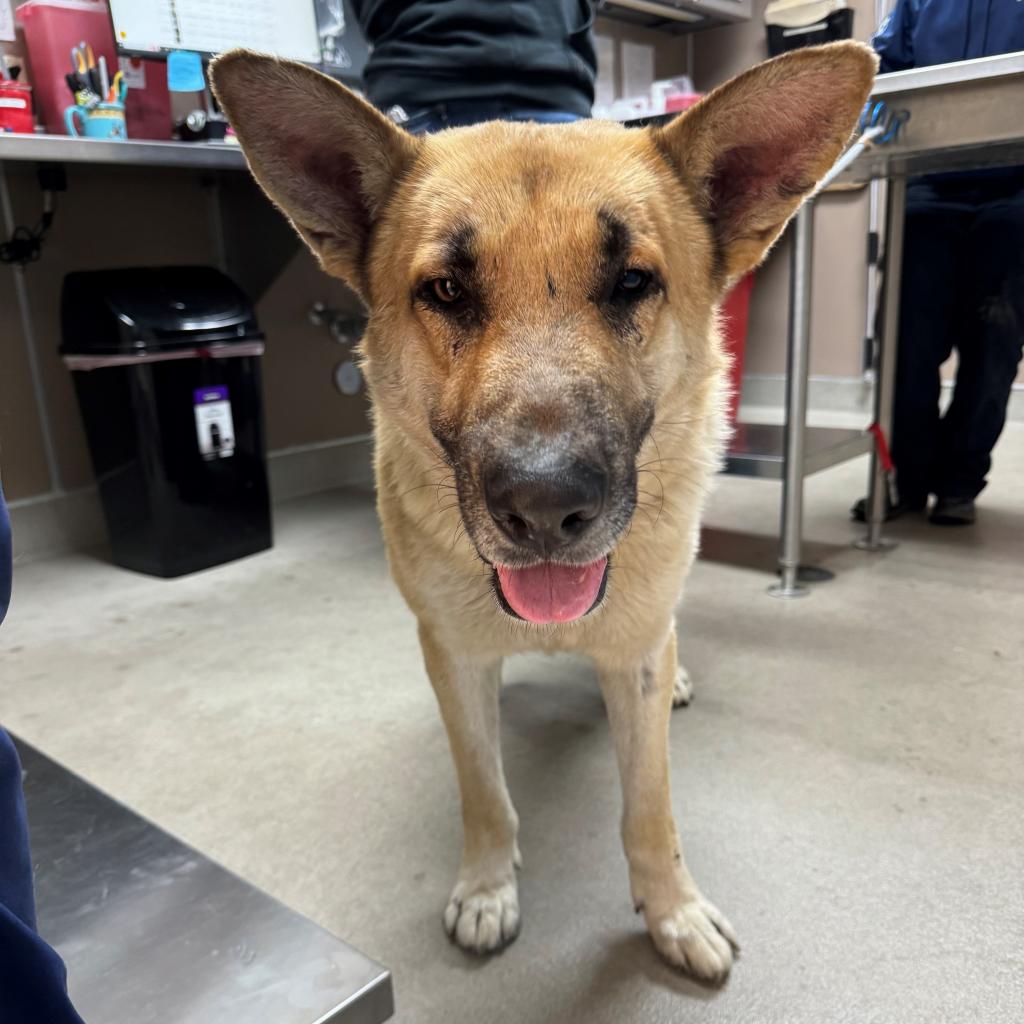
Dogs available for adoption this week include mixes of Alaskan husky, Australian cattle dog, Australian shepherd, border collie, boxer, bulldog, chihuahua, Doberman pinscher, English bulldog, German shepherd, hound, Labrador retriever, pit bull, Queensland heeler, shepherd and terrier.
Dogs that are adopted from Lake County Animal Care and Control are either neutered or spayed, microchipped and, if old enough, given a rabies shot and county license before being released to their new owner. License fees do not apply to residents of the cities of Lakeport or Clearlake.
Those dogs and the others shown on this page at the Lake County Animal Care and Control shelter have been cleared for adoption.
Call Lake County Animal Care and Control at 707-263-0278 or visit the shelter online for information on visiting or adopting.
The shelter is located at 4949 Helbush in Lakeport.
Email Elizabeth Larson at

- Details
- Written by: Gavin Naylor, University of Florida
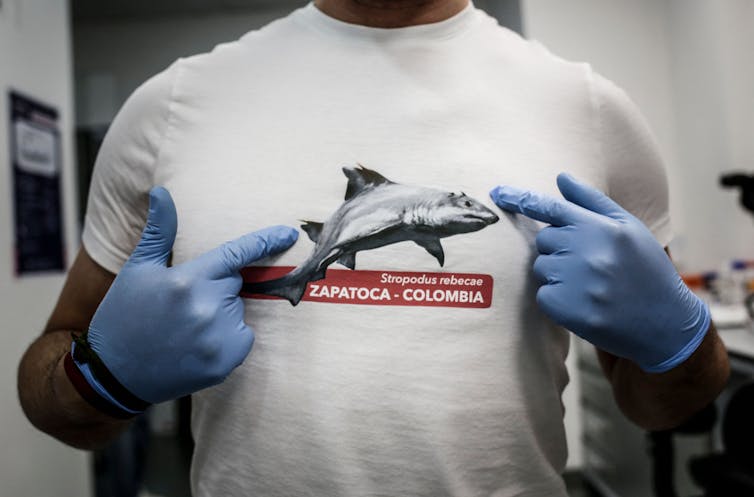
Human fear of sharks has deep roots. Written works and art from the ancient world contain references to sharks preying on sailors as early as the eighth century B.C.E.
Relayed back to land, stories about shark encounters have been embellished and amplified. Together with the fact that from time to time – very rarely – sharks bite humans, people have been primed for centuries to imagine terrifying situations at sea.
In 1974, Peter Benchley’s bestselling novel “Jaws” fanned this fear into a wildfire that spread around the world. The book sold more than 5 million copies in the U.S. within a year and was quickly followed by Steven Spielberg’s 1975 movie, which became the highest-grossing film in history at that time. Virtually all audiences embraced the idea, depicted vividly in the movie and its sequels, that sharks were malevolent, vindictive creatures that prowled coastal waters seeking to feed on unsuspecting bathers.
But “Jaws” also spawned widespread interest in better understanding sharks.
Previously, shark research had largely been the esoteric domain of a handful of academic specialists. Thanks to interest sparked by “Jaws,” we now know that there are many more kinds of sharks than scientists were aware of in 1974, and that sharks do more interesting things than researchers ever anticipated. Benchley himself became an avid spokesman for shark protection and marine conservation.
In my own 30-year career studying sharks and their close relatives, skates and rays, I’ve seen attitudes evolve and interest in understanding sharks expand enormously. Here’s how things have changed.
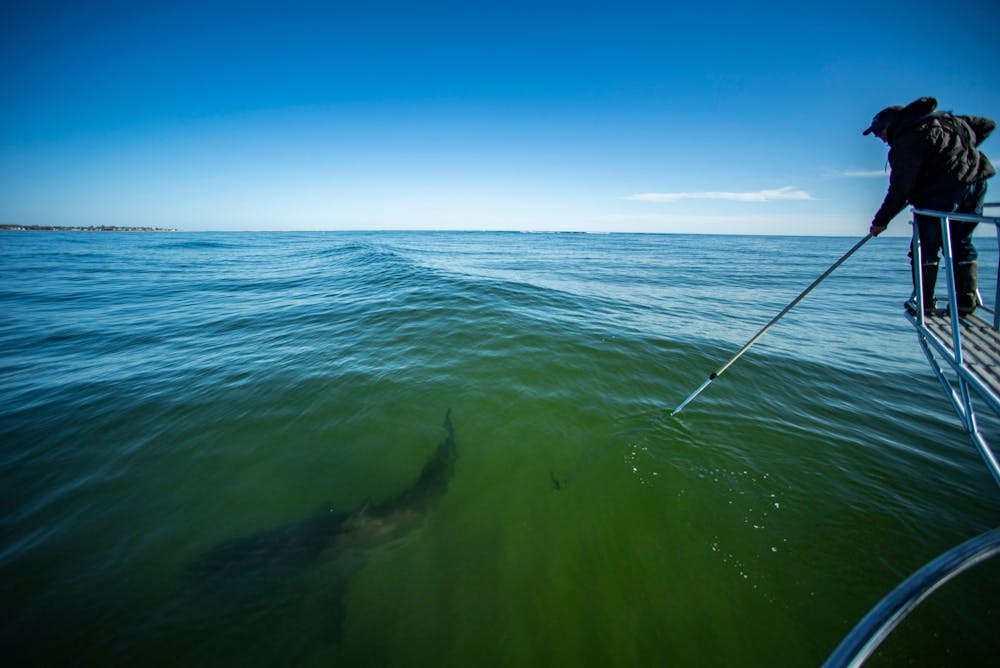
Swimming into the spotlight
Before the mid-1970s, much of what was known about sharks came via people who went to sea. In 1958, the U.S. Navy established the International Shark Attack File – the world’s only scientifically documented, comprehensive database of all known shark attacks – to reduce wartime risks to sailors stranded at sea when their ships sank.
Today the file is managed by the Florida Museum of Natural History and the American Elasmobranch Society, a professional organization for shark researchers. It works to inform the public about shark-human interactions and ways to reduce the risk of shark bites.
In 1962, Jack Casey, a pioneer of modern shark research, initiated the Cooperative Shark Tagging Program. This initiative, which is still running today, relied on Atlantic commercial fishermen to report and return tags they found on sharks, so that government scientists could calculate how far the sharks had moved after being tagged.
After “Jaws,” shark research quickly went mainstream. The American Elasmobranch Society was founded in 1982. Graduate students lined up to study shark behavior, and the number of published shark studies sharply increased.
Field research on sharks expanded in parallel with growing interest in extreme outdoor sports like surfing, parasailing and scuba diving. Electronic tags enabled researchers to monitor sharks’ movements in real time. DNA sequencing technologies provided cost-effective ways to determine how different species were related to one another, what they were eating and how populations were structured.
This interest also had a sensational side, embodied in the Discovery Channel’s launch in 1988 of Shark Week. This annual block of programming, ostensibly designed to educate the public about shark biology and counter negative publicity about sharks, was a commercial venture that exploited the tension between people’s deep-seated fear of sharks and their yearning to understand what made these animals tick.
Shark Week featured made-for-TV stories that focused on fictional scientific research projects. It was wildly successful and remains so today, in spite of critiques from some researchers who call it a major source of misinformation about sharks and shark science.
Physical, social and genetic insights
Contrary to the long-held notion that sharks are mindless killers, they exhibit a wide range of traits and behavior. For example, the velvet belly lantern shark communicates through flashes of light from organs on the sides of its body. Female hammerhead sharks can clone perfect replicas of themselves without male sperm.
Sharks have the most sensitive electrical detectors thus far discovered in the natural world – networks of pores and nerves in their heads, known as ampullae of Lorenzini, after Italian scientist Stefano Lorenzini, who first described these features in the 17th century. Sharks use these networks to navigate in the open ocean, using Earth’s magnetic field for orientation.
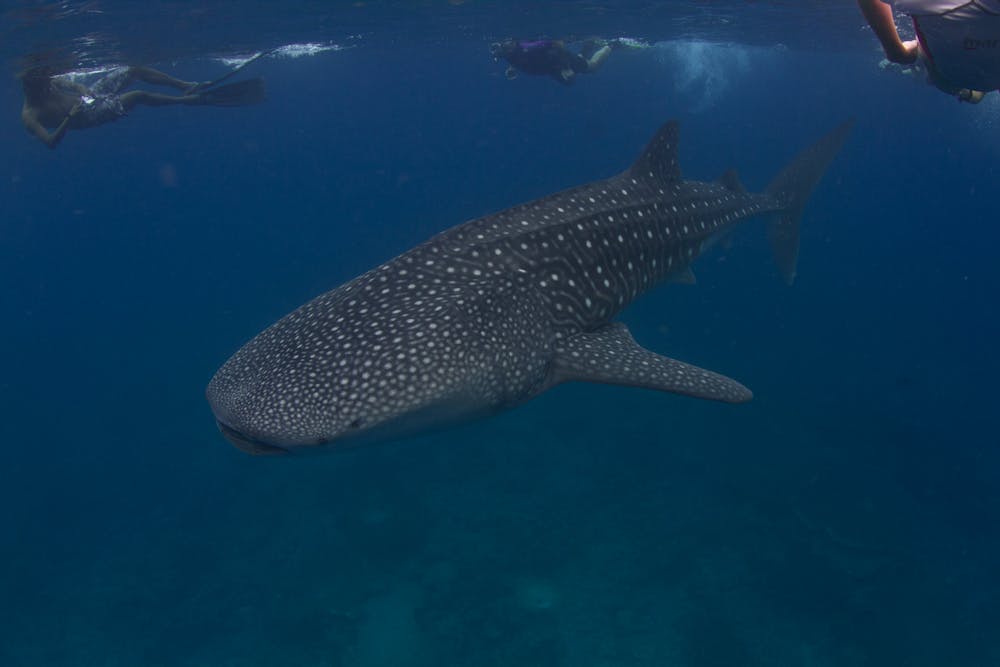
Another intriguing discovery is that some shark species, including makos and blue sharks, segregate by both sex and size. Among these species, cohorts of males and females of different sizes are often found in distinct groups. This finding suggests that some sharks may have social hierarchies, like those seen in some primates and hoofed mammals.
Genetic studies have helped researchers explore questions such as why some sharks have heads shaped like hammers or shovels. They also show that sharks have the lowest mutation rate of any vertebrate animal. This is notable because mutations are the raw material for evolution: The higher the mutation rate, the better a species can adapt to environmental change.
However, sharks have been around for 400 million years and have been through some of the most extreme environmental changes on earth. It’s not known yet how they have persisted so successfully with such a low mutation rate.
The marquee species
White sharks, the focal species of “Jaws,” attract enormous public interest, although much about them is still unknown. They can live to age 70, and they routinely swim thousands of miles every year. Those in the Western North Atlantic tend to move north-south between Canada and the Gulf of Mexico; white sharks on the U.S. west coast move east-west between California and the Central Pacific.
We now know that juvenile white sharks feed almost exclusively on fishes and stingrays, and don’t start incorporating seals and other marine mammals into their diets until they are the equivalent of teenagers and have grown to about 12 feet long. Most confirmed white shark bites on humans seem to be by animals that are between 12 and 15 feet long. This supports the theory that almost all bites by white sharks on humans are cases of mistaken identity, where humans resemble the seals that sharks prey on.
Still in the water
Although “Jaws” had a widespread cultural impact, it didn’t keep surfers and bathers from enjoying the ocean.
Data from the International Shark Attack File on confirmed unprovoked bites by white sharks from the 1960s to the present day shows a continuous increase, although the number of incidents yearly is quite low. This pattern is consistent with growing numbers of people pursuing recreational activities at the coasts.
Around the world, there have been 363 confirmed, unprovoked bites by white sharks since 1960. Of these, 73 were fatal. The World Health Organization estimates that there are 236,000 deaths yearly due to drowning, which translates to around 15 million drowning deaths over the same time period.
In other words, people are roughly 200,000 times more likely to drown than to die from a white shark bite. Indeed, surfers are more likely to die in a car crash on the way to the beach than they are to be bitten by a shark.
Gavin Naylor, Director of Florida Program for Shark Research, University of Florida
This article is republished from The Conversation under a Creative Commons license. Read the original article.
- Details
- Written by: NATIONAL AERONAUTICS AND SPACE ADMINISTRATION

This artist’s illustration depicts the findings of a new study about the supermassive black hole at the center of our galaxy called Sagittarius A* (abbreviated as Sgr A*).
this result found that Sgr A* is spinning so quickly that it is warping spacetime — that is, time and the three dimensions of space — so that it can look more like a football.
These results were made with NASA’s Chandra X-ray Observatory and the NSF’s Karl G. Jansky Very Large Array, or VLA.
A team of researchers applied a new method that uses X-ray and radio data to determine how quickly Sgr A* is spinning based on how material is flowing towards and away from the black hole. They found Sgr A* is spinning with an angular velocity that is about 60% of the maximum possible value, and with an angular momentum of about 90% of the maximum possible value.
Black holes have two fundamental properties: their mass (how much they weigh) and their spin (how quickly they rotate). Determining either of these two values tells scientists a great deal about any black hole and how it behaves. In the past, astronomers made several other estimates of Sgr A*’s rotation speed using different techniques, with results ranging from Sgr A* not spinning at all to it spinning at almost the maximum rate.
The new study suggests that Sgr A* is, in fact, spinning very rapidly, which causes the spacetime around it to be squashed down. The illustration shows a cross-section of Sgr A* and material swirling around it in a disk. The black sphere in the center represents the so-called event horizon of the black hole, the point of no return from which nothing, not even light, can escape.
Looking at the spinning black hole from the side, as depicted in this illustration, the surrounding spacetime is shaped like a football. The faster the spin the flatter the football.
The yellow-orange material to either side represents gas swirling around Sgr A*. This material inevitably plunges towards the black hole and crosses the event horizon once it falls inside the football shape. The area inside the football shape but outside the event horizon is therefore depicted as a cavity. The blue blobs show jets firing away from the poles of the spinning black hole. Looking down on the black hole from the top, along the barrel of the jet, spacetime is a circular shape.
A black hole’s spin can act as an important source of energy. Spinning supermassive black holes produce collimated outflows such as jets when their spin energy is extracted, which requires that there is at least some matter in the vicinity of the black hole. Because of limited fuel around Sgr A*, this black hole has been relatively quiet in recent millennia with relatively weak jets. This work, however, shows that this could change if the amount of material in the vicinity of Sgr A* increases.
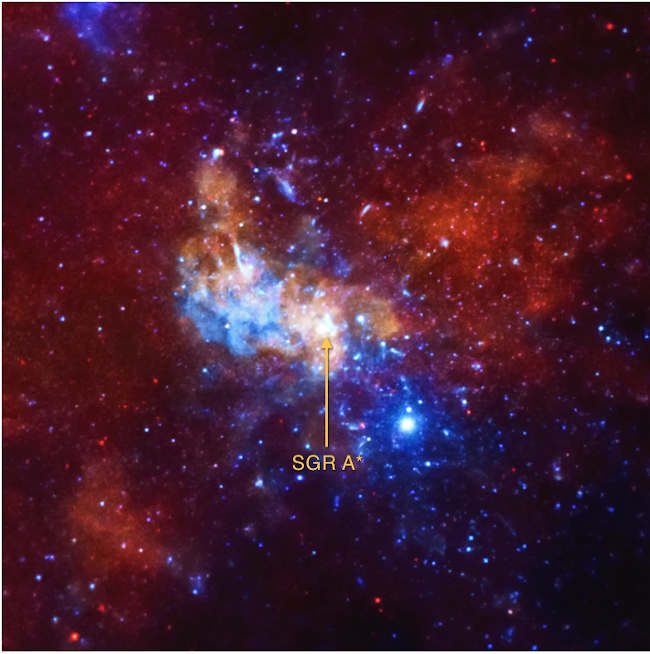
The supermassive black hole at the center of the Milky Way may be producing tiny particles, called neutrinos, that have virtually no mass and carry no electric charge. This Chandra image shows the region around the black hole, known as Sagittarius A*, in low, medium, and high-energy X-rays (red, green, and blue respectively.) Scientists have found a connection to outbursts generated by the black hole and seen by Chandra and other X-ray telescopes with the detection of high-energy neutrinos in an observatory under the South Pole.
To determine the spin of Sgr A*, the authors used an empirically based technique referred to as the “outflow method” that details the relationship between the spin of the black hole and its mass, the properties of the matter near the black hole, and the outflow properties. The collimated outflow produces the radio waves, while the disk of gas surrounding the black hole is responsible for the X-ray emission. Using this method, the researchers combined data from Chandra and the VLA with an independent estimate of the black hole’s mass from other telescopes to constrain the black hole’s spin.
The paper describing these results led by Ruth Daly (Penn State University) is published in the January 2024 issue of the Monthly Notices of the Royal Astronomical Society and appears online at https://ui.adsabs.harvard.edu/abs/2024MNRAS.527..428D/abstract. The other authors are Biny Sebastian (University of Manitoba, Canada), Megan Donahue (Michigan State University), Christopher O’Dea (University of Manitoba), Daryl Haggard (McGill University) and Anan Lu (McGill University).
NASA’s Marshall Space Flight Center manages the Chandra program. The Smithsonian Astrophysical Observatory’s Chandra X-ray Center controls science operations from Cambridge, Massachusetts, and flight operations from Burlington, Massachusetts.
For more Chandra images, multimedia and related materials, visit https://www.nasa.gov/mission/chandra-x-ray-observatory/.
Visual description
This artist’s illustration shows a cross-section of Sagittarius A*, pronounced as “SAJ-ee-TARE-ee-us A-star”, the supermassive black hole near the center of our Milky Way galaxy.
In the middle of the image, the spinning, circular black hole is presented from the side in black. The shape of the surrounding spacetime, pictured in shades of dark yellow, looks as though it has been squashed down, thus resembling the shape of an American football. The swirling gas that surrounds Sagittarius A* is presented on either side of the black hole, within a rectangular-shaped dotted line, indicating the representation is a cross-section view.
The background of the image contains a multitude of faint stars, peeking out from within brooding, dark red, indistinct clouds.