How to resolve AdBlock issue?
Refresh this page
Lake County News,California
  • Home
    • Registration Form
  • News
    • Education
    • Veterans
    • Community
      • Obituaries
      • Letters
      • Commentary
    • Police Logs
    • Business
    • Recreation
    • Health
    • Religion
    • Legals
    • Arts & Life
    • Regional
  • Calendar
  • Contact us
    • FAQs
    • Phones, E-Mail
    • Subscribe
  • Advertise Here
  • Login
How to resolve AdBlock issue?
Refresh this page

News

State highlights mental health resources for California youth amid changes to access to AI chatbots

The California Department of Public Health is highlighting the wide range of youth mental health resources and supports available to young people and their families as access to some forms of artificial intelligence companionship changes.

On Tuesday, Nov. 25, the private company character.ai will remove access to its AI companion for youth 18 years and younger. 

AI companions are conversational chatbots that use artificial intelligence to simulate conversation. 

While experts are still assessing the impacts this action may have on mental health, some youth may experience disruption or uncertainty when something they previously interacted with becomes unavailable. 

State leaders are promoting resources that can offer support, if necessary, during this transition.

“The world our youth live in is constantly changing, and the role artificial intelligence plays in their lives is complicated,” said Dr. Rita Nguyen, CDPH assistant state health officer. “While data and science on the topic are still evolving, ongoing reports on youth dependency on this technology are of concern and warrant further research. We encourage families to talk and to take advantage of the numerous resources available to support mental health."

Mental health resources for youth

CDPH remains committed to sharing resources and communication guidance that support suicide prevention and open, honest conversations on mental health between youth and their adult allies, such as parents, caregivers, teachers, and coaches. 

Two of these resources, BrightLife Kids and Soluna, are free behavioral health platforms developed as part of the Children and Youth Behavioral Health Initiative, or CYBHI.

These platforms offer children, youth, young adults, and families access to timely, culturally responsive, and confidential mental health support. They offer coaching sessions, educational content, stress management tools, moderated peer communities, and include crisis and safety protocols for those in emotional distress.

Services are available to all California families, regardless of income, immigration status, or insurance coverage.

The Never a Bother youth suicide prevention campaign, part of the CYBHI, dedicates a portion of the website to guidance on talking to youth about suicide and mental health challenges, and offers a series of print resources for use in home, school, and community settings.

While not specific to AI chatbots, efforts like these to foster connection and supportive relationships with youth help to bring conversations about suicide risk to the forefront and help equip caregivers with meaningful tools to support the young people in their lives.

The 988 Lifeline provides a simple, three-digit point of access for anyone experiencing a suicidal, mental health, or substance use crisis. To reach the Lifeline, people can call or text 988 or chat at Lifeline (988lifeline.org). People who are worried about a loved one who may need crisis support may also use 988 to receive guidance and support. This number is in addition to existing national, state-wide, and local call lines for emergency and non-emergency support.

Emerging science and data

Last month, California passed Senate Bill (SB) 243, creating the nation’s first safeguards for companion chatbots. As part of implementation of SB 243, CDPH will review data submitted by AI chatbot platforms for further policy recommendations.

By providing critical data on protocols and referrals related to suicidal thoughts and self-harm, SB 243 will assist CDPH in tracking and disseminating data on the type of suicide prevention related guidance provided by companion chatbot platforms and the frequency of such guidance. 

This information will allow the department to better understand the scope and nuances of suicide-related issues on companion chatbot platforms.

Retailers are quietly changing their return policies – here’s why you should be on the lookout this Black Friday


’Tis the season for giving – and that means ’tis the season for shopping. Maybe you’ll splurge on a Black Friday or Cyber Monday deal, thinking, “I’ll just return it if they don’t like it.” But before you click “buy,” it’s worth knowing that many retailers have quietly tightened their return policies in recent years.

As a marketing professor, I study how retailers manage the flood of returns that follow big shopping events like these, and what it reveals about the hidden costs of convenience. Returns might seem like a routine part of doing business, but they’re anything but trivial. According to the National Retail Federation, returns cost U.S. retailers almost US$890 billion each year.

Part of that staggering figure comes from returns fraud, which includes everything from consumers buying and wearing items once before returning them – a practice known as “wardrobing” – to more deceptive acts such as falsely claiming an item never arrived.

Returns also drain resources because they require reverse logistics: shipping, inspecting, restocking and often repackaging items. Many returned products can’t be resold at full price or must be liquidated, leading to lost revenue. Processing returns also adds labor and operational expenses that erode profit margins.

How e-commerce transformed returns

While retailers have offered return options for decades, their use has expanded dramatically in recent years, reflecting how much shopping habits have changed. Before the rise of e-commerce, shopping was a sensory experience: Consumers would touch fabrics, try on clothing and see colors in natural light before buying. If something didn’t work out, customers brought it back to the store, where an associate could quickly inspect and restock it.

Online shopping changed all that. While e-commerce offers convenience and variety, it removes key sensory cues. You can’t feel the material, test the fit or see the true color. The result is uncertainty, and with uncertainty comes higher rates of returns. One analysis by Capital One suggests that the rate for returns is almost three times higher for online purchases than for in-store purchases.

When the COVID-19 pandemic hit, the move toward online shopping went into overdrive. Even hesitant online shoppers had to adapt. To encourage purchases, many retailers introduced or expanded generous return policies. The strategy worked to boost sales, but it also created a culture of returning.

In 2020, returns accounted for 10.6% of total U.S. retail sales, nearly double the prior year, according to the National Retail Federation data. By 2021, that had climbed to 16.6%. Unable to try things on in stores, consumers began ordering multiple sizes or styles, keeping one and sending the rest back. The behavior was rational from a shopper’s perspective but devastatingly expensive for retailers.

The high cost of convenience

Most supply chains are designed to move in one direction: from production to consumption. Returns reverse that flow. When merchandise moves backward, it adds layers of cost and complexity.

In-store returns used to be simple: A customer would take an item back to the store, the retailer would inspect the product, and, if it was in good condition, it would go right back on the shelf. Online returns, however, are far more cumbersome. Products can spend weeks in transit and often can’t be resold – by the time they arrive, they may be out of season, obsolete or no longer in their original packaging.

Logistics costs compound the problem. During the pandemic, consumers grew accustomed to free shipping. That means retailers now often pay twice: once to deliver the item and again to retrieve it.

Now, in a post-pandemic world, retailers are trying to strike a balance – maintaining customer goodwill without sacrificing profitability. One solution is to raise prices, but especially today, with inflation in the headlines, shoppers are sensitive to price hikes. The other, more common approach is to tighten return policies.

In practice, that’s taken several forms. Some retailers have begun charging small flat fees for returns, even when a customer mails an item back at their own expense. For example, the direct-to-consumer retailer Curvy Sense offers customers unlimited returns and exchanges of an item for an initial $2.98 price. Others have shortened their return windows. Over the summer, for example, beauty retailers Sephora and Ulta reduced their return window from 60 days to 30.

Many brands now attach large, conspicuous “do not remove” tags to prevent consumers from wearing items and then sending them back. And increasingly, retailers are offering store credit rather than cash or credit card refunds, ensuring that returned sales at least stay within their company.

Few retailers advertise these changes prominently. Instead, they appear quietly in the fine print of return policies – policies that are now longer, more specific and far less forgiving than they once were.

As we head into the busiest shopping season of the year, it’s worth pausing before you click “purchase.” Ask yourself: Is this something I truly want – or am I planning to return it later?

Whenever possible, shop in person and return in person. And if you’re buying online, make sure you familiarize yourself with the return policy.The Conversation

Lauren Beitelspacher, Professor of Marketing, Babson College

This article is republished from The Conversation under a Creative Commons license. Read the original article.

Rotary Club of Clear Lake to host 32nd annual Christmas Celebration

CLEARLAKE, Calif. — The Rotary Club of Clear Lake announced that its 32nd annual Christmas Celebration will take place on Saturday, Dec. 13.

The event will take place from 10 a.m. to 2 p.m. at Burns Valley Elementary School, 3620 Pine St., Clearlake.

The celebration is presented in partnership with Foods, Etc. and the Konocti Unified School District. 

This cherished community tradition welcomes residents of all ages to come together and enjoy the spirit of the season in a warm, joyful and family-friendly environment.

Event highlights include:

• A free holiday meal: A delicious seasonal meal offered at no cost — an opportunity for neighbors and friends to gather and celebrate together.

• Face painting, 11 a.m. to 1 p.m.: Children can embrace the festivities with cheerful and creative face painting.

• Health care screenings: Complimentary health screenings will be available to support the well-being of community members.

• A small toy for every child: Each child attending will receive a small toy, adding a touch of holiday magic to their day.

The Rotary Club of Clear Lake encourages families, friends and community members to join in on the celebration and share the joy of the holiday season.

All are welcome.

The Rotary Club of Clear Lake wishes the community a very Merry Christmas.

County seeks members for Big Valley and animal control advisory boards

LAKE COUNTY, Calif. — The Board of Supervisors is seeking applicants to fill vacancies on two advisory boards, the Big Valley Advisory Council and the Animal Control Advisory Board.

The Big Valley Advisory Council has two vacancies, one for a public member and one for a public member-alternative.

The purpose of this council is to advise the Board of Supervisors on matters which relate to the Big Valley Area which may include, but are not limited to, matters of public health, safety welfare, public works, economic development, planning and land use.  Interested parties must be able to commit to a two-year term.

The Animal Control Advisory Board has one vacancy for a member from District 5.
 
This board is tasked with reviewing and evaluating Animal Care and Control needs, which are listed in the group’s bylaws. 

It also advises the Board of Supervisors and the Animal Care and Control director; acts as a liaison between the community, the Board of Supervisors and the Animal Care and Control director; reviews department budgets; and submits annual reports to the Board of Supervisors. 

Interested parties must be able to commit to a two-year term.

Applications are online at www.lakecountyca.gov on the Board of Supervisors page or at the Lake County Courthouse, Clerk of the Board Office, Room 109, 255 N. Forbes St. in Lakeport. 

Membership on the above-mentioned boards is voluntary.

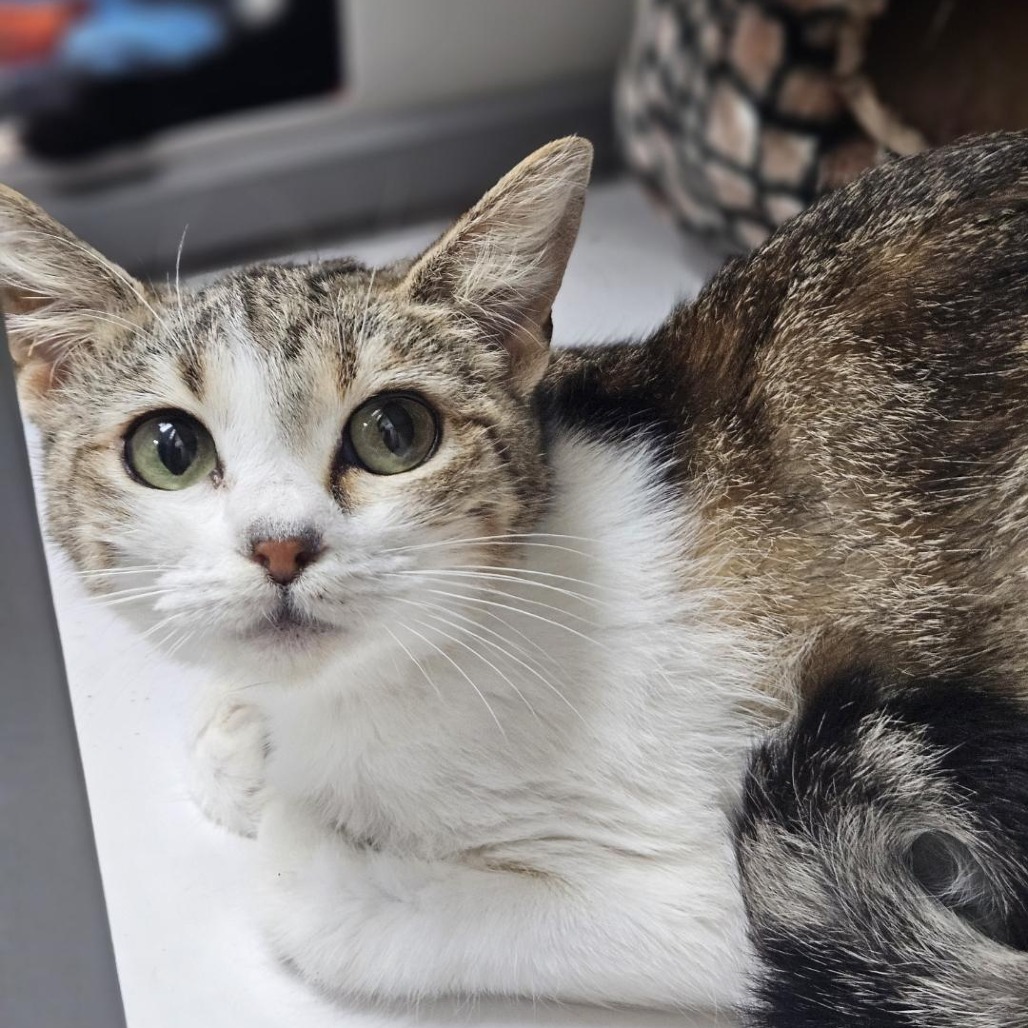
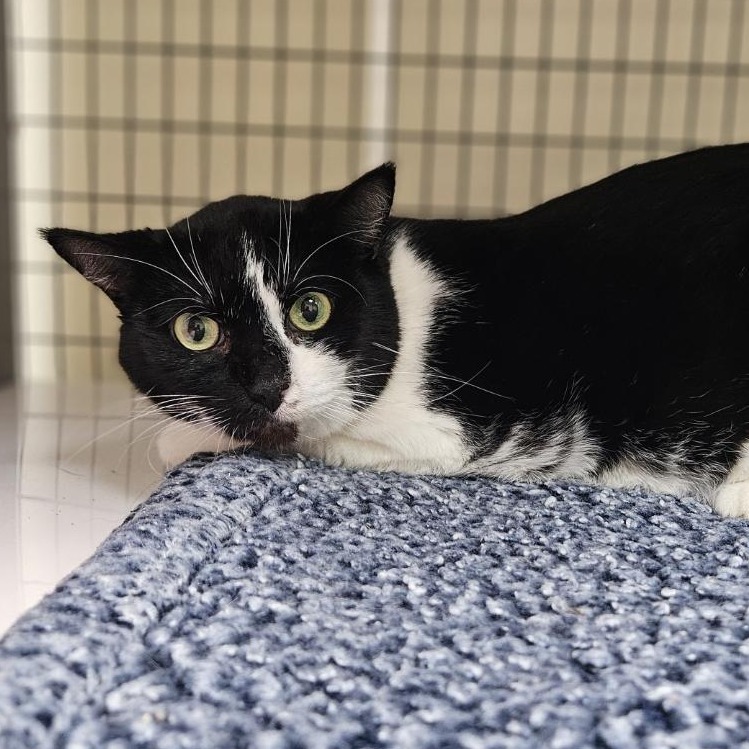
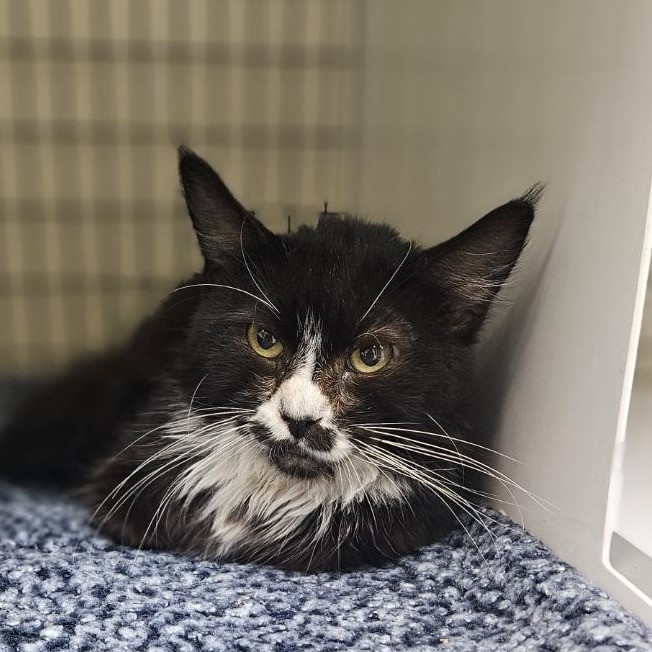
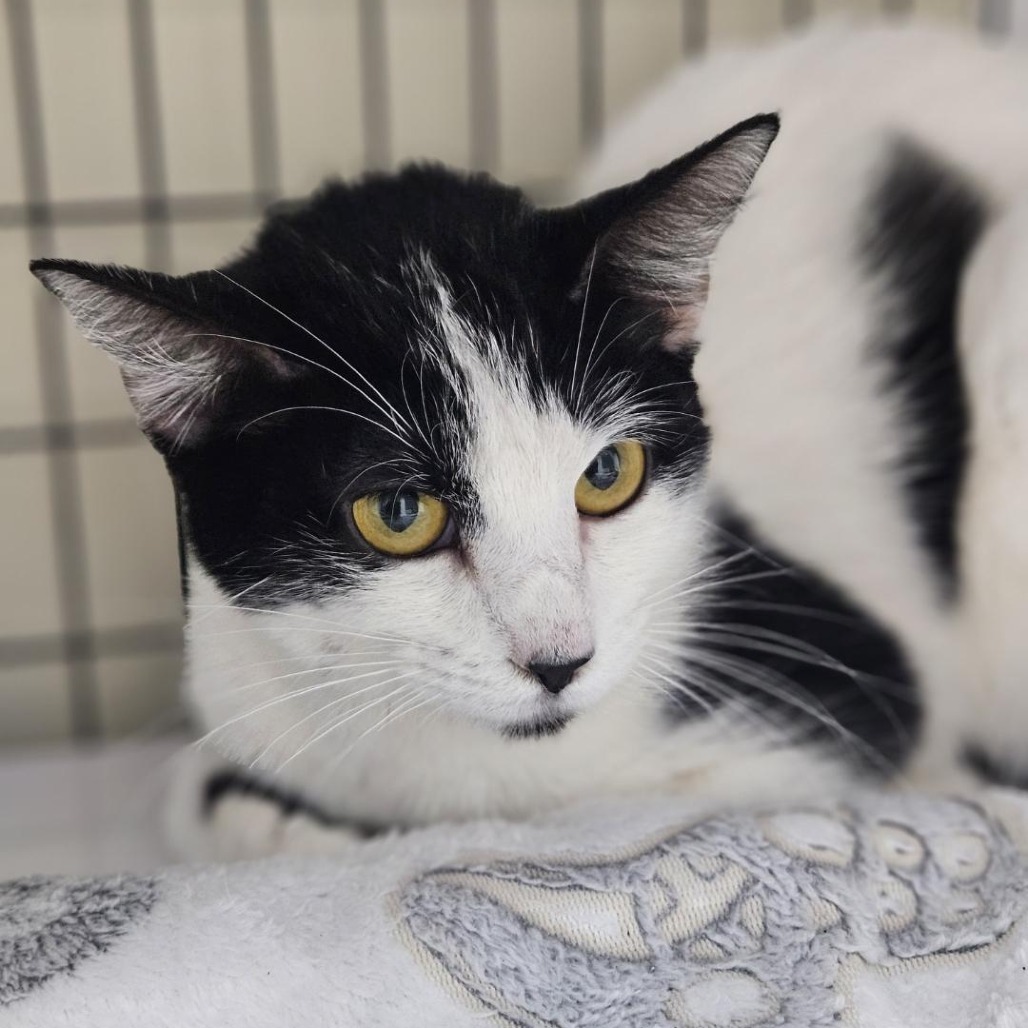
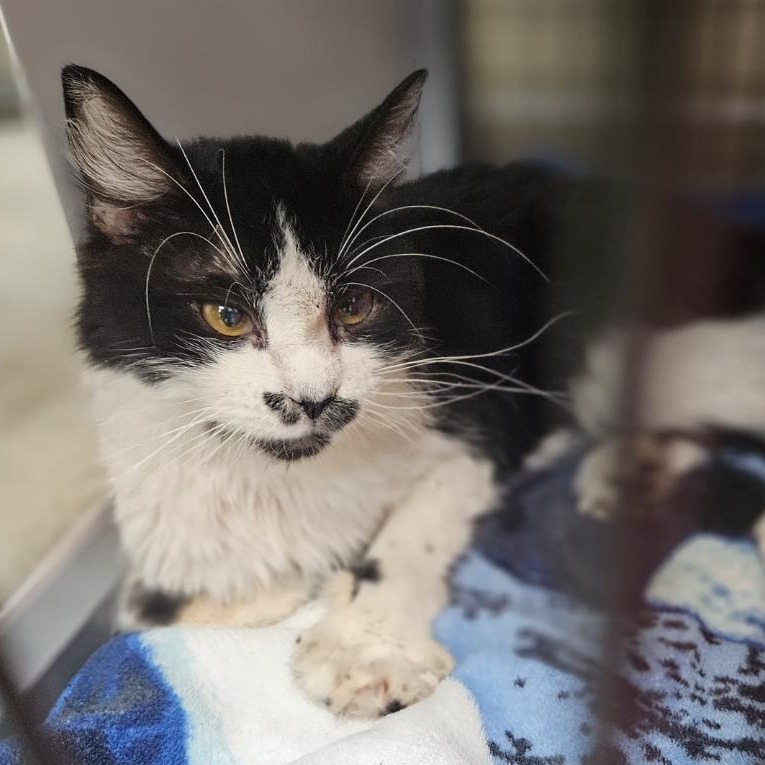
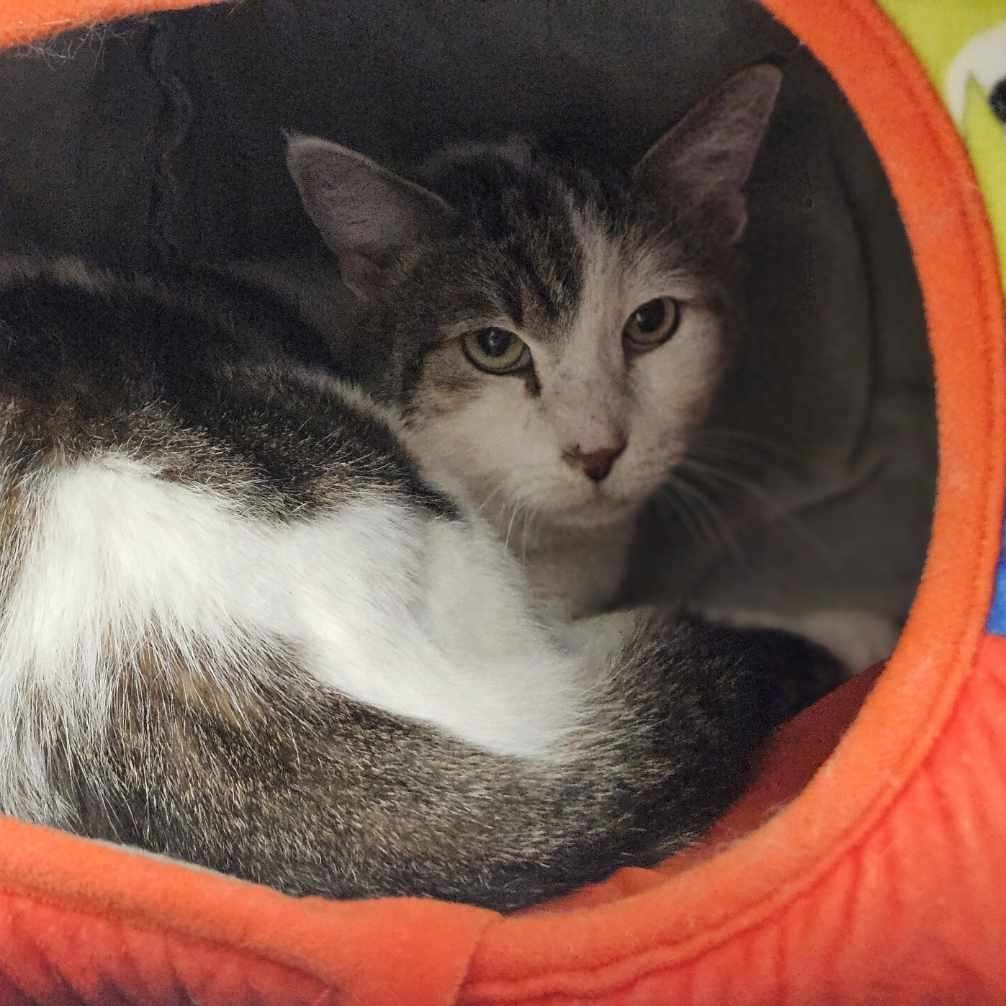
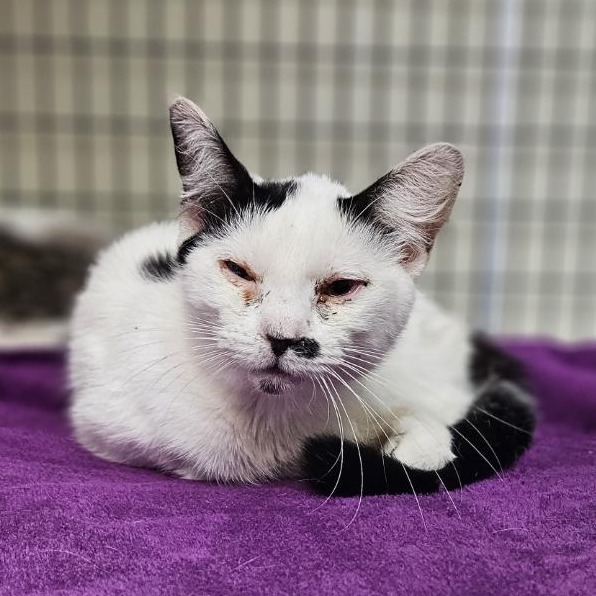
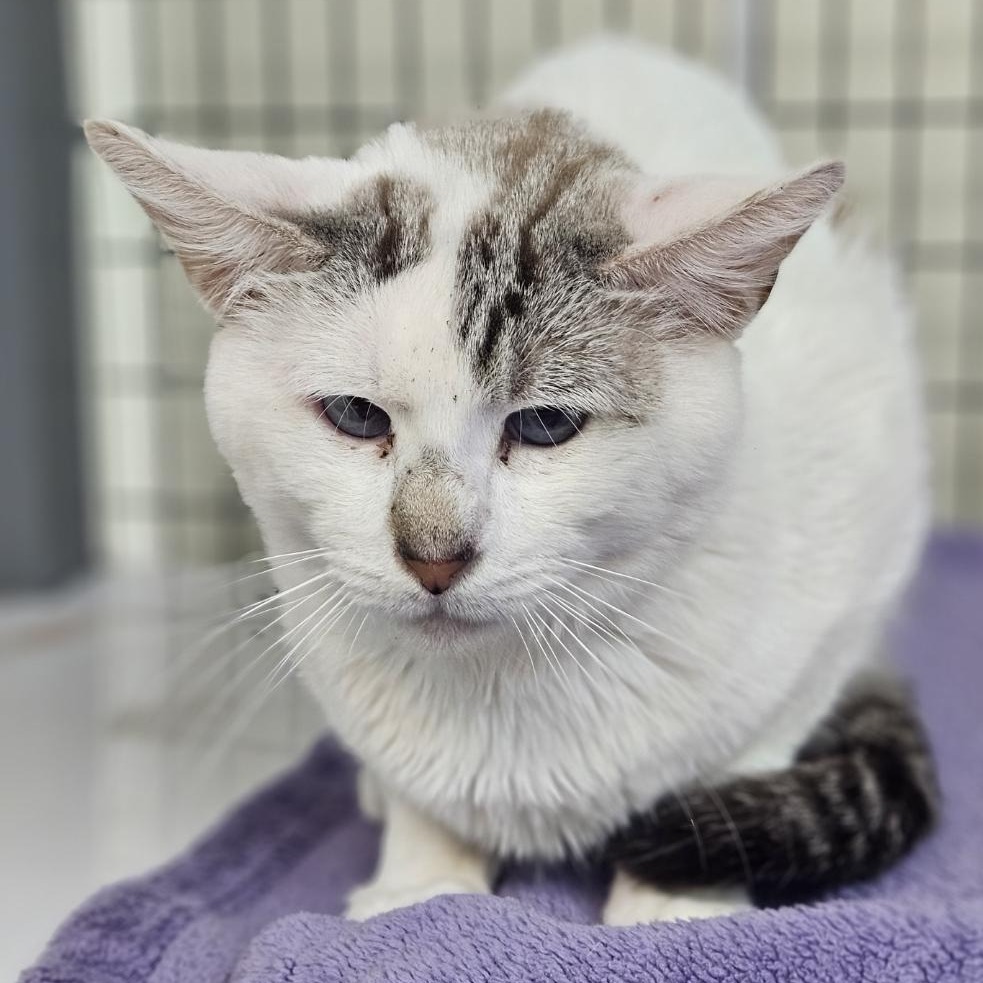
Purrfect Pals: Many new cats and kittens

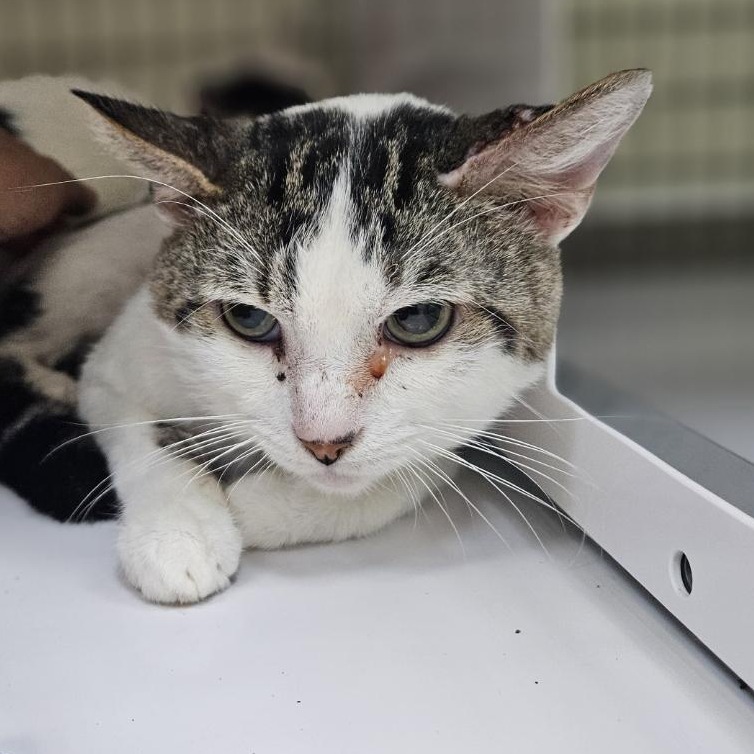
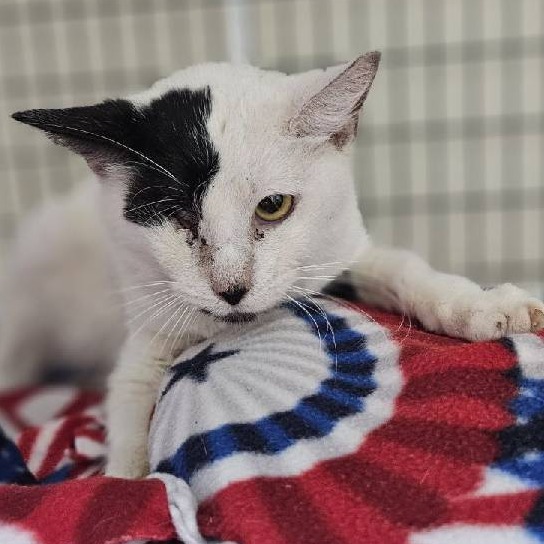
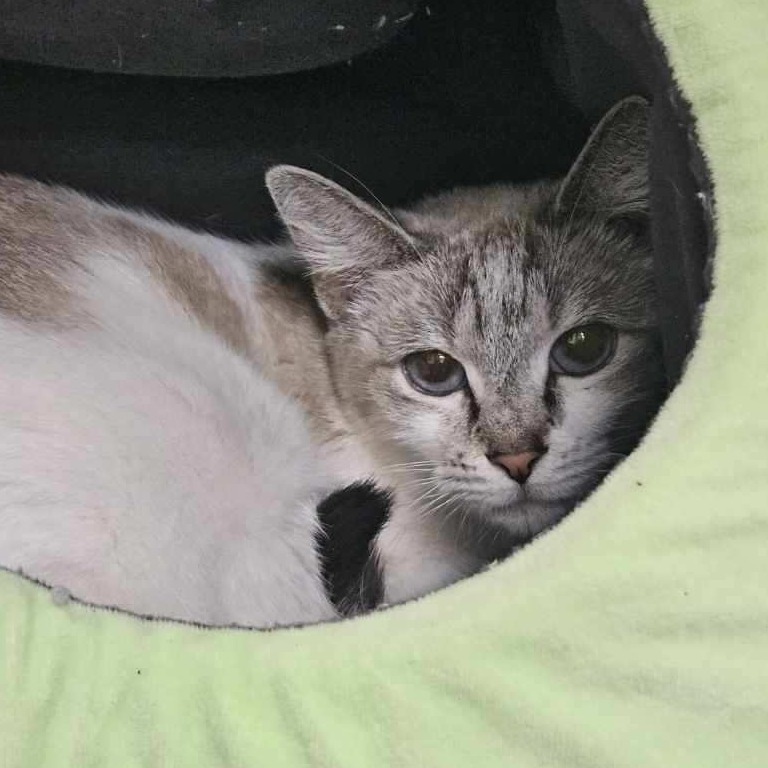
LAKE COUNTY, Calif. — Lake County Animal Care and Control has a big group of cats and kittens in need of new homes this Thanksgiving week.

The kittens and cats at the shelter that are shown on this page have been cleared for adoption.

Call Lake County Animal Care and Control at 707-263-0278 or visit the shelter online for information on visiting or adopting.

The shelter is located at 4949 Helbush in Lakeport.

Email Elizabeth Larson at This email address is being protected from spambots. You need JavaScript enabled to view it.. Follow her on Twitter, @ERLarson, and on Bluesky, @erlarson.bsky.social. Find Lake County News on the following platforms: Facebook, @LakeCoNews; X, @LakeCoNews; Threads, @lakeconews, and on Bluesky, @lakeconews.bsky.social. 

A#68's preview photo
A#68

A#122a's preview photo
A#122a

A#73's preview photo
A#73

A#122b's preview photo
A#122b

A#122c's preview photo
A#122c

A#89a's preview photo
A#89a

A#111a's preview photo
A#111a

A#111b's preview photo
A#111b

A#49a's preview photo
A#49a

A#49b's preview photo
A#49b

A#139a's preview photo
A#139a

A#139b's preview photo
A#139b

A#122(mom)'s preview photo
A#122(mom)

A#114a's preview photo
A#114a

A#114b's preview photo
A#114b

A#117a's preview photo
A#117a

A#117b's preview photo
A#117b

A#21a's preview photo
A#21a

A#21b's preview photo
A#21b
 

Don’t let food poisoning crash your Thanksgiving dinner

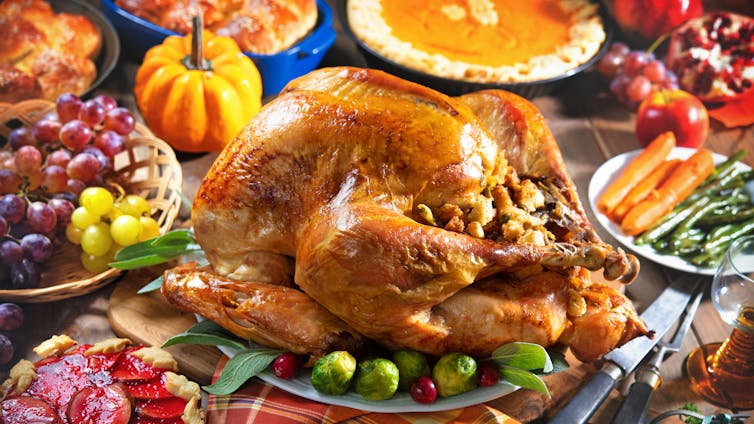
Undercooked turkey is a leading cause of foodborne illness on Thanksgiving. AlexRaths/iStock via Getty Images Plus

Thanksgiving is a time for family, friends and feasting. However, amid the joy of gathering and indulging in delicious food, it is essential to keep food safety in mind. Foodborne illnesses can quickly put a damper on your celebrations.

As an immunologist and infectious disease specialist, I study how germs spread – and how to prevent them from doing so. In my courses, I teach my students how to reduce microbial risks, including those tied to activities such as hosting a big Thanksgiving gathering, without becoming germophobes.

Foodborne illnesses sicken 48 million Americans – 1 in 6 people – each year. Holiday meals such as Thanksgiving pose special risks because these spreads often involve large quantities, long prep times, buffet-style serving and mingling guests. Such conditions create many opportunities for germs to spread.

This, in turn, invites a slew of microbial guests such as Salmonella and Clostridium perfringens. Most people recover from infections with foodborne bacteria, but each year around 3,000 Americans die from the illnesses they cause. More routinely, these bugs can cause nausea, vomiting, stomach cramps and diarrhea within hours to a couple of days after being consumed – which are no fun at a holiday celebration.

Foods most likely to cause holiday illness

Most foodborne illnesses come from raw or undercooked food and foods left in the so-called danger zone of cooking temperature – 40 degrees to 140 degrees Fahrenheit – in which bacteria multiply rapidly. Large-batch cooking without proper reheating or storage as well as cross contamination of foods during preparation can also cause disease.

A turkey on a counter being stuffed by two sets of hands.
Put that bird right in the oven as soon as you’ve stuffed it to keep bacteria from multiplying inside. kajakiki/E+ via Getty Images

Not all dishes pose the same risk. Turkey can harbor Salmonella, Campylobacter and Clostridium perfringens. Undercooked turkey remains a leading cause of Thanksgiving-related illness. Raw turkey drippings can also easily spread bacteria onto hands, utensils and counters. And don’t forget the stuffing inside the bird. While the turkey may reach a safe internal temperature, the stuffing often does not, making it a higher-risk dish.

Leftovers stored too long, reheated improperly or cooled slowly also bring hazards. If large pieces of roasted turkey aren’t divided and cooled quickly, any Clostridium perfringens they contain might have time to produce toxins. This increases the risk of getting sick from snacking on leftovers – even reheated leftovers, since these toxins are not killed by heat.

Indeed, each November and December outbreaks involving this bacterium spike, often due to encounters with turkey and roast beef leftovers.

Don’t wash the turkey!

Washing anything makes it cleaner and safer, right? Not necessarily.

Many people think washing their turkey will remove bacteria. However, it’s pretty much impossible to wash bacteria off a raw bird, and attempting to do so actually increases cross contamination and your risk of foodborne illness.

Since 2005, federal food safety agencies have advised against washing turkey or chicken. Despite this, a 2020 survey found that 78% of people still reported rinsing their turkey before cooking – often because older recipes or family habits encourage it.

When you rinse raw poultry, water can splash harmful bacteria around your kitchen, contaminating counter tops, utensils and nearby foods. If you do choose to wash turkey, it’s critical to immediately clean and disinfect the sink and surrounding area. A 2019 USDA study found that 60% of people who washed their poultry had bacteria in their sink afterward – and 14% had bacteria in the sink even after cleaning it.

Family enjoying Thanksgiving meal
A few food prep precautions can help keep the holiday free of gastrointestinal distress. Drazen Zigic/iStock via Getty Images Plus

Food prep tips for a safe and healthy Thanksgiving

Wash your hands regularly. Before cooking and after touching raw meat, poultry or eggs, wash your hands thoroughly with soap and water for at least 20 seconds. Improper handwashing by people handling food is a major source of bacterial contamination with Staphylococcus aureus. This bacterium’s toxins are hard to break down, even after cooking or reheating.

Thaw turkey safely. The safest way to thaw a turkey is in the refrigerator. Allow 24 hours per 4-5 pounds. There’s also a faster method, which involves submerging the turkey in cold water and changing the water every 30 minutes – but it’s not as safe because it requires constant attention to ensure the water temperature stays below 40 F in order to prevent swift bacteria growth.

Stuff your turkey immediately before cooking it. Stuffing the turkey the night before is risky because it allows bacteria in the stuffing to multiply overnight. The toxins produced by those bacteria do not break down upon cooking, and the interior of the stuffing may not get hot enough to kill those bacteria. The USDA specifically warns against prestuffing. So cook stuffing separately, if possible, or if you prefer it inside the bird, stuff immediately before roasting, making sure it reaches 165 F.

Cook food to the right temperature. A thermometer is your best friend – use it to ensure turkey and stuffing both reach 165 F. Check casseroles and other dishes too. It’s best not to rely on an internal pop-up thermometer, since they can be inaccurate, imprecise and could even malfunction.

Avoid cross contamination. Use separate cutting boards for raw meat, vegetables and bread. Change utensils and plates after handling raw meat before using them for cooked foods.

Keep food at safe temperatures. Serve hot foods immediately, and make sure hot foods are served above 140 F and cold dishes below 40 F to keep them out of the microbial danger zone.

Be cautious with buffet-style serving. Limit food time on the table to two hours or less – longer than that, any bacteria present can double every 20 minutes. Provide dedicated serving utensils, and avoid letting guests serve with utensils they have eaten from.

Be mindful of expiration dates. Don’t forget to check dates on food items to make sure that what you are serving isn’t expired or left from last Thanksgiving.

Educate guests on food safety. Remind guests to wash their hands before preparing or serving food, and politely discourage double-dipping or tasting directly from communal dishes.

Thanksgiving should be a time of gratitude, not gastrointestinal distress. By following these simple food safety tips, you can help ensure a safe and healthy holiday.The Conversation

Lisa Cuchara, Professor of Biomedical Sciences, Quinnipiac University

This article is republished from The Conversation under a Creative Commons license. Read the original article.

  • 98
  • 99
  • 100
  • 101
  • 102
  • 103
  • 104
  • 105
  • 106
  • 107

Community

  • Sheriff’s Activities League and Clearlake Bassmasters offer youth fishing clinic

  • City Nature Challenge takes place April 24 to 27

Public Safety

  • Lakeport Police logs: Wednesday, Feb. 11

  • Lakeport Police logs: Tuesday, Feb. 10

Education

  • Ramos measure requiring school officer training in use of anti-opioid drug moves forward

  • Lake County Chapter of CWA announces annual scholarships 

Health

  • California ranks 24th in America’s Health Rankings Annual Report from United Health Foundation

  • Healthy blood donors especially vital during active flu season

Business

  • Employment law summit takes place March 9

  • Two Lake County Mediacom employees earn company’s top service awards

Obituaries

  • Terry Knight

  • Ellen Thomas

Opinion & Letters

  • Who should pay for AI’s power? Not California ratepayers

  • Crandell: Supporting nephew for reelection in supervisorial race

Veterans

  • State honors fallen chief warrant officer killed in conflict in Iran

  • CalVet and CSU Long Beach team up to improve data collection related to veteran suicides

Recreation

  • April Audubon program will show how volunteers can help monitor local osprey nests

  • First guided nature walk of spring at Anderson Marsh State Historic Park April 11

  • Second Saturday guided nature walks continue at Anderson Marsh State Historic Park

  • Wet weather trail closure in effect on Upper Lake Ranger District

Religion

  • Kelseyville Presbyterian Church plans Easter service

  • Easter ‘Sonrise’ Service returns to Xabatin Community Park

Arts & Life

  • ‘CIA’ delves into the shadowy world of an espionage thriller

  • ‘War Machine’ shifts the battlefield into uncharted territory

Government & Politics

  • Lake County Democratic Central Committee endorses Falkenberg

  • Crandell launches reelection campaign plans March 15 event

Legals

  • April 23 hearing on Lake Coco Farms Major Use Permit

  • NOTICE OF 30-DAY PUBLIC COMMENT PERIOD & NOTICE OF PUBLIC HEARING

How to resolve AdBlock issue?
Refresh this page