How to resolve AdBlock issue?
Refresh this page
Lake County News,California
  • Home
    • Registration Form
  • News
    • Education
    • Veterans
    • Community
      • Obituaries
      • Letters
      • Commentary
    • Police Logs
    • Business
    • Recreation
    • Health
    • Religion
    • Legals
    • Arts & Life
    • Regional
  • Calendar
  • Contact us
    • FAQs
    • Phones, E-Mail
    • Subscribe
  • Advertise Here
  • Login
How to resolve AdBlock issue?
Refresh this page

News

Investigation ongoing into sturgeon’s arrival in Clear Lake

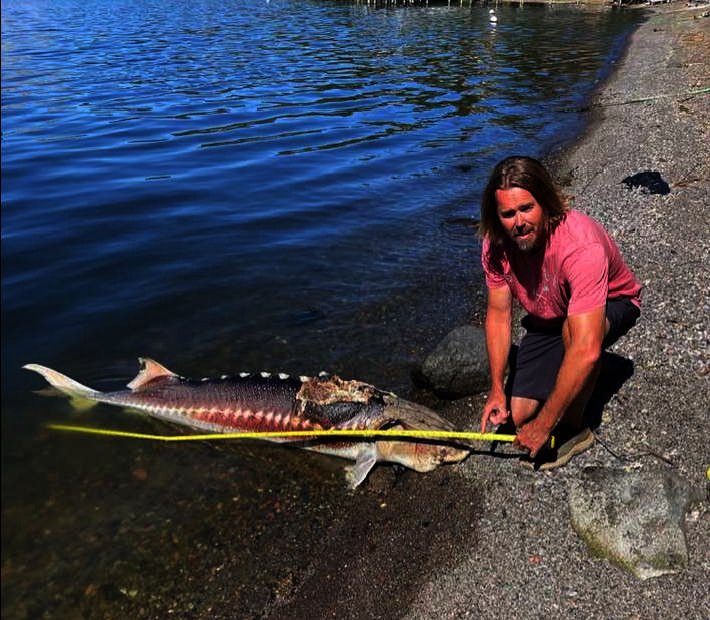
A white sturgeon washed up in Buckingham near Kelseyville, California, on Monday, Sept. 15, 2025. Photo courtesy of Ken Young.


LAKE COUNTY, Calif. — How did a white sturgeon end up in Clear Lake?

Scientists are still working to answer that question about the sturgeon, discovered in September.

The white sturgeon is the largest freshwater fish in North America, but its range doesn’t include Clear Lake.

So when the big fish was found dead, washed up on a beach in Buckingham, in mid-September, it kicked off an investigation involving tribal and government scientists.

Sarah Ryan, environmental director for the Big Valley Band of Pomo Indians, said her agency got tissue samples of the sturgeon which they sent off for analysis of microcystins and mercury.

She said Robinson Rancheria is reviewing the sturgeon’s ear bones to determine whether it started in Clear Lake or not, which is possible because there is geologic imprinting on their ear bones.

Ryan said there also is a fin study being done by wildlife scientists to determine whether the fish was in salt water or not. 

“We also got reports of other sturgeon sightings but never got enough details to follow up,” Ryan said.

On Tuesday, the Board of Supervisors received an update from the Lake County Fish and Wildlife Advisory Committee on a fish die-off that occurred at the start of September, first reported about a week before the sturgeon was found.

Luis Santana, chair of the Lake County Fish and Wildlife Advisory Committee and fish and wildlife director of Robinson Rancheria’s Danoxa Fish and Wildlife Department, led the presentation about the die-off and also updated the board on the investigation into the sturgeon’s discovery.

Santana acknowledged how the topic of the sturgeon “was going crazy” on social media.

Some commenters on social media claimed the fish wasn’t real, and that the discovery was a hoax.

“Yes, it was there. It was 100% real,” Santana said.

“I took the head and the pictorial fins for further analysis, and we should know more about it, hopefully in the next couple weeks,” he explained.

Santana said the investigation is trying to identify the habitat where the sturgeon was at for its entire life.

He said that, so far, he’s thinking that someone caught it in the bay and transported it to Lake County to let it live out the rest of its life in Clear Lake.

The sturgeon was a female, and measured 7 feet, 7 inches in length, Santana said.

Santana said the low levels of dissolved oxygen in early September affected all of Clear Lake, was located throughout the water column and impacted numerous species of fish.

Likewise, so far, he believes the low-oxygen event also caused the sturgeon to die.

Noting that people do “crazy and illegal things all the time,” Santana said he doesn’t recommend moving any fish from one body of water to another, but he believes that’s what happened with the sturgeon.

The white sturgeon is a candidate for listing under the California Endangered Species Act, is catch-and-release only in the state and can’t be kept in a live well. California Department of Fish and Wildlife regulations say sturgeons of the size of the one found in Clear Lake are not to be removed from the water at all. 

As a result, moving such a fish from its natural habitat could result in thousands of dollars in legal fines and jail time, according to state regulations.

The California Department of Fish and Wildlife previously told Lake County News that, at one time, people were planting white sturgeon everywhere and they would occasionally turn up in various reservoirs throughout the state.

Supervisor Bruno Sabatier said it’s a horrible idea to bring non-native fish to Clear Lake. He noted people have dumped their aquariums into the lake.

Santana said he will come back and update the supervisors after the investigation and report on the sturgeon are completed.

Email Elizabeth Larson at This email address is being protected from spambots. You need JavaScript enabled to view it.. Follow her on Twitter, @ERLarson, and on Bluesky, @erlarson.bsky.social. Find Lake County News on the following platforms: Facebook, @LakeCoNews; X, @LakeCoNews; Threads, @lakeconews, and on Bluesky, @lakeconews.bsky.social. 

Helping Paws: This week’s dog lineup

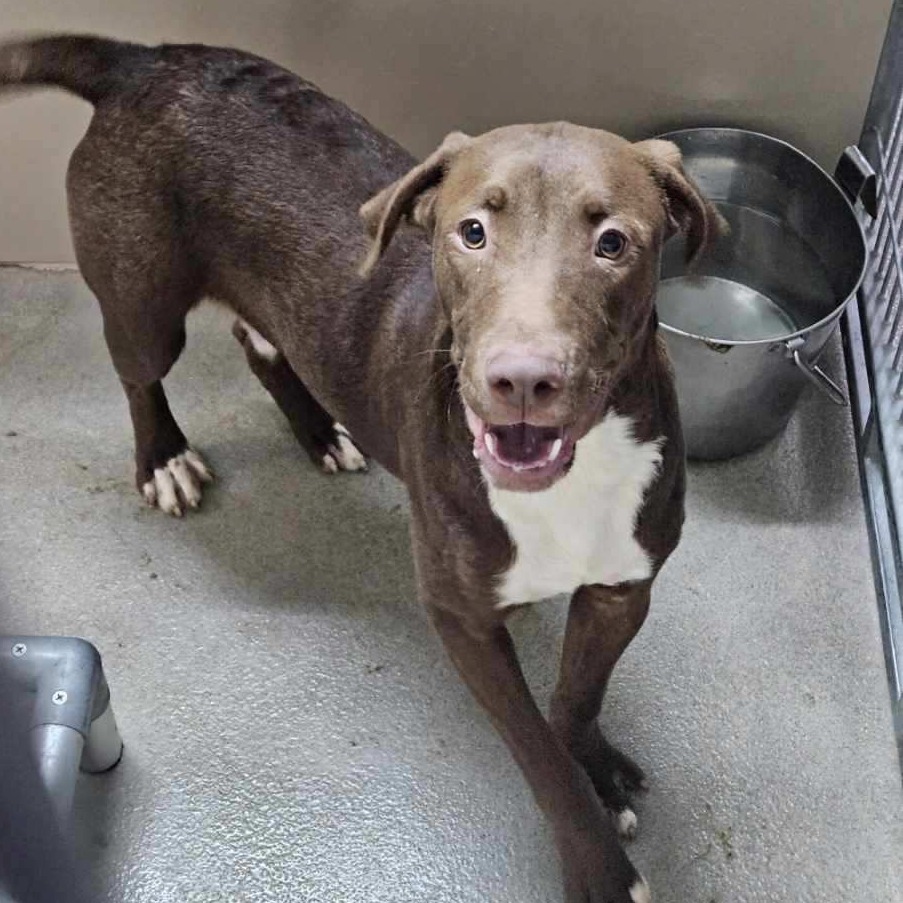
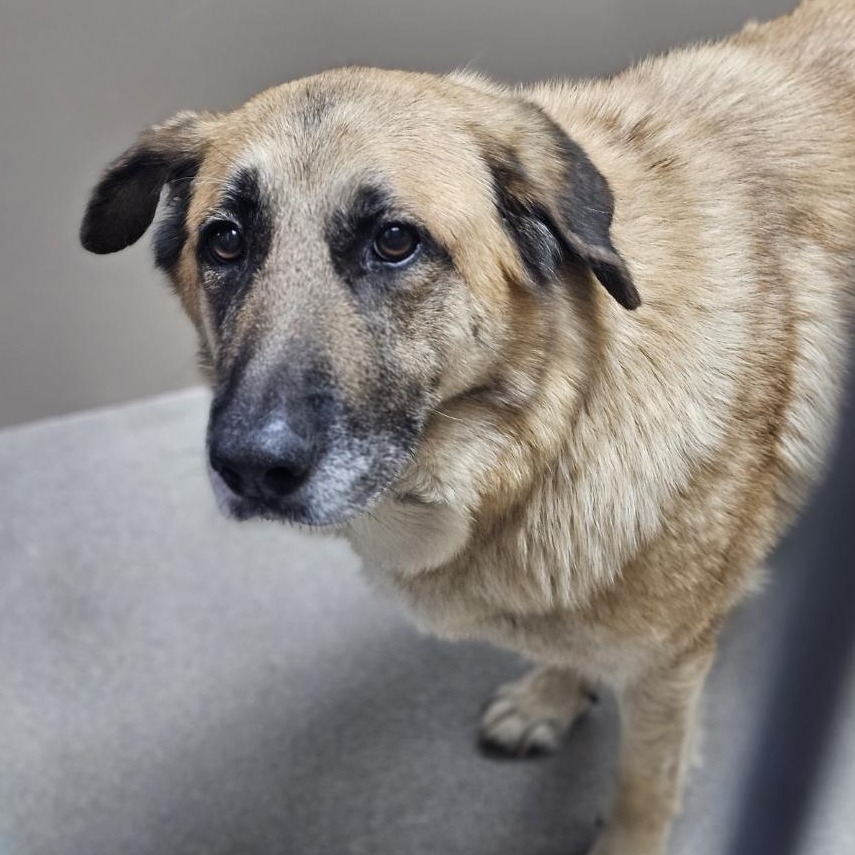
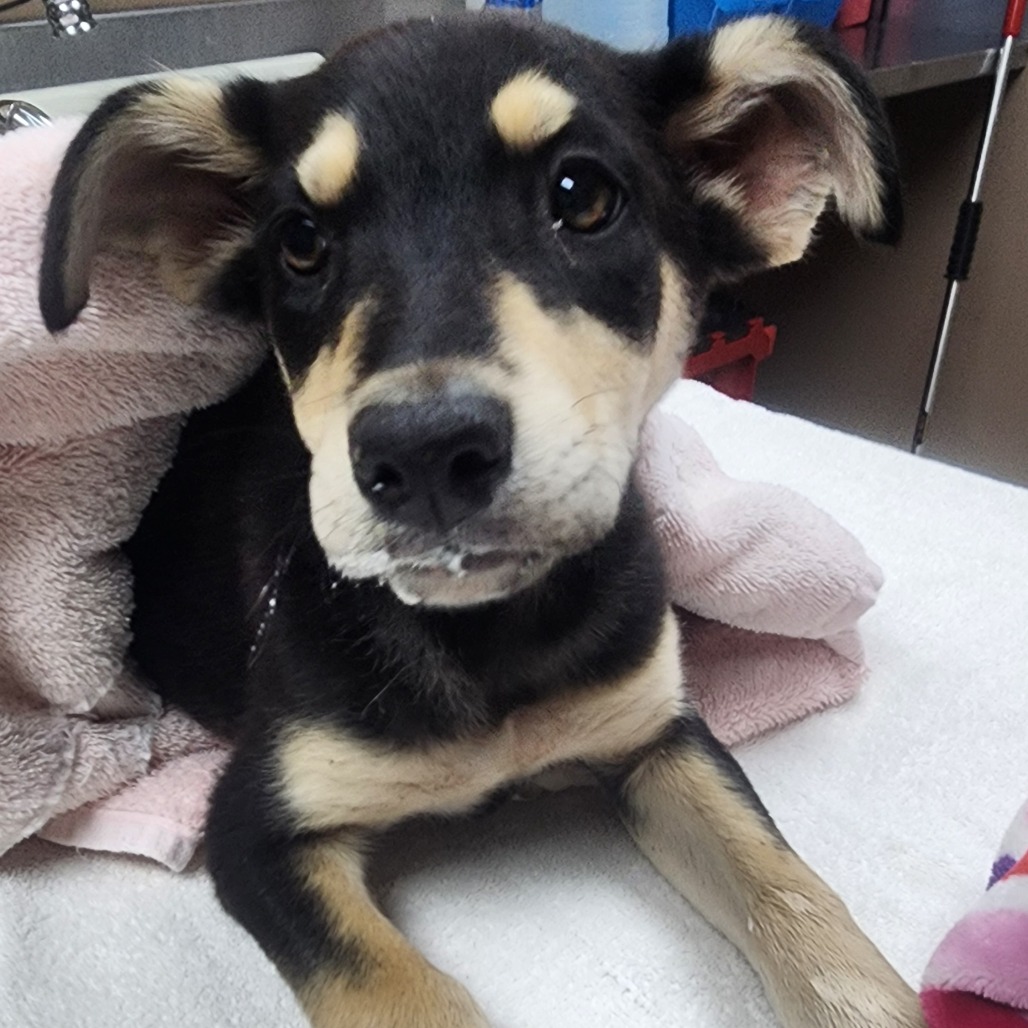
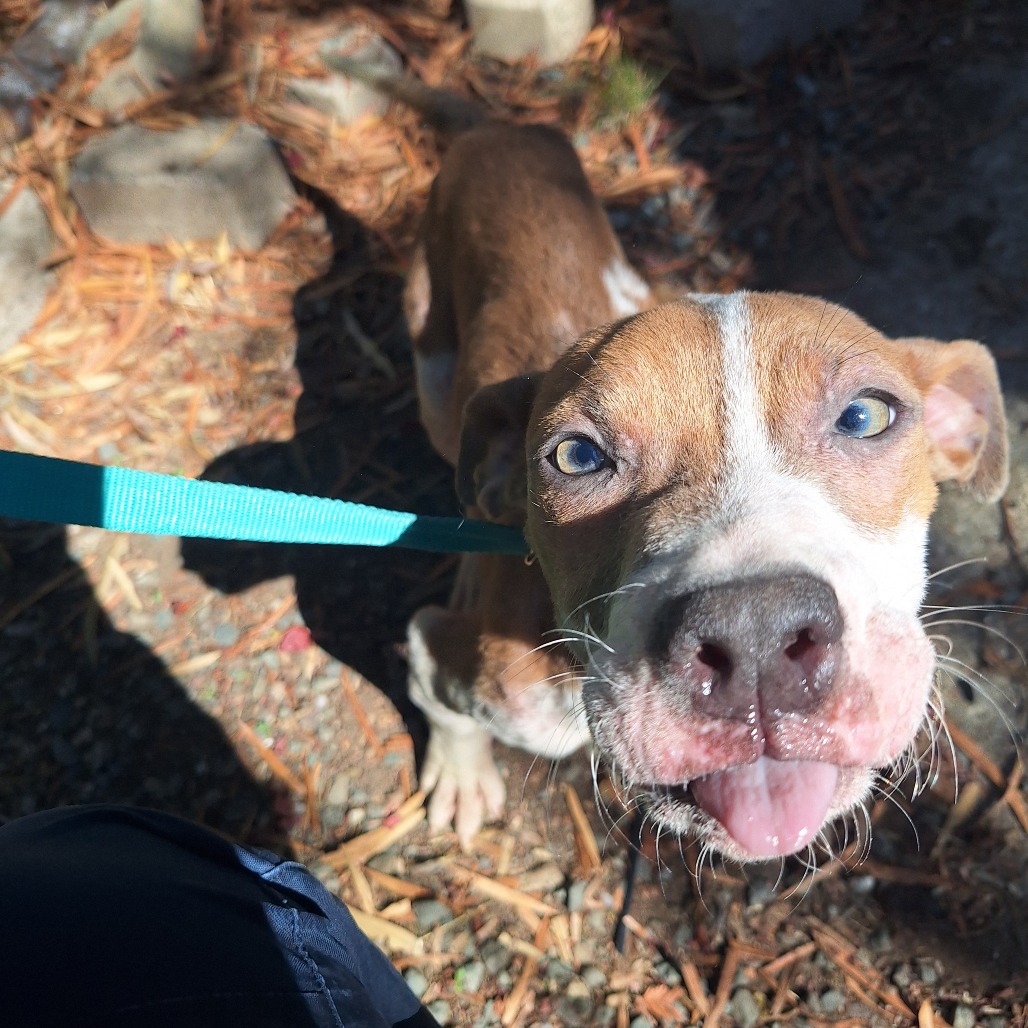
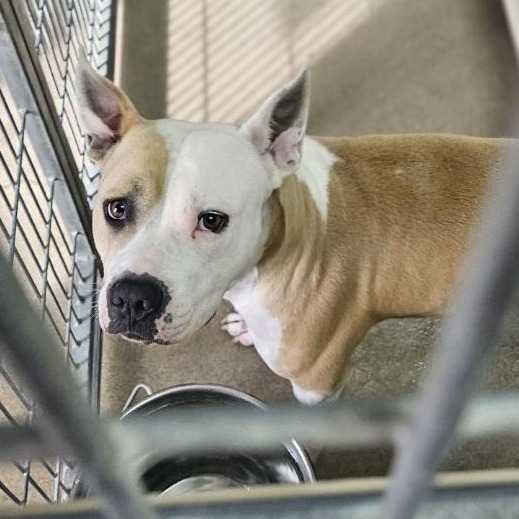
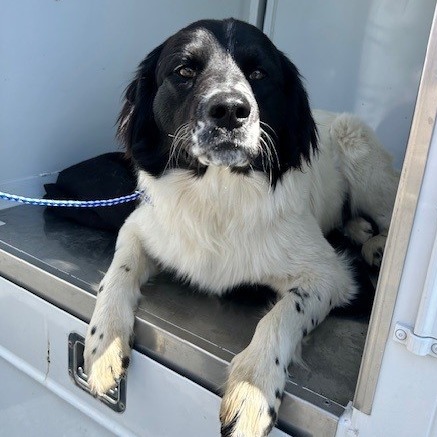
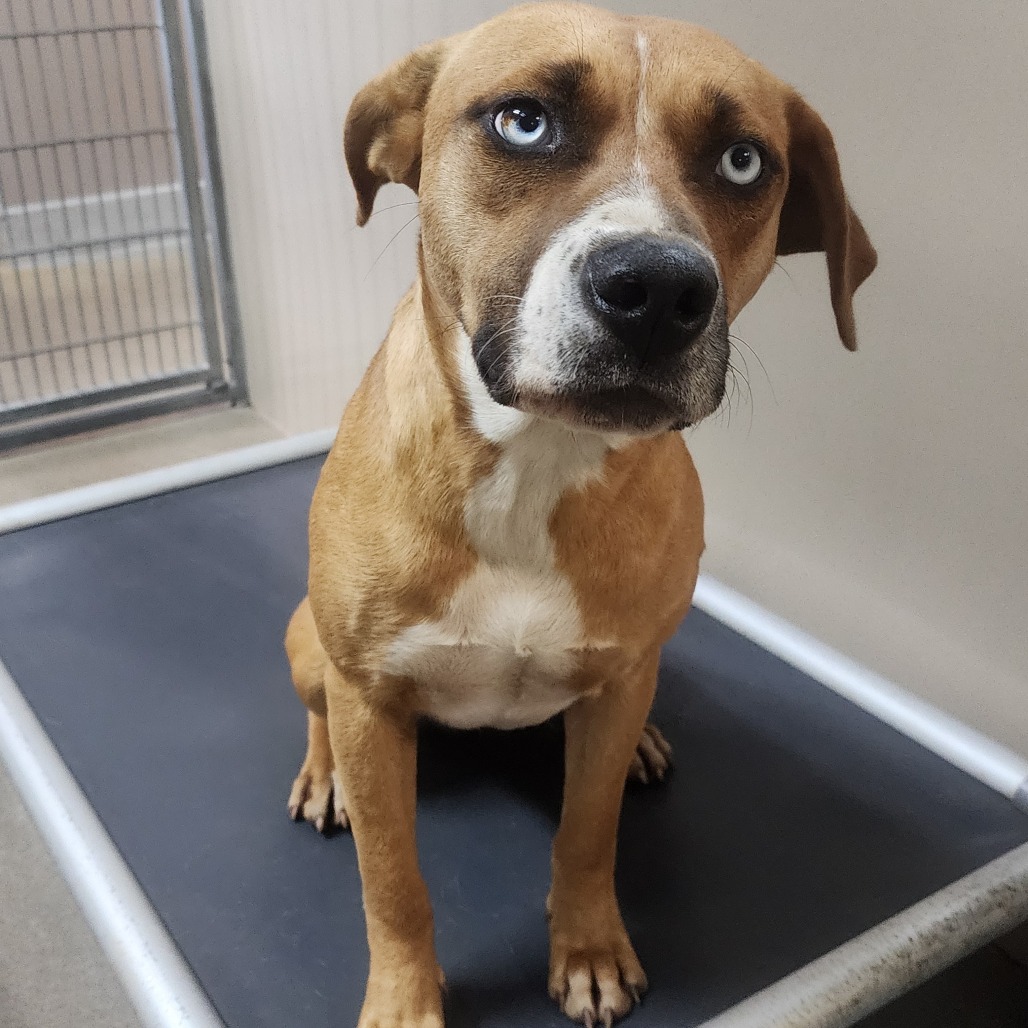
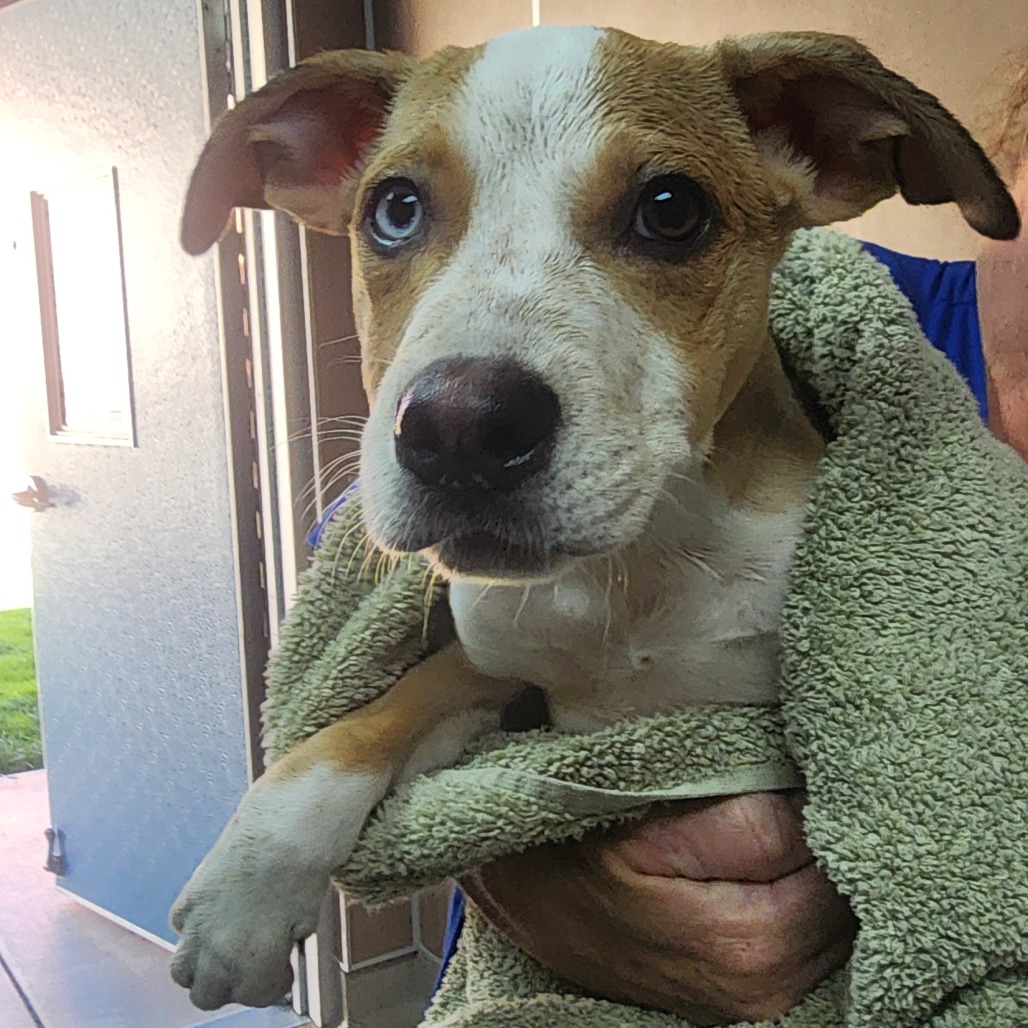
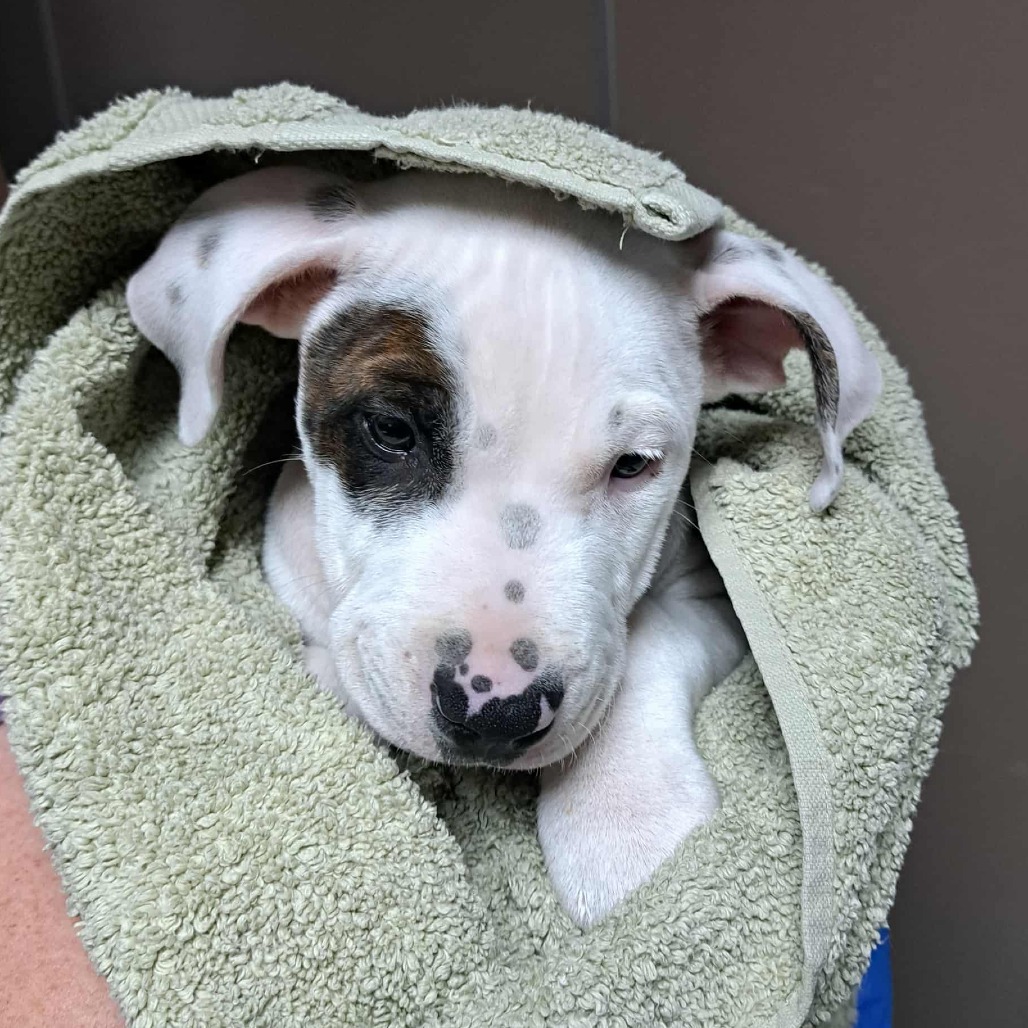
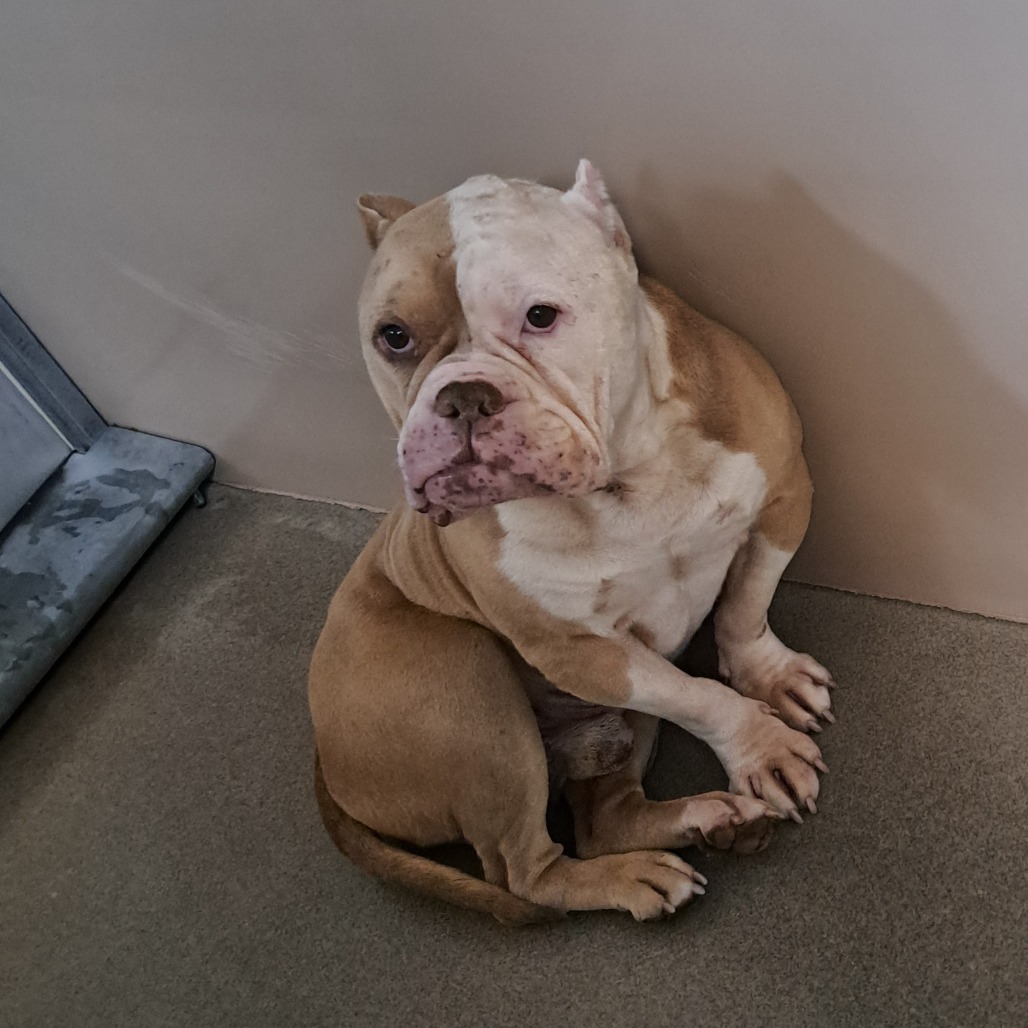
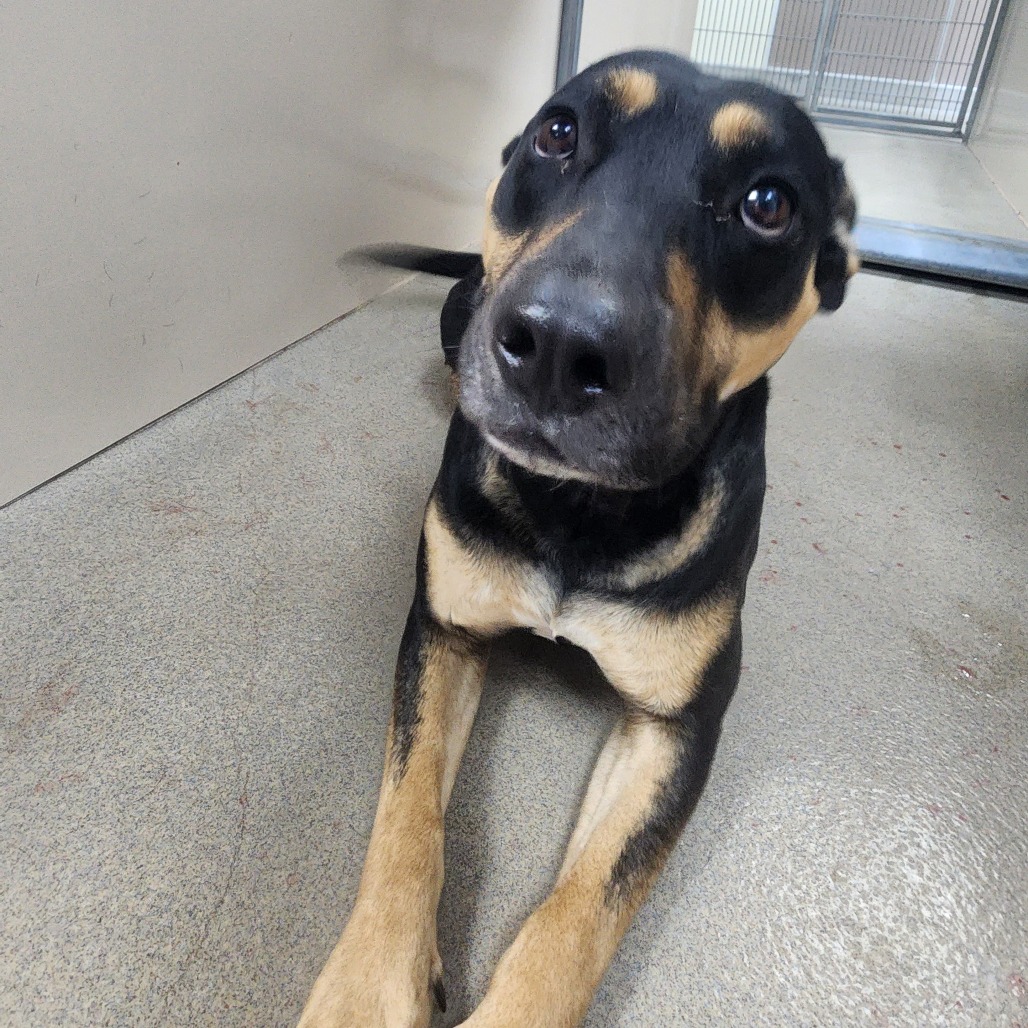
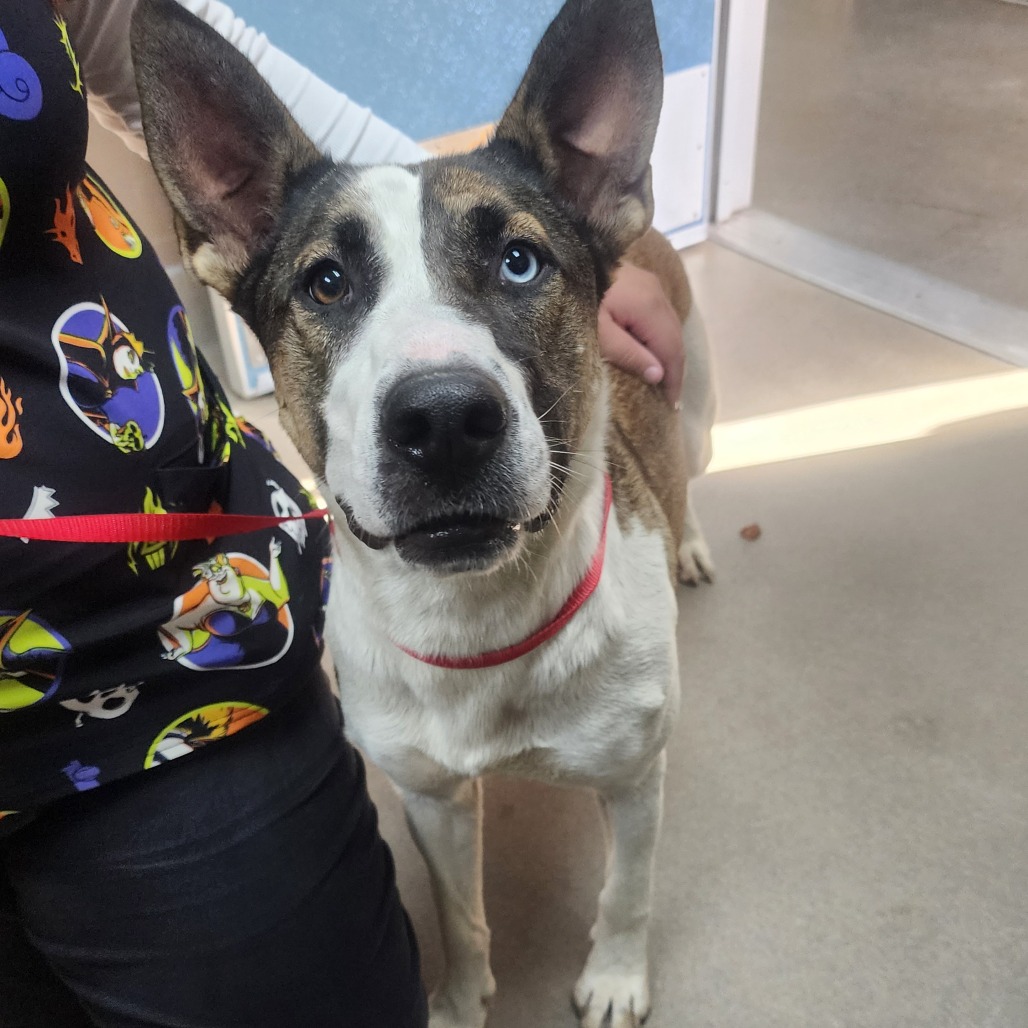
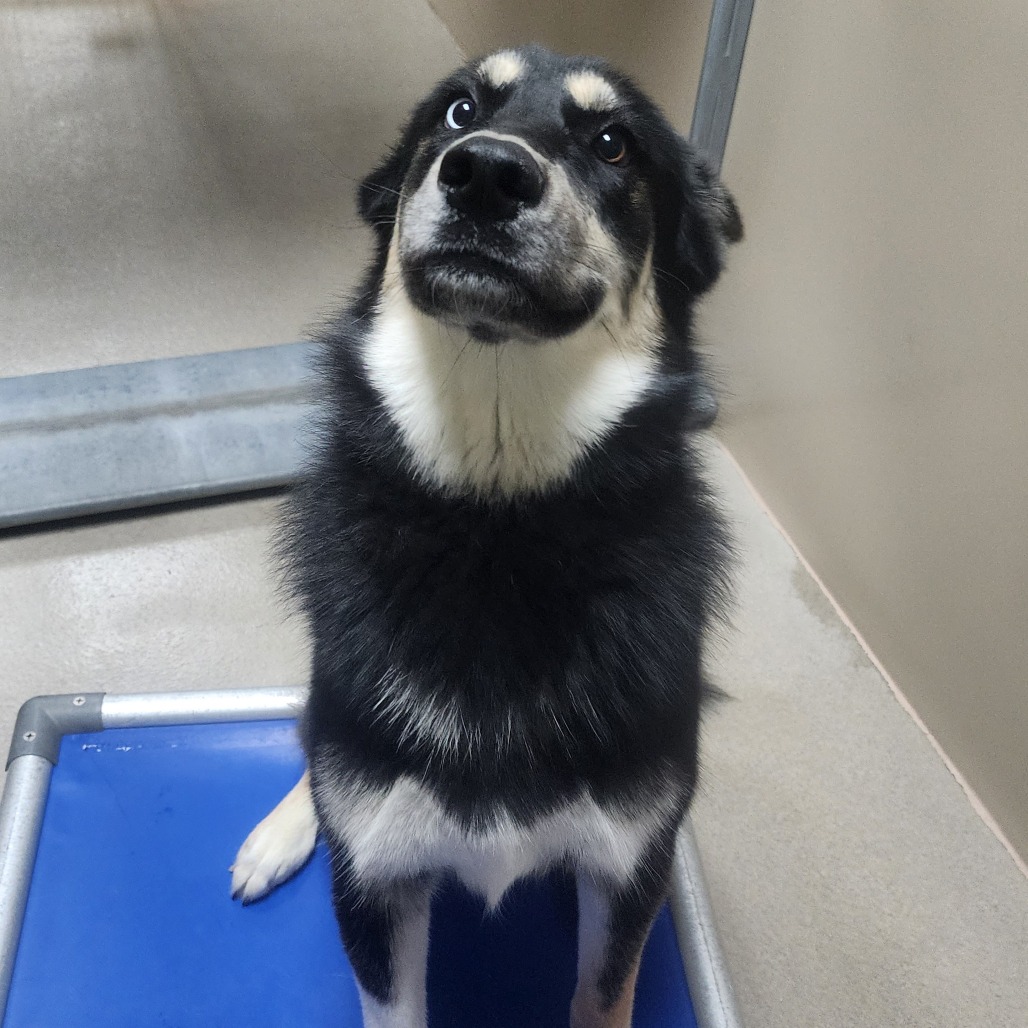
LAKE COUNTY, Calif. — Lake County Animal Care and Control has many new dogs waiting for their adoptive families.

The dogs available for adoption this week include mixes of Australian shepherd, bulldog, chow, German shepherd, husky, Labrador Retriever, pit bull terrier, Rottweiler, terrier and shepherd.

Dogs that are adopted from Lake County Animal Care and Control are either neutered or spayed, microchipped and, if old enough, given a rabies shot and county license before being released to their new owner. License fees do not apply to residents of the cities of Lakeport or Clearlake.

Those animals shown on this page at the Lake County Animal Care and Control shelter have been cleared for adoption.

Call Lake County Animal Care and Control at 707-263-0278 or visit the shelter online for information on visiting or adopting.

The shelter is located at 4949 Helbush in Lakeport.

Email Elizabeth Larson at This email address is being protected from spambots. You need JavaScript enabled to view it.. Follow her on Twitter, @ERLarson, and on Bluesky, @erlarson.bsky.social. Find Lake County News on the following platforms: Facebook, @LakeCoNews; X, @LakeCoNews; Threads, @lakeconews, and on Bluesky, @lakeconews.bsky.social. 


Kennel#18 Eva 's preview photo
Kennel#18 Eva

Kennel#15 Scooby's preview photo
Kennel#15 Scooby

Kennel#24 Cowboy's preview photo
Kennel#24 Cowboy

 Kennel#3 Bandit's preview photo
Kennel#3 Bandit

Kennel#28(Tessa)'s preview photo
Kennel#28(Tessa)

Kennel#13 Nina's preview photo
Kennel#13 Nina

Kennel#26 Blair's preview photo
Kennel#26 Blair

Kennel#4 Amore's preview photo
Kennel#4 Amore

Kennel#22 Azula's preview photo
Kennel#22 Azula

Kennel#17 Trina's preview photo
Kennel#17 Trina

Kennel#31 Bear's preview photo
Kennel#31 Bear

Kennel#10a Phoenix's preview photo
Kennel#10a Phoenix

Kennel#10b Dallas's preview photo
Kennel#10b Dallas

Kennel#32 Bluey's preview photo
Kennel#32 Bluey

Kennel#33 (Oreo)'s preview photo
Kennel#33 (Oreo)

Kennel#12 Kora's preview photo
Kennel#12 Kora

Kennel#5's preview photo
Kennel#5


Kennel#6's preview photo
Kennel#6

Kennel#27 Spyro's preview photo
Kennel#27 Spyro

Kennel#25 Murphey's preview photo
Kennel#25 Murphey

Kennel#20 Duke's preview photo
Kennel#20 Duke

Kennel#7 Sassy's preview photo
Kennel#7 Sassy

Kennel#21 Hanson's preview photo
Kennel#21 Hanson

Kennel#14 Walter's preview photo
Kennel#14 Walter

Kennel#16's preview photo
Kennel#16

Kennel#19a Petunia's preview photo
Kennel#19a Petunia

Kennel#11(Little Momma)'s preview photo
Kennel#11(Little Momma)

Kennel#23's preview photo
Kennel#23

Kennel#8's preview photo
Kennel#8

Kennel#34's preview photo
Kennel#34

Kennel#2's preview photo
Kennel#2

Kennel#30's preview photo
Kennel#30

Kennel#19b Pico's preview photo
Kennel#19b Pico

Kennel#9's preview photo
Kennel#9

Kennel # 29's preview photo
Kennel # 29


Wildlife recovery means more than just survival of a species

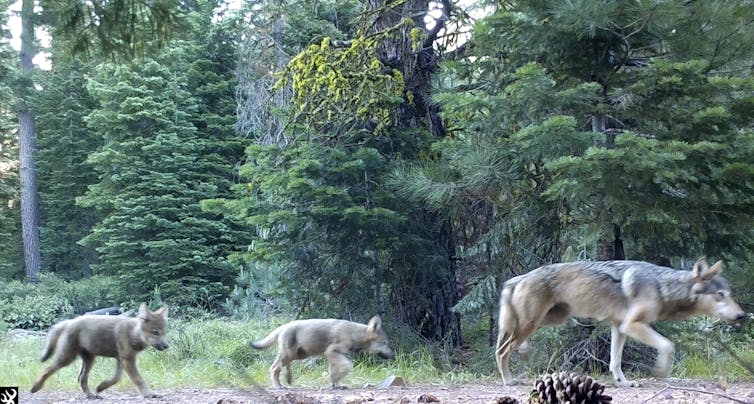
What counts as success in species recovery? U.S. Forest Service via AP

For decades, wildlife conservation policy has aimed to protect endangered species until there are enough individual animals alive that the species won’t go extinct. Then the policymakers declare victory.

That principle is enshrined in laws such as the U.S. Endangered Species Act and Canada’s Species at Risk Act. It shapes how governments manage wildlife and their habitat, how politicians weigh trade-offs between species protection and human development goals, and how the public understands conservation.

But often, those minimalist population numbers – enough to avoid extinction – aren’t enough to restore ecosystems or cultural connections between people and those animals.

There’s another way of thinking about species recovery: emphasizing not just avoiding extinction but instead enabling species to truly thrive. A shift from conserving minimum populations to restoring thriving populations involves recovering the species’ ecological role, including large parts of its geographic range and genetic diversity, as well as its relationships with people.

The difference between recovering thriving populations instead of traditional minimalist approaches becomes clear when looking at three iconic North American species: gray wolves, grizzly bears and bison.

A group of wolves gather in a snow-covered clearing.
The return of wolves to Yellowstone National Park was touted as a massive success – but was its goal too limited? National Park Service via AP

Gray wolves: More than a number

After decades of federal protection, gray wolves were taken off the list of species protected by the Endangered Species Act in parts of the U.S. in January 2021.

The Trump administration is considering removing federal protections for gray wolves nationwide.

But in the wake of the regional protection removal, states such as Montana and Idaho expanded hunting and trapping seasons for wolves, and some organizations added bounties for killing them.

Officials justified their actions by pointing to the fact that gray wolves had surpassed a minimum population threshold for species survival, and saying that intensive predator control would not jeopardize the species’ long-term viability.

The states’ current population goals would reduce wolf populations to about one-third of current numbers: from 1,235 to 500 in Idaho and from 1,134 to 450 in Montana.

For contrast, there are 3,300 wolves in Italy. That country has an area about 80% of the size of Montana and is home to less prey, less open land and more than 50 times as many people, all of which significantly raise the potential for human-wolf conflict.

So far in Idaho and Montana, gray wolf numbers have stopped increasing and may still satisfy requirements under federal laws protecting the species. But the wolf population there is not robust and thriving – it’s just surviving.

Wolves remain absent from large areas that provide suitable habitat for them. Reducing wolf numbers further, as the states want to do, would limit their ability to reoccupy these areas, where they could restore ecosystems by helping to manage often overabundant prey populations and also inspire millions of people with their wildness.

Grizzly bears: Viable yet vulnerable

Grizzly bear populations in the Greater Yellowstone and northern Continental Divide ecosystems have exceeded the federal recovery targets set decades ago under the Endangered Species Act to prevent the bears’ extinction.

In July 2025, a U.S. House of Representatives committee agreed to remove the species’ protection under the law, which would allow states to permit people to hunt the bears for the first time in decades. But it was overhunting that, in part, drove them to near extinction in the first place.

Government agencies often say that hunting and trapping reduce human conflicts with bears. But scientific and public opinion on that point is far from a consensus. There are effective, nonlethal methods for keeping bears away from humans, such as public education, electric fencing, bear-resistant garbage containers and removal of roadkill and dead livestock.

Once numbering more than 50,000 across at least 18 states in the 48 contiguous United States, grizzlies now number just over 2,000 and occupy less than 5% of their original habitat area. They can be found in only four states.

Current grizzly populations are also not interconnected, despite the availability of suitable habitat for them. That risks genetic isolation of subpopulations, which decreases genetic diversity and their prospects for adaptation and survival. Disconnection of populations also reduces their ability to disperse seeds, improve soil health and prey on other species. Grizzly bears are also an umbrella species, meaning they share habitat with a disproportionate number of other species, so recovering grizzlies benefits the entire food web.

One day, hunting might offer a new way for humans to reconnect with thriving grizzlies. But right now, with populations isolated and vulnerable, opening a hunting season would risk cutting off their chance to thrive in large, unoccupied ranges.

A group of very large animals stand in a grassy area surrounded by tree trunks.
Bison are common in Yellowstone National Park – but not nearly as common as they once were. Jon G. Fuller/VWPics/Universal Images Group via Getty Images

Bison: The illusion of return

Perhaps no species better captures the failure of existing recovery models to move beyond survival toward thriving populations than the bison. Tens of millions of them used to roam North America, shaping grassland ecosystems and playing significant material, spiritual and communal roles in Indigenous cultures.

Hunting for bison hides and tongues reduced their numbers to fewer than 1,000 at the cusp of the 20th century. Today, most bison live on ranches in small, fenced herds. Only 31,000 bison in North America are managed for conservation, and most are in isolated pockets of habitat at the fringe of their historic range. Even in Yellowstone National Park, which supports thousands of bison and provides a glimpse into how bison historically shaped North American ecosystems, the animals are barred from expanding to other parts of their historic range due to concerns about disease transfer to domestic livestock.

Thinking about the bison’s recovery in different terms does not mean tens of millions of them need to be stampeding across the continent. But it could mean large, free-ranging, genetically diverse herds that are integrated into a variety of ecosystems, where they also have a role in cultural revitalization.

A thriving view of species recovery is central to Indigenous-led initiatives, such as those guided by the 2014 Buffalo Treaty, which has been signed by more than 40 Indigenous nations. The treaty helped drive bison reintroduction to Banff National Park in Canada and is currently inspiring the recovery of free-roaming bison on Indigenous reservations across the U.S. and Canada, including the Blackfeet Reservation in Montana and Wind River Reservation in Wyoming.

A broader vision of recovery

Shifting away from the long-standing goal of a minimum viable population would require changes to how recovery targets are set, how success is measured, and how decisions are made when populations reach those minimum thresholds.

While national laws in the U.S. and Canada provide valuable starting points, focusing on species not just surviving but thriving would involve more ambitious goals, longer timelines and stronger human-wildlife coexistence measures. It would also require shifting public expectations away from the idea that recovery ends when minimal legal obligations are met.

Doing so could help combat climate change by restoring the role of large, wild animals in nutrient cycling, as well as reverse ecosystem degradation and help people of all backgrounds reconnect with nature.

As wildlife biologists, we aim to provide the best available science and recommendations to inform the conservation of North America’s wildlife. Yet under the current management paradigm, where recovery often equates to mere survival, we are compelled to ask whether this is enough. Should wildlife conservation aim merely to prevent extinction or to foster populations that thrive? How each and every one of us answers this question will shape not only the future of wolves, grizzly bears and bison, but also the legacy of wildlife recovery across North America.The Conversation

Benjamin Larue, Faculty Affiliate in Wildlife Biology, University of Montana; Jonathan Farr, Ph.D. Student in Wildlife Biology, University of Montana, and Mark Hebblewhite, Professor of Ungulate Habitat Ecology, University of Montana

This article is republished from The Conversation under a Creative Commons license. Read the original article.

Space News: Space exploration in the backyard, on a budget – how NASA simulates conditions in space without blasting off

Analog missions, like those conducted at NASA’s CHAPEA facility at the Johnson Space Center, help scientists study human spaceflight without leaving Earth. Ronaldo Schemidt/AFP via Getty Images

Humanity’s drive to explore has taken us across the solar system, with astronaut boots, various landers and rovers’ wheels exploring the surfaces of several different planetary bodies. These environments are generally hostile to human and equipment health, so designing and executing these missions requires a lot of planning, testing and technological development.

You may have heard about the extensive testing facilities for spacecraft and equipment, but how do scientists prepare for the human aspect of space exploration?

One way to test out techniques and identify situations that may arise during a real mission is using a simulation, which in this field is more commonly known as an analog. Researchers choose and design analog missions and environments to replicate elements of a real mission, using what is available here on Earth.

These missions are conducted in extreme environments on Earth that are comparable to the Moon or Mars, in habitats designed to replicate living quarters, or a combination of both. Researchers can use analogs to study crew performance and procedures, or to test instruments under development for use in space.

For example, operating a drill or wrench may seem easy here on Earth, but try doing the same task in thick gloves on a bulky, pressurized space suit in lower gravity. Suddenly, things aren’t so straightforward. Testing these scenarios on Earth allows researchers to identify necessary changes before launch. The analogs can also train crew members who will one day undertake the actual mission.

I’m a planetary scientist, which means I study the geology of other planets. Currently, I study environments on Earth that are similar to other planets to improve our understanding of their counterparts elsewhere in the solar system. I participated as a volunteer in one of these analog missions as an “analog astronaut,” serving as the crew geologist and applying my prior research findings from studying the surfaces of the Moon and Mars.

These analog missions vary in setting, length and intensity, but all aim to learn more about the human factors involved in space exploration.

Where do we send them?

Analog missions are designed to simulate the crew’s experience in a given mission plan. In some cases, they simulate surface operations on the Moon or Mars for up to a year. Others might replicate the experience of being in transit to Mars for a period of time, followed by the crew “landing” and exploring the surface.

NASA uses several analog mission facilities spread across the world. For example, the Mars Desert Research Station in Utah is located in an environment chosen to imitate conditions on Mars, while analog missions at Aquarius, an undersea research station off the coast of Florida, help scientists learn about crew behavior and psychology in a confined habitat located in a hostile environment.

Some natural environments are commonly used for analog operations, such as volcanic terrains in the western U.S., human-made craters in Nevada, the natural meteor crater in Arizona and research stations in Antarctica. These locations mirror the geologic settings the crews are likely to encounter on future missions, and so training in these locations helps them execute the actual missions.

I participated in a simulated 28-day lunar surface mission at a facility called Hi-SEAS as part of a study on crew dynamics and psychology in extreme isolation. The facility is located on Mauna Loa, a volcano on the big island of Hawaii. This habitat has been used for a variety of studies, as the volcanic terrain is reminiscent of both the Moon and parts of Mars, and the isolated location simulates being in space.

A series of photos showing a dome-shaped habitat; a circular window; a circular doorway labeled 'airlock'; a room full of cabinets and appliances labeled 'laboratory'; a stairwell and elliptical; and a room with a small bed labeled 'cabins'
The HI-SEAS Habitat, which recreates the conditions of living and working on the Moon, is located in Mauna Loa, Hawaii. Jordan Bretzfelder

Analog mission crews

Most missions require applicants to hold relevant degrees. They must undergo physical health and psychiatric evaluations, with the goal being to select individuals with similar backgrounds to those in the astronaut corps. The ideal crew is typically made up of participants who work and live well with others, and can stay cool under stress.

Crews also include at least one person with medical training for emergencies, as well as a variety of scientists and engineers to operate the habitat’s life support systems.

Two photos of a group of people wearing flight suits walking in a volcanic terrain and standing in front of a geodesic dome.
Special suits were required whenever researchers left the habitat. They consisted of flight suits, protective pads, thick motorcycle gloves and a modified helmet with an air pump unit attached, housed in a backpack. Ensuring the suits and air systems were functioning before and during these short expeditions was critical. Jordan Bretzfelder

The experiences of each crew varies, depending on the mission design, location and makeup of the crew. My mission was designed so that the six crew members would not have any information about our crewmates until we arrived in Hawaii for training. In addition to geology expertise, I also have some medical training as a Wilderness First Responder, so I was there to assist with any medical issues.

Daily life on an analog mission

Once in Hawaii, the crew spent three days learning how to operate the habitat systems, including the hydroponic garden and solar panels. We practiced emergency procedures and were taught how to perform other tasks.

After that orientation, we were deployed to the habitat for 28 days. We turned in our phones to mission control and could only access the internet to check emails or use a few preapproved websites required for our daily duties. Our days were scheduled with tasks from wake up, about 6:30 a.m., to lights out, about 10 p.m.

A mission patch showing three people wearing masks and flight suits and walking toward a dome-shaped habitat, with a ring around it saying 'Medulla IV' with the names of the participants.
The mission patch from the lunar analog mission.

The tasks included a variety of exercises to assess individual and group performance. They included individual assessments – similar to a daily IQ test – and group computer-based tasks, such as team 3D Tetris. The researchers remotely monitored our interactions during these activities, and the results were analyzed as the mission progressed. They used our fluctuating performance on these activities as a proxy for estimating stress levels, group cohesion and individual well-being.

Additionally, we went on two-to-three-hour extra-vehicular activities, or excursions outside the habitat, on alternating days. During these expeditions, we conducted geologic investigations on the volcano. On our “off days,” we spent two hours exercising in the habitat. We had to be fully suited in a mock spacesuit any time we went outside, and we had to be careful about the airlock procedures. We were never outdoors alone.

We could only eat freeze-dried and powdered foods, aside from what we were able to grow in the hydroponic system. We had no additional food delivered during our stay. Water was also rationed, meaning we had to find innovative ways to maintain personal hygiene. For example, a bucket shower one or two times per week was allowed, supplemented by “wilderness wipe” baths. As someone with a lot of very curly hair, I was happy to figure out a method for managing it using less than two liters of water per week. We were also permitted to do laundry once during our stay, as a group. Sorting through your crewmates’ wet clothes was certainly one way to bond.

Though physically demanding at times, the workload was not unreasonable. We were kept busy all day, as certain everyday tasks, such as cooking, required more effort than they might need in our normal lives. Preparing nutritionally balanced and palatable meals while rationing our very limited resources was hard, but it also provided opportunities to get creative with recipes and ingredients. We even managed to bake a cake for a crew member’s birthday, using peanut butter protein and cocoa powders to flavor it.

After dinner each night, we shared the pre-saved movies and shows we had each brought with us into the habitat, as we could not access the internet. Those of us who had brought physical copies of books into the habitat would trade those as well. One crew member managed to acquire a downloadable form of the daily Wordle, so we could still compete with our friends back home. We also played board games, and all of these activities helped us get to know each other.

Though different from our typical daily lives, the experience was one of a kind. We had the satisfaction of knowing that our efforts advanced space exploration in its own small way, one IQ test and slapdash cake at a time.The Conversation

Jordan Bretzfelder, Postdoctoral Fellow, Earth and Atmospheric Sciences, Georgia Institute of Technology

This article is republished from The Conversation under a Creative Commons license. Read the original article.

Federal courts rule that SNAP benefits must be released; delay in food assistance still anticipated

LAKE COUNTY, Calif. — Two federal judges on Friday ruled that billions of dollars meant to fund food benefits during the ongoing government shutdown must be released, decisions that are expected to impact a quarter of Lake County’s residents.

On Tuesday, 25 states — including California — and the District of Columbia sued the Trump administration over its withholding of money approved by Congress to fund the Supplemental Nutrition Assistance Program, or SNAP, as the shutdown continues.

In that lawsuit, the U.S. District Court in Massachusetts found the federal government is statutorily mandated to use the $6 billion in SNAP contingency funds, which were previously appropriated by Congress for the U.S. Department of Agriculture through September 2026.

Also on Friday, in a separate case, the U.S. District Court in Rhode Island ruled that the federal government is illegally withholding available funds for SNAP and must make these funds available to all states. That suit was filed by a coalition of local governments, nonprofits, small businesses and other organizations.

Regarding the lawsuit involving California, the Governor’s Office said in its announcement on the ruling that the federal government confirmed that it has $5.25 billion of those contingency funds available as well as $23 billion available in other USDA funds. 

The court also ruled that the USDA has discretion to use $23 billion dollars in Section 32 funds for SNAP.

“I'm proud to see courts agree that the Trump administration has a legal responsibility to support the SNAP program,” said Gov. Gavin Newsom. “The USDA needs to release all available funding for this critical program immediately. We’re not going to sit idly by while families go hungry. It’s cruel, it’s immoral and it’s beneath us as a nation. California will keep fighting to make sure people get the food assistance they need and deserve."

Newsom’s office said in the Friday statement that, despite having the authority to release the funds and the “legal duty” to spend all available dollars for SNAP benefits, the Trump administration and the USDA “chose for the first time in America’s history to not extend these benefits for millions of low-income families who depend on this to place food on their tables.”

Millions of dollars in benefits delayed to Lake County

Forty two million Americans rely on SNAP benefits. That includes 5.5 million Californians who have lost access to an estimated $1.1 billion in food assistance, the Governor’s Office said.

The average monthly benefit per person is reported to be about $187.

In Lake County, the Social Services Department said 24% of the population, or 16,320 people, use SNAP to make ends meet, totaling about $2.9 million per month. 

The funds to continue the program were set to be cut off on Saturday.

The Governor’s Office said the rulings handed down on Friday don’t make SNAP benefits immediately available, but rather begin the process “of requiring the federal government to direct funds to the program supporting Americans facing food insecurity.”

To make ends meet, the state of California has fast-tracked $80 million in state funds to stabilize food bank food distribution and offset delays in SNAP and CalFresh benefits. 

The Lake County Board of Supervisors on Tuesday is scheduled to receive an update from Social Services Director Rachael Dillman Parsons on the delay of SNAP and CalFresh benefits, and discuss how to protect vulnerable community members from the impacts of the benefit delays.

Later in the week, Dillman Parsons is due to meet with local food programs and food banks to discuss the response to the crisis and how those organizations can collaborate to feed Lake County’s residents in need.

Email Elizabeth Larson at This email address is being protected from spambots. You need JavaScript enabled to view it.. Follow her on Twitter, @ERLarson, and on Bluesky, @erlarson.bsky.social. Find Lake County News on the following platforms: Facebook, @LakeCoNews; X, @LakeCoNews; Threads, @lakeconews, and on Bluesky, @lakeconews.bsky.social. 

Police look for missing Clearlake boy

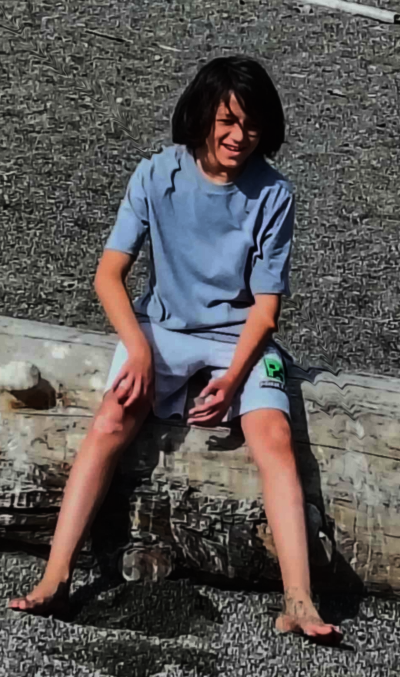
Sean Brooks Jr. Courtesy photo.


CLEARLAKE, Calif. — The Clearlake Police Department is attempting to locate a boy last seen earlier this week.

Sean Brooks Jr., 10, was last seen on Thursday.

He is described as a black male, 4 feet 10 inches tall and 70 pounds, with brown hair and brown eyes. A description of his clothing was not available. 

If you have any knowledge of Sean's whereabouts please contact the Clearlake Police Department at 707-994-8251, Extension 1. 

  • 114
  • 115
  • 116
  • 117
  • 118
  • 119
  • 120
  • 121
  • 122
  • 123

Community

  • Sheriff’s Activities League and Clearlake Bassmasters offer youth fishing clinic

  • City Nature Challenge takes place April 24 to 27

Public Safety

  • Lakeport Police logs: Wednesday, Feb. 11

  • Lakeport Police logs: Tuesday, Feb. 10

Education

  • Ramos measure requiring school officer training in use of anti-opioid drug moves forward

  • Lake County Chapter of CWA announces annual scholarships 

Health

  • California ranks 24th in America’s Health Rankings Annual Report from United Health Foundation

  • Healthy blood donors especially vital during active flu season

Business

  • Employment law summit takes place March 9

  • Two Lake County Mediacom employees earn company’s top service awards

Obituaries

  • Terry Knight

  • Ellen Thomas

Opinion & Letters

  • Who should pay for AI’s power? Not California ratepayers

  • Crandell: Supporting nephew for reelection in supervisorial race

Veterans

  • State honors fallen chief warrant officer killed in conflict in Iran

  • CalVet and CSU Long Beach team up to improve data collection related to veteran suicides

Recreation

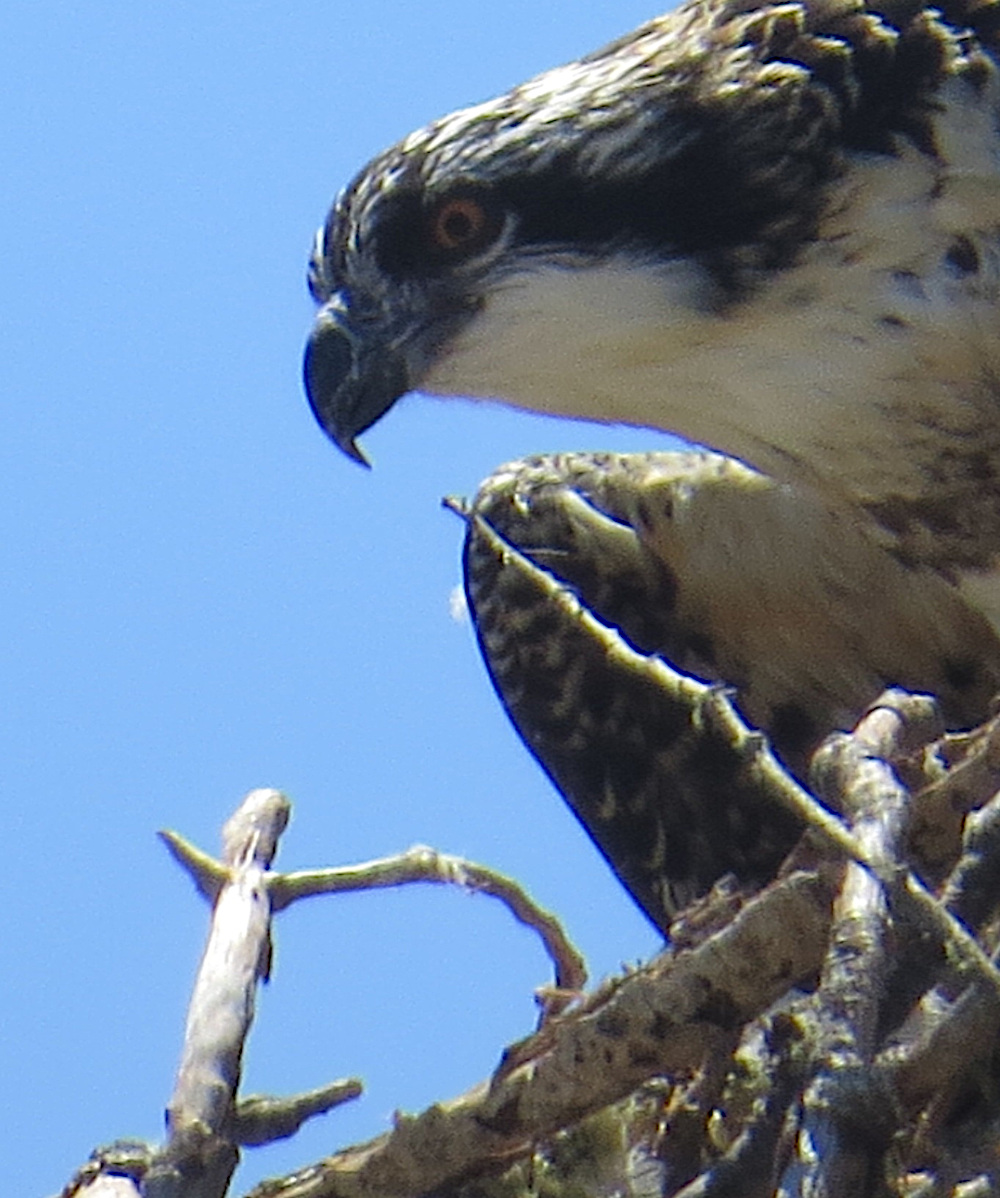
  • April Audubon program will show how volunteers can help monitor local osprey nests

  • First guided nature walk of spring at Anderson Marsh State Historic Park April 11

  • Second Saturday guided nature walks continue at Anderson Marsh State Historic Park

  • Wet weather trail closure in effect on Upper Lake Ranger District

Religion

  • Kelseyville Presbyterian Church plans Easter service

  • Easter ‘Sonrise’ Service returns to Xabatin Community Park

Arts & Life

  • ‘CIA’ delves into the shadowy world of an espionage thriller

  • ‘War Machine’ shifts the battlefield into uncharted territory

Government & Politics

  • Lake County Democratic Central Committee endorses Falkenberg

  • Crandell launches reelection campaign plans March 15 event

Legals

  • April 23 hearing on Lake Coco Farms Major Use Permit

  • NOTICE OF 30-DAY PUBLIC COMMENT PERIOD & NOTICE OF PUBLIC HEARING

How to resolve AdBlock issue?

Refresh this page