How to resolve AdBlock issue?
Refresh this page
Lake County News,California
  • Home
    • Registration Form
  • News
    • Education
    • Veterans
    • Community
      • Obituaries
      • Letters
      • Commentary
    • Police Logs
    • Business
    • Recreation
    • Health
    • Religion
    • Legals
    • Arts & Life
    • Regional
  • Calendar
  • Contact us
    • FAQs
    • Phones, E-Mail
    • Subscribe
  • Advertise Here
  • Login
How to resolve AdBlock issue?

Refresh this page

News

Helping Paws: Shepherds, retrievers and terriers

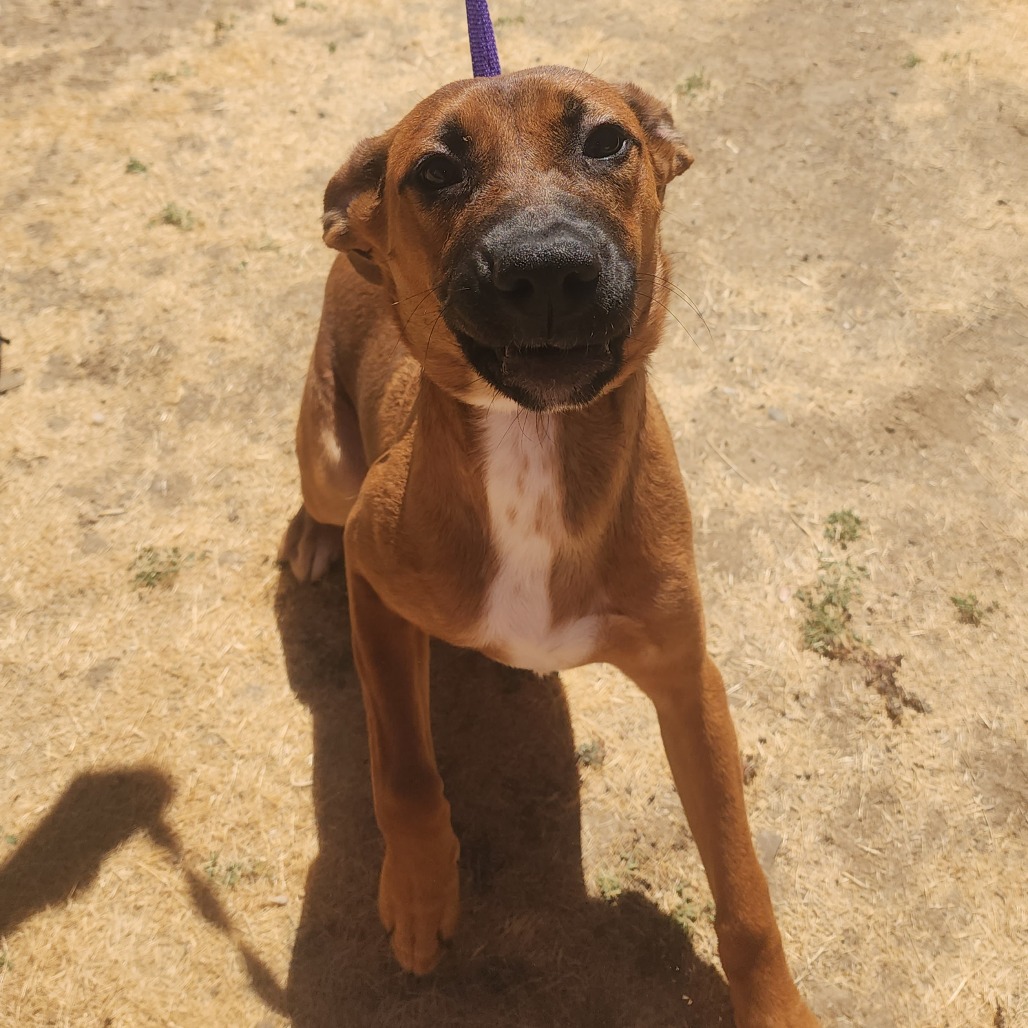
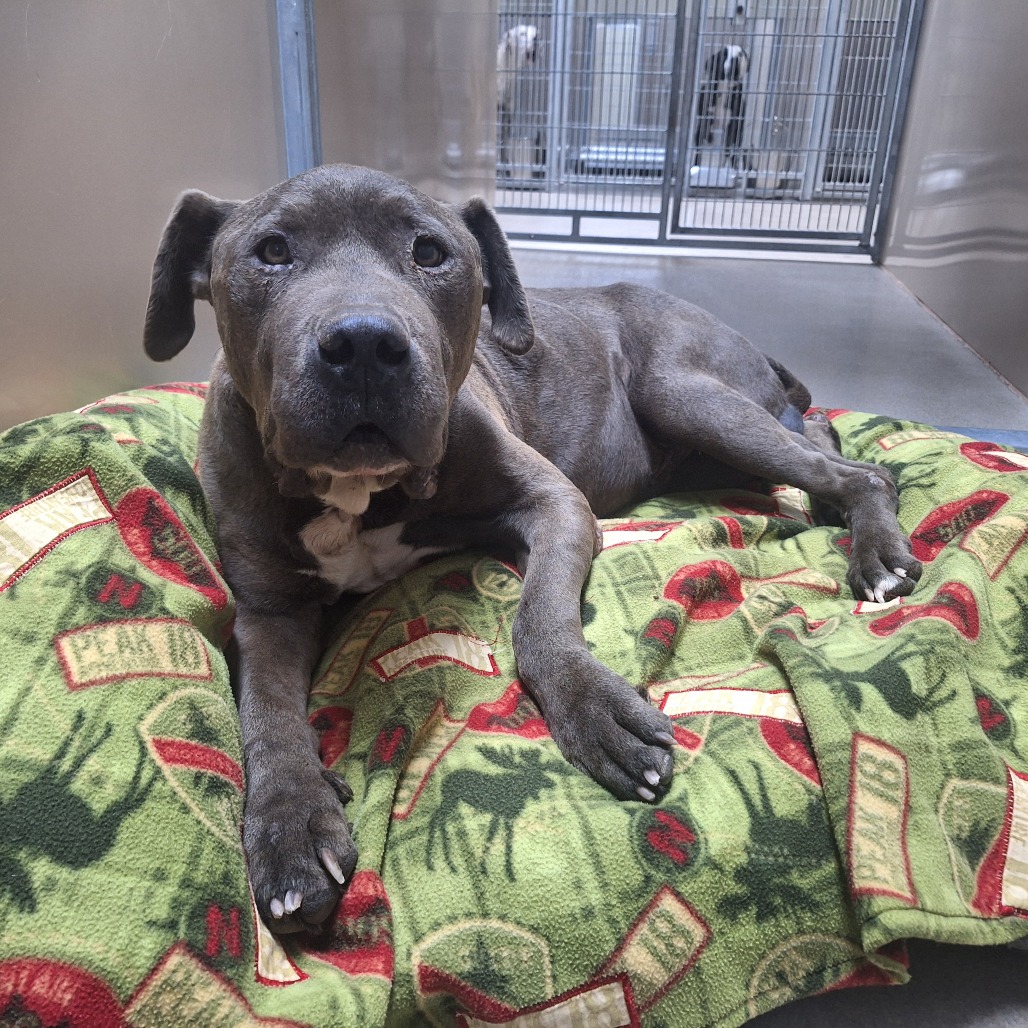
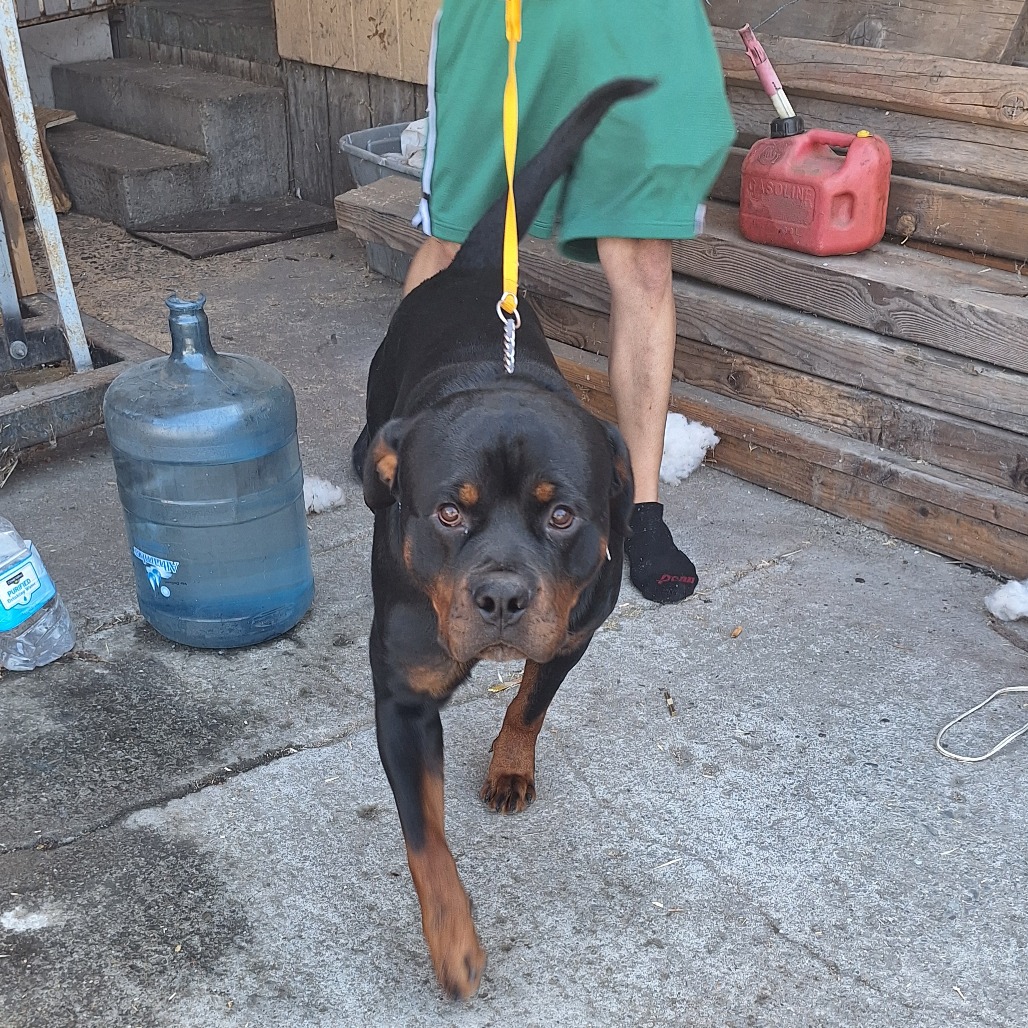
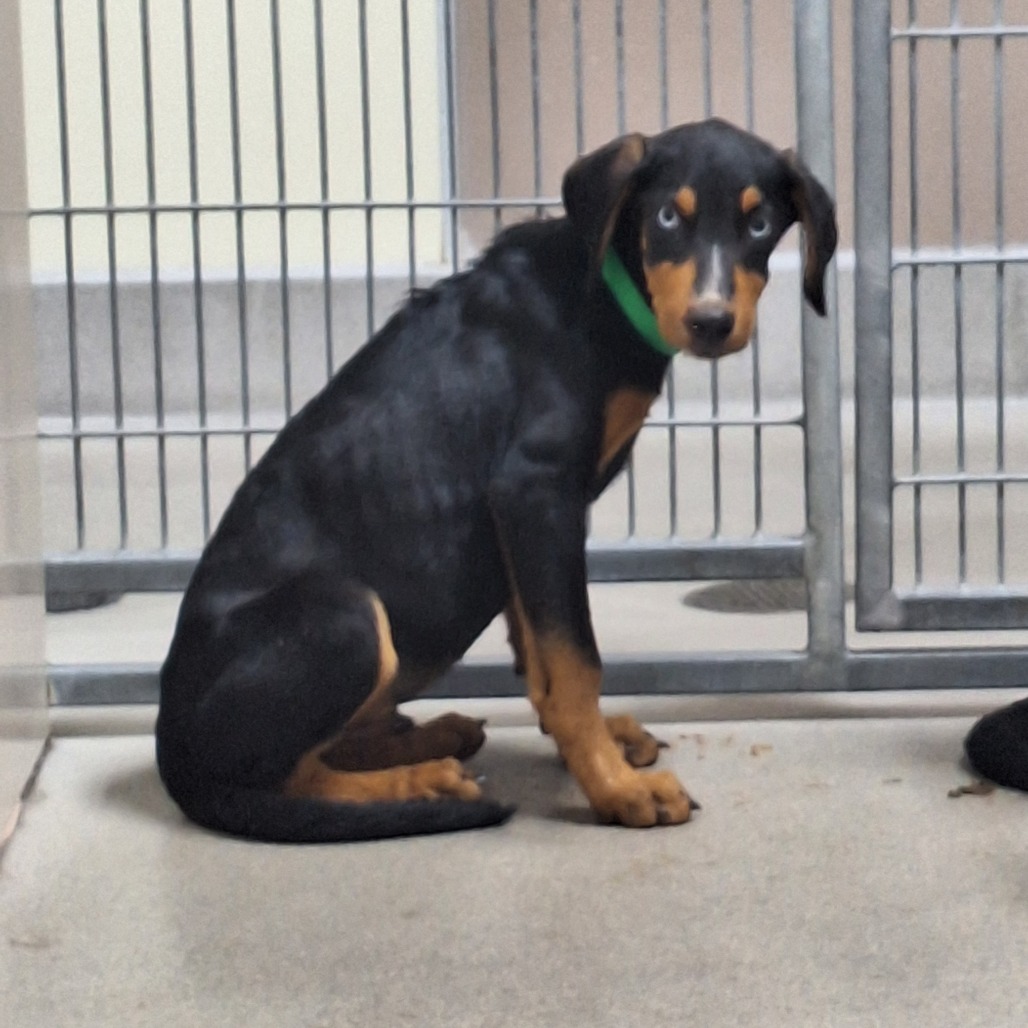
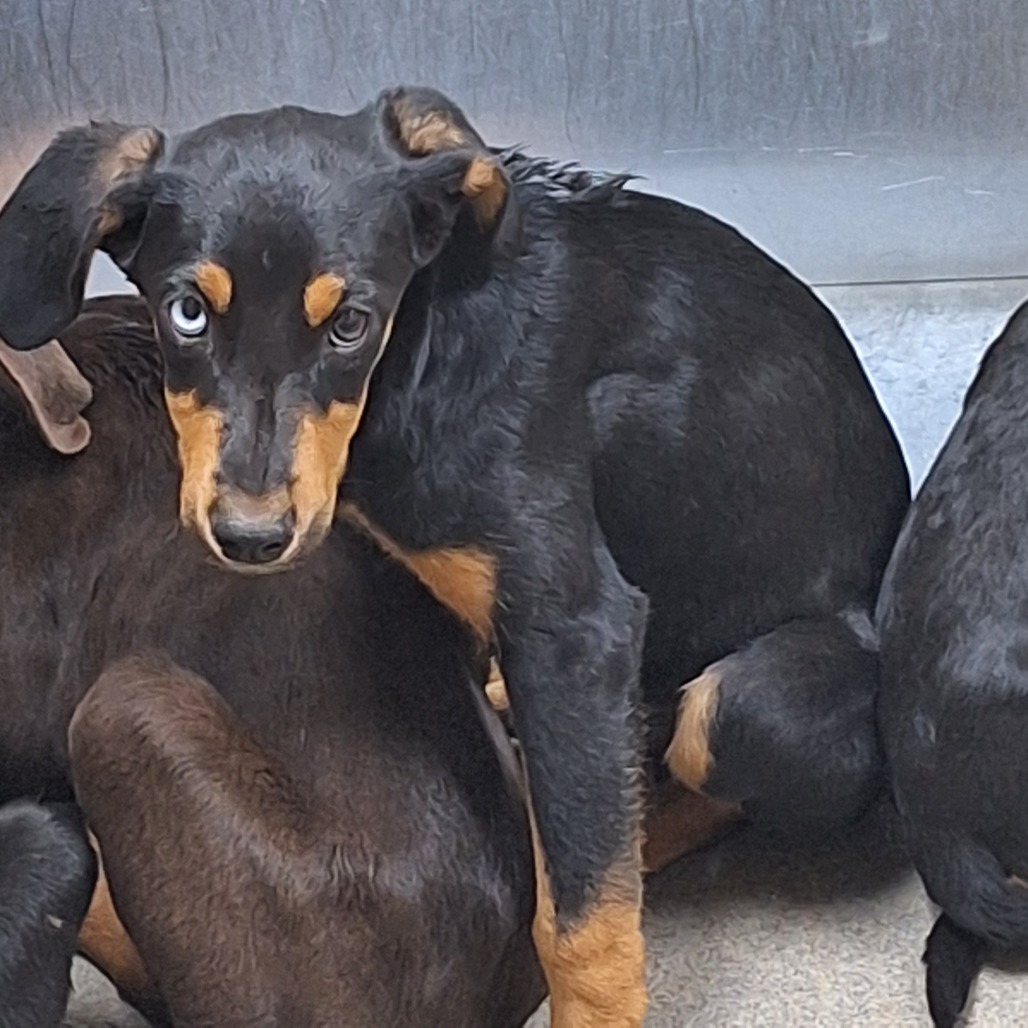
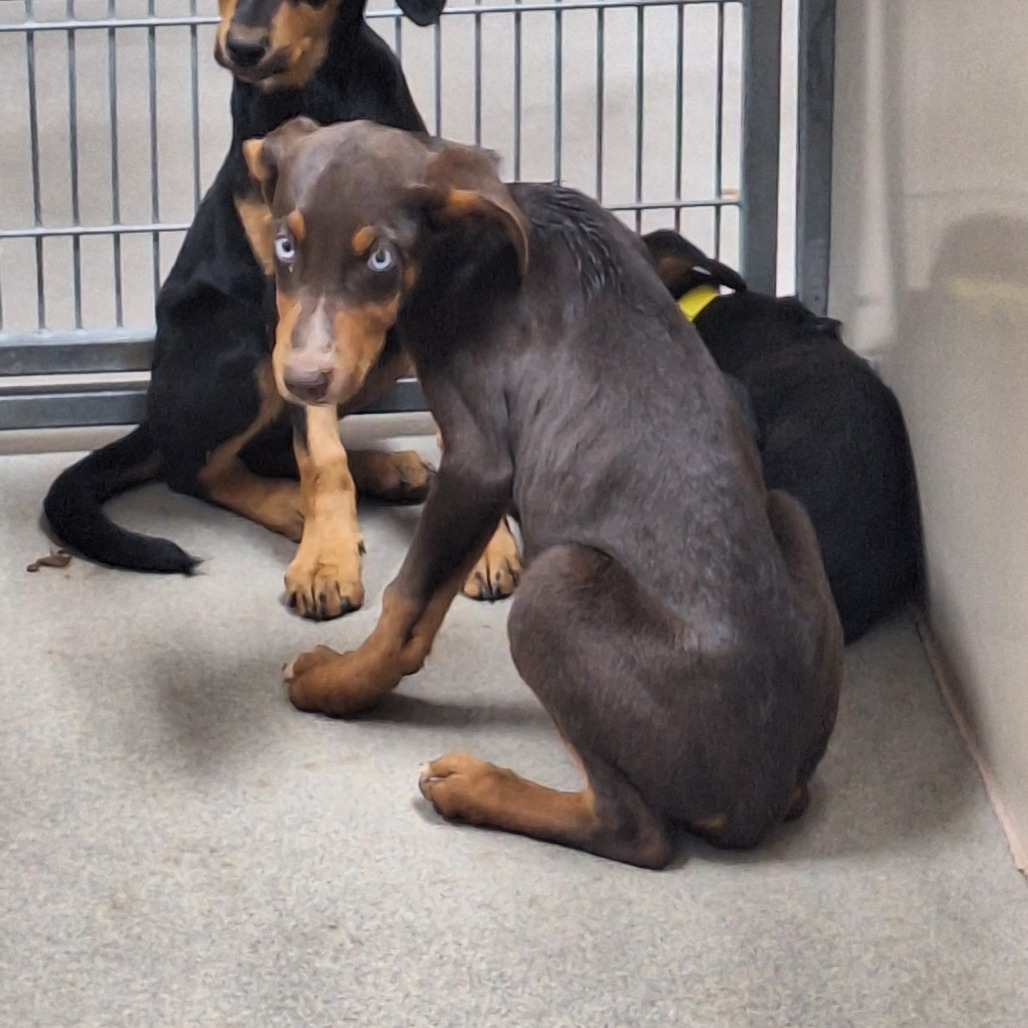
LAKE COUNTY, Calif. — Lake County Animal Care and Control has many dogs needing new homes of their own this week.

The dogs available for adoption this week include mixes of border collie, Chihuahua, Doberman, German shepherd, husky, Labrador Retriever, pit bull terrier, Rottweiler, terrier and shepherd.

Dogs that are adopted from Lake County Animal Care and Control are either neutered or spayed, microchipped and, if old enough, given a rabies shot and county license before being released to their new owner. License fees do not apply to residents of the cities of Lakeport or Clearlake.

Those animals shown on this page at the Lake County Animal Care and Control shelter have been cleared for adoption.

Call Lake County Animal Care and Control at 707-263-0278 or visit the shelter online for information on visiting or adopting.

The shelter is located at 4949 Helbush in Lakeport.

Email Elizabeth Larson at This email address is being protected from spambots. You need JavaScript enabled to view it.. Follow her on Twitter, @ERLarson, and on Bluesky, @erlarson.bsky.social. Find Lake County News on the following platforms: Facebook, @LakeCoNews; X, @LakeCoNews; Threads, @lakeconews, and on Bluesky, @lakeconews.bsky.social. 


Kennel#6 (Jax)'s preview photo

Kennel#6 (Jax)

Kennel#11 Kate's preview photo
Kennel#11 Kate

Kennel#33 Hunter's preview photo
Kennel#33 Hunter

Kennel#21 Helen's preview photo
Kennel#21 Helen

Kennel#17 Bruce's preview photo
Kennel#17 Bruce

Quarantine#4 Cici's preview photo
Quarantine#4 Cici

Kennel#29 Angel's preview photo
Kennel#29 Angel

Kennel#7 Tabitha's preview photo
Kennel#7 Tabitha

Kennel#10 Bay's preview photo
Kennel#10 Bay

Kennel#18 Lizzy's preview photo
Kennel#18 Lizzy

Kennel#22 Henry's preview photo
Kennel#22 Henry

Kennel#19a Stacy's preview photo
Kennel#19a Stacy

Kennel#19b Betty's preview photo
Kennel#19b Betty

Kennel#3 Star's preview photo
Kennel#3 Star

Kennel#9 Angie's preview photo
Kennel#9 Angie

Kennel#4 Lanee's preview photo
Kennel#4 Lanee

Kennel#24 Stout's preview photo
Kennel#24 Stout

Kennel#13 Balen's preview photo
Kennel#13 Balen

Kennel#15 Sweetie's preview photo
Kennel#15 Sweetie

Kennel#12 Emmie's preview photo
Kennel#12 Emmie

Kennel#30a Lillith's preview photo
Kennel#30a Lillith

Kennel#30b Beethoven's preview photo
Kennel#30b Beethoven

Kennel#27a Corey's preview photo
Kennel#27a Corey

Kennel#27b Minnie's preview photo
Kennel#27b Minnie

Kennel#16 Nana (Yellow)'s preview photo
Kennel#16 Nana (Yellow)

Kennel#32 Tye (green) 's preview photo
Kennel#32 Tye (green)

Kennel#32 Ricky (Blue) 's preview photo
Kennel#32 Ricky (Blue)

Kennel#16 Lottie (Pink) 's preview photo
Kennel#16 Lottie (Pink)

Kennel#16 Sandy's preview photo
Kennel#16 Sandy

Kennel#23 Shawn's preview photo
Kennel#23 Shawn

Kennel#8 Ol' Man's preview photo
Kennel#8 Ol' Man

Kennel #2's preview photo
Kennel #2

Kennel#31's preview photo
Kennel#31

Kennel#26 (Tank)'s preview photo
Kennel#26 (Tank)

Kennel#20's preview photo
Kennel#20

Kennel#25a's preview photo
Kennel#25a

Kennel#25b's preview photo
Kennel#25b

Kennel#25c's preview photo
Kennel#25c

 Kennel#34a green collar's preview photo
Kennel#34a green collar

 Kennel#34b's preview photo
Kennel#34b

 Kennel#34c yellow collar's preview photo
Kennel#34c yellow collar

 Kennel#34d blue collar's preview photo
Kennel#34d blue collar


Governor calls on Legislature to pass critical power grid proposal

In August 2025 Gov. Gavin Newsom met with the coalition of supporters for a new energy proposal. Photo courtesy of the Governor’s Office.


Gov. Gavin Newsom is calling on the Legislature to pass a viable proposal to save California consumers upwards of $1 billion every year on energy costs, savings that would benefit millions of Californians.

The proposal — which is supported by a broad and diverse coalition of clean energy, environmental and labor advocates — enables the expansion of regional energy markets to lower energy costs, cut air and climate pollution, and avoid power outages. 

The governor’s call for action comes after recent studies have found that acting this year is expected to yield more than $1 billion every year in economic benefits for the state — translating to real savings on customer electric bills.

“I’m calling on the Legislature to pass a viable  proposal to expand regional power markets – it’s our best shot at affordability this year,” said Newsom. “Over $1 billion in economic benefits to our state is on the line and failure to get this done will mean higher electric bills, more pollution and a less reliable power grid. Californians deserve action now to make their electric bills more affordable.”

In August, the governor met with the coalition of supporters and thanked them for their work advancing this commonsense plan to further integrate California’s power grid with the broader West.

Newsom’s office said pollution is down and the economy is up. Greenhouse gas emissions in California are down 20% since 2000 — even as the state’s GDP increased 78% in that same time period.

The state also continues to set clean energy records. Newsom’s office said California was powered by two-thirds clean energy in 2023, the latest year for which data is available — the largest economy in the world to achieve this level of clean energy. The state has run on 100% clean electricity for some part of the day almost every day this year.

Since the beginning of the Newsom Administration, battery storage is up to over 15,000 megawatts — a 1,900%+ increase, and over 25,000 megawatts of new resources have been added to the electric grid. 

Big Valley Band of Pomo Indians and California State Parks celebrate cultural items returning home

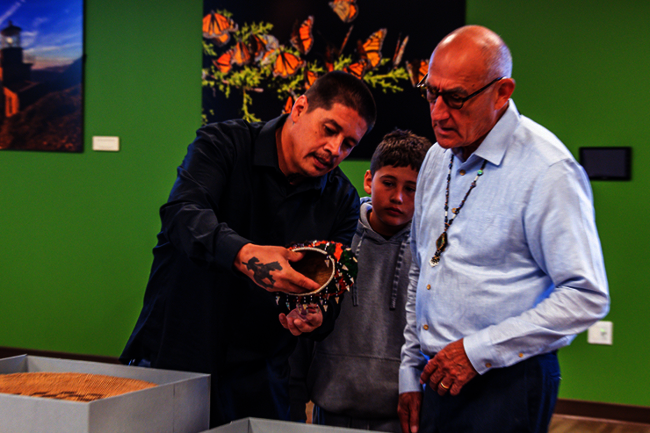
Big Valley Band of Pomo Indians Tribal Chairman Flaman McCloud Jr., left, and State Parks Director Armando Quintero, right, examine a basket being repatriated to the tribe. Photo courtesy of California State Parks.


LAKE COUNTY, Calif. — California State Parks has repatriated cultural items to the Big Valley Band of Pomo Indians that have now returned home.

Big Valley and State Parks met to complete the repatriation of 21 baskets, regalia and other cultural items from the State Indian Museum State Historic Park on July 23. 

This repatriation was part of State Parks’ compliance with the Native American Graves Protection and Repatriation Act.

Big Valley Tribal Chairman Flaman McCloud Jr. and tribal members traveled to Sacramento to complete the repatriation and bring these cultural items back home to Lake County. 

For Big Valley, these cultural items are integral to Pomo culture, identity and connect the community to their ancestors.

“It is an honor to be able to bring home items that our ancestors have touched and held and put sweat and their life into creating,” said Chairman McCloud. “It is a real blessing to be able to do that because we never got to know these ancestors in person. Through our oral history we know who they are, when they were in our community, what they did, whether it is for our ceremonies or just in our families. It is an honor to be able to have these things come home, however long it took, whatever work was needed.”

The Native American Graves Protection and Repatriation Act, or NAGPRA, is a United States federal law that requires agencies and institutions to return Native American ancestors and cultural items to their rightful communities. Visit State Parks’ NAGPRA webpage for additional information.

“State Parks is committed to fulfilling our legal obligation under NAGPRA,” said State Parks Director Armando Quintero. “We are honored to be a part of the important repatriation process that returns ancestors and belongings to their homes and peoples. The State Parks NAGPRA program will continue this very important work until every Native American ancestor and cultural item has completed the NAGPRA process.”

Repatriated Items

Some of the repatriated items were obtained as early as 1880 by a private collector before being donated to State Parks, and others were purchased in 1960 by State Parks for display at the State Indian Museum State Historic Park, or SIM. Until recently, some of these items were on display in the museum. 

This was the State Indian Museum’s first repatriation in over a decade. Like most museums with Native American collections nationwide, the SIM is in a moment of transition. 

To educate and inform the public, the SIM created a new exhibit, “Welcomed Home: A Celebration,” about NAGPRA that communicates the joy and empowerment of repatriation. 

The State Indian Museum was honored to work with Big Valley and assist with these belongings returning home.

Big Valley Chairman McCloud explained that these cultural items, “have a living spirit and they have been gone from their homeland for so long, that when they come home they are not going to recognize it … They know that it is their family they are coming home to. We are greeting them in the best way that we know how, we welcome them.” 

Big Valley tribal members and State Parks staff then bowed their heads while the Chairman sang prayer in Pomo over the items.

For some of the cultural items, this was the first time they had heard their language in over a century.

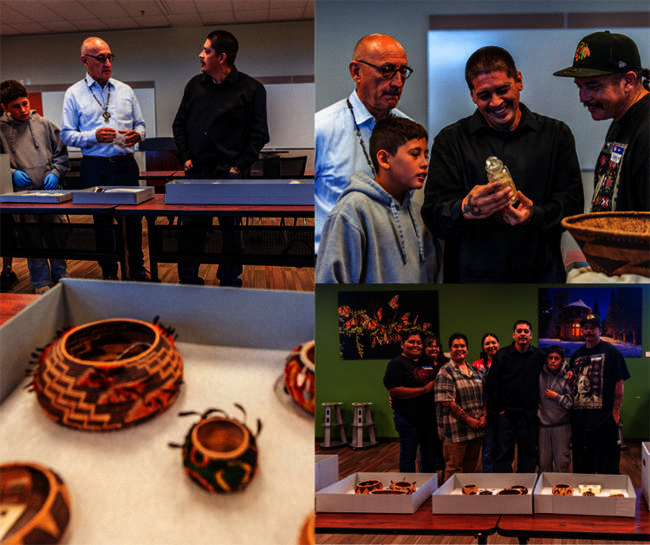
Big Valley Tribal Chairman Flaman McCloud Jr. (in black dress shirt), State Parks Director Armando Quintero, and tribal members discuss items being repatriated. Photos from California State Parks.

Sponsoring Survivorship to host annual fundraiser run and walk Oct. 4

LAKEPORT, Calif. — Sponsoring Survivorship to host their 29th annual Run & Walk on Saturday, Oct. 4.

The event will take place at Xabatin Community Park Amphitheater on Main Street in Lakeport. 

Registration is from 7 to 8:30 a.m. Preregistration is also available online until Sept. 23.

The registration fee is $30.

The event starts at 9 a.m. and includes refreshments, prizes and a free t-shirt for all registrants. 

Proceeds benefit Lake County women and men in their treatment against breast cancer. 

Sponsoring Survivorship wishes to thank the community for their participation and support as well as the many business sponsors. 

For more info or to preregister visit https://sponsoringsurvivorship.com. 

Chaos gardening – wild beauty, or just a mess? A sustainable landscape specialist explains the trend

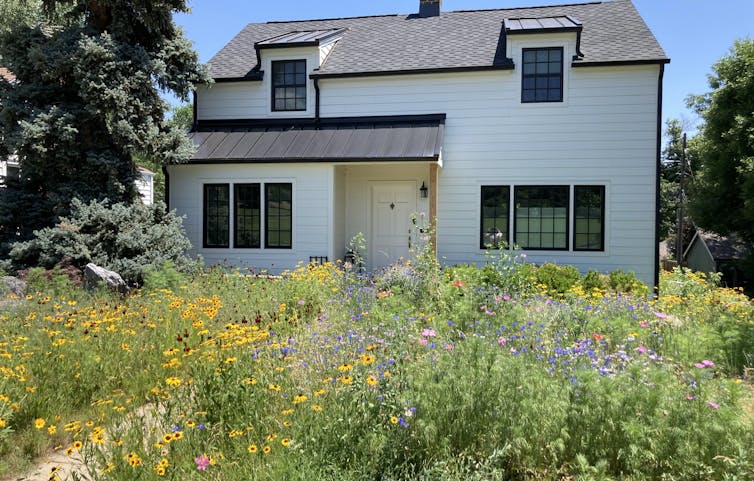
A mix of annuals and perennials can look colorful and carefree. Deryn Davidson

If you’ve spent any time in the gardening corners of social media lately, you’ve likely come across a trend called “chaos gardening.”

The name alone is eye-catching – equal parts fun, rebellious and slightly alarming. Picture someone tossing random seeds into bare soil, watering once or twice, and ending up with a backyard jungle of blooms. No rows, no color coordination, no spacing charts. Just sprinkle and hope for the best.

As a sustainable landscape specialist at Colorado State University Extension, I think a lot about how to help people make designed landscapes more sustainable. Occasionally, a new trend like this one crops up claiming to be the silver bullet of gardening – supposedly it saves water, saves the bees and requires no maintenance.

But what is chaos gardening, really? And does it work? As with most viral trends, the answer is: sometimes.

What chaos gardening is and isn’t

At its core, chaos gardening is the practice of mixing a wide variety of seeds, often including leftover packets, wildflower mixes, or cut flower favorites, and scattering them over a planting area with minimal planning.

The goal is to create a dense, colorful garden that surprises you with its variety. For many, it’s a low-pressure, joyful way to experiment.

But chaos gardening isn’t the same as ecological restoration, pollinator meadow planting or native prairie establishment. Unlike chaos gardening, all of these techniques rely on careful species selection, site prep and long-term management.

Chaos gardening is a bit like making soup from everything in your pantry – it might be delicious, but there are no guarantees.

Chaos gardening’s appeal

One reason chaos gardening may be catching on is because it sidesteps the rules of garden design. A traditional landscape design approach is effective and appropriate for many settings, but it is a time investment and can feel intimidating. Design elements and principles, and matching color schemes, don’t fit everyone’s style or skill set.

A flower bed with a curved border, and curved rows of white and pink flowers, with equally spaced hedges and bushes
Organized and manicured home gardens such as this can be stressful to maintain. Elenathewise/iStock via Getty Images Plus

Even the apparently relaxed layers of blooms and informal charm of an English cottage garden actually result from careful planning. Chaos gardening, by contrast, lets go of control. It offers a playful, forgiving entry point into growing things. In a way, chaos gardening is an antidote to the pressure of perfection, especially the kind found in highly curated, formal landscapes.

There’s also the allure of ease. People want gardening to be simple. If chaos gardening brings more people into the joy and mess of growing things, I consider that a win in itself. Broader research has found that emotional connection and accessibility are major motivators for gardening, often more than environmental impact.

When does chaos gardening work?

The best outcomes from chaos gardening happen when the chaos has a few guardrails:

  • Choose plants with similar needs. Most successful chaos gardens rely on sun-loving annuals that grow quickly and bloom prolifically, like zinnias, cosmos, marigolds, snapdragons and sunflowers. These are also excellent cut flowers to use in bouquets, which makes them doubly rewarding.

  • Consider your region. A chaos garden that thrives in Colorado might flop in North Carolina. It is beneficial to select seed mixes or individual varieties suited to your area since factors like soil type and growing season length matter. Different plants have unique needs beyond just sun and water; soil pH, cold hardiness and other conditions can make a big difference.

  • Think about pollinators. Mixing in nectar- and pollen-rich flowers native to North America, such as black-eyed Susans, bee balm or coneflowers, provides valuable resources for native bees, butterflies, moths and other local pollinators. These species benefit even more if you plan your garden with phenology – that is, nature’s calendar – in mind. By maintaining blooms from early spring through late fall, you ensure a steady food supply throughout the growing season. Plus, a diverse plant palette supports greater pollinator abundance and diversity.

  • Prep your site. Even “chaos” needs a little order. Removing weeds, loosening the top layer of soil and watering regularly, especially during germination when seeds are sprouting, will dramatically improve your results. Successful seed germination requires direct seed-to-soil contact and consistent moisture; if seeds begin to grow and then dry out, many species will not survive.

When does chaos gardening not work?

There are a few key pitfalls to chaos gardening that often get left out of the online hype:

  • Wrong plant, wrong place. If your mix includes shade-loving plants and your garden is in full sun, or drought-tolerant plants whose seeds end up in a soggy low spot, they’ll struggle to grow.

  • Invasive species and misidentified natives. Some wildflower mixes, especially inexpensive or mass-market ones, claim to be native but actually contain non-native species that can spread beyond your garden and become invasive. While many non-natives are harmless, some spread quickly and disrupt natural ecosystems. Check seed labels carefully and choose regionally appropriate native or adapted species whenever possible.

  • Soil, sun and water still matter. Gardening is always a dialogue with place. Even if you’re embracing chaos, taking notes, observing how light moves through your space, and understanding your soil type will help you know your site better, and choose appropriate plants.

  • Maintenance is still a thing. Despite the “toss and walk away” aesthetic, chaos gardens still require care. Watering, weeding and eventually cutting back or removing spent annuals are all part of the cycle.

Beyond the hashtag

Beneath the chaos gardening memes, there’s something real happening: a growing interest in a freer, more intuitive way of gardening. And that’s worth paying attention to.

Once someone has success with a zinnia or cosmos, they may be inspired to try more gardening. They might start noticing which flowers the bees are visiting in their garden. They may discover native plants and pay attention to the soil they are tending, seeing how both are part of a larger, living system. A chaotic beginning can become something deeper.

An orange and black butterfly perched on top of a flowerhead with small, pink flowers
Choosing nectar-rich flowers such as milkweed for your seed mix can help local pollinators. Brian Woolman/iStock via Getty Images Plus

Chaos gardening might not replace the structured borders of a manicured garden or a carefully curated pollinator patch, but it might get someone new into the garden. It might lower the stakes, invite experimentation and help people see beauty in abundance rather than control.

If that’s the entry point someone needs, then let the chaos begin.The Conversation

Deryn Davidson, Sustainable Landscape State Specialist, Extension, Colorado State University

This article is republished from The Conversation under a Creative Commons license. Read the original article.

Space News: The first stars may not have been as uniformly massive as astronomers thought

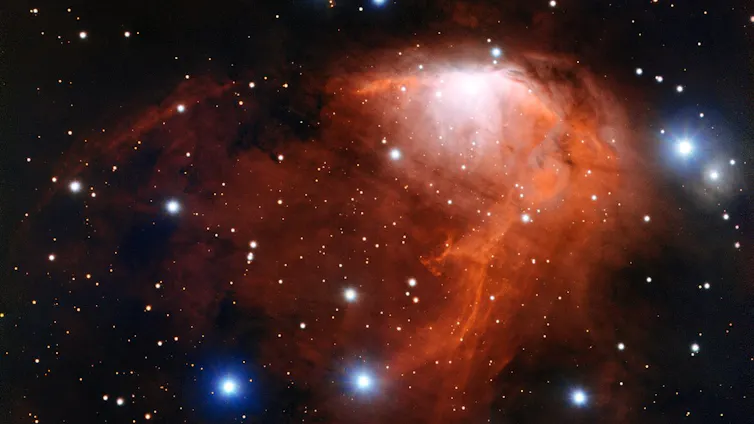
Stars form in the universe from massive clouds of gas. European Southern Observatory, CC BY-SA

For decades, astronomers have wondered what the very first stars in the universe were like. These stars formed new chemical elements, which enriched the universe and allowed the next generations of stars to form the first planets.

The first stars were initially composed of pure hydrogen and helium, and they were massive – hundreds to thousands of times the mass of the Sun and millions of times more luminous. Their short lives ended in enormous explosions called supernovae, so they had neither the time nor raw materials to form planets, and they should no longer exist for astronomers to observe.

At least that’s what we thought.

Two studies published in the first half of 2025 suggest that collapsing gas clouds in the early universe may have formed lower-mass stars as well. One study uses a new astrophysical computer simulation that models turbulence within the cloud, causing fragmentation into smaller, star-forming clumps. The other study – an independent laboratory experiment – demonstrates how molecular hydrogen, a molecule essential for star formation, may have formed earlier and in larger abundances. The process involves a catalyst that may surprise chemistry teachers.

As an astronomer who studies star and planet formation and their dependence on chemical processes, I am excited at the possibility that chemistry in the first 50 million to 100 million years after the Big Bang may have been more active than we expected.

These findings suggest that the second generation of stars – the oldest stars we can currently observe and possibly the hosts of the first planets – may have formed earlier than astronomers thought.

Primordial star formation

Video illustration of the star and planet formation process. Credit: Space Telescope Science Institute.

Stars form when massive clouds of hydrogen many light years across collapse under their own gravity. The collapse continues until a luminous sphere surrounds a dense core that is hot enough to sustain nuclear fusion.

Nuclear fusion happens when two or more atoms gain enough energy to fuse together. This process creates a new element and releases an incredible amount of energy, which heats the stellar core. In the first stars, hydrogen atoms fused together to create helium.

The new star shines because its surface is hot, but the energy fueling that luminosity percolates up from its core. The luminosity of a star is its total energy output in the form of light. The star’s brightness is the small fraction of that luminosity that we directly observe.

This process where stars form heavier elements by nuclear fusion is called stellar nucleosynthesis. It continues in stars after they form as their physical properties slowly change. The more massive stars can produce heavier elements such as carbon, oxygen and nitrogen, all the way up to iron, in a sequence of fusion reactions that end in a supernova explosion.

Supernovae can create even heavier elements, completing the periodic table of elements. Lower-mass stars like the Sun, with their cooler cores, can sustain fusion only up to carbon. As they exhaust the hydrogen and helium in their cores, nuclear fusion stops and the stars slowly evaporate.

Two images showing spherical illustrations. The left shows a star exploding, shooting out colorful tendrils of light and color. The right shows a cloud of gas fading away.
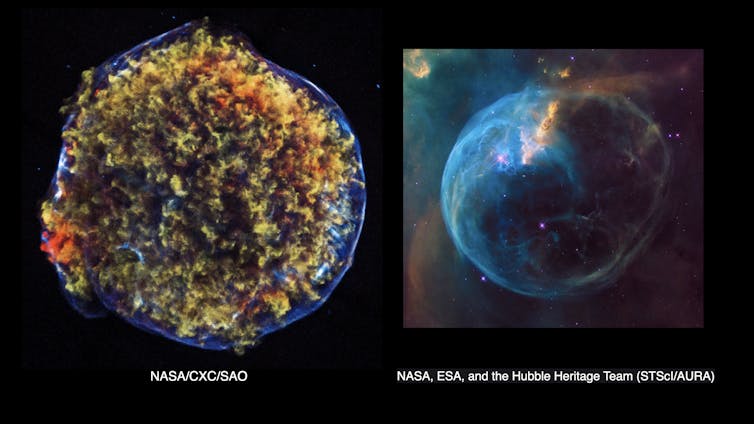
The remnant of a high-mass star supernova explosion imaged by the Chandra X-ray Observatory, left, and the remnant of a low-mass star evaporating in a blue bubble, right. CC BY

High-mass stars have high pressure and temperature in their cores, so they burn bright and use up their gaseous fuel quickly. They last only a few million years, whereas low-mass stars – those less than two times the Sun’s mass – evolve much more slowly, with lifetimes of billions or even trillions of years.

If the earliest stars were all high-mass stars, then they would have exploded long ago. But if low-mass stars also formed in the early universe, they may still exist for us to observe.

Chemistry that cools clouds

The first star-forming gas clouds, called protostellar clouds, were warm – roughly room temperature. Warm gas has internal pressure that pushes outward against the inward force of gravity trying to collapse the cloud. A hot air balloon stays inflated by the same principle. If the flame heating the air at the base of the balloon stops, the air inside cools and the balloon begins to collapse.

Two bright clouds of gas condensing around a small central region
Stars form when clouds of dust collapse inward and condense around a small, bright, dense core. NASA, ESA, CSA, and STScI, J. DePasquale (STScI), CC BY-ND

Only the most massive protostellar clouds with the most gravity could overcome the thermal pressure and eventually collapse. In this scenario, the first stars were all massive.

The only way to form the lower-mass stars we see today is for the protostellar clouds to cool. Gas in space cools by radiation, which transforms thermal energy into light that carries the energy out of the cloud. Hydrogen and helium atoms are not efficient radiators below several thousand degrees, but molecular hydrogen, H₂, is great at cooling gas at low temperatures.

When energized, H₂ emits infrared light, which cools the gas and lowers the internal pressure. That process would make gravitational collapse more likely in lower-mass clouds.

For decades, astronomers have reasoned that a low abundance of H₂ early on resulted in hotter clouds whose internal pressure would be too hot to easily collapse into stars. They concluded that only clouds with enormous masses, and therefore higher gravity, would collapse – leaving more massive stars.

Helium hydride

In a July 2025 journal article, physicist Florian Grussie and collaborators at the Max Planck Institute for Nuclear Physics demonstrated that the first molecule to form in the universe, helium hydride, HeH⁺, could have been more abundant in the early universe than previously thought. They used a computer model and conducted a laboratory experiment to verify this result.

Helium hydride? In high school science you probably learned that helium is a noble gas, meaning it does not react with other atoms to form molecules or chemical compounds. As it turns out, it does – but only under the extremely sparse and dark conditions of the early universe, before the first stars formed.

HeH⁺ reacts with hydrogen deuteride – HD, which is one normal hydrogen atom bonded to a heavier deuterium atom – to form H₂. In the process, HeH⁺ also acts as a coolant and releases heat in the form of light. So, the high abundance of both molecular coolants earlier on may have allowed smaller clouds to cool faster and collapse to form lower-mass stars.

Gas flow also affects stellar initial masses

In another study, published in July 2025, astrophysicist Ke-Jung Chen led a research group at the Academia Sinica Institute of Astronomy and Astrophysics using a detailed computer simulation that modeled how gas in the early universe may have flowed.

The team’s model demonstrated that turbulence, or irregular motion, in giant collapsing gas clouds can form lower-mass cloud fragments from which lower-mass stars condense.

The study concluded that turbulence may have allowed these early gas clouds to form stars either the same size or up to 40 times more massive than the Sun’s mass.

A clump of small bright dots representing stars, shown near a bright spot in the center of the image.
The galaxy NGC 1140 is small and contains large amounts of primordial gas with far fewer elements heavier than hydrogen and helium than are present in our Sun. This composition makes it similar to the intensely star-forming galaxies found in the early universe. These early universe galaxies were the building blocks for large galaxies such as the Milky Way. ESA/Hubble & NASA, CC BY-ND

The two new studies both predict that the first population of stars could have included low-mass stars. Now, it is up to us observational astronomers to find them.

This is no easy task. Low-mass stars have low luminosities, so they are extremely faint. Several observational studies have recently reported possible detections, but none are yet confirmed with high confidence. If they are out there, though, we will find them eventually.The Conversation

Luke Keller, Professor of Physics and Astronomy, Ithaca College

This article is republished from The Conversation under a Creative Commons license. Read the original article.

  • 158
  • 159
  • 160
  • 161
  • 162
  • 163
  • 164
  • 165
  • 166
  • 167

Community

  • Sheriff’s Activities League and Clearlake Bassmasters offer youth fishing clinic

  • City Nature Challenge takes place April 24 to 27

Public Safety

  • Lakeport Police logs: Wednesday, Feb. 11

  • Lakeport Police logs: Tuesday, Feb. 10

Education

  • Ramos measure requiring school officer training in use of anti-opioid drug moves forward

  • Lake County Chapter of CWA announces annual scholarships 

Health

  • California ranks 24th in America’s Health Rankings Annual Report from United Health Foundation

  • Healthy blood donors especially vital during active flu season

Business

  • Employment law summit takes place March 9

  • Two Lake County Mediacom employees earn company’s top service awards

Obituaries

  • Terry Knight

  • Ellen Thomas

Opinion & Letters

  • Who should pay for AI’s power? Not California ratepayers

  • Crandell: Supporting nephew for reelection in supervisorial race

Veterans

  • State honors fallen chief warrant officer killed in conflict in Iran

  • CalVet and CSU Long Beach team up to improve data collection related to veteran suicides

Recreation

  • April Audubon program will show how volunteers can help monitor local osprey nests

  • First guided nature walk of spring at Anderson Marsh State Historic Park April 11

  • Second Saturday guided nature walks continue at Anderson Marsh State Historic Park

  • Wet weather trail closure in effect on Upper Lake Ranger District

Religion

  • Kelseyville Presbyterian Church plans Easter service

  • Easter ‘Sonrise’ Service returns to Xabatin Community Park

Arts & Life

  • ‘CIA’ delves into the shadowy world of an espionage thriller

  • ‘War Machine’ shifts the battlefield into uncharted territory

Government & Politics

  • Lake County Democratic Central Committee endorses Falkenberg

  • Crandell launches reelection campaign plans March 15 event

Legals

  • April 23 hearing on Lake Coco Farms Major Use Permit

  • NOTICE OF 30-DAY PUBLIC COMMENT PERIOD & NOTICE OF PUBLIC HEARING

How to resolve AdBlock issue?

Refresh this page