
Recreation
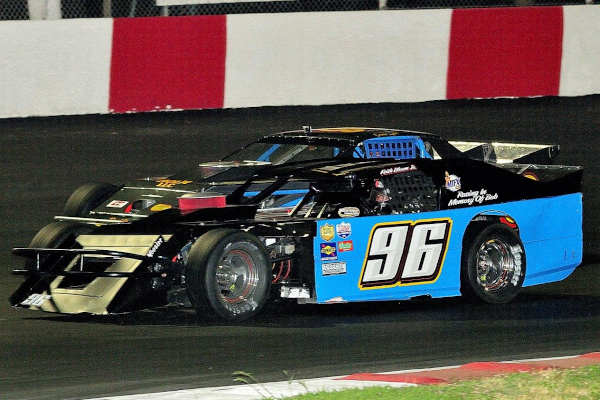
ROSEVILLE, Calif. — The North State Modifieds, presented by Protect the Harvest, will return to Roseville's All American Speedway Saturday for the second running of the “Bob Lehman Classic.”
The 60-lap Economy Heating & Air Challenge will be a bullring battle between the North State Modifieds and the NASCAR Jaws Gear & Axle Modifieds.
The first-ever meeting between touring North State Modifieds and the Jaws Gear & Axle Modifieds was initially set for July 10 but delayed by extreme high temperatures.
Each division will run in accordance with their respective rule books and tires, but both will be eligible for the posted awards.
The awards include $1,000 to the race winner, $150 to take the green flag, and Authority Heating & Air lap leader bonuses of $250 on both lap five and lap 55.
The 60 lap feature will commemorate the life and legacy of longtime race enthusiast and NSMS supporter Bob Lehman of Rio Linda.
Lehman passed away in November of 2019, one day shy of his 78th birthday. He was a lifelong welder, fabricator and race car builder.
Lehman had two loves of his life, his family and racing. He built his first race car at his childhood home with his buddies and his dad at the age of 15. He was always the car builder, never the driver.
He made a promise to his mother when he was young that he would not drive, and he kept it. But race car building was his passion.
In Lehman’s mind, every car he built was the “Flintstone Special” or could be. He had his favorite cars over the years, and that one was definitely one of them.
Lehman built a catalog of race cars; a Super Modified, NASCAR Grand National, Late Model, Super Late Model, NASCAR Pro Truck, Modified and Lucas Modified.
He was an iconic figure at the racetrack. Lehman was quick to help other race teams with advice, ideas, and emergency parts — just so they could all race.
Event sponsor Terry Deal of Economy Heating & Air said, “Bob Lehman was a huge inspiration to the start of my career in racing.”
Many other competitors in the Roseville area have been touched by Lehman and will be attending this commemorative event.
The North State Modified Series would not be possible without the support of Protect the Harvest, Lucas Oil, Economy Heating & Air, Sullivan Construction and Masonry, Hoosier Tire West, Sunoco Race Fuels, Naake Suspension, Five Star Bodies, Racer Bling, Mark & Sharon Baldwin, Scribner Plastics, Mort Houston, McMurray & Sons Roofing, Frank’s Radios, Supercuts, Vogel’s RVs and Authority Heating & Air.
- Details
- Written by: Nadine Strauss
The California Department of Fish and Wildlife is asking recreational anglers to voluntarily change how, when and where they fish to minimize stress and mortality among fish populations suffering from drought conditions.
CDFW is advising anglers not to fish past noon on certain inland waters as even catch-and-release angling during the hottest parts of the day can greatly increase fish stress and mortality.
“Many of our inland fisheries that rely on cold water habitat will likely be significantly impacted in the short and long term,” said CDFW Inland Fisheries Manager Roger Bloom. “California's drought cycles have required us to learn to manage fisheries with extreme variations in water flows. The last drought resulted in significant effects to fisheries that took years to recover from. We hope the self-imposed Hoot Owl restrictions by anglers will help mitigate those effects.”
Coldwater species such as trout, salmon and steelhead have the greatest likelihood of being affected by the drought this year but low water levels and high-water temperatures can potentially affect all inland aquatic species.
CDFW has introduced a series of voluntary angling recommendations – so-called “Hoot Owl” Restrictions – that directs anglers to focus their fishing during the cooler “hoot owl” periods of the day when water temperatures are lowest. A watchlist of specific waters anglers should avoid fishing past noon is included and will be updated as conditions change. Sustained afternoon water temperatures exceeding 67 degrees Fahrenheit for trout fisheries could trigger addition to the list.
Currently, the list of waters include:
— Lower Owens River (Pleasant Valley Dam downstream to Five Bridges) in Mono County.
— Hot Creek in Mono County.
— Mill Creek (Walker Basin) in Mono County.
— Lower Rush Creek (Grant Lake to Mono Lake) in Mono County.
— Bridgeport Reservoir in Mono County.
— Deep Creek (San Bernardino County).
— Crowley Lake (Mono County).
— Truckee River (Lake Tahoe to the Nevada state line) in Nevada, Placer and Sierra counties.
As conditions change, CDFW will post the updated list on the “Hoot Owl” Restrictions page.
Elevated water temperatures, lower oxygen levels, disease, low flows and low water levels are among the drought-related effects impacting many of California’s coastal waters and inland fisheries.
CDFW offers a number of other angling tips to reduce fish stress during the drought:
— Minimize the time you spend "fighting" the fish and any hands-on handling.
— Use rubber or coated nylon nets to protect a fish's slime layer and fins.
— Quickly remove the hook with forceps or needle-nosed pliers.
— Minimize the amount of time the fish is exposed to air, especially when the weather is warm.
— Keep your hands wet when handling the fish.
— If the fish is deeply hooked, do not pull on the line. Instead, cut the line as close as possible to where it is hooked and leave the hook so it can dissolve.
— Allow the fish to recover in the net before you release it.
— If the fish does not stay upright when you release it, gently move it back and forth.
— Avoid fighting fish from deeper, cooler waters and bringing them into warmer waters at the surface if your intention is to release them.
— Target fisheries that have stable water levels and species that are more resilient to elevated temperatures.
While these best practices may not all apply to anglers interested in harvesting their fish to eat, mortality may result from non-targeted species caught and released or fish outside of legal size limits that must be returned to the water.
CDFW is advising anglers not to fish past noon on certain inland waters as even catch-and-release angling during the hottest parts of the day can greatly increase fish stress and mortality.
“Many of our inland fisheries that rely on cold water habitat will likely be significantly impacted in the short and long term,” said CDFW Inland Fisheries Manager Roger Bloom. “California's drought cycles have required us to learn to manage fisheries with extreme variations in water flows. The last drought resulted in significant effects to fisheries that took years to recover from. We hope the self-imposed Hoot Owl restrictions by anglers will help mitigate those effects.”
Coldwater species such as trout, salmon and steelhead have the greatest likelihood of being affected by the drought this year but low water levels and high-water temperatures can potentially affect all inland aquatic species.
CDFW has introduced a series of voluntary angling recommendations – so-called “Hoot Owl” Restrictions – that directs anglers to focus their fishing during the cooler “hoot owl” periods of the day when water temperatures are lowest. A watchlist of specific waters anglers should avoid fishing past noon is included and will be updated as conditions change. Sustained afternoon water temperatures exceeding 67 degrees Fahrenheit for trout fisheries could trigger addition to the list.
Currently, the list of waters include:
— Lower Owens River (Pleasant Valley Dam downstream to Five Bridges) in Mono County.
— Hot Creek in Mono County.
— Mill Creek (Walker Basin) in Mono County.
— Lower Rush Creek (Grant Lake to Mono Lake) in Mono County.
— Bridgeport Reservoir in Mono County.
— Deep Creek (San Bernardino County).
— Crowley Lake (Mono County).
— Truckee River (Lake Tahoe to the Nevada state line) in Nevada, Placer and Sierra counties.
As conditions change, CDFW will post the updated list on the “Hoot Owl” Restrictions page.
Elevated water temperatures, lower oxygen levels, disease, low flows and low water levels are among the drought-related effects impacting many of California’s coastal waters and inland fisheries.
CDFW offers a number of other angling tips to reduce fish stress during the drought:
— Minimize the time you spend "fighting" the fish and any hands-on handling.
— Use rubber or coated nylon nets to protect a fish's slime layer and fins.
— Quickly remove the hook with forceps or needle-nosed pliers.
— Minimize the amount of time the fish is exposed to air, especially when the weather is warm.
— Keep your hands wet when handling the fish.
— If the fish is deeply hooked, do not pull on the line. Instead, cut the line as close as possible to where it is hooked and leave the hook so it can dissolve.
— Allow the fish to recover in the net before you release it.
— If the fish does not stay upright when you release it, gently move it back and forth.
— Avoid fighting fish from deeper, cooler waters and bringing them into warmer waters at the surface if your intention is to release them.
— Target fisheries that have stable water levels and species that are more resilient to elevated temperatures.
While these best practices may not all apply to anglers interested in harvesting their fish to eat, mortality may result from non-targeted species caught and released or fish outside of legal size limits that must be returned to the water.
- Details
- Written by: California Department of Fish and Wildlife





 How to resolve AdBlock issue?