How to resolve AdBlock issue?
Refresh this page
How to resolve AdBlock issue?

Refresh this page
Lake County News,California
  • Home
    • Registration Form
  • News
    • Community
      • Obituaries
      • Letters
      • Commentary
    • Education
    • Veterans
    • Police Logs
    • Business
    • Recreation
    • Health
    • Religion
    • Legals
    • Arts & Life
    • Regional
  • Calendar
  • Contact us
    • FAQs
    • Phones, E-Mail
    • Subscribe
  • Advertise Here
  • Login
How to resolve AdBlock issue?

Refresh this page
How to resolve AdBlock issue?
Refresh this page

News

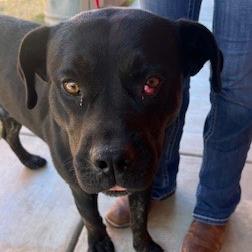
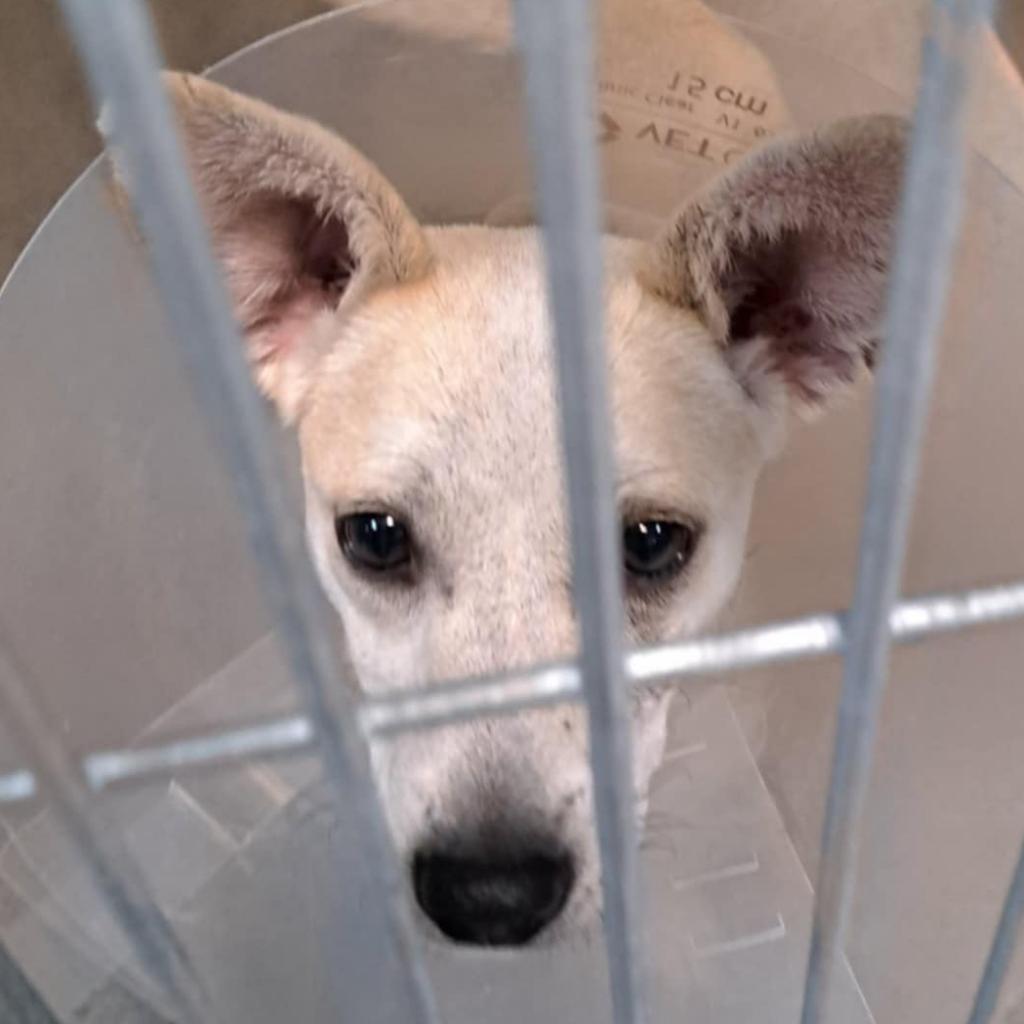
Helping Paws: More new shepherds and labs

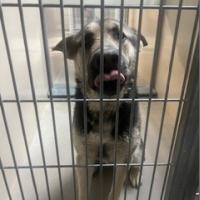
LAKE COUNTY, Calif. — Lake County Animal Care and Control has more new dogs, specifically shepherds and labs, waiting to be adopted this week.

Dogs available for adoption this week include mixes of Australian cattle dog, bulldog, Chihuahua, dachshund, German shepherd, husky, Labrador Retriever, mastiff, pit bull terrier, Rottweiler and terrier.

Dogs that are adopted from Lake County Animal Care and Control are either neutered or spayed, microchipped and, if old enough, given a rabies shot and county license before being released to their new owner. License fees do not apply to residents of the cities of Lakeport or Clearlake.

Those dogs and the others shown on this page at the Lake County Animal Care and Control shelter have been cleared for adoption.

Call Lake County Animal Care and Control at 707-263-0278 or visit the shelter online for information on visiting or adopting.

The shelter is located at 4949 Helbush in Lakeport.

Email Elizabeth Larson at This email address is being protected from spambots. You need JavaScript enabled to view it.. Follow her on Twitter, @ERLarson, or Lake County News, @LakeCoNews.


Kennel#10's preview photo
Kennel#10

Kennel#20(Piper)'s preview photo
Kennel#20(Piper)


Kennel#21(Coco)'s preview photo
Kennel#21(Coco)

Kennel#29a's preview photo
Kennel#29a

Kennel#32's preview photo
Kennel#32

Kennel#29b's preview photo
Kennel#29b

Kennel#33(Kora)'s preview photo
Kennel#33(Kora)

Kennel#34's preview photo
Kennel#34

Kennel#12's preview photo
Kennel#12

Kennel#13's preview photo
Kennel#13

Kennel#7's preview photo
Kennel#7

Kennel#18's preview photo
Kennel#18

Kennel#23's preview photo
Kennel#23

Kennel#4's preview photo
Kennel#4

Kennel#5's preview photo
Kennel#5

Kennel#11(Luna)'s preview photo
Kennel#11(Luna)

Kennel#3(Bernard)'s preview photo
Kennel#3(Bernard)


Kennel#6's preview photo
Kennel#6

Kennel#26(Sparkles)'s preview photo
Kennel#26(Sparkles)

Kennel#28's preview photo
Kennel#28

 
Kennel#22's preview photo
Kennel#22

Kennel#14's preview photo
Kennel#14

Kennel#24's preview photo
Kennel#24


Kennel#25's preview photo
Kennel#25

Kennel#2's preview photo
Kennel#2

Kennel#9's preview photo
Kennel#9

Kennel#8's preview photo
Kennel#8

 
Details
Written by: Elizabeth Larson
Published: 07 July 2024

Space News: To guard against cyberattacks in space, researchers ask ‘what if?’


Complex space systems like the International Space Station could be vulnerable to hackers. NASA, CC BY-NC

If space systems such as GPS were hacked and knocked offline, much of the world would instantly be returned to the communications and navigation technologies of the 1950s. Yet space cybersecurity is largely invisible to the public at a time of heightened geopolitical tensions.

Cyberattacks on satellites have occurred since the 1980s, but the global wake-up alarm went off only a couple of years ago. An hour before Russia’s invasion of Ukraine on Feb. 24, 2022, its government operatives hacked Viasat’s satellite-internet services to cut off communications and create confusion in Ukraine.

I study ethics and emerging technologies and serve as an adviser to the U.S. National Space Council. My colleagues and I at California Polytechnic State University’s Ethics + Emerging Sciences Group released a U.S. National Science Foundation-funded report on June 17, 2024, to explain the problem of cyberattacks in space and help anticipate novel and surprising scenarios.

Space and you

Most people are unaware of the crucial role that space systems play in their daily lives, never mind military conflicts. For instance, GPS uses signals from satellites. GPS-enabled precision timing is essential in financial services where every detail – such as time of payment or withdrawal – needs to be faithfully captured and coordinated. Even making a mobile phone call relies on precise coordination of time in the network.

Besides navigation for airplanes, boats, cars and people, GPS is also important for coordinating fleets of trucks that transport goods to stock local stores every day.

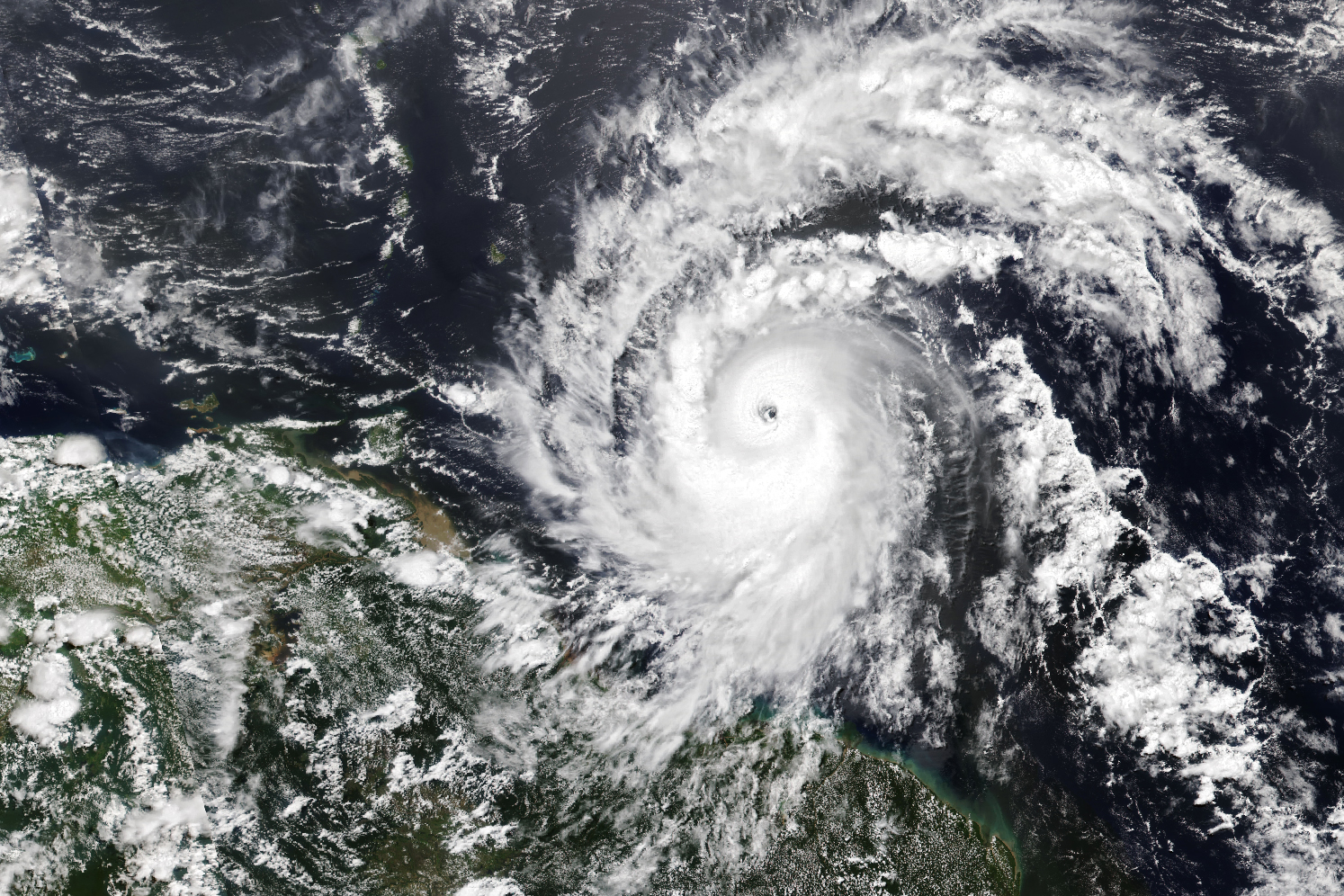
Earth-observation satellites are “eyes in the skies” with a unique vantage point to help forecast the weather, monitor environmental changes, track and respond to natural disasters, boost agricultural crop yields, manage land and water use, monitor troop movements and much more. The loss of these and other space services could be fatal to people vulnerable to natural disasters and crop failure. They could also put global economics and security at serious risk.

A hurricane seen from space
Many satellites are crucial for tracking natural and human activity here on Earth. NASA

Factors in play

In our report, we identified several factors that contribute to the increasing threat of space cyberattacks. For instance, it’s important to recognize that the world is at the start of a new space race.

By all accounts, space is becoming more congested and more contested. Both nation-states and private companies, which are underregulated and now own most of the satellites in orbit, are gearing up to compete for resources and research sites.

Because space is so remote and hard to access, if someone wanted to attack a space system, they would likely need to do it through a cyberattack. Space systems are particularly attractive targets because their hardware cannot be easily upgraded once launched, and this insecurity worsens over time. As complex systems, they can have long supply chains, and more links in the chain increase the chance of vulnerabilities. Major space projects are also challenged to keep up with best practices over the decade or more needed to build them.

And the stakes are unusually high in space. Orbital trash zips around at speeds of 6 to 9 miles per second and can easily destroy a spacecraft on impact. It can also end space programs worldwide given the hypothesized Kessler syndrome in which the Earth is eventually imprisoned in a cocoon of debris. These consequences weigh in favor of space cyberattacks over physical attacks because the debris problem is also likely to affect the attacker.

Moreover, given critical space infrastructure and services, such as GPS, conflicts in space can spark or add more fuel to a conflict on Earth, even those in cyberspace. For instance, Russia warned in 2022 that hacking one of its satellites would be taken as a declaration of war, which was a dramatic escalation from previous norms around warfare.

Conjuring scenarios

Even security professionals who recognize the severity of this space cybersecurity threat face a major challenge. At least in nonclassified forums, only a couple of under-specified scenarios are typically considered: something vague about satellite hacking and something vague about signals jamming or spoofing.

But failure to imagine a full range of possibilities can be devastating for security planning, especially against hackers who are a diverse set of entities with diverse motivations and targets. These variables are vital to nail down because they reveal clues about which strategies and levers defenders may find most effective in a response. For instance, an attack by a state-sponsored hacker may require a different approach than, say, one by a criminal hacker after money or by a chaos agent.

To help with this piece of the security puzzle, our report offers a taxonomy – the ICARUS matrix – that captures these variables and can create more than 4 million unique combinations of variables, which we call scenario prompts. ICARUS is an acronym for “imagining cyberattacks to anticipate risks unique to space.”

Here are three of the 42 scenarios we included in the report.

A 3D or additive printer can be an invaluable resource for quickly creating parts on demand on space missions. A hacker could gain access to a printer on a space station and reprogram it to make tiny imperfections inside the parts it prints. Some of these built-to-fail components could be parts of critical systems.

a structure with many interconnected parts in orbit over the Earth
A hacked 3D printer could be used to introduce faulty parts to a space station. NASA, CC BY-NC-ND

A hacker could corrupt the data from a planetary probe to show inaccurate atmospheric, temperature or water readings. Corrupted data from a Mars rover, for example, could falsely show that an area has significant subsurface water ice. Any subsequent mission launched to explore the site further would be wasted.

In 1938, a radio drama about an alien attack instigated a panic when many listeners didn’t realize it was fictional. Similarly, a hacker could access the listening feeds of the Messaging Extraterrestrial Intelligence, or METI, project and insert something resembling alien language in METI’s transcription. They could then leak it to the media, potentially creating panic worldwide and moving financial markets.

Other scenarios in our report involve such things as insider threats, AI vulnerabilities, false flag attacks, ecoterrorism, ransomware during a launch, as well as more distant scenarios about asteroid mining, off-world colonies and space pirates.

Stories for better security

People are hardwired to respond to stories, whether shared around prehistoric campfires or across digital platforms today. Thus, crafting novel and surprising scenarios can help bring to life the invisible threat of space cyberattacks, as well as spotlight nuances across different scenarios that may require interdisciplinary experts to tackle together.The Conversation

Patrick Lin, Professor of Philosophy, California Polytechnic State University

This article is republished from The Conversation under a Creative Commons license. Read the original article.

Details
Written by: Patrick Lin, California Polytechnic State University
Published: 07 July 2024

Police chief reports on Lakeport’s July 4 celebration

LAKEPORT, Calif. — Authorities in Lakeport were busy on Thursday as part of overseeing the city’s popular annual Independence Day event, capped with a nighttime fireworks display.

Thursday saw thousands of people descend on Lakeport for the event.

“We had a fair amount of stuff going on,” said Lakeport Police Chief Brad Rasmussen.

Rasmussen said there was, once again, a large mutual aid contingent who came to support Lakeport Police.

In total, there were 34 law enforcement officers from seven agencies, including six Cal Fire officers, plus the Lakeport Fire Department, which shared unified command with the Lakeport Police Department, Rasmussen said.

Rasmussen said there were 11 citations given for illegal fireworks both at Library Park and the safe and sane fireworks discharge area on Fourth Street, and other areas of town.

There also was an arrest of a male subject for fireworks in the park who ended up threatening to kill police officers. Rasmussen said that individual was charged with felony obstruction.

There were a handful of seizures of other illegal fireworks and a few problems with people setting off both illegal and safe and sane fireworks in Library Park after the city’s main fireworks display. Rasmussen said safe and sane fireworks are not allowed in the city’s parklands.

“We had a lot of illegal aerial fireworks going off,” both at the park and across the city, Rasmussen said. “That remained a significant problem.”

After 11 p.m. on July 4, safe and sane fireworks become illegal in Lakeport, based on city code. Rasmussen said there were multiple police and fire units ordering everyone to shut down and go home from Willow Tree Plaza in particular.

As people were starting to leave that area, an illegal firework was thrown towards a vehicle, and Rasmussen said it ended up hitting a woman in the foot, causing a minor injury. She declined an ambulance and instead her family transported her to the hospital.

There also were five smoldering dumpster fires, which Rasmussen said is pretty common.

In addition, Rasmussen said there were some drunk driving and disorderly conduct arrests.

There were two other notable incidents. One was a motorcycle pursuit that began in the city, followed Highway 29 to Highway 20 and ended at the west edge of Lucerne, where the rider was taken into custody without incident. Rasmussen said the top speed was 75 miles per hour and, with light traffic, the pursuit was allowed to continue.

There also was a boat crash on the lake near the Reeves Lane area. It was reported over the radio that people were in the water and at least one was transported to medical care. Rasmussen said the sheriff’s office and Lakeport Fire responded to the incident, and he had no additional information.

This year’s celebration also had a new aspect in play with Xabatin Park being open for the event.

“This is the first year that park’s been in the mix,” said Rasmussen.

Xabatin Park had a good crowd — mostly families and children — throughout the day, with the ninja gym and basketball court full of kids, Rasmussen said.

“It was the calmest area of the town,” said Rasmussen.

Before dark it filled up for the fireworks show. Rasmussen said there were eight law enforcement officers working the park. In a few cases, they found people trying to use safe and sane fireworks at the park and they were advised not to.

“That was the one area where alcohol was not allowed,” said Rasmusen.

There were people drinking there but they were doing it on the sly and being calm about it

Overall, “It would be not the worst year we’ve had but also not the quietest,” said Rasmussen.

He said police management also spent a lot of time answering questions from the public about why the City Council didn’t shut down fireworks this year because of fire danger.

In the case of the safe and sane fireworks, in November 2009, city voters approved Measure C, which requires the city to allow the sales by a group of designated nonprofits.

Rasmussen said that the City Council could only stop them if the governor declared the county and city as being under extreme peril from the potential for fire, and then they could be suspended for the year.

While police fielded a lot of questions from people concerned about fireworks, Rasmussen said they received an equal number of comments from people who like having them.

This is Rasmussen’s last July 4 as Lakeport's police chief. He retires next month and in January will take over as the new District 4 representative on the Lake County Board of Supervisors.

Email Elizabeth Larson at This email address is being protected from spambots. You need JavaScript enabled to view it.. Follow her on Twitter, @ERLarson, or Lake County News, @LakeCoNews.
Details
Written by: Elizabeth Larson
Published: 06 July 2024

Californians urged to take precautions as dangerous heatwave continues

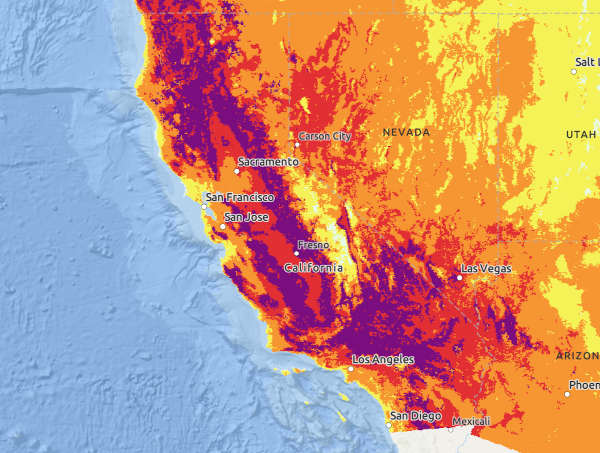
The National Weather Service forecasts Extreme HeatRisk for much of the state (in purple) this week. Screenshot of Saturday's HeatRisk.

With much of interior California entering its fifth day of temperatures reaching 110 degrees or higher — and most areas unlikely to see relief until early next week — Gov. Gavin Newsom is continuing to urge Californians to take precautions and has directed an all-hands response to the heatwave by the state government.

Earlier this week, the governor directed the Office of Emergency Services to activate its State Operations Center and move into Phase II of its Extreme Temperature Response Plan. This action ensures a 24/7, coordinated, whole-of-government response to the heatwave.

Excessive heat warnings and watches are in effect for much of California through the weekend and into next week. The National Weather Service is forecasting extreme heat risk for many parts of the state, with hot conditions between 105 and 118 degrees, and little overnight relief.

Extreme heat kills more Americans every year than all other extreme weather, including wildfires and flooding.

“California is in the middle of a record heatwave — and now is not the time to let our guard down. We must remain vigilant — stay cool, stay hydrated and check in on loved ones and neighbors,” said Newsom.

What California is doing to protect communities

Emergency coordination and response. Cal OES is coordinating with local governments and emergency managers on any regional needs.

A current list of local cooling centers open by county can be found here.

• Through Listos California, Cal OES is deploying in-language preparedness messaging to California’s most impacted communities and those who may be most at risk during extreme temperatures, including those 65 years of age or older; individuals with chronic illness, disabilities or who are pregnant.

• The Office of Community Partnerships and Strategic Communications, or OCPSC, is deploying in-language messaging to higher risk communities through Heat Ready CA, which includes a network of community organizations and outreach to ethnic media.

• Through the state’s Priority Populations Task Force, Cal OES convenes over 20 agencies to coordinate state and local resources and share information with the public, identify and address unmet needs, and ensure comprehensive preparedness and response in support of Californians at greatest risk and coordinate with local jurisdictions.

Protecting workers. The California Division of Occupational Safety and Health, or Cal/OSHA, is reminding employers to protect workers from heat illness during high temperatures by providing water, rest, shade and training.

• Field inspectors are conducting targeted inspections at worksites where workers are most vulnerable to heat illness including in agriculture and construction.

• Details on heat illness prevention requirements and training materials are available online at 99calor.org. Cal/OSHA’s heat illness prevention standard applies to all outdoor worksites.

• The Government Operations Agency has coordinated messaging to all state employees on increased temperature preparedness and worked with building managers to reiterate state efficiencies during warmer days.

Protecting public health and safety. The California Department of Public Health (CDPH) has created a Heat & Summer Safety toolkit to provide resources and communication tools that can be shared, including the difference between heat exhaustion and heat stroke.

• CDPH also develops heat guidance for schools, local health jurisdictions, and other community service providers to protect Californians, particularly heat-vulnerable populations like children, students, older adults, the unhoused, outdoor workers, and those with existing health conditions.

Increasing climate resiliency. The California Natural Resources Agency and state climate partners are addressing longer-term impacts of climate change and extreme heat events through the Extreme Heat Action Plan to Build Community Resilience.

• Efforts include resources for vulnerable and underserved communities, investments in shading communities through green schoolyards and urban forestry initiatives, and putting nature-based solutions to work to cool buildings and infrastructure.

How you can stay safer from extreme heat

Go to ready.ca.gov to find resources and tips to stay safe from extreme heat, and other natural disasters.

Stay cool (during the hottest times of the day):

• Those without air conditioning should consider going to a cooling center. Check out this list of cooling centers across the state or visit a public location such as a library or shopping mall. To find free transportation to cooling centers in certain areas, use this finder tool.

• Avoid physical exertion or exercising outdoors.

• Wear lightweight, light colored, loose clothing, hats, sunglasses and sunscreen.

Stay hydrated:

• Drink plenty of fluids, especially water, even when not thirsty; drink sports drinks (in moderation with water) to help replace electrolytes lost during exercise.

• Avoid sugary, alcoholic, and very cold drinks.

• Eat plenty of fruits and vegetables.

Stay connected:

• Monitor those at higher risk of heat-related illness including infants and young children; people 65 years of age or older; individuals with chronic illness, disabilities or who are pregnant. Determine risk at heatreadyca.com.

• Californians are also encouraged to check on their neighbors – call or visit higher risk people, and offer to pick up groceries, medication, and other necessities. Older adults, young children and babies, people with chronic medical conditions and those who are pregnant are most at risk.

• Use a buddy system when working in the heat.

• As a precaution, keep all communication and medical devices charged.

Stay informed:

• Check the local news for weather forecasts, extreme heat alerts, and cooling centers.

Stay safe outdoors:

Warm summer weather is causing continued snow melt from winter’s record snowpack, resulting in colder and faster water that continues today. Remember to always be safe around the water:

• Make sure you and your loved ones wear properly fitting, U.S. Coast Guard-approved life jackets. Several public and private entities make life jackets available to the public on a loan basis.

• Always supervise children by appointing a designated “water watcher.”

• Know your limits. Swimming in a lake, ocean or river is different than swimming in a pool.

• If someone is in distress, seek help from a lifeguard or call 9-1-1 if one is not available.
Details
Written by: Lake County News reports
Published: 06 July 2024
  1. Summertime can be germy: A microbiologist explains how to avoid getting sick at the barbecue, in the pool or on the trail
  2. Californians affected by wildfire smoke should take steps to protect their health
  3. Space News: What’s up for July 2024

Subcategories

Community

  • 617
  • 618
  • 619
  • 620
  • 621
  • 622
  • 623
  • 624
  • 625
  • 626
How to resolve AdBlock issue?

Refresh this page