 How to resolve AdBlock issue?
News
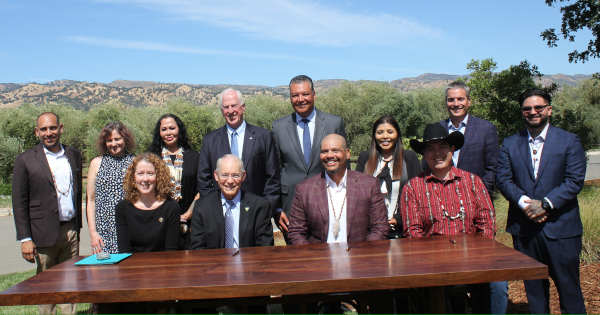
NORTHERN CALIFORNIA — On Thursday, federal and tribal officials gathered to celebrate President Joe Biden’s recent expansion of the Berryessa Snow Mountain National Monument.
The action renames the “Walker Ridge” parcel to “Molok Luyuk,” which means “Condor Ridge” in the Patwin language, and adds over 13,000 acres of federal public land to the previously-designated monument, protecting the area in its entirety.
Rep. Mike Thompson (CA-04), U.S. Senator Alex Padilla (D-CA), the Yocha Dehe Wintun Nation, Kletsel Dehe Wintun Nation, Bureau of Land Management (BLM) Director Tracy Stone-Manning and community leaders were on hand for the event, which took place in Brookes, in neighboring Yolo County.
Members of the Yocha Dehe and Kletsel Dehe Tribes also signed a historic co-stewardship agreement with BLM during the ceremony.
The presidential proclamation advances co-stewardship of the monument to safeguard generations of tribal origin stories and protect wildlife corridors and rich biodiversity in the region.
This co-stewardship agreement stems from the amended 2022 order by the secretary of the Interior and signed by the secretaries of the Interior, Agriculture and Commerce that directs the departments and their component bureaus and offices to manage federal lands in a manner that protects the treaty, religious, subsistence and cultural interests of federally recognized Indian tribes.
“Molok Luyuk has been stewarded for thousands of years by the Wintun Nations,” said BLM Director Tracy Stone-Manning. “This co-stewardship agreement will strengthen management of this portion of Berryessa Snow Mountain National Monument for generations to come, enhancing our ability to protect natural and cultural resources and to educate visitors to the monument.”
This agreement strengthens stewardship of Molok Luyuk through increased natural and cultural resource program coordination and inter-governmental engagement in management planning processes.
It provides a framework for tribal officials, planners, resource specialists, and tribal members to share additional knowledge and expertise, and provide resources and services to the BLM to collaboratively develop resource management programs and coordinate on land use planning and management of resources.
Rep. Thompson sponsored the legislation, cosponsored by Reps. John Garamendi (CA-08), Jared Huffman (CA-02), and Doris Matsui (CA-07) that called for the initial designation of the Berryessa Snow Mountain National Monument in 2013. In 2022 and again 2023, Rep. Thompson, Sen. Padilla, and Rep. Garamendi introduced legislation to expand the Monument to include adjacent Bureau of Land Management-administered public lands.
Last October, Rep. Thompson, Sen. Padilla, and Rep. Garamendi led a letter to President Biden and Interior Department Secretary Deb Haaland urging the administration to use its authority under the Antiquities Act of 1906 to expand the Monument and support co-stewardship opportunities at Molok Luyuk.
In May, Interior Secretary Deb Haaland and the BLM celebrated President Biden’s expansion of Berryessa Snow Mountain National Monument as part of the administration’s unprecedented commitment to protect America’s natural wonders for future generations, honor areas of cultural significance to tribal nations and Indigenous peoples, and expand access to nature.
The new designation protects a striking 11-mile-long north-south ridgeline that is sacred to the Patwin people and hosts a mosaic of rare natural features supported by the area’s unique geologic and hydrologic features.
“Today marks a new era of tribal co-stewardship of ancestral lands. I’m honored to join leaders from the Yocha Dehe Wintun Nation, Kletsel Dehe Wintun Nation, Bureau of Land Management, and community advocates to celebrate the expansion of the Berryessa Snow Mountain National Monument and formalize local tribes’ role in the protection of the land that has sustained them for generations,” said Thompson. “I worked to designate the Berryessa Snow Mountain region as a national monument in 2015 and Sen. Padilla, Rep. Garamendi (CA-08), and I were successful in working with the Biden Administration to expand it. Thanks to President Biden’s proclamation, the biodiversity, geological formations, and cultural connections of this land will be preserved for generations to come.”
“Today, thanks to the Biden-Harris Administration and decades of advocacy from tribal leaders and allies, the Patwin people will once again have a say in how Molok Luyuk is cared for,” Sen. Padilla said Thursday. “We’re setting a new standard of cooperative stewardship and embarking on a new era of public land management that gives tribes a seat at the table. With the historic signing of these co-stewardship agreements, local tribes will be able to more formally contribute their deep, personal knowledge of the history and ecology of the area to better protect and celebrate this land. The expansion of the monument is also crucial for protecting the rich biodiversity and wildlife corridors that make California so unique, ensuring that these areas endure for the benefit of current and future generations.”
“The expansion of Berryessa Snow Mountain National Monument enhances protections of the region’s rich biodiversity and rare plant species and provides a lifeline for wildlife such as tule elk, mountain lions, and black bears as a connectivity corridor between the existing monument and other conserved areas,” said California Natural Resources Agency Secretary Wade Crowfoot. “This commitment to conservation protects sacred cultural sites and enshrines access to our public lands. It also moves us closer toward California’s 30x30 goal to conserve 30% of the state’s lands and coastal waters by 2030. This shows what happens when big ideas and people rally together to protect incredible places. The California Natural Resources Agency is honored to continue work with California Native American tribes, local communities, and the Biden-Harris Administration to further designate new National Monuments in California.”
“We are profoundly grateful for this commitment to protect tribal cultural resources and the environment. All the support we received to expand the Berryessa Snow Mountain National Monument and include Molok Luyuk, especially from U.S. Senator Padilla, Congressman Thompson, Congressman Garamendi, and environmental organizations — their care and commitment to tribal lands has ensured a better world for generations to come. We look forward to additional opportunities to partner in our ancestral lands,” said Yocha Dehe Tribal Chairman Anthony Roberts.
- Details
- Written by: LAKE COUNTY NEWS REPORTS
Preventing harmful impacts of non-native plants and animals protects the biodiversity of California — home to more species than any other state in the union.
California Department of Fish and Wildlife’s California Invasive Species Action Week, or CISAW, which takes place Saturday, June 1, through Sunday, June 9, educates and calls for the public to take action to guard California’s natural resources, ecology and economy.
CDFW Invasive Species Program scientist Daydre Roser urges all Californians to get involved as “invasive species reduce the biodiversity that is so important to our landscape.”
Throughout the state the week will see volunteers removing invasive plants, interactive activities, a series of educational webinars and the reveal of the 2024 Youth Art Contest winner, among other events. The theme of this year’s Youth Art Contest was Species Reporters Wanted — What's the Scoop on Invasives.
CDFW staff will join in CISAW efforts, teaming up with the American River Parkway Foundation to help eradicate non-native plants along the American River in Sacramento.
Virtual and in-person opportunities to participate in CISAW include:
Tune in to the University of California Cooperative Extension’s Lunchtime Talks webinar series, where each weekday experts will take on invasive species topics such as the tree-killing shothole borer beetle that is making its way into the Bay Area or the threat of yellow starthistle — what some consider the state’s most invasive plant.
Take the League to Save Lake Tahoe’s Eyes on the Lake Training Thursday, June 6, where participants will learn to identify native versus non-native aquatic plants and how to report aquatic invaders that damage Lake Tahoe’s ecosystem.
Get educated about the invasive quagga mussel with the East Bay Regional Park District on Saturday, June 8. Interactive activities at Shadow Cliffs Regional Recreation Area in Pleasanton will show effects of and how to prevent infestation of the quagga mussel in California lakes.
Find further details and a full list of CISAW events online, some which require participants to register in advance.
Be a part of the effort to remove invasive species and restore wildlife habitat throughout the year by volunteering through the California State Parks Foundation and other local organizations, or by reporting invasive species to iNaturalist and/or CDFW’s Invasive Species app (through EDDMaps).
Californians can also help stop the spread of invasive species by taking small, everyday actions, such as landscaping with native plants, not releasing unwanted pets into the wild and cleaning, draining and drying gear when recreating in bodies of water.
The CISAW web page lists simple actions Californians can take all year long while visiting natural areas, boating or fishing, or at home.
The mission of CDFW’s Invasive Species Program is to reduce the impacts of invasive species on the wildlands and waterways of California.
The program is involved in efforts to prevent the introduction of these species into the state, detect and respond to introductions when they occur, and prevent the spread of those species that have established.
For questions or more information about CISAW contactThis email address is being protected from spambots. You need JavaScript enabled to view it. .
California Department of Fish and Wildlife’s California Invasive Species Action Week, or CISAW, which takes place Saturday, June 1, through Sunday, June 9, educates and calls for the public to take action to guard California’s natural resources, ecology and economy.
CDFW Invasive Species Program scientist Daydre Roser urges all Californians to get involved as “invasive species reduce the biodiversity that is so important to our landscape.”
Throughout the state the week will see volunteers removing invasive plants, interactive activities, a series of educational webinars and the reveal of the 2024 Youth Art Contest winner, among other events. The theme of this year’s Youth Art Contest was Species Reporters Wanted — What's the Scoop on Invasives.
CDFW staff will join in CISAW efforts, teaming up with the American River Parkway Foundation to help eradicate non-native plants along the American River in Sacramento.
Virtual and in-person opportunities to participate in CISAW include:
Tune in to the University of California Cooperative Extension’s Lunchtime Talks webinar series, where each weekday experts will take on invasive species topics such as the tree-killing shothole borer beetle that is making its way into the Bay Area or the threat of yellow starthistle — what some consider the state’s most invasive plant.
Take the League to Save Lake Tahoe’s Eyes on the Lake Training Thursday, June 6, where participants will learn to identify native versus non-native aquatic plants and how to report aquatic invaders that damage Lake Tahoe’s ecosystem.
Get educated about the invasive quagga mussel with the East Bay Regional Park District on Saturday, June 8. Interactive activities at Shadow Cliffs Regional Recreation Area in Pleasanton will show effects of and how to prevent infestation of the quagga mussel in California lakes.
Find further details and a full list of CISAW events online, some which require participants to register in advance.
Be a part of the effort to remove invasive species and restore wildlife habitat throughout the year by volunteering through the California State Parks Foundation and other local organizations, or by reporting invasive species to iNaturalist and/or CDFW’s Invasive Species app (through EDDMaps).
Californians can also help stop the spread of invasive species by taking small, everyday actions, such as landscaping with native plants, not releasing unwanted pets into the wild and cleaning, draining and drying gear when recreating in bodies of water.
The CISAW web page lists simple actions Californians can take all year long while visiting natural areas, boating or fishing, or at home.
The mission of CDFW’s Invasive Species Program is to reduce the impacts of invasive species on the wildlands and waterways of California.
The program is involved in efforts to prevent the introduction of these species into the state, detect and respond to introductions when they occur, and prevent the spread of those species that have established.
For questions or more information about CISAW contact
- Details
- Written by: CALIFORNIA DEPARTMENT OF FISH AND WILDLIFE
Across California, USDA Forest Service crews and managers are already preparing for fire season.
Despite two years of average to above-average precipitation, Fire Director Jaime Gamboa knows just how quickly wildfire season can take off.
“We will not get complacent,” Gamboa said. “Our firefighting crews, equipment and aircraft form one of the largest, most experienced wildland firefighting forces in the world. We’re ready to respond to whatever the season brings.”
Gamboa also stressed the importance of being able to bring in other federal crews from across the country. “With the federal system we have, we can call resources from neighboring states and even farther away. That means when California is busy, we are able to not only sustain our staffing numbers but also enhance them — all without depleting other state resources.”
Across the region’s national forests, crews are completing fire trainings for new firefighters. Annual refreshers are underway for those in firefighting support.
Readiness Reviews — or annual skills and fitness evaluations — are putting skills into action. Scenarios test everything from using hoses, pumps, and equipment, to treating and transporting injured firefighters. Strength and endurance are continually tested and refined as a critical part of the job.
For aircraft crews — like smokejumpers, helitack crews, rappelers and other aviation resources — mandatory job recertifications are starting. Throughout the long summer all these crew will continue to meet the required testing or mission every two weeks to stay current. National crew will be at the ready to support in-state crews for resources and relief.
Another rainy winter, with fewer than average viable prescribed burn windows, has pushed the prescribed fire season later into the year, and managers are working to ensure hazardous fuels are being treated while still remaining confident they can respond to wildfires.
This year, in his annual letter of intent to firefighters, USDA Forest Service Chief Randy Moore reaffirmed our continuing commitment to public and firefighter safety, while also stressing forward movement.
“I expect us to continue to use all available tools and technologies to ensure proactive prescribed fire planning and implementation, fire detection, risk assessments, fire response, and post-fire recovery. Every fire will receive a risk-informed response; we know the most effective strategies are collaboratively carried out at the local level… (to) help us make informed decisions that balance resource objectives with safety and community protection.”
Follow the Pacific Southwest Region on Facebook, X and Instagram for daily posts highlighting fire preparedness while recreating on public lands.
Despite two years of average to above-average precipitation, Fire Director Jaime Gamboa knows just how quickly wildfire season can take off.
“We will not get complacent,” Gamboa said. “Our firefighting crews, equipment and aircraft form one of the largest, most experienced wildland firefighting forces in the world. We’re ready to respond to whatever the season brings.”
Gamboa also stressed the importance of being able to bring in other federal crews from across the country. “With the federal system we have, we can call resources from neighboring states and even farther away. That means when California is busy, we are able to not only sustain our staffing numbers but also enhance them — all without depleting other state resources.”
Across the region’s national forests, crews are completing fire trainings for new firefighters. Annual refreshers are underway for those in firefighting support.
Readiness Reviews — or annual skills and fitness evaluations — are putting skills into action. Scenarios test everything from using hoses, pumps, and equipment, to treating and transporting injured firefighters. Strength and endurance are continually tested and refined as a critical part of the job.
For aircraft crews — like smokejumpers, helitack crews, rappelers and other aviation resources — mandatory job recertifications are starting. Throughout the long summer all these crew will continue to meet the required testing or mission every two weeks to stay current. National crew will be at the ready to support in-state crews for resources and relief.
Another rainy winter, with fewer than average viable prescribed burn windows, has pushed the prescribed fire season later into the year, and managers are working to ensure hazardous fuels are being treated while still remaining confident they can respond to wildfires.
This year, in his annual letter of intent to firefighters, USDA Forest Service Chief Randy Moore reaffirmed our continuing commitment to public and firefighter safety, while also stressing forward movement.
“I expect us to continue to use all available tools and technologies to ensure proactive prescribed fire planning and implementation, fire detection, risk assessments, fire response, and post-fire recovery. Every fire will receive a risk-informed response; we know the most effective strategies are collaboratively carried out at the local level… (to) help us make informed decisions that balance resource objectives with safety and community protection.”
Follow the Pacific Southwest Region on Facebook, X and Instagram for daily posts highlighting fire preparedness while recreating on public lands.
- Details
- Written by: U.S. FOREST SERVICE
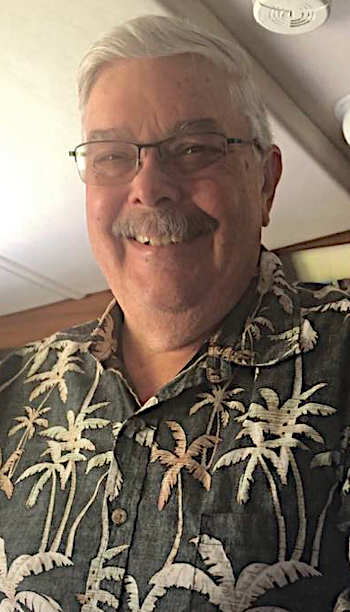
LAKE COUNTY, Calif. — A former Clearlake mayor who also served as a deputy sheriff and county planning commissioner has died and will be remembered in a service in June.
Robert Charles “Bob” Malley Sr., 74, died at his home in Carter County, Tennessee, on May 10.
Malley was remembered with a moment of silence at the Clearlake City Council meeting on May 16.
He spent much of his childhood in San Francisco before his family moved to Lake County when he was 16 in 1966. He graduated from Lower Lake High School, where he played baseball and football.
Malley went on to work for many years as a Lake County Sheriff’s Office deputy, which he said was the job he enjoyed the most but which he had to leave early after being injured.
“We found other ways to help out,” he said.
Indeed, he went on to be a business owner and served on the Clearlake City Council for eight years, holding the mayor’s role for four of those years. He left the council at the end of 2006.
In February 2010, he was confirmed as then-Supervisor Jeff Smith’s pick for planning commissioner, a role he held until his retirement in September 2020.
His family said he always believed his greatest achievement was the years he spent in public service.
He is survived by his wife of 35 years, Debi Malley, four children, nine grandchildren, three great-grandchildren, two brothers, and several nieces and nephews.
A memorial service for Malley will take place at 2 p.m. Saturday, June 15, at the Clearlake Senior Center, 3245 Bowers Ave.
Malley’s obituary can be found here.
Email Elizabeth Larson at
- Details
- Written by: Elizabeth Larson