How to resolve AdBlock issue?
Refresh this page
How to resolve AdBlock issue?
Refresh this page
Lake County News,California
  • Home
    • Registration Form
  • News
    • Community
      • Obituaries
      • Letters
      • Commentary
    • Education
    • Veterans
    • Police Logs
    • Business
    • Recreation
    • Health
    • Religion
    • Legals
    • Arts & Life
    • Regional
  • Calendar
  • Contact us
    • FAQs
    • Phones, E-Mail
    • Subscribe
  • Advertise Here
  • Login
How to resolve AdBlock issue?

Refresh this page
How to resolve AdBlock issue?
Refresh this page

News

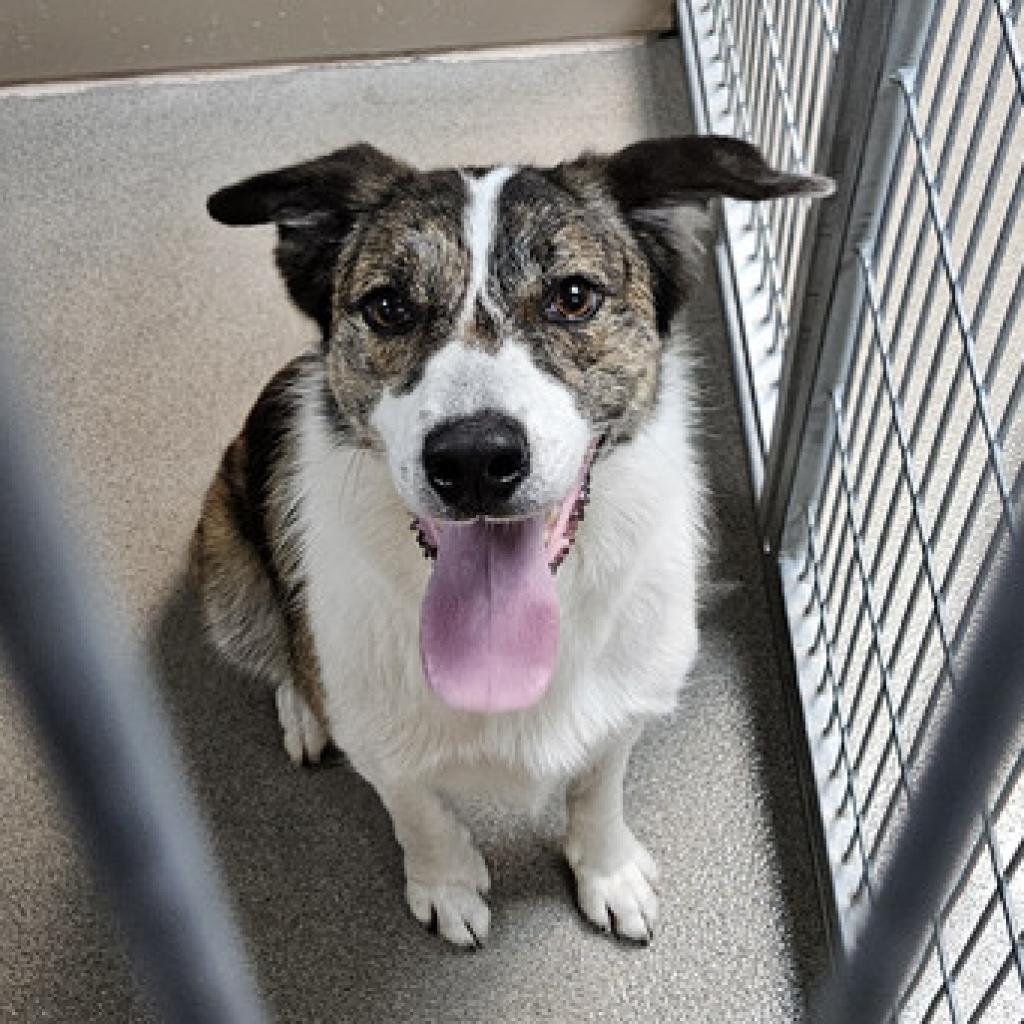
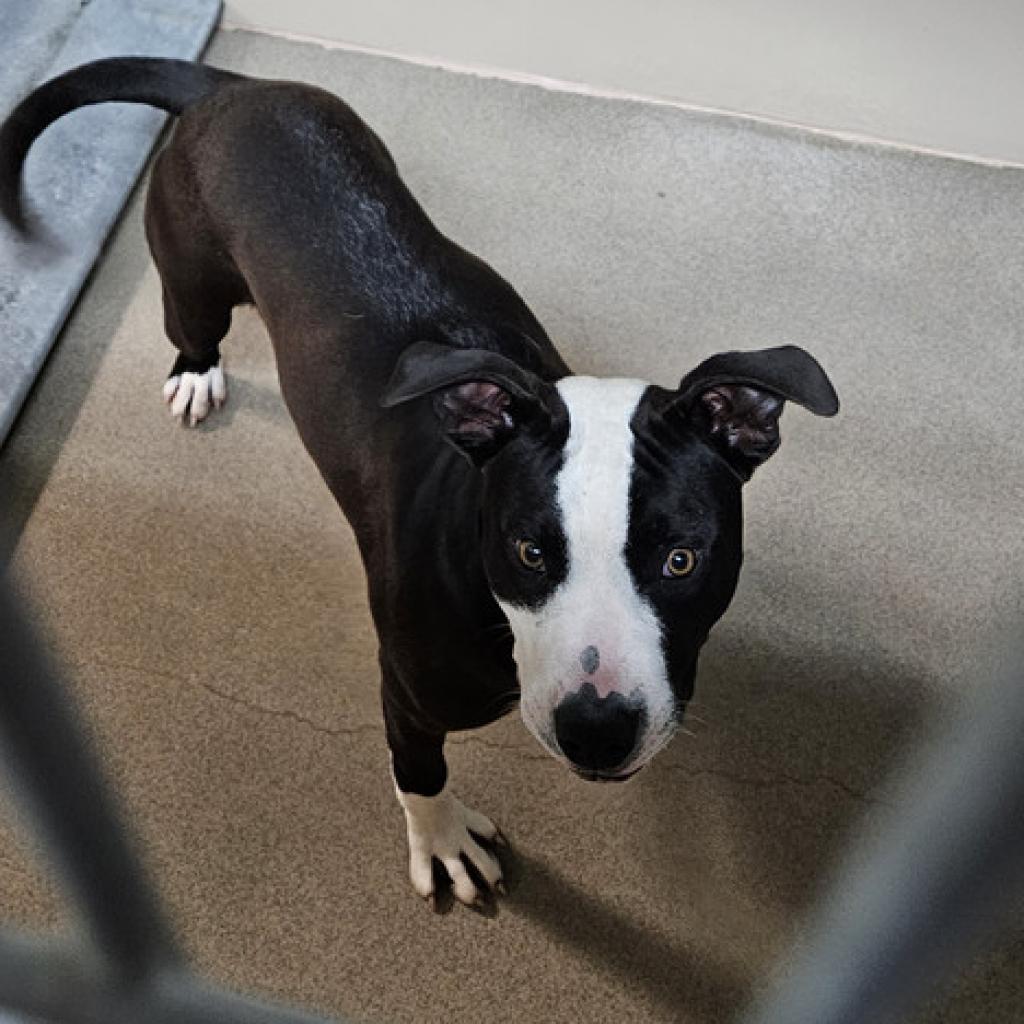
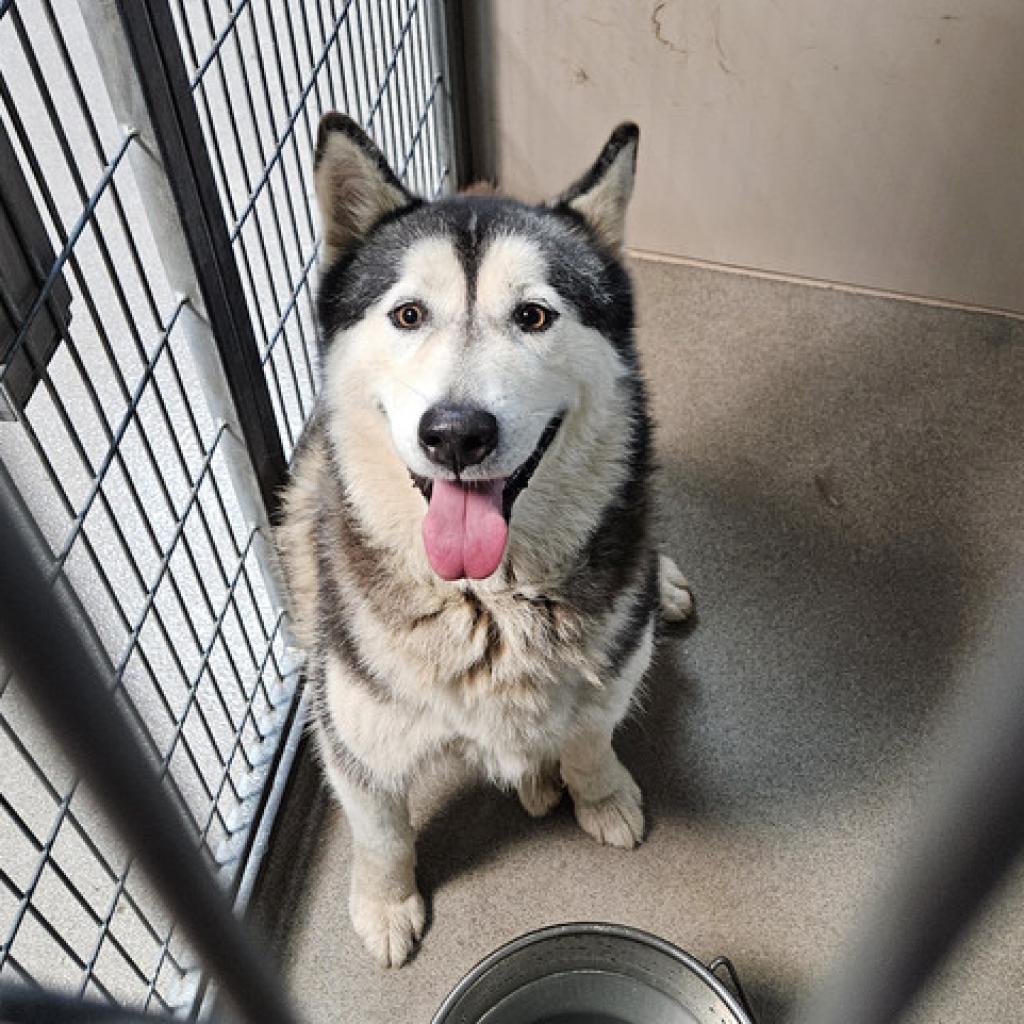
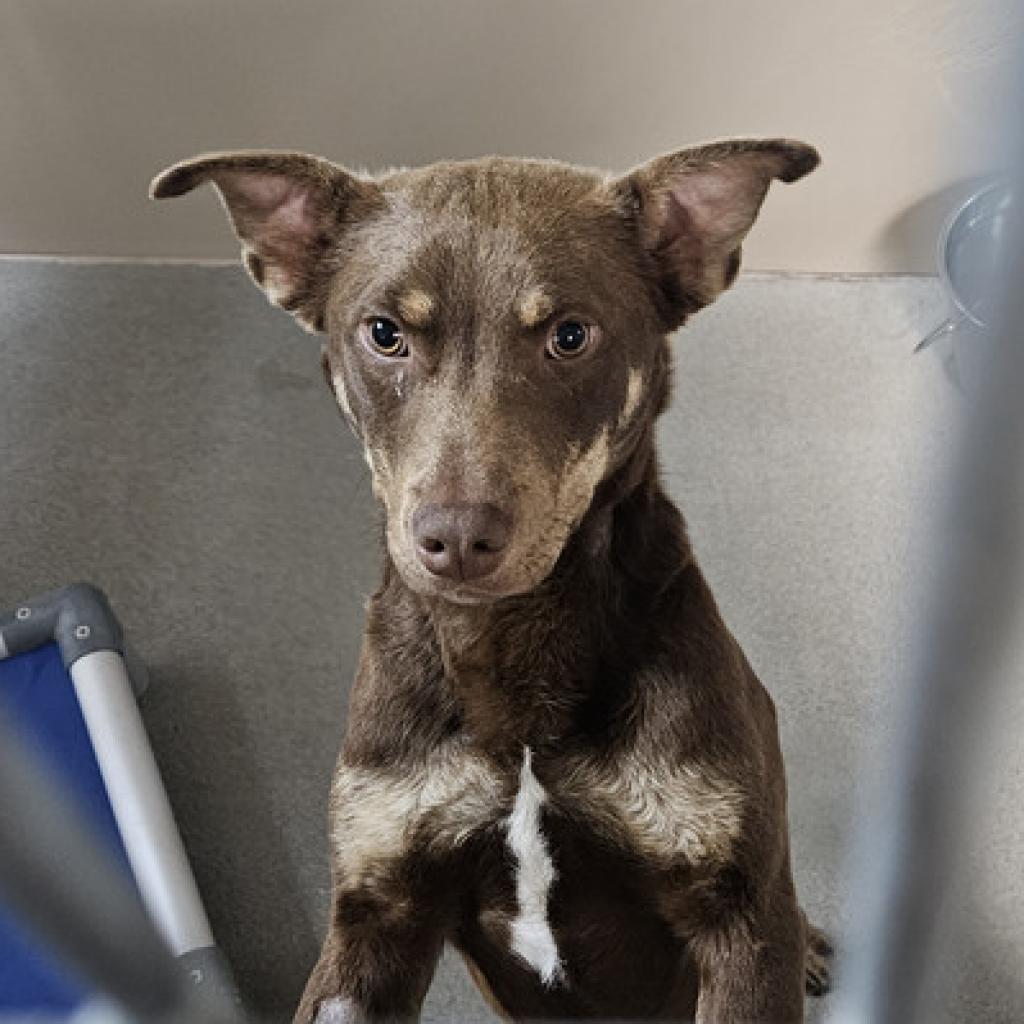
Helping Paws: Shepherds, Chihuahuas and mastiffs

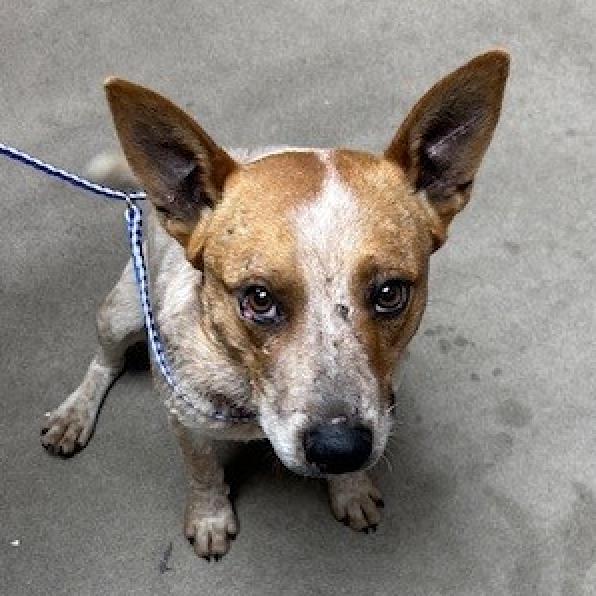
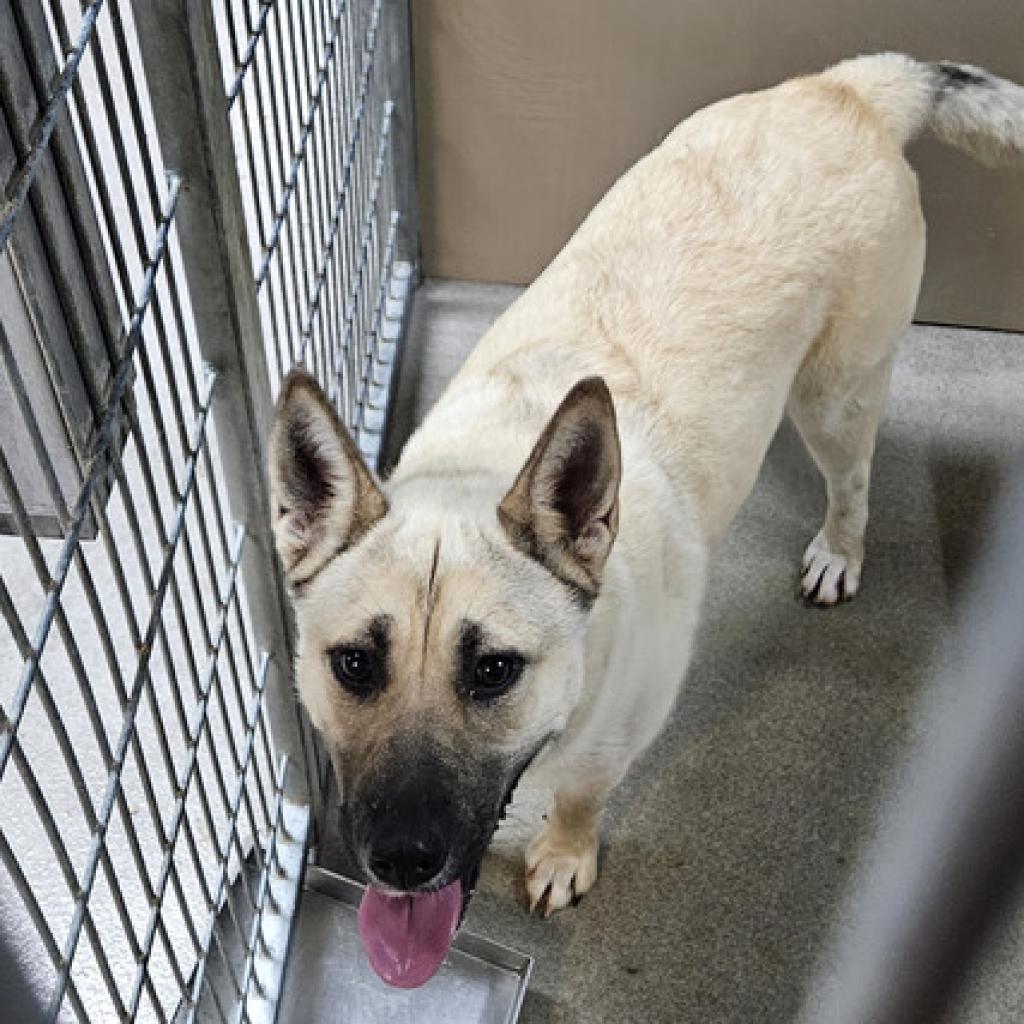
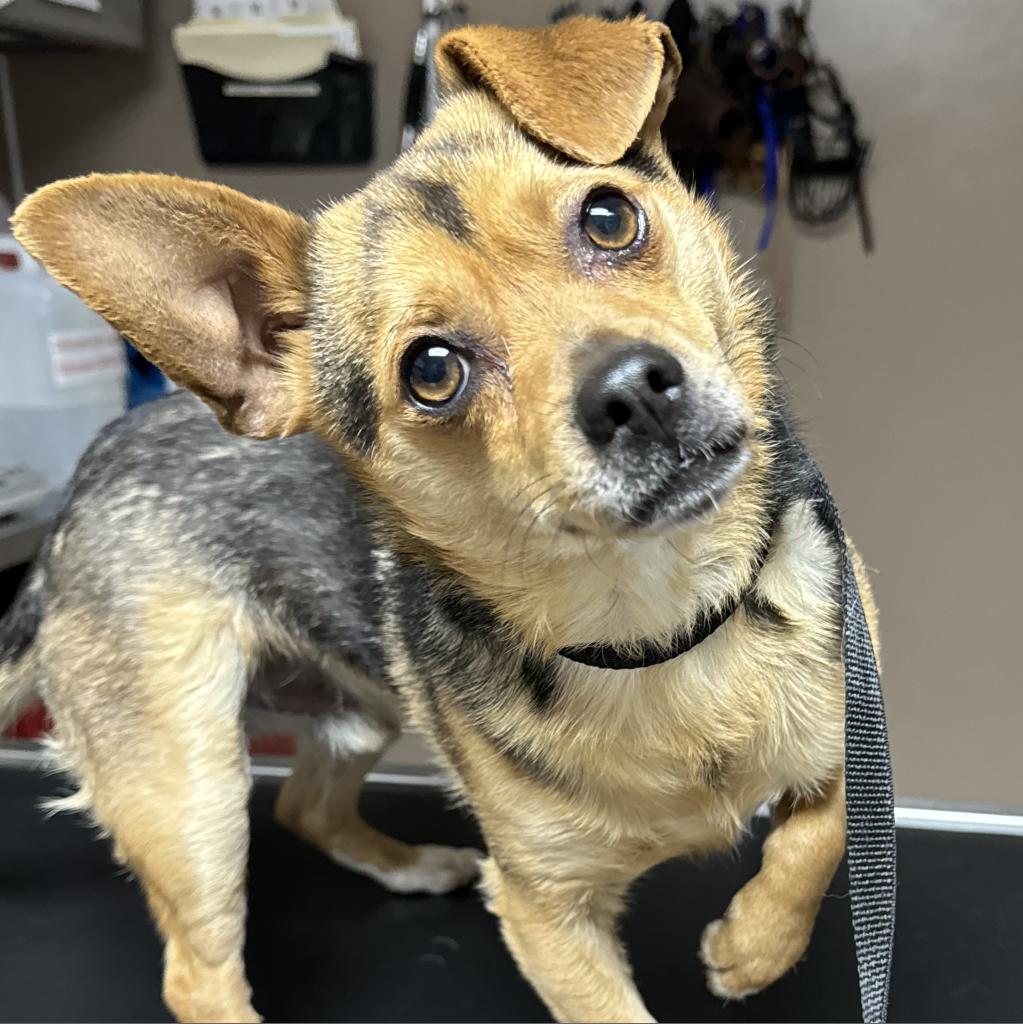
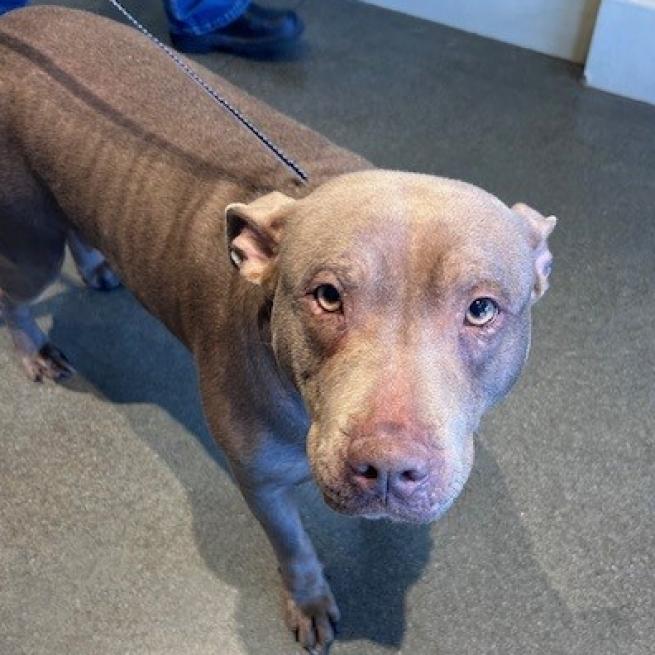
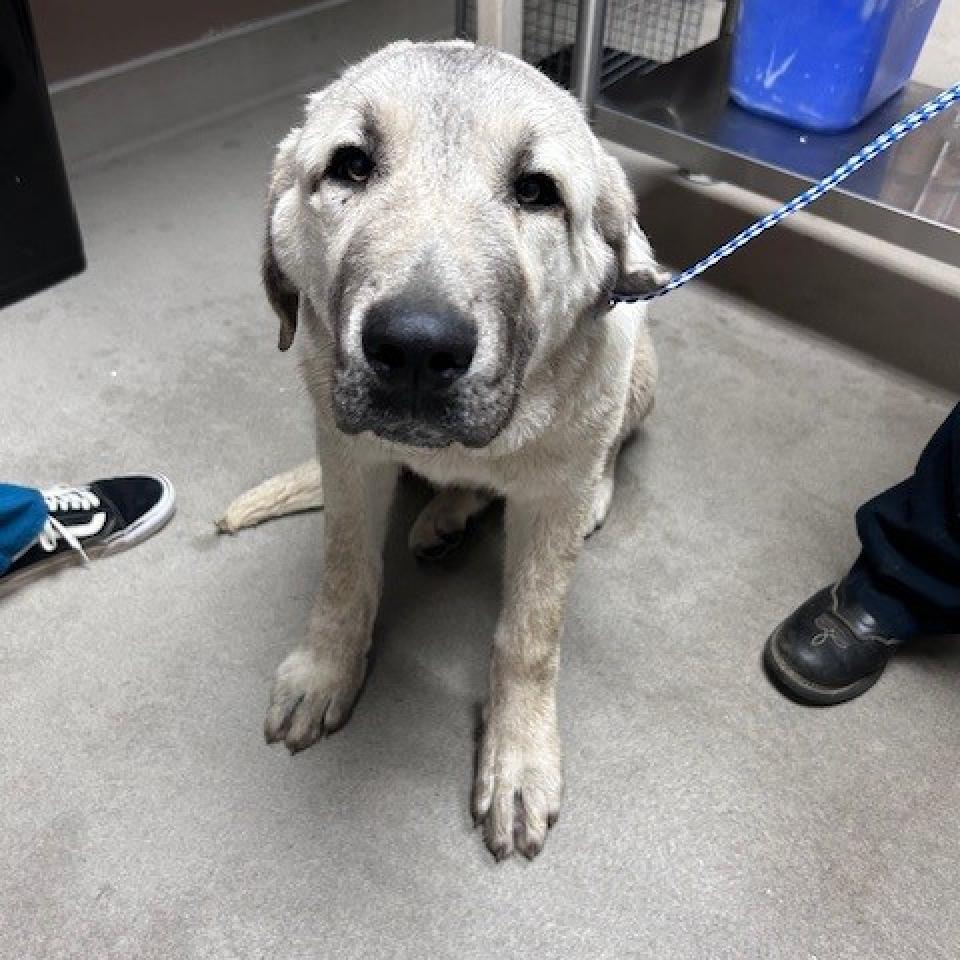
LAKE COUNTY, Calif. — Lake County Animal Care and Control has many dogs — young and old — ready for adoption this week.

Dogs available for adoption this week include mixes of Alaskan husky, Anatolian shepherd, Australian cattle dog, Australian terrier, Cane Corso, Chihuahua, German shepherd, hound, Labrador Retriever, mastiff, pit bull terrier, Rottweiler and terrier.

Dogs that are adopted from Lake County Animal Care and Control are either neutered or spayed, microchipped and, if old enough, given a rabies shot and county license before being released to their new owner. License fees do not apply to residents of the cities of Lakeport or Clearlake.

Those dogs and the others shown on this page at the Lake County Animal Care and Control shelter have been cleared for adoption.

Call Lake County Animal Care and Control at 707-263-0278 or visit the shelter online for information on visiting or adopting.

The shelter is located at 4949 Helbush in Lakeport.

Email Elizabeth Larson at This email address is being protected from spambots. You need JavaScript enabled to view it.. Follow her on Twitter, @ERLarson, or Lake County News, @LakeCoNews.


Kennel#16(Beau)'s preview photo
Kennel#16(Beau)

Kennel#5's preview photo
Kennel#5

Kennel#22's preview photo
Kennel#22

Foster#7134(Crusty)'s preview photo
Foster#7134(Crusty)

Kennel#28(Tucker)'s preview photo
Kennel#28(Tucker)

Kennel#26's preview photo
Kennel#26

Kennel#30's preview photo
Kennel#30


Kennel#14's preview photo
Kennel#14

Kennel#4's preview photo
Kennel#4

Kennel#31's preview photo
Kennel#31

Kennel#2's preview photo
Kennel#2

 
Kennel#25(Napa)'s preview photo
Kennel#25(Napa)

Kennel#3(Jet)'s preview photo
Kennel#3(Jet)

Kennel#34's preview photo
Kennel#34

Kennel#7's preview photo
Kennel#7

Kennel#9's preview photo
Kennel#9

Kennel#27's preview photo
Kennel#27

Kennel#10's preview photo
Kennel#10

Kennel#13's preview photo
Kennel#13

Kennel#20's preview photo
Kennel#20


Kennel#21(Coco)'s preview photo
Kennel#21(Coco)
 
Details
Written by: Elizabeth Larson
Published: 26 May 2024

I want to keep my child safe from abuse − but research tells me I’m doing it wrong


Protecting your child may require some open − and difficult − conversations. shapecharge/E+ via Getty Images

Child sexual abuse is uncomfortable to think about, much less talk about. The idea of an adult engaging in sexual behaviors with a child feels sickening. It’s easiest to believe that it rarely happens, and when it does, that it’s only to children whose parents aren’t protecting them.

This belief stayed with me during my early days as a parent. I kept an eye out for creepy men at the playground and was skeptical of men who worked with young children, such as teachers and coaches. When my kids were old enough, I taught them what a “good touch” was, like a hug from a family member, and what a “bad touch” was, like someone touching their private parts.

But after nearly a quarter-century of conducting research – 15 years on family violence, another eight on child abuse prevention, including sexual abuse – I realized that many people, including me, were using antiquated strategies to protect our children.

As the founder of the Center for Violence Prevention Research, I work with organizations that educate their communities and provide direct services to survivors of child sexual abuse. From them, I have learned much about the everyday actions all of us can take to help keep our children safe. Some of it may surprise you.

Wrong assumptions

First, my view of what constitutes child sexual abuse was too narrow. Certainly, all sexual activities between adults and children are a form of abuse.

But child sexual abuse also includes nonconsensual sexual contact between two children. It includes noncontact offenses such as sexual harassment, exhibitionism and using children to produce imagery of sexual abuse. Technology-based child sexual abuse is rising quickly with the rapid evolution of internet-based games, social media, and content generated by artificial intelligence. Reports to the National Center for Missing & Exploited Children of online enticements increased 300% from 2021 to 2023.

My assumption that child sexual abuse didn’t happen in my community was wrong too. The latest data shows that at least 1 in 10 children, but likely closer to 1 in 5, experience sexual abuse. Statistically, that’s at least two children in my son’s kindergarten class.

Child sexual abuse happens across all ethnoracial groups, socioeconomic statuses and all gender identities. Reports of female victims outnumber males, but male victimization is likely underreported because of stigma and cultural norms about masculinity.

I’ve learned that identifying the “creepy man” at the playground is not an effective strategy. At least 90% of child sexual abusers know their victims or the victims’ family prior to offending. Usually, the abuser is a trusted member of the community; sometimes, it’s a family member.

In other words, rather than search for a predator in the park, parents need to look at the circle of people they invite into their home.

To be clear, abuse by strangers does happen, and teaching our kids to be wary of strangers is necessary. But it’s the exception, not the norm, for child sexual abuse offenses.

Most of the time, it’s not even adults causing the harm. The latest data shows more than 70% of self-reported child sexual abuse is committed by other juveniles. Nearly 1 in 10 young people say they caused some type of sexual harm to another child. Their average age at the time of causing harm is between 14 and 16.

Drastic changes in behavior – either positive or negative – can be an indication of potential sexual abuse.

Now for a bit of good news: The belief that people who sexually abuse children are innately evil is an oversimplification. In reality, only about 13% of adults and approximately 5% of adolescents who sexually harm children commit another sexual offense after five years. The recidivism rate is even lower for those who receive therapeutic help.

By contrast, approximately 44% of adults who commit a felony of any kind will commit another offense within a year of prison release.

What parents can do

The latest research says uncomfortable conversations are necessary to keep kids safe. Here are some recommended strategies:

Avoid confusing language. “Good touches” and “bad touches” are no longer appropriate descriptors of abuse. Harmful touches can feel physically good, rather than painful or “bad.” Abusers can also manipulate children to believe their touches are acts of love.

The research shows that it’s better to talk to children about touches that are “OK” or “not OK,” based on who does the touching and where they touch. This dissipates the confusion of something being bad but feeling good.

These conversations require clear identification of all body parts, from head and shoulders to penis and vagina. Using accurate anatomical labels teaches children that all body parts can be discussed openly with safe adults. Also, when children use accurate labels to disclose abuse, they are more likely to be understood and believed.

One tip: Teach children the anatomical names for their body parts, not “code” or “cute” names.

Encourage bodily autonomy. Telling my children that hugs from family members were universally good touches was also wrong. If children think they have to give hugs on demand, it conveys the message they do not have authority over their body.

Instead, I watch when my child is asked for a hug at family gatherings – if he hesitates, I advocate for him. I tell family members that physical touch is not mandatory and explain why – something like: “He prefers a bit more personal space, and we’re working on teaching him that he can decide who touches him and when. He really likes to give high-fives to show affection.” A heads-up: Often, the adults are put off, at least initially.

In my family, we also don’t allow the use of guilt to encourage affection. That includes phrases like: “You’ll make me sad if you don’t give me a hug.”

Promote empowerment. Research on adult sexual offenders found the greatest deterrence to completing the act was a vocal child – one who expressed their desire to stop, or said they would tell others.

Monitor your child’s social media. Multiple studies show that monitoring guards against sexting or viewing of pornography, both of which are risk factors for child sexual abuse. Monitoring can also reveal permissive or dangerous sexual attitudes the child might have.

Talk to the adults in your circle. Ask those watching your child how they plan to keep your child safe when in their care. Admittedly, this can be an awkward conversation. I might say, “Hey, I have a few questions that might sound weird, but I think they’re important for parents to ask. I’m sure my child will be safe with you, but I’m trying to talk about these things regularly, so this is good practice for me.” You may need to educate them on what the research shows.

Ask your child’s school what they’re doing to educate students and staff about child sexual abuse. Many states require schools to provide prevention education; recent research suggests these programs help children protect themselves from sexual abuse.

Talk to your child’s sports or activity organization. Ask what procedures are in place to keep children safe. This includes their screening and hiring practices, how they train and educate staff, and their guidelines for reporting abuse. The Centers for Disease Control and Prevention provides a guide for organizations on keeping children safe.

Rely on updated research. Finally, when searching online for information, look for research that’s relatively recent – dated within the past five years. These studies should be published in peer-reviewed journals.

And then be prepared for a jolt. You may discover the conventional wisdom you’ve clung to all these years may be based on outdated – and even harmful – information.The Conversation

Melissa Bright, Founder and Executive Director, Center for Violence Prevention Research; Affiliate Faculty with the Crimes Against Children Research Center, University of New Hampshire

This article is republished from The Conversation under a Creative Commons license. Read the original article.

Details
Written by: Melissa Bright, University of New Hampshire
Published: 26 May 2024

PG&E plans May 29 virtual town hall

LAKE COUNTY, Calif. — Pacific Gas and Electric Co. invites North Coast customers to a virtual town hall to learn more about work in the region, wildfire safety program updates and resources to keep the community safe.

On Wednesday, May 29 from 5:30 to 7 p.m., PG&E experts, including Regional Vice President Dave Canny, will provide a brief presentation during which participants will have the opportunity to ask questions.

The event can be accessed through this link or by phone. Dial-in at 888-282-0377, conference ID is 7793612.

Access also can be gained by visiting PG&E’s website.

The town hall will cover Lake, Humboldt, Marin, Mendocino, Napa, Siskiyou, Sonoma and Trinity counties.

American Sign Language interpretation will be available. For the full webinar events schedule, additional information on how to join and to view past event recordings and presentation materials, visit the PG&E webinars website.
Details
Written by: LAKE COUNTY NEWS REPORTS
Published: 26 May 2024

Space News: NASA’s TESS finds intriguing world sized between Earth, Venus

Gliese 12 b, which orbits a cool red dwarf star located just 40 light-years away, promises to tell astronomers more about how planets close to their stars retain or lose their atmospheres. In this artist’s concept, Gliese 12 b is shown retaining a thin atmosphere. Photo courtesy of NASA/JPL-Caltech/R. Hurt (Caltech-IPAC).

Using observations by NASA’s TESS, or Transiting Exoplanet Survey Satellite, and many other facilities, two international teams of astronomers have discovered a planet between the sizes of Earth and Venus only 40 light-years away. Multiple factors make it a candidate well-suited for further study using NASA’s James Webb Space Telescope.

TESS stares at a large swath of the sky for about a month at a time, tracking the brightness changes of tens of thousands of stars at intervals ranging from 20 seconds to 30 minutes. Capturing transits — brief, regular dimmings of stars caused by the passage of orbiting worlds — is one of the mission’s primary goals.

“We’ve found the nearest, transiting, temperate, Earth-size world located to date,” said Masayuki Kuzuhara, a project assistant professor at the Astrobiology Center in Tokyo, who co-led one research team with Akihiko Fukui, a project assistant professor at the University of Tokyo. “Although we don’t yet know whether it possesses an atmosphere, we’ve been thinking of it as an exo-Venus, with similar size and energy received from its star as our planetary neighbor in the solar system.”

The host star, called Gliese 12, is a cool red dwarf located almost 40 light-years away in the constellation Pisces. The star is only about 27% of the Sun’s size, with about 60% of the Sun’s surface temperature.

The newly discovered world, named Gliese 12 b, orbits every 12.8 days and is Earth’s size or slightly smaller — comparable to Venus. Assuming it has no atmosphere, the planet has a surface temperature estimated at around 107 degrees Fahrenheit (42 degrees Celsius).

Astronomers say that the diminutive sizes and masses of red dwarf stars make them ideal for finding Earth-size planets. A smaller star means greater dimming for each transit, and a lower mass means an orbiting planet can produce a greater wobble, known as “reflex motion,” of the star. These effects make smaller planets easier to detect.

The lower luminosities of red dwarf stars also means their habitable zones — the range of orbital distances where liquid water could exist on a planet’s surface — lie closer to them. This makes it easier to detect transiting planets within habitable zones around red dwarfs than those around stars emitting more energy.

The distance separating Gliese 12 and the new planet is just 7% of the distance between Earth and the Sun. The planet receives 1.6 times more energy from its star as Earth does from the Sun and about 85% of what Venus experiences.

“Gliese 12 b represents one of the best targets to study whether Earth-size planets orbiting cool stars can retain their atmospheres, a crucial step to advance our understanding of habitability on planets across our galaxy,” said Shishir Dholakia, a doctoral student at the Centre for Astrophysics at the University of Southern Queensland in Australia. He co-led a different research team with Larissa Palethorpe, a doctoral student at the University of Edinburgh and University College London.

Both teams suggest that studying Gliese 12 b may help unlock some aspects of our own solar system’s evolution.

“It is thought that Earth’s and Venus’s first atmospheres were stripped away and then replenished by volcanic outgassing and bombardments from residual material in the solar system,” Palethorpe explained. “The Earth is habitable, but Venus is not due to its complete loss of water. Because Gliese 12 b is between Earth and Venus in temperature, its atmosphere could teach us a lot about the habitability pathways planets take as they develop.”

One important factor in retaining an atmosphere is the storminess of its star. Red dwarfs tend to be magnetically active, resulting in frequent, powerful X-ray flares. However, analyses by both teams conclude that Gliese 12 shows no signs of extreme behavior.

A paper led by Kuzuhara and Fukui was published May 23 in The Astrophysical Journal Letters. The Dholakia and Palethorpe findings were published in Monthly Notices of the Royal Astronomical Society on the same day.

During a transit, the host star’s light passes through any atmosphere. Different gas molecules absorb different colors, so the transit provides a set of chemical fingerprints that can be detected by telescopes like Webb.

“We know of only a handful of temperate planets similar to Earth that are both close enough to us and meet other criteria needed for this kind of study, called transmission spectroscopy, using current facilities,” said Michael McElwain, a research astrophysicist at NASA’s Goddard Space Flight Center in Greenbelt, Maryland, and a co-author of the Kuzuhara and Fukui paper. “To better understand the diversity of atmospheres and evolutionary outcomes for these planets, we need more examples like Gliese 12 b.”

TESS is a NASA Astrophysics Explorer mission managed by NASA Goddard and operated by MIT in Cambridge, Massachusetts. Additional partners include Northrop Grumman, based in Falls Church, Virginia; NASA’s Ames Research Center in California’s Silicon Valley; the Center for Astrophysics | Harvard & Smithsonian in Cambridge, Massachusetts; MIT’s Lincoln Laboratory; and the Space Telescope Science Institute in Baltimore. More than a dozen universities, research institutes, and observatories worldwide are participants in the mission.

Francis Reddy works for NASA’s Goddard Space Flight Center in Greenbelt, Maryland.

Gliese 12 b’s estimated size may be as large as Earth or slightly smaller — comparable to Venus in our solar system. This artist’s concept compares Earth with different possible Gliese 12 b interpretations, from one with no atmosphere to one with a thick Venus-like one. Follow-up observations with NASA’s James Webb Space Telescope could help determine just how much atmosphere the planet retains as well as its composition. Photo courtesy of NASA/JPL-Caltech/R. Hurt (Caltech-IPAC).
Details
Written by: Francis Reddy
Published: 26 May 2024
  1. Public advised to use caution due to increasing cyanobacteria levels detected in Clear Lake
  2. Clearlake Animal Control: ‘Ella,’ ‘Rock’ and 'Rose'
  3. Senate approves Dodd wildfire safety bills

Subcategories

Community

  • 662
  • 663
  • 664
  • 665
  • 666
  • 667
  • 668
  • 669
  • 670
  • 671
How to resolve AdBlock issue?
Refresh this page
Copyright © 2026 Lake County News,California. All Rights Reserved.