How to resolve AdBlock issue?
Refresh this page
Lake County News,California
  • Home
    • Registration Form
  • News
    • Education
    • Veterans
    • Community
      • Obituaries
      • Letters
      • Commentary
    • Police Logs
    • Business
    • Recreation
    • Health
    • Religion
    • Legals
    • Arts & Life
    • Regional
  • Calendar
  • Contact us
    • FAQs
    • Phones, E-Mail
    • Subscribe
  • Advertise Here
  • Login
How to resolve AdBlock issue?
Refresh this page

News

State attorney general secures preliminary injunction restoring Americorps programs, funding

California Attorney General Rob Bonta on Thursday secured a decision by the U.S. District Court for the District of Maryland largely blocking the Trump Administration from dismantling AmeriCorps while multistate litigation proceeds.

AmeriCorps is an independent federal agency tasked with engaging Americans in meaningful community-based service that directly addresses the country’s educational, public safety, and environmental needs.

"Common sense has prevailed over cruelty. The court is rightly siding with volunteers and service workers. Today, we're doing right by John F. Kennedy and Sargent Shriver and all those who put others before themselves,” said Gov. Gavin Newsom.

In February 2025, the Trump Administration issued an executive order directing every federal agency to plan to reduce their workforce and scale back their functions.

AmeriCorps subsequently shuttered its National Civilian Community Corps program and placed at least 85% of its permanent workforce on administrative leave, notifying these employees that they would be terminated effective June 24.

And at the end of April, California received notice from the federal government that its AmeriCorps grant programs had been terminated.

Attorney General Bonta, along with the attorneys general of Maryland, Delaware, and Colorado, led a coalition of 23 attorneys general and two states in suing to stop the dismantling of the agency.

The district court’s order grants the states’ request to restore AmeriCorps programs, including the volunteer servicemembers who support them, in California and in the other plaintiff states and reverse the shuttering of the National Civilian Community Corps program, while denying preliminary relief to address the layoff of AmeriCorps’ permanent staff.

“AmeriCorps volunteers represent the best parts of America. They are selfless and eager to serve their country – but the reality is, many of them wouldn’t be able to do so without the programs supported by AmeriCorps,” said Attorney General Bonta. “Today’s decision ensures this vital service work that brings volunteers directly into California communities will continue while we make our case in court. We will not stop fighting until we secure a permanent decision protecting AmeriCorps and the thousands of hardworking volunteers who have dedicated themselves to public service.”

AmeriCorps supports national and state community service programs by providing opportunities for Americans to serve their communities and by awarding grants to local, state, and national organizations and agencies which use funding to address critical community needs.

These organizations and agencies use AmeriCorps funding to recruit, place, and supervise AmeriCorps members nationwide.

AmeriCorps members and volunteers have connected veterans to essential services, fought the opioid epidemic, helped older adults age with dignity, rebuilt communities after disasters, and improved the physical and mental well-being of millions of Americans.

In 2024, more than 6,150 California members served at least 1,200 locations, including schools, food banks, homeless shelters, health clinics, youth centers, veterans’ facilities, and other nonprofit and faith-based organizations.

AmeriCorps invested more than $133 million in federal funding to California that same year to support cost-effective community solutions, working with local partners on the ground to help communities tackle their toughest challenges.

In the 2023-24 service year, AmeriCorps members in California:

  • Provided 4,397,674 hours of service.
    • Tutored/mentored 73,833 students.
    • Supported 17,000 foster youth with education and employment.
    • Planted 39,288 trees.
    • Members helped 26,000 households impacted by the LA fires and packed 21,000 food boxes.

Time travel to 2050: Lakeport Rotary to bury community time capsule

LAKEPORT, Calif. — The Rotary Club of Lakeport invites the community to take a journey through time, straight to the year 2050.

As part of its 100th anniversary celebration, the club will bury a community time capsule at Xabatin Community Park in Lakeport, capturing a snapshot of life in 2025 and the spirit of Rotary today.

Founded on May 6, 1925, the Rotary Club of Lakeport has been a cornerstone of service in Lake County for a full century.

The club will celebrate this major milestone at its Centennial Gala on Aug. 9.

The community is invited to join the Rotary on June 25 at 5:30 p.m. in Xabatin Community Park for a special Rotary After Dark event as they inter the capsule.

The evening will commemorate the past 100 years while planting memories for the next generation.

The capsule will remain buried until 2050, offering future Rotarians and community members a rare glimpse into life as we know it today.

The capsule will include contributions from local Rotarians and Friends of Rotary, including:

• Letters to future Rotarians.
• Photos and printed materials from local events.
• Business memorabilia and keepsakes that reflect Rotary partnerships and community life.
• Rotary newsletters and memorabilia from projects and events.
• Letters from local students, sharing their experiences and dreams — to be read in 2050.

“This time capsule is more than a celebration of our history — it’s a gift to the future,” said Pam Harpster, president of the Rotary Club of Lakeport. “It’s a way to preserve our stories, community spirit and the voices of young people growing up in Lake County in 2025.”

In addition to the time capsule, plans are underway for special landscaping near the historic Curfew Bell — a project that will enhance the beauty and significance of the space for years to come. Watch as the project unfolds at Xabatin Community Park.

Chartered in 1925, the Rotary Club of Lakeport is part of Rotary International, a global service organization with over 1.4 million members. The club supports local service projects, scholarships, youth development, and international initiatives such as the eradication of polio through Rotary’s Polio Plus campaign.

Middletown Pocket Park Project community workshops planned

LAKE COUNTY, Calif. — The Parks, Recreation and Trails Division of the Lake County Public Services Department is inviting the public to participate in workshops to help plan the design of a “pocket park.”

The park will be located on property in Middletown owned by Sutter Health and proposed to be leased to the county for park development.

An in-person open house to gather public input and ideas for the pocket park will be held on Wednesday, June 11, from 3 to 6 p.m.

Community members can stop by the Middletown Square gazebo, located in front of the library and senior center, to share their ideas.

A second meeting with a presentation by the County of Lake and GSM Landscape Architects Inc. will take place on Thursday, June 12, at 6 p.m. online via Zoom.

Public Services staff and representatives from GSM will be available to listen to your ideas and feedback at both workshops.

If you have any questions, please contact the Lake County Department of Public Services at 707-262-1618, Monday through Friday from 8 a.m. to 5 p.m. or email This email address is being protected from spambots. You need JavaScript enabled to view it..

State Senate approves affordability bills package

On Wednesday, the State Senate overwhelmingly passed a package of affordability bills aimed at delivering both immediate relief and long-term solutions for working families across the Golden State.

Proponents said the three-pillar legislative package — focused on the critical areas of energy affordability, housing affordability and expanding good middle class jobs — is an aggressive effort to make California more livable, affordable and competitive.

Announced earlier this year, the package “is the result of months of determined work to deliver real relief to Californians,” according to a statement from Senate Pro Tem Mike McGuire.

The three bills — SB 254 by Senator Josh Becker, SB 681 by Senator Dr. Aisha Wahab, and SB 638 by Sen. Steve Padilla — will help rein in skyrocketing housing and utility costs, all while building pathways to good-paying middle class jobs.

McGuire’s office said the package delivers comprehensive solutions that directly confront the affordability crisis — making California a more affordable place to live, work and raise a family.

After passing this critical hurdle, the bills now head to the Assembly.

“Today, Senate Democrats took decisive action to put Californians first,” said McGuire (D-North Coast). “These three bills will help thousands become first-time home buyers, lower utility bills, build more housing in every corner of California, and expand career training programs across the state. Senators have responded to this moment with the urgency it deserves, but we know there’s much more work to do. Stay tuned in the months to come.”

“With strong and united support, today the Senate took its most ambitious step yet to rein in rising energy costs,” said Sen. Josh Becker (D-Menlo Park). “This bill will lower monthly utility costs while curbing outrageous profits and unchecked rate hikes from utilities, so families can afford their monthly bills, keep the roof over their head, and live with greater security. SB 254 is proof that we can build a clean energy future without leaving working families behind.”

“Californians have been pushed to the brink by out-of-control housing costs. Today's Senate Floor actions are a step in the right direction and represent our commitment to bringing relief to housing burdened Californians,” said Sen. Dr. Aisha Wahab (D-Silicon Valley). “This bill will greatly expand the number of first time homebuyers, help make rents more affordable for millions, and increase opportunities for affordable housing construction in big cities and small towns.”

The California Dream shouldn’t be limited to narrow paths to achieve the knowledge and skills needed to contribute to California’s economy,” said Senator Steve Padilla (D-San Diego). “Too many young people are channeled into low-wage service jobs while thousands of skilled, high-wage jobs go unfilled. Our economy is reliant upon those skilled tradespeople, but our educational system isn’t designed for those demands. That must change. Senate Bill 638 will finally focus and broaden state efforts to ensure Californians have access to the training and opportunities they need to succeed.”

Wednesday’s vote follows months of work from the Senate’s Affordability Working Group.

The group is co-chaired by Senator Steve Padilla (D-San Diego) and Senator Dr. Aisha Wahab (D-Silicon Valley), and includes the following senators: Jesse Arreguín (D-Berkeley), Angelique Ashby (D-Sacramento), Tim Grayson (D-Concord), Melissa Hurtado (D-Bakersfield), Sasha Renée Pérez (D-Pasadena), Susan Rubio (D-Baldwin Park), and Lola Smallwood-Cuevas (D-Los Angeles).

The Affordability Working Group will continue to focus on the areas of energy, housing, and workforce on behalf of all Californians.

1 in 4 children suffers from chronic pain − school nurses could be key to helping them manage it


Mental heath approaches beat medication in treating children’s chronic pain. andresr/E+ via Getty Images

Joint pain, headaches, stomachaches, fibromyalgia – the list sounds like an inventory of ailments that might plague people as they age. Yet these are chronic, painful conditions that frequently affect children.

People often imagine childhood as a time when the body functions at its best, but about 25% of children experience chronic pain. I was one of them: Starting in elementary school, migraines incapacitated me for hours at a stretch with excruciating pain that made it impossible to go to school, much less talk to friends or have fun.

As a licensed pediatric pain psychologist, I develop and test psychological care strategies for children who experience chronic pain. Effective treatments exist, but they are often not accessible, particularly for families that don’t live near major medical centers or have adequate health insurance. My colleagues and I are working to change that by training school nurses and other community health providers to deliver such care.

More than growing pains

Chronic pain in children is not only widespread but also persistent. Many continue to experience symptoms for years on end. For example, one-third of children with abdominal pain experience symptoms that last into adulthood. Children with chronic pain are also more likely to come from families that have less income, have greater health care barriers, report more safety concerns about their environment and experience greater exposure to violence than those without chronic pain.

These conditions interfere with daily life. Children with chronic pain miss about 1 in 5 days of school. Consequently, their academics suffer and they are less likely to graduate from high school. Mental health conditions such as anxiety and depression are common.

Experiencing chronic pain in childhood also puts people at an increased risk for opioid use in adulthood, signaling a major public health concern.

Chronic pain can derail a child’s daily life.

Behavioral therapy for pain

Many adults think nothing of taking medicines such as ibuprofen or acetaminophen for minor aches and pains, but there’s little evidence that pharmacologic treatments work best for children’s chronic pain. Research suggests that such medicines are insufficient for helping children get back to their routines and activities, such as school, sports and hanging out with friends.

The most studied and perhaps most effective approach for treating chronic pain in children is cognitive behavioral therapy. This modality involves teaching children how pain works in the brain, and also training them on problem solving, relaxation methods such as deep breathing, challenging negative thoughts about pain, and pacing activities to avoid pain flares. Unlike pain medications, which wear off after a few hours, research suggests that cognitive behavioral therapy can have a lasting effect. Kids can get back to doing things they need and want to do, and they often feel better too over the long term.

My colleagues and I – along with other researchers – have developed and tested cognitive behavioral approaches for children with chronic painful conditions such as functional abdominal pain and childhood-onset lupus. These interventions not only get kids back to their daily lives but also reduce symptoms of anxiety and depression that often accompany children’s pain syndromes.

To be sure, providing interventions in the form of web-based tools or apps can improve access for children who can’t see a provider. However, we have found that children and their families are more likely to complete the course of treatment with a provider, and that automated self-management tools can complement but not replace care delivered by a provider. In fact, when cognitive behavioral therapy for children’s chronic pain is delivered exclusively through an online tool, only a third of children complete treatment.

How community providers can fill the gap

Despite the proven benefits of psychological therapies for children’s pain, few providers are trained to use them. That’s one of the most common barriers to care.

One potentially untapped resource is school nurses and other specialists who are often the first point of contact for a child with chronic pain, such as social workers and school counselors. Programs already exist to train school providers, including school nurses, in managing children’s mental health, but few of them address chronic pain.

To fill this gap, my colleagues and I have developed a program to train school nurses and other community health experts to teach children cognitive and behavioral strategies to manage their chronic pain. So far, we have trained approximately 100 school providers across Michigan, who report that the training improves pain symptoms and helps keep children in school. We are also expanding the project to address trauma and other mental health symptoms that commonly occur with chronic pain, and to support providers in discouraging substance use to manage pain in these children.

Our work suggests that this approach can empower providers to reach children in rural communities and other settings that lack access to care. By training more boots on the ground, we hope to provide children with the pain management tools they need to grow into healthy and thriving adults.The Conversation

Natoshia R. Cunningham, Associate Professor of Family Medicine, Michigan State University

This article is republished from The Conversation under a Creative Commons license. Read the original article.
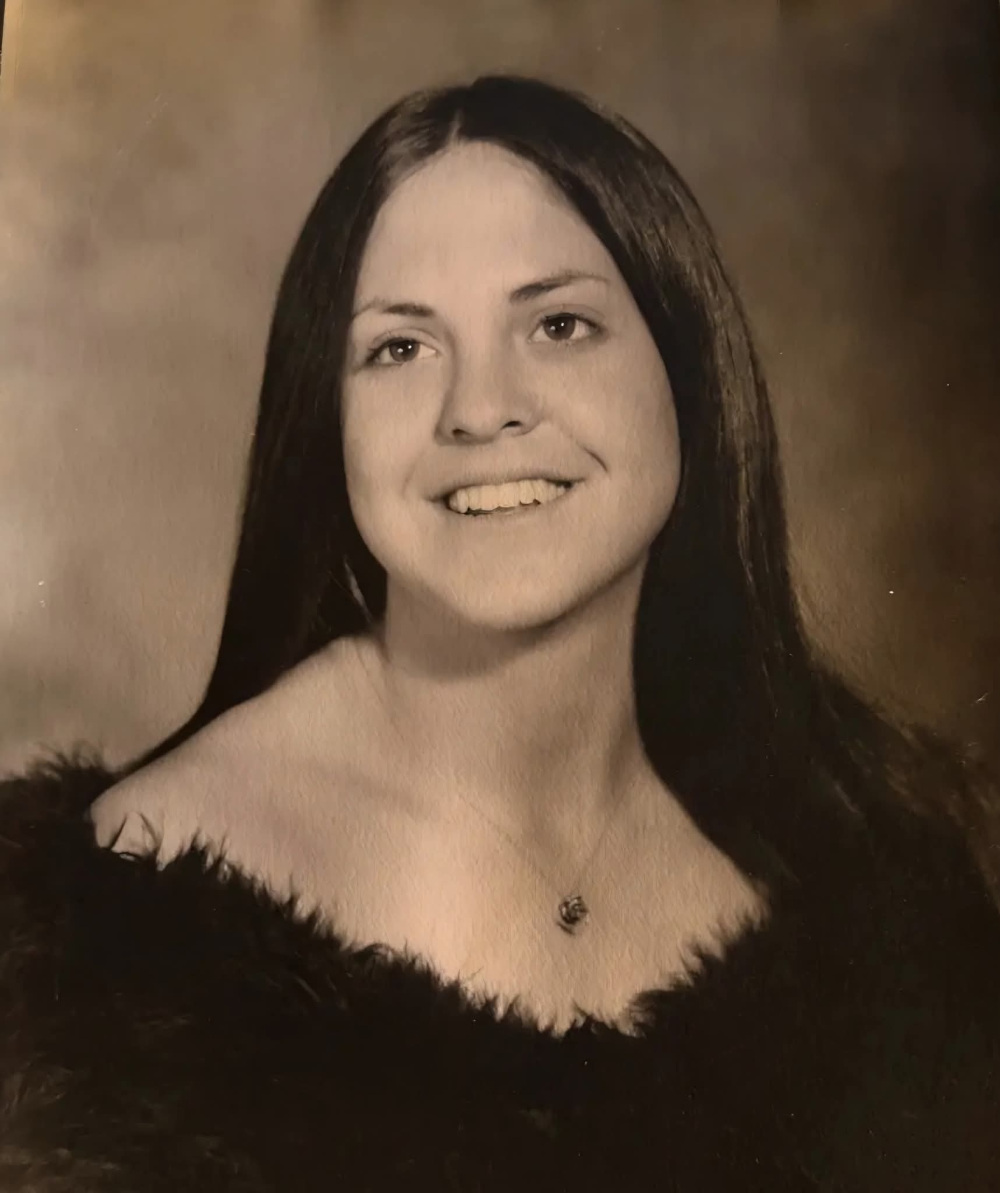

Board of Supervisors appoints Bernstein as new Public Health officer

LAKE COUNTY, Calif. — A physician with more than 40 years of experience in epidemiology and public health work has been hired to take on the job of Lake County’s Public Health officer.

On Tuesday, the Lake County Board of Supervisors emerged from closed session to announce that Robert S. Bernstein, MD, MS, MPH, PhD, has been appointed Lake County’s next Public Health officer, effective Sept. 2.

"We are very pleased Dr. Bernstein has agreed to serve as Lake County’s next Public Health Officer,” said Eddie Crandell, chair of the Lake County Board of Supervisors. “His passion for public health is clear, and his breadth of experiences and relationships will be a great asset to Lake County.”

“The Board of Supervisors’ confidence is very much appreciated,” said Bernstein. “This opportunity to bring the experiences I have gained over my career to make a true difference in Lake County’s rural communities is really special. I am really excited to get to know everyone and promote healthy communities, alongside the Board of Supervisors and Director Arton and the Health Services team.”

He succeeds Dr. Noemi Doohan, who was appointed in August of 2023. Doohan resigned effective March 31, at which point the board appointed Anju Goel, MD, MPH, for a temporary six-month term through Sept. 30.

In addition to his medical degree and certification as a specialist in public health and preventive medicine, Dr. Bernstein holds a Master of Public Health (Health Services Research and Administration) from Johns Hopkins University and likewise completed a post-doctoral fellowship in pharmacology at Yale University and a PhD in Biochemistry.

“Over more than four decades of broad-based epidemiology- and Public Health-focused work, Dr. Bernstein has become an established and trusted authority which he practices with scientific rigor, personal integrity, and cultural humility,” the county said in Bernstein’s hiring announcement. “He has published more than 60 papers in peer-reviewed journals, on a wide variety of Preventive Medicine and Public Health topics, based on work carried out in the United States, Asia, Africa, Eastern Europe and the Middle East.”

Dr. Bernstein recently served as a medical consultant for the California Department of Public Health and has held leadership positions with state and county agencies in Florida and California, including rural Butte and Tuolumne counties.

His professional journey has likewise included training as a Centers for Disease Control and Prevention “Disease Detective” in the CDC Epidemic Intelligence Service, and CDC assignments with USAID, UNICEF and the World Health Organization.

Dr. Bernstein has been relied on to provide recommendations to the president of the United States and directors of the CDC and FEMA, among many others, the county reported.

“Teaching and mentorship roles in applied epidemiology, including long-term work as an adjunct assistant professor at Emory University’s Rollins School of Public Health, have deepened his theoretical understanding, and brought a chance to help raise up generations of public health professionals,” the county reported.

Bernstein is a proud father of 20-year-old triplets: one serves in the United States Air Force, and the other two are college sophomores aiming for careers in nursing and in mental health counseling. Each of his children speak multiple languages.

“On behalf of Lake County Health Services, I extend my sincere congratulations to Dr. Bernstein,” adds Anthony Arton, Health Services director. “This role is essential to safeguarding the health and well-being of our residents, and we are pleased to welcome a leader who brings both expertise and a strong public health perspective.”

  • 219
  • 220
  • 221
  • 222
  • 223
  • 224
  • 225
  • 226
  • 227
  • 228

Community

  • Sheriff’s Activities League and Clearlake Bassmasters offer youth fishing clinic

  • City Nature Challenge takes place April 24 to 27

Public Safety

  • Lakeport Police logs: Wednesday, Feb. 11

  • Lakeport Police logs: Tuesday, Feb. 10

Education

  • Ramos measure requiring school officer training in use of anti-opioid drug moves forward

  • Lake County Chapter of CWA announces annual scholarships 

Health

  • California ranks 24th in America’s Health Rankings Annual Report from United Health Foundation

  • Healthy blood donors especially vital during active flu season

Business

  • Employment law summit takes place March 9

  • Two Lake County Mediacom employees earn company’s top service awards

Obituaries

  • Terry Knight

  • Ellen Thomas

Opinion & Letters

  • Who should pay for AI’s power? Not California ratepayers

  • Crandell: Supporting nephew for reelection in supervisorial race

Veterans

  • State honors fallen chief warrant officer killed in conflict in Iran

  • CalVet and CSU Long Beach team up to improve data collection related to veteran suicides

Recreation

  • April Audubon program will show how volunteers can help monitor local osprey nests

  • First guided nature walk of spring at Anderson Marsh State Historic Park April 11

  • Second Saturday guided nature walks continue at Anderson Marsh State Historic Park

  • Wet weather trail closure in effect on Upper Lake Ranger District

Religion

  • Kelseyville Presbyterian Church plans Easter service

  • Easter ‘Sonrise’ Service returns to Xabatin Community Park

Arts & Life

  • ‘CIA’ delves into the shadowy world of an espionage thriller

  • ‘War Machine’ shifts the battlefield into uncharted territory

Government & Politics

  • Lake County Democratic Central Committee endorses Falkenberg

  • Crandell launches reelection campaign plans March 15 event

Legals

  • April 23 hearing on Lake Coco Farms Major Use Permit

  • NOTICE OF 30-DAY PUBLIC COMMENT PERIOD & NOTICE OF PUBLIC HEARING

How to resolve AdBlock issue?
Refresh this page