How to resolve AdBlock issue?
Refresh this page
Lake County News,California
  • Home
    • Registration Form
  • News
    • Education
    • Veterans
    • Community
      • Obituaries
      • Letters
      • Commentary
    • Police Logs
    • Business
    • Recreation
    • Health
    • Religion
    • Legals
    • Arts & Life
    • Regional
  • Calendar
  • Contact us
    • FAQs
    • Phones, E-Mail
    • Subscribe
  • Advertise Here
  • Login
How to resolve AdBlock issue?
Refresh this page

News

New study shows California’s educators ‘stretched thin’ due to financial pressures; four in 10 thinking of leaving the profession

While 77 percent of California teachers find their jobs rewarding, four in 10 are thinking about leaving the profession due to a lack of resources at school and financial pressures at home, according to a new report released Wednesday by the California Teachers Association.

Conducted by GBAO Strategies, the “State of California's Public Schools” surveyed more than 2,000 transitional kindergarten to 12th grade public school educators across the state this school year, providing new insight about the increasing difficulty of recruiting and retaining California teachers.

“Too many educators are spread thin and can’t make ends meet,” CTA President David Goldberg said during a news conference held Tuesday. “For more than 46 years, schools have been operating in a deficit in large part due to the passage of Proposition 13. This created a shift away from investing in our schools and into profits for corporations.”

Goldberg highlighted some of the report’s findings:

• 84 percent of teachers surveyed cannot afford to live near their schools.
• 81 percent say their salaries are not keeping up with rising costs for groceries, childcare and other necessary expenses.
• 80 percent have concerns that they would not be able to cover an unexpected cost.
• 69 percent cite high, out-of-pocket costs for often inadequate health care benefits eating into their paychecks.

Carolina Gomez, a transitional kindergarten, or TK, teacher in San Diego and a single parent with five children, had a nearly impossible time finding affordable housing in one of California’ most expensive housing markets. At one point, she found it necessary to commute daily from across the border in Mexico to put a roof over her family's heads.

“I’m very grateful to have a union,” said Gomez, who participated in the CTA news conference. “My union helped me obtain affordable housing. I was fortunate. Across the state, many teachers are struggling to find a place — any place — for their families to live.”

Not only are educators struggling to find housing and pay rent, 91 percent of those who do rent say that they can’t afford to buy a home, according to the report.

Goldberg said the popular perception is that California public school teachers have generous health care benefits, but the reality is that some teachers pay as much as $1,500 per month in out-of-pocket costs.

Sacramento-area TK teacher Kristina Caswell said these exorbitant health care costs, in addition to rising housing and daycare expenses, have tightened her family budget to the point where she “thinks twice before paying for a prescription.” While she enjoys her job and loves her students and families, Caswell said the financial pressures are difficult to navigate.

Despite the financial impacts, Caswell routinely reaches into her own pocket to purchase supplies, food and other items for her classroom and students — and she’s not alone: 93 percent of educators surveyed reported routinely spending their own money to help and support their students.

The report also shows a number of alarming concerns educators have about California public schools:

• 84 percent of educators surveyed said inadequate resources for students provided by the state and school districts were a major concern, while the same number (84 percent) cited a lack of school funding.
• 68 percent specifically mentioned a lack of support for mental health issues. The report notes that California is failing at providing students with access to school counselors, with the state ranking 48th nationally for these crucial supports.
• 76 percent said overcrowded classes and a lack of staffing was a serious issue, with California ranking in the top 5 states with the largest average class sizes in the country.

“State of California's Public Schools” details the stark realities for new and veteran educators at both home and school that are causing dedicated teachers to consider leaving education.

The situation is even more dire for new educators, with one in three thinking about leaving and 92 percent citing financial reasons as the primary reason. This is compounding the ongoing teacher shortage crisis, which currently sees more than 10,000 teacher vacancies statewide.

Goldberg concluded the conference stating CTA's commitment to fighting for robust and stable revenue for public schools in the years to come: “California’s students, schools and communities deserve a more stable and robust funding system to support an equitable education system for all. This includes creative revenue-raising solutions that apply the great wealth of this state to our educational system.”

Vitamin deficiency may be why you’re so tired – a nutritional neuroscientist explains how to kickstart your energy by getting essential nutrients in a well-rounded diet, along with more sleep and exercise


It’s not necessarily overwork that is exhausting you. Daniel de la Hoz/Moment via Getty Images

Feeling drained and lethargic is common: A 2022 national survey found that 13.5% of U.S. adults said they felt “very tired” or “exhausted” most days or every day over a three-month period.

Women ages 18 to 44 had the highest rate of fatigue – just over 20%.

Being tired is linked to something deeper than just overwork or a sign of the times. I’m a registered dietitian and nutritional neuroscientist. My research, along with the work of others in the field, shows that your diet and lifestyle choices may contribute to your struggles. These two factors are closely interconnected and could be the key to understanding what’s holding you back.

In particular, not getting enough of three essential nutrients – vitamin D, vitamin B12 and omega-3 fatty acids – is linked to low energy levels.

Vitamin D

More than 40% of adult Americans are deficient in vitamin D. Low levels are linked to fatigue, bone pain, muscle weakness, mood disorders and cognitive decline.

Foods high in vitamin D include fatty fish like salmon, sardines, freshwater rainbow trout, fortified dairy products and egg yolks. Among the sources for vegetarians and vegans are fortified plant-based milks and cereals and some kinds of mushrooms.

The U.S. government’s recommended daily amount of vitamin D is 400 international units, or IU, for infants up to 12 months, 600 IU for people ages 1 to 70 and 800 IU for people over 70. Just over 5 ounces (150 grams) of sockeye salmon fillet has about 800 IU of vitamin D. If you are low in a vitamin, your doctor may prescribe you a higher dose than the recommended daily amount to elevate your blood levels to normal.

Shrimp, organ meats, milk, eggs and fortified nutritional yeast are foods high in vitamin B12.

Vitamin B12

About 20% of Americans have inadequate vitamin B12 levels, which can impair energy production and lead to anemia, resulting in fatigue.

Low levels of B12 are notably higher in older people, pregnant and lactating women, people with gastrointestinal disorders like inflammatory bowel disease, those who take certain medications like proton-pump inhibitors, and people with alcohol use disorder.

Because vitamin B12 is primarily found in meat, fish, dairy and eggs, vegetarians and vegans should consider taking a vitamin B12 supplement. The recommended daily amount for anyone ages 4 and older is 2.4 micrograms, about what’s found in 3 ounces of tuna or Atlantic salmon. Pregnant and breastfeeding women require slightly more.

Taking B12 supplements can be as effective as getting the vitamin from food – and taking the supplement with food may enhance its absorption.

That said, here’s a note on supplements in general: While they can be beneficial, they shouldn’t replace whole foods.

Not only are supplements less strictly regulated by the Food and Drug Administration compared to prescription and over-the-counter drugs, making their potency uncertain, but real food also provides a complex array of nutrients that work in a synergistic way. Many supplements on the market boast multiple servings of vegetables, but nothing beats the actual food.

A display of foods rich in omega-3 fatty acids, including salmon, avocado and a variety of nuts and seeds.
Along with salmon and sardines, the many vegan sources for omega-3 fatty acids include pecans, almonds and pumpkin seeds. fcafotodigital/E+ via Getty Images

Omega-3 fatty acids

About 87% of adults ages 40 to 59, and about 80% of those 60 and older, don’t get enough omega-3 fatty acids to meet dietary recommendations. Neither do many pregnant women.

Omega-3 fatty acids are crucial for brain health, and a deficiency can lead to higher anxiety and depression levels and impaired cognitive function. Taken together, these deficiencies can add to fatigue.

The best sources of omega-3 fatty acids are fatty fish, but if you’re strictly vegan, flaxseeds, chia seeds and walnuts can be great alternatives. However, it’s worth noting the omega-3s in fish are absorbed better in the body than plant sources – and that determines how efficiently the body can use the omega-3.

Also, whole flaxseed has a tough outer shell, which makes it more difficult to digest and absorb its nutrients. But ground flaxseed has been broken down, making the omega-3s and other nutrients more available for absorption.

The role of alcohol

Although alcohol may provide a sense of relaxation in the moment, it actually contributes to fatigue after the buzz wears off. Alcohol is a toxin; it forces your body to prioritize its metabolism over that of nutrients, which means the body reduces the use of carbohydrates and fat for energy.

Alcohol also reduces the absorption of B vitamins, which consequently affects energy production. The bottom line: If you drink alcohol, ultimately you will feel tired.

Lifestyle factors

Diet isn’t everything. Sunlight, exercise, better sleep and stress management are all critical factors for reducing fatigue.

Your body can make vitamin D from sunlight, and you don’t need a lot. A few minutes up to a half hour of sun exposure can help most people get what they need. The amount of time can vary depending on where you live, how much clothing you wear and what time of year you get the exposure. You’ll reach your vitamin D daily quota much faster on a sunny day during the summer than a cloudy day in winter.

And it may sound counterintuitive, but the more you exercise, the more energy you will produce; working out doesn’t drain you. Instead, it boosts energy, along with mood, by improving blood flow and helping to release endorphins, which are hormones produced by the body to relieve pain or stress.

Without exercise, the human body becomes less efficient at producing energy, which leads to lethargy. Coupled with erratic blood sugar levels – often caused by diets high in refined sugars and low in nutrients – these energy dips and spikes can leave you feeling irritable and drained.

Aim for at least 150 minutes of moderate exercise each week through activities like brisk walking, cycling, swimming and strength training.

Poor sleep makes things even worse. Not getting enough rest disrupts the body’s natural recovery processes and will leave you with diminished energy and focus.

So you should try to get seven to nine hours of quality sleep each night. For some people this is not easy; creating a calming bedtime routine helps, and limiting screen time is key.

Avoid phones, computers and other screens for at least 30 to 60 minutes before bed. The blue light emitted from screens can interfere with your body’s production of melatonin, a hormone that helps regulate sleep. Conversely, activities like reading, meditation or gentle stretching help signal to your body that it’s time to sleep.

In short, there are things you can do about your fatigue. Smart choices help optimize mood, energy levels and overall health, and reduce the surges of sluggishness you feel throughout the day.

Make no mistake: Your diet and lifestyle can make all the difference between being alert or wiped out.The Conversation

Lina Begdache, Associate Professor of Health and Wellness Studies, Binghamton University, State University of New York

This article is republished from The Conversation under a Creative Commons license. Read the original article.
New supervisors sworn in; board elects new chair and vice chair

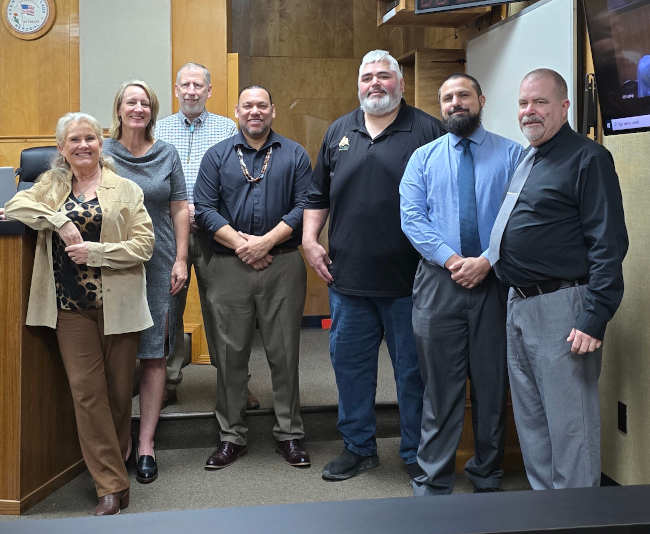
From left, new District 1 Supervisor Helen Owen, District 5 Supervisor Jessica Pyska, outgoing District 4 Supervisor Michael Green, District 3 Supervisor and Board Chair EJ Crandell, outgoing District 1 Supervisor Moke Simon, District 2 Supervisor Bruno Sabatier and new District 4 Supervisor Brad Rasmussen during the Board of Supervisors meeting on Tuesday, Jan. 7, 2025. Photo by Lingzi Chen/Lake County News.

LAKE COUNTY, Calif. — At the Board of Supervisors’ first meeting of 2025 on Tuesday, newly elected and re-elected supervisors were sworn into office and they elected the board’s new chair and vice chair.

District 1 Supervisor Helen Owen, a longtime Middletown rancher, and District 4 Supervisor Brad Rasmussen, Lakeport’s retired police chief, officially took office as the county’s newest supervisors. They succeed outgoing supervisors Mike Simon and Michael Green, respectively.

District 5 Supervisor Jessica Pyska, who won reelection in March, is starting her second term.

Supervisor Eddie Crandell was elected as the chair and Supervisor Rasmussen as the vice chair.

In the meeting, outgoing supervisors made their final remarks.

“Just want to thank everybody who supported me throughout my two terms,” said Simon, who expressed special thanks to the county administration and employees for their hard work.

Supervisor Green said being a supervisor does not only mean to represent the constituency and workforce, but also “the municipal corporation that is the county itself,” where “hundreds of millions of dollars flow through the County of Lake to provide services.”

“I do want to thank county administrative staff and all the department heads for their support, patience and understanding during my brief yet rewarding term,” Green said. He was appointed by the Governer’s Office as District 4 supervisor at the end of 2022 to succeed Tina Scott.

Lake County Registrar of Voters Maria Valadez administered the oath of office individually for all candidates who were to start a new term of service for the county, including the three supervisors and the new Sheriff-Coroner Lucas Bingham, who won his election unopposed in March.

‘Double election’ of the board chair and vice chair

The process of electing a new chair and vice chair generated some confusion.

After taking the oath, new supervisors Owen and Rasmussen were asked to take a seat at the table right below the dais, while Green and Simon stayed in their seats.

“Stay right there,” said Green to Owen and Rasmussen. “We’re going to do an election, and then we’re going to get you up here.”

“And this, ladies and gentlemen, is how we do a peaceful, orderly transition of power,” Green added, and the audience in the chamber applauded with light laughter.

Green, who was stepping down from his role, went on to take nominations for the chair and vice chair for the new board.

Pyska nominated Crandell — who was the vice chair in 2024 — as the chair, which was the only nomination for the position. Green moved on to have the vote by the sitting board that included the two outgoing supervisors.

It turned out that the seven “supervisors,” incoming and outgoing, all said “aye” in favor of having Crandell as the new chair.

Owen then nominated Rasmussen as vice chair. Pyska immediately raised a question.

“According to our board policy, you have to have one year to be vice chair or chair,” Pyska said. “It’s in our board policy.”

“I don’t believe it’s a hard shall-not,” said Supervisor Bruno Sabatier.

While the board policy does not have a written prerequisite for the vice chair position, it does have one for the chair.

County Counsel Lloyd Guintivano said in the meeting that he found the rule from the Board of Supervisors’ policy manual which states “a member shall not be elected to serve as chair unless he or she has been a member of the board for the preceding calendar year.”

Guintivano noted in the situation where the chair is not available, “whoever’s sitting as a chair must be a member of the board for the preceding calendar year.”

“In reading that language, it appears that your board may consider other nominations for the vice chair in light of that clause,” Guintivano added.

“I would say, that particular clause, the most strict application? Yes,” said Green. “But if we want it to be that strict in that application, we should have added the term ‘vice chair’ to that same clause.”

He added, “As the sitting chair, that’s my outgoing act — I don’t think the strict application is necessary at this point. And most importantly, we don’t have any other nominations.”

During the discussion, a member of the public called in on Zoom saying that she wanted to nominate another candidate. It was stopped by Green, who said that the public would not be entitled to make nominations. While the woman did not identify herself, Lake County News staff believe it was Julia Bono of Middletown.

The board went on to have the vote and all voted in favor of having Rasmussen as the vice chair.

After a brief recess, Green and Simon left the dais and Owen and Rasmussen moved up to take their seats.

The new board then voted again to select the chair and vice chair, with the same results, with unanimous approval.

While both rounds of votes generated the same outcome, Assistant Clerk to the Board of Supervisors Johanna DeLong said only the votes of the five supervisors of the new board would count.

“They were all sitting there saying aye, but I think the only ones that count are technically the new board,” she said when Lake County News called to verify the voting action details. “There were only five seats; we don’t have seven supervisors.”

The new Board of Supervisors now includes Helen Owen for District 1, Bruno Sabatier for District 2, Eddie Crandell for District 3, Brad Rasmussen for District 4 and Jessica Pyska for District 5, with Crandell serving as the new chair and Rasmussen the vice chair for 2025.

Email staff reporter Lingzi Chen at This email address is being protected from spambots. You need JavaScript enabled to view it..


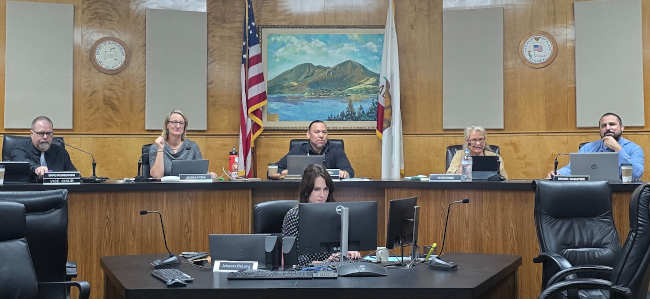
The new Lake County Board of Supervisors gets down to business in its first meeting of the year on Tuesday, Jan. 7, 2025. Photo by Lingzi Chen/Lake County News.

New District 1 supervisor opens applications for Lake County Planning Commission

LAKE COUNTY, Calif. — New Supervisor Helen Owen is accepting applications for the District 1 representative on the Lake County Planning Commission.

Owen, who was elected Nov. 5, took her seat on the Board of Supervisors during its first meeting of the year on Tuesday.

Owen said she is taking applications for the position from interested individuals as part of following through on her promise to represent all the people of the district fairly.

Applications must be submitted by Jan. 21 to This email address is being protected from spambots. You need JavaScript enabled to view it..

Owen said she has created a panel with a representative from all areas in the district to review the applications. Additionally, the panel will include retired District 5 Supervisor Rob Brown.

The top candidates will be called for a formal interview with the panel. Owen will have the final decision on who is recommended for the position.

The selection will be made and the candidate will be notified and it will be confirmed that they are willing to serve as the District 1 planning commissioner, Owen said.

Owen said she plans to place her planning commissioner recommendation for the board’s approval on the Feb. 4 agenda.

Email Elizabeth Larson at This email address is being protected from spambots. You need JavaScript enabled to view it.. Follow her on Twitter, @ERLarson, and on Bluesky, @erlarson.bsky.social. Find Lake County News on the following platforms: Facebook, @LakeCoNews; X, @LakeCoNews; Threads, @lakeconews, and on Bluesky, @lakeconews.bsky.social.

Dr. Erica Pan appointed next California Department of Public Health director and state Public Health officer

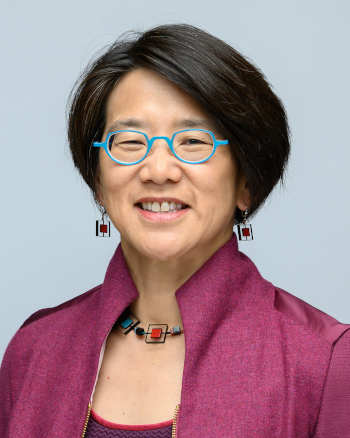
Dr. Erica Pan. Courtesy photo.

Dr. Erica Pan will become the next Director and state Public Health officer of the California Department of Public Health, or CDPH, on Feb. 1.

She will work collaboratively with partners to help to implement Gov. Gavin Newsom’s public health policy goals to support healthy individuals, families and communities.

Dr. Pan will replace Dr. Tomás Aragón, who recently announced his upcoming retirement.

Dr. Aragón has served as CDPH director and state Public Health officer since Jan. 4, 2021. He retires on Jan. 31.

Dr. Aragón has served California as a public health leader for more than 20 years. As CDPH director, he has helped transform public health policies and systems with an emphasis on equity, antiracism, healing and health for all. Before joining CDPH, he was the health officer for the city and county of San Francisco.

“I am confident Erica will take CDPH to the next level with her deep understanding of public health, strong servant leadership, compassion and work ethic,” said Dr. Aragón. “She brings to this role a unique combination of skills, along with a demonstrated commitment to equity, that will help her deliver results for the people of California."

Dr. Pan joined CDPH in July 2020 as the deputy director for the Center for Infectious Diseases and state epidemiologist. During that time, she helped lead the state through the COVID-19 pandemic, multiple infectious disease outbreaks, Ebola planning and the current bird flu situation.

In all, Dr. Pan has more than 20 years of public health leadership experience. Before joining CDPH, she served as the Alameda County Health Officer. In fact, she held various roles at the Alameda County Public Health Department since 2011, including director of the Division of Communicable Disease Control and Prevention, and deputy health officer.

“It is an incredible honor to serve California in this role at a critical time when we need to empower and engage the public to have confidence in the science and evidence that has saved lives and promotes a healthy California for all,” said Dr. Pan. “Dr. Aragón has been an inspiration and mentor to me from early on in my public health career and he is a respected public health leader who has led CDPH to ‘become the best at getting better.’ I aim to build on his legacy, and I’m committed to a smooth transition for the Department.”

Dr. Pan is also a clinical professor in the Department of Pediatrics, Division of Pediatric Infectious Diseases at the University of California, San Francisco. She maintained her clinical work at San Francisco General Hospital and at UCSF Benioff Children's Hospitals in San Francisco and Oakland in Infectious Diseases until 2019.

Will AI revolutionize drug development? Researchers explain why it depends on how it’s used


A high drug failure rate is more than just a pattern recognition problem. Thom Leach/Science Photo Library via Getty Images

The potential of using artificial intelligence in drug discovery and development has sparked both excitement and skepticism among scientists, investors and the general public.

“Artificial intelligence is taking over drug development,” claim some companies and researchers. Over the past few years, interest in using AI to design drugs and optimize clinical trials has driven a surge in research and investment. AI-driven platforms like AlphaFold, which won the 2024 Nobel Prize for its ability to predict the structure of proteins and design new ones, showcase AI’s potential to accelerate drug development.

AI in drug discovery is “nonsense,” warn some industry veterans. They urge that “AI’s potential to accelerate drug discovery needs a reality check,” as AI-generated drugs have yet to demonstrate an ability to address the 90% failure rate of new drugs in clinical trials. Unlike the success of AI in image analysis, its effect on drug development remains unclear.

Pharmacist searching through drawer of drug packages
Behind every drug in your pharmacy are many, many more that failed. nortonrsx/iStock via Getty Images Plus

We have been following the use of AI in drug development in our work as a pharmaceutical scientist in both academia and the pharmaceutical industry and as a former program manager in the Defense Advanced Research Projects Agency, or DARPA. We argue that AI in drug development is not yet a game-changer, nor is it complete nonsense. AI is not a black box that can turn any idea into gold. Rather, we see it as a tool that, when used wisely and competently, could help address the root causes of drug failure and streamline the process.

Most work using AI in drug development intends to reduce the time and money it takes to bring one drug to market – currently 10 to 15 years and US$1 billion to $2 billion. But can AI truly revolutionize drug development and improve success rates?

AI in drug development

Researchers have applied AI and machine learning to every stage of the drug development process. This includes identifying targets in the body, screening potential candidates, designing drug molecules, predicting toxicity and selecting patients who might respond best to the drugs in clinical trials, among others.

Between 2010 and 2022, 20 AI-focused startups discovered 158 drug candidates, 15 of which advanced to clinical trials. Some of these drug candidates were able to complete preclinical testing in the lab and enter human trials in just 30 months, compared with the typical 3 to 6 years. This accomplishment demonstrates AI’s potential to accelerate drug development.

Drug development is a long and costly process.

On the other hand, while AI platforms may rapidly identify compounds that work on cells in a Petri dish or in animal models, the success of these candidates in clinical trials – where the majority of drug failures occur – remains highly uncertain.

Unlike other fields that have large, high-quality datasets available to train AI models, such as image analysis and language processing, the AI in drug development is constrained by small, low-quality datasets. It is difficult to generate drug-related datasets on cells, animals or humans for millions to billions of compounds. While AlphaFold is a breakthrough in predicting protein structures, how precise it can be for drug design remains uncertain. Minor changes to a drug’s structure can greatly affect its activity in the body and thus how effective it is in treating disease.

Survivorship bias

Like AI, past innovations in drug development like computer-aided drug design, the Human Genome Project and high-throughput screening have improved individual steps of the process in the past 40 years, yet drug failure rates haven’t improved.

Most AI researchers can tackle specific tasks in the drug development process when provided with high-quality data and particular questions to answer. But they are often unfamiliar with the full scope of drug development, reducing challenges into pattern recognition problems and refinement of individual steps of the process. Meanwhile, many scientists with expertise in drug development lack training in AI and machine learning. These communication barriers can hinder scientists from moving beyond the mechanics of current development processes and identifying the root causes of drug failures.

Current approaches to drug development, including those using AI, may have fallen into a survivorship bias trap, overly focusing on less critical aspects of the process while overlooking major problems that contribute most to failure. This is analogous to repairing damage to the wings of aircraft returning from the battle fields in World War II while neglecting the fatal vulnerabilities in engines or cockpits of the planes that never made it back. Researchers often overly focus on how to improve a drug’s individual properties rather than the root causes of failure.

Diagram of airplane with clusters of red dots on the wing tips, tail and cockpit areas
While returning planes might survive hits to the wings, those with damage to the engines or cockpits are less likely to make it back. Martin Grandjean, McGeddon, US Air Force/Wikimedia Commons, CC BY-SA

The current drug development process operates like an assembly line, relying on a checkbox approach with extensive testing at each step of the process. While AI may be able to reduce the time and cost of the lab-based preclinical stages of this assembly line, it is unlikely to boost success rates in the more costly clinical stages that involve testing in people. The persistent 90% failure rate of drugs in clinical trials, despite 40 years of process improvements, underscores this limitation.

Addressing root causes

Drug failures in clinical trials are not solely due to how these studies are designed; selecting the wrong drug candidates to test in clinical trials is also a major factor. New AI-guided strategies could help address both of these challenges.

Currently, three interdependent factors drive most drug failures: dosage, safety and efficacy. Some drugs fail because they’re too toxic, or unsafe. Other drugs fail because they’re deemed ineffective, often because the dose can’t be increased any further without causing harm.

We and our colleagues propose a machine learning system to help select drug candidates by predicting dosage, safety and efficacy based on five previously overlooked features of drugs. Specifically, researchers could use AI models to determine how specifically and potently the drug binds to known and unknown targets, the level of these targets in the body, how concentrated the drug becomes in healthy and diseased tissues, and the drug’s structural properties.

These features of AI-generated drugs could be tested in what we call phase 0+ trials, using ultra-low doses in patients with severe and mild disease. This could help researchers identify optimal drugs while reducing the costs of the current “test-and-see” approach to clinical trials.

While AI alone might not revolutionize drug development, it can help address the root causes of why drugs fail and streamline the lengthy process to approval.The Conversation

Duxin Sun, Associate Dean for Research, Charles Walgreen Jr. Professor of Pharmacy and Pharmaceutical Sciences, University of Michigan and Christian Macedonia, Adjunct Professor in Pharmaceutical Sciences, University of Michigan

This article is republished from The Conversation under a Creative Commons license. Read the original article.
  • 323
  • 324
  • 325
  • 326
  • 327
  • 328
  • 329
  • 330
  • 331
  • 332

Community

  • Sheriff’s Activities League and Clearlake Bassmasters offer youth fishing clinic

  • City Nature Challenge takes place April 24 to 27

Public Safety

  • Lakeport Police logs: Wednesday, Feb. 11

  • Lakeport Police logs: Tuesday, Feb. 10

Education

  • Ramos measure requiring school officer training in use of anti-opioid drug moves forward

  • Lake County Chapter of CWA announces annual scholarships 

Health

  • California ranks 24th in America’s Health Rankings Annual Report from United Health Foundation

  • Healthy blood donors especially vital during active flu season

Business

  • Employment law summit takes place March 9

  • Two Lake County Mediacom employees earn company’s top service awards

Obituaries

  • Terry Knight

  • Ellen Thomas

Opinion & Letters

  • Who should pay for AI’s power? Not California ratepayers

  • Crandell: Supporting nephew for reelection in supervisorial race

Veterans

  • State honors fallen chief warrant officer killed in conflict in Iran

  • CalVet and CSU Long Beach team up to improve data collection related to veteran suicides

Recreation

  • April Audubon program will show how volunteers can help monitor local osprey nests

  • First guided nature walk of spring at Anderson Marsh State Historic Park April 11

  • Second Saturday guided nature walks continue at Anderson Marsh State Historic Park

  • Wet weather trail closure in effect on Upper Lake Ranger District

Religion

  • Kelseyville Presbyterian Church plans Easter service

  • Easter ‘Sonrise’ Service returns to Xabatin Community Park

Arts & Life

  • ‘CIA’ delves into the shadowy world of an espionage thriller

  • ‘War Machine’ shifts the battlefield into uncharted territory

Government & Politics

  • Lake County Democratic Central Committee endorses Falkenberg

  • Crandell launches reelection campaign plans March 15 event

Legals

  • April 23 hearing on Lake Coco Farms Major Use Permit

  • NOTICE OF 30-DAY PUBLIC COMMENT PERIOD & NOTICE OF PUBLIC HEARING

How to resolve AdBlock issue?
Refresh this page