 How to resolve AdBlock issue?
Recreation
- Details
- Written by: Clear Lake State Park Interpretive Association
The Clear Lake State Park Interpretive Association will hold its monthly StoryWalk program that day.
This month the perfect book choice is, of course, “Peter Rabbit.”
The StoryWalk will be at the Visitor Center from 11 a.m. until 2 p.m., and admission is free to the park.
Do the StoryWalk, which is fun for all ages, and then stroll the park and enjoy the osprey, the turtles and the wildlife all out enjoying the weather.
Come to your park and see what StoryWalk is all about. They will also have some Easter fun for kids of all ages.
Clear Lake State Park is located at 5300 Soda Bay Road, Kelseyville.
- Details
- Written by: U.S. Forest Service
These closures are temporary until the permanent visitor services positions are filled.
The Willows front office will be closed to the public on the following dates:
• April 1.
• April 15.
The Upper Lake Ranger District front office will be closed to the public on the following dates:
• April 1.
• April 4 to 6.
• April 14 to 15.
• April 18 to 20.
• April 28 to 29.
- Details
- Written by: California Department of Fish and Wildlife
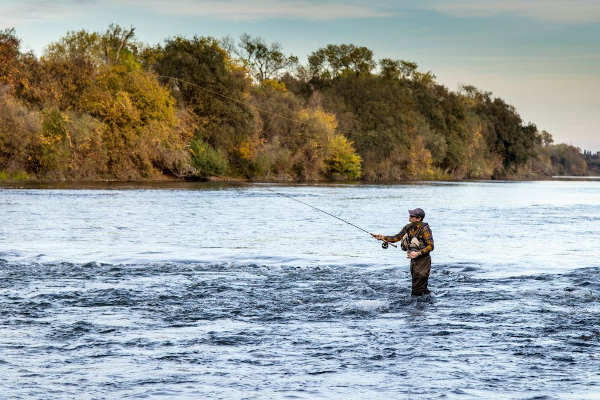
Catch and release
Q: What’s the best way to release fish unharmed?
A: The California Department of Fish and Wildlife (CDFW) recommends these five tips:
1. Land your fish as carefully and quickly as possible.
2. Try to avoid removing the fish from the water. Underwater unhooking and release is preferred.
3. Do not squeeze the fish, or touch its eyes or gills.
4. Remove only those hooks that you can see and remove easily, otherwise clip the line near the mouth on deep hooked fish.
5. Use artificial lures (no bait) to minimize deep hooking. Barbless hooks or hooks with flattened barbs make unhooking easier and less stressful on the fish.
For more information see CDFW’s 2021-2022 Freshwater Sport Fishing Regulations.
Pintail limit
Q: I saw lots of pintails while duck hunting in the Sacramento Valley this past season. I never had any trouble shooting my one per day pintail limit. Since there seems to be so many pintail, why are hunters limited to just one?
A: While pintail populations may appear healthy and plentiful in California in the fall and winter, habitat loss and other changes in the northern breeding grounds have greatly reduced the continental population of pintails, which has led to the one-bird limit.
Each year, the U.S. Fish and Wildlife Service (USFWS) establishes regulation frameworks for migratory bird hunting. California must set its waterfowl hunting regulations within those frameworks which state the earliest dates that waterfowl hunting may open, the maximum number of days hunting can occur, the latest dates hunting must close and the maximum daily bag limit. In California, the California Fish and Game Commission is responsible for adopting annual regulations pertaining to waterfowl hunting including opening and closing dates. Although states must set waterfowl hunting regulations within federal frameworks, they may adopt more stringent regulations. California does this via the Commission.
Northern pintail breeding population indices declined from the late 1970s through the early 1980s. At one time, the continental breeding population estimate was as high as 10 million pintail. However, by 1991 the estimated population was reduced to 1.8 million. Similarly, recruitment indices (measured by the number of immature birds to adults in the bag) steadily declined. Even with recent record numbers of other dabbling duck species, pintails remain well below their long-term average.
In 2010, the USFWS and the Flyway Councils developed an adaptive management framework to inform pintail harvest decisions. The current protocol allows for open season when the observed breeding population is equal to or greater than 1.75 million birds and either a one or two bird daily bag limit. For the 2021-22 season, the federal frameworks for pintail allowed for a 107-day season and one-bird daily bag for pintail.
California duck hunters see so many pintails each season because most of the North American pintail population winters in California and elsewhere along the Pacific Flyway. USFWS estimates that hunters in the Pacific Flyway account for about 55 percent of the nationwide pintail harvest.
Sea otters
Q: I recently vacationed in Aptos and found a dead sea otter on the beach. A park ranger said CDFW would collect it because they monitor sea otter causes of death. What typically kills sea otter?
A: CDFW has been monitoring sea otter mortality since 1968 to determine how to
best care for injured or oiled sea otters and how to help recover California’s sea otter population. In recent years, the leading cause of death for sea otters has been bites from white sharks. Sharks bite sea otters to determine if they are prey, but sometimes decide they’re not worth eating because they don’t have blubber like other marine mammals. Unfortunately, most sea otters that are bitten die from their wounds.
CDFW recently reviewed data from more than 500 sea otter necropsies and found that other causes of death include parasitic infections (mostly from land-based parasites) and poisoning by domoic acid. Investigation of sea otter mortality is supported in part by the California Sea Otter Voluntary Contribution Fund. The public can help by donating to this fund on line 410 of the California state income tax form! Please visit wildlife.ca.gov/Tax-Donation for more information.
For more information visit CDFW’s Sea Otter Stranding Response webpage.
- Details
- Written by: Clear Lake State Park
KELSEYVILLE, Calif. — Clear Lake State Park is set to resume its nature walks this month.
Starting on March 12 at 9 a.m., the park will start its spring season nature walks, which will take place on the second Saturday of the month, running through June.
Participants should meet at the Visitor Center parking lot at 9 a.m.
The walks will last about one and a half to two hours and will be an easy stroll on well groomed trails with little or no grade.
Walkers should wear sturdy shoes, wear a hat, bring water and binoculars and dress for the weather.
All hikers are urged to practice good safe COVID protocol in accordance with county guidelines.
Entry into the park will be free for participants. Rain will cancel the walk.
The March walk will be led by CLSP docent Brad Barnwell.
Barnwell has been leading hikes in the park for the last 20 years and is an avid bird watcher and wildlife photographer.
This month Barnwell is extending a special invitation to the regular park walkers/users who would like to know a little more about the flora and fauna in the park.
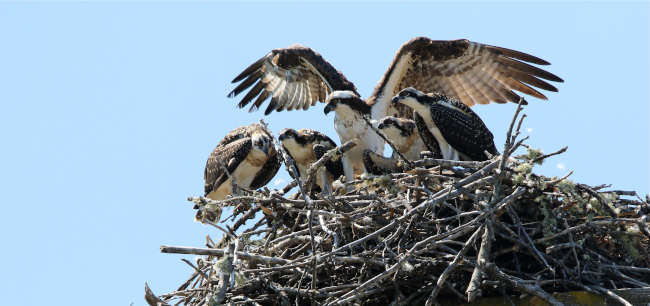
He will highlight the hopeful return of the park’s nesting osprey.
Anyone having special needs should contact the Clear Lake State Park Sector Office at 707-279-2267.
Clear Lake State Park is located at 5300 Soda Bay Road in Kelseyville.
The front entrance kiosk phone number is 707-279-4293.