How to resolve AdBlock issue?
News
- Details
- Written by: Chris Vagasky, University of Wisconsin-Madison
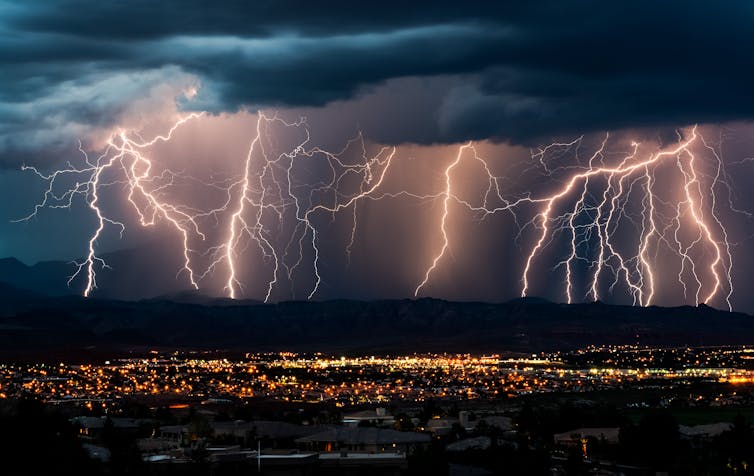
It’s been a warm day, maybe even a little humid, and the tall clouds in the distance remind you of cauliflower. You hear a sharp crack, like the sound of a batter hitting a home run, or a low rumble reminiscent of a truck driving down the highway. A distant thunderstorm, alive with lightning, is making itself known.
Lightning flashes in thunderstorms at least 60 times per second somewhere around the planet, sometimes even near the North Pole.
Each giant spark of electricity travels through the atmosphere at 200,000 miles per hour. It is hotter than the surface of the sun and delivers thousands of times more electricity than the power outlet that charges your smartphone. That’s why lightning is so dangerous.
Lightning kills or injures about 250,000 people around the world every year, most frequently in developing countries, where many people work outside without lightning-safe shelters nearby. In the United States, an average of 28 people were killed by lightning every year between 2006 and 2023. Each year, insurance pays about US$1 billion in claims for lightning damage, and around 4 million acres of land burn in lightning-caused wildfires.
Yet, estimates of U.S. lightning strikes have varied widely, from about 25 million a year, a number meteorologists have cited since the 1990s, to 40 million a year, reported by the Centers for Disease Control and Prevention. That complicates lightning safety and protection efforts.
I’m a meteorologist whose research focuses on understanding lightning behavior. In a new study, my colleagues and I used six years of data from a national lightning detection network that we believe has become precise enough to offer a more accurate picture of lightning strikes across the U.S. That knowledge is essential for improving forecasts and damage prevention.
How much lightning strikes the US
To get a clearer picture of how often lightning strikes, it helps to define what a lightning strike is.
Imagine looking out a window at a thunderstorm with cloud-to-ground lightning nearby. The lightning appears to flicker.
A lightning flash is all the cloud-to-ground lightning that occurs within 1 second and a 6-mile radius. Each flicker is a lightning stroke. Each stroke can hit one or more ground strike points, and there can be multiple strokes in the same channel.
Lightning is a large electrical discharge trying to dissipate the electricity in a cloud, so if there is a lot of electricity built up, there can be a lot of lightning to get rid of it all.
Over six years of data from the National Lightning Detection Network, we found that the U.S. averages 23.4 million flashes, 55.5 million strokes and 36.8 million ground strike points each year.
Where lightning strikes most often
The basic ingredients for thunderstorms are warm and moist air near the ground with cooler, drier air above it and a way to lift the warm moist air. Anywhere those ingredients are present, lightning can occur.
This happens most frequently near the Gulf Coast, where the sea breeze helps trigger thunderstorms most days in the summer. Florida in particular is a hot spot for cloud-to-ground lightning strikes. The Miami-Fort Lauderdale area alone had over 120,000 lightning strokes in 2023.
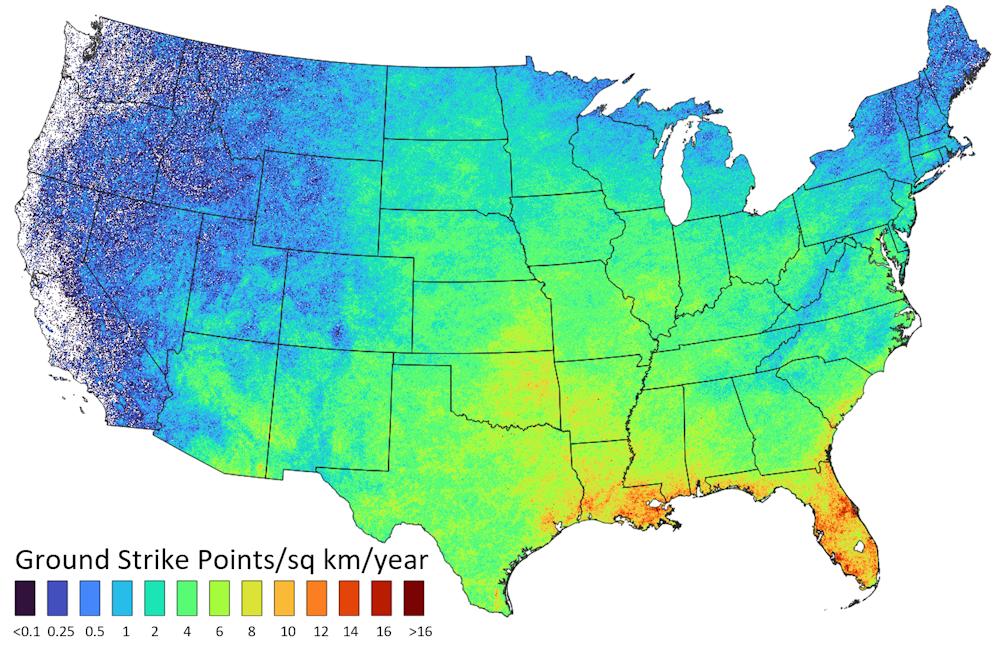
The Central and Southern U.S. aren’t quite as lightning prone, but they tend to have more thunderstorms and lightning strikes than the North and West of the country, though lightning in the West can be especially destructive when it sparks wildfires.
The cool waters of the Pacific Ocean, meanwhile, tend to mean few thunderstorms along the West Coast.
Counting lightning strikes
To be able to count how much lightning is hitting the ground and where it is doing so, you have to be able to detect it. Luckily, cloud-to-ground lightning is fairly easy to detect – in fact, you may have done it.
When lightning flashes, it acts like a giant radio antenna that sends electromagnetic waves – radio waves – around the world at the speed of light. If you have an AM radio station on during a thunderstorm, you may hear a lot of static.
The National Lightning Detection Network uses strategically placed antennas to listen for these radio waves produced by lightning. It’s now able to locate at least 97% of the cloud-to-ground lightning that occurs across the U.S.
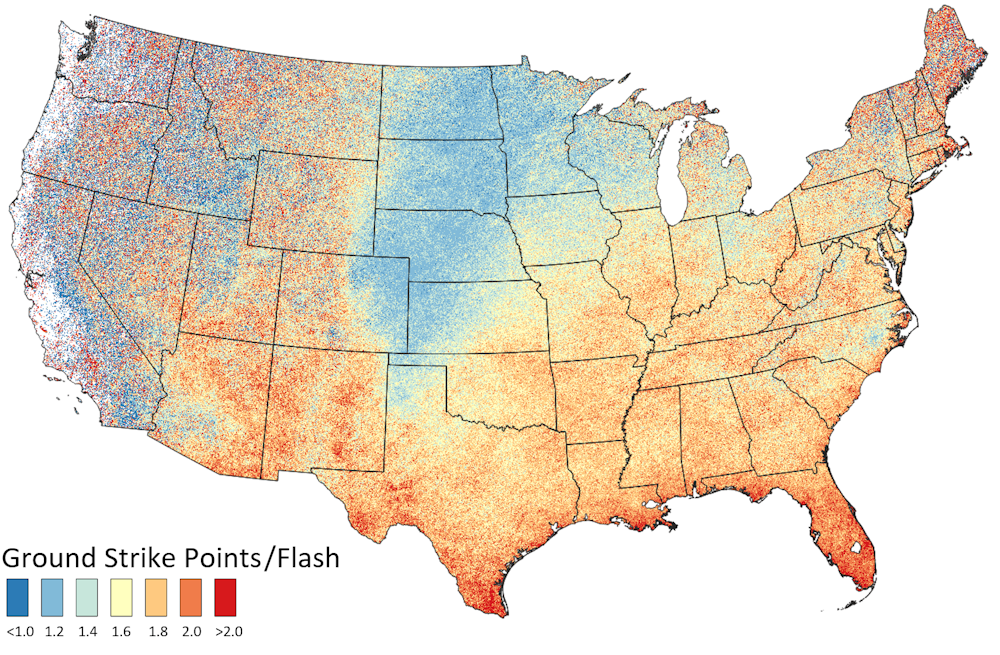
The number of lightning strikes varies year to year depending on the prevailing weather patterns during the spring and summer months, when lightning is most common. There isn’t enough accurate U.S. data yet to say whether there is a trend toward more or less lightning. However, changes in lightning frequency and location can be an indicator of climate change affecting storms and precipitation, which is why the World Meteorological Organization designated lightning as an “essential climate variable.”
Better data can boost safety
Meteorologists and emergency management teams can use this new data and our analysis to better understand how lightning typically affects their regions. That can help them better forecast risks and prepare the public for thunderstorm hazards. Engineers are also using these results to create better lightning protection standards to keep people and property safe.
Lightning strikes are still unpredictable. So, to stay safe, remember: When thunder roars, go indoors.
Chris Vagasky, Meteorologist, University of Wisconsin-Madison
This article is republished from The Conversation under a Creative Commons license. Read the original article.
- Details
- Written by: Elizabeth Larson
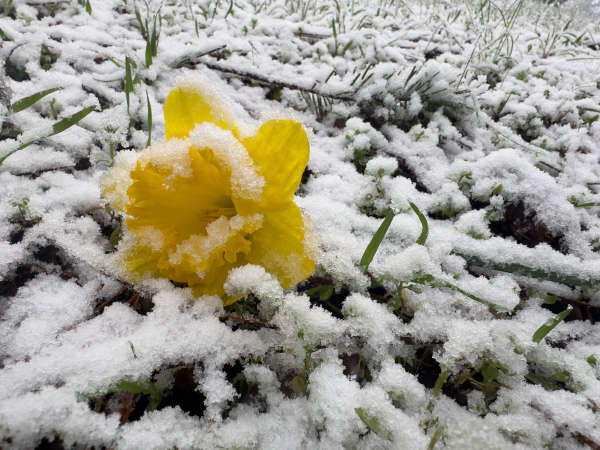
LAKE COUNTY, Calif. — Lake County got a coating of snow on Saturday as a major storm system moved through the region.
The National Weather Service had predicted the snowfall, which fell throughout the afternoon.
The Cobb area appeared to have reported snow first, but shortly afterward it was falling across the rest of the county.
On the Northshore, there was an initial period of snowfall, followed by a break before heavier snow fell. That was followed by an opening in the clouds and some blue sky.
Throughout the afternoon and early evening, there were reports of vehicles going off roads, getting stuck in the snow or being involved in collisions as a result of the weather conditions.
The National Weather Service is predicting chances for more rain and snow into Sunday morning, before conditions give way to rain the rest of the day and night.
More rain is expected Monday through Wednesday, along with winds of more than 20 miles per hour.
Sunny conditions are forecast on Thursday and Friday, with chances of rain again in the forecast on Saturday.
Email Elizabeth Larson at
- Details
- Written by: Elizabeth Larson
With three supervisorial races in the balance, it raises questions about how voters might choose candidates based on where they stand on certain issues and, as a result of those choices, how the direction of county government could change in the coming four years.
This year’s election primary season is shortened by three months due to the presidential primary, which takes place in March rather than June in off-presidential years.
Of the three supervisorial races on the ballot, two — for District 1 and District 4 — are open due to current supervisors Moke Simon and Michael Green, respectively, not running.
Those have opened up large fields of prospective candidates, which is often the case when an incumbent chooses not to run.
In the case of District 1, those whose names are on the ballot are Bren Boyd, a chef and proprietor at Hidden Valley Lake and a member of the Hidden Valley Lake Board; John Hess, who serves on the Lake County Planning Commission and a former chief of staff to Congresswoman Jane Harman; Sean Millerick, a small-business owner who serves as vice president of the Hidden Valley Lake Community Services District Board; and rancher and business owner Helen Owen.
Small business owner and winemaker Bryan Pritchard — who ran an unsuccessful challenge against Assemblymember Cecelia Aguiar-Curry also filed to run and will be on the ballot, however, he recently announced he was dropping out of the race.
Pritchard in turn endorsed Owen. The two had a long face-to-face talk after a candidates’ forum at Clearlake City Hall Jan. 16. Not long afterward, Pritchard dropped out and offered Owen his endorsement.
For District 4 supervisor, which serves the greater Lakeport area, the candidates are Scott Barnett, a consultant and Lakeport Planning Commission member; Laura McAndrews Sammel, chief executive officer of the Lake County Chamber of Commerce; Brad Rasmussen, chief of police for the city of Lakeport; and educator and parent, Chris Read.
Name change impacts District 5 race
Despite the shortened campaign season, one race that will be decided in March is that of District 5, which sees businessman Daniel “Boone” Bridges challenging first-term supervisor Jessica Pyska.
Both were born and raised in Lake County and have spent most of their lives and professions in the community, Bridges growing up amidst a well-known family of builders and business owners and Pyska raised in Cobb, with her father working for decades at Calpine and her mother a longtime staffer — and later school board member — for the Middletown Unified School District.
The two candidates have participated in numerous candidates’ forums throughout the shortened campaign season, punctuated by the Super Tuesday presidential primary in March instead of June.
The advantage to being on the ballot with key federal and state races tends to increase the potential for higher voter turnout.
Pyska has come to the election with the advantages of an incumbent, which include a more detailed knowledge of the job as supervisor.
Incumbents also have the disadvantage of a track record that can be scrutinized. Bridges has criticized actions in which Pyska was key, including the supervisors’ vote to give themselves a 40% raise last year.
During their campaign appearances, Bridges and Pyska have been questioned on topics as diverse as cannabis to development to county management and everything in between in a flurry of candidate debates.
They’ve been asked to discuss development, roads, cannabis, how to serve Lake County’s individual communities, how to address homelessness and the opioid crisis, improve education and improve quality of life.
However, adding another layer of complexity to the 2024 race is that, since the start of the year, there are key issues that are coming to a head in such a way that they are expected to directly impact the outcome of the primary elections for the supervisorial races and to have significant implications for the shape of county government to come.
Those issues, in particular, involve state water monitoring requirements that were triggered by actions taken by the Board of Supervisors last year in declaring an emergency regarding the Clear Lake hitch.
However, since the start of the year, one topic has come to the forefront that has the potential to influence the District 5 election’s outcome more than any other, and that is a proposal to change the name of Kelseyville to “Konocti.”
While primarily impacting District 5, it will be discussed by the Board of Supervisors as a whole.
The name change proposal, whose supporters announced two years ago in an out-of-county publication that they were working on the plan, took an official turn when in October they submitted an application to the U.S. Board of Geographic Names, which is part of the United States Geological Survey which, in turn, operates under the Department of the Interior.
That meant that an issue that many thought was out of local hands, although it will be a matter of public discussion for the board as a whole as the supervisors consider making a recommendation to the Board of Geographic Names.
The proposal is put forth by a group calling itself “Citizens for Healing.” The group’s leadership includes Lorna Sue Sides, executive director of the Kelseyville Senior Center, which is being purchased by the county thanks to Pyska’s advocacy.
Their motivation is to remove the Kelsey name because of the actions of Andrew Kelsey, a white settler who, along with Charles Stone, kept Pomo as slave laborers and sexually abused women and children. Pomos enslaved by the men were brutalized; many died of famine.
After whipping and then murdering a young Pomo man, Kelsey and Stone were killed by the Pomo in 1850. In response, a group of U.S. soldiers carried out the Bloody Island massacre near Nice in May of 1850, with up to 200 tribal members killed.
In response to Citizens for Healing’s campaign, a community-based group calling itself “Save the Name of Kelseyville” — whose members include longtime local business owners and residents — are advocating to keep the name of Kelseyville. They said it’s not about honoring Andrew Kelsey, but marking the beginnings of the town, which was named Kelseyville in around 1882, more than 30 years after his death.
Those involved with fighting the name change point to the decision in March of 2006 by the Kelseyville Unified School Board to change the Kelseyville High mascot, the “Indians” to the “Knights,” a move which they said has continued to cause hard feelings rather than to allay them.
The Board of Geographic Names is now reviewing the name change matter. On Monday, the board wrote to the Lake County Board of Supervisors to ask for its recommendation, said Gina Anderson, a USGS spokesperson. Anderson said the board confirmed receiving the request.
Also involved with the process is the California Advisory Committee on Geographic Names, the purpose of which is to provide recommendations to the U.S. Board of Geographic Names.
The timing is expected to have an impact on the race now in a way that it was not originally anticipated.
Pyska has attempted to remain neutral when asked about the name change. For Bridges, it’s been quite the opposite. At a forum on Jan. 10, Bridges called the name change proposal “ridiculous.” This past week, with the election looming, he circulated an election mailer that recommended voters choose him if they want to save the name of Kelseyville.
On Friday, Anderson told Lake County News that at that point the Board of Geographic Names had received 50 emails in support of the name change, 149 emails opposed to it, and a link to copies of 282 postcards from residents opposed to the change.
In addition, Anderson said three of Lake County’s seven federally recognized tribes had submitted letters supporting the name change, although she did not say which ones.
While the issue centers on District 5, it’s been brought up in campaign forums for other districts and candidates across the races have indicated they’ve either heard from community members about it or otherwise discussed it.
And while a decision could come down before the new supervisors take office in January, they will certainly have to deal with the impacts of it.
As such, Lake County News posted the following questions to all supervisorial candidates about the name change issue, with the District 5 candidates featured first, as it most directly impacts their district.
DISTRICT 5: Boone Bridges and Jessica Pyska
Do you support the name change? Why or why not?
Bridges: “No I do not support changing the name. The identity of Kelseyville as it is today has absolutely nothing to do with a man that died 175 years ago. The identity of Kelseyville is wrapped up in the people that live in today and make it “the friendly little town” that it is. Trying to make up for the past by changing today is a fool's errand. Also the confusion that it would cause, the cost that it would be incurred by the local businesses and to the county are ridiculous. And if we open this can of worms where will it ever stop? Do we change every town name that has any association with somebody that did something bad in the past? Do we change states names that could be associated with something bad? The past is in the past and it needs to stay there.”
Pyska: “This is a complicated and controversial issue for my district and I feel very strongly that I must support the community through this difficult process by remaining neutral and encouraging everyone to make their arguments when the Board on Geographic Names opens the public comment period later this year. Unfortunately, no matter which way this turns out, there will be a winning side and a losing side, and a lot of hurt and anger in the community, and that is what weighs most heavily on my heart.”
During the course of the campaign so far, have you heard from community members about it and, if so, what stands out?
Bridges: “Of the thousand plus people I’ve talked to in the last two months I’ve only talked to only a few individuals that thought that changing the name was a good idea. The overwhelming majority of people are adamantly against it in my opinion.”
“I would like to add that only the side that is for changing the name has made personal attacks on me. I’ve been called a racist, a bigot, a genocidal maniac and a few other choice adjectives. These personal character attacks do nothing to further the conversation and makes it difficult to put aside personal animosity and listen with an open mind. I think from a marketing standpoint attacking people's character and name-calling is detrimental to their cause.”
Pyska: “This was raised as a concern during my first campaign going back to 2019, and I have been listening to heartfelt stories from all sides ever since. There are very powerful feelings on both sides, and there are also folks who feel conflicted about where they stand, given the atrocities committed in the past and the deep pride they feel for their hometown. There are also a lot of people just learning about it, so I spend time explaining the process and how they will be able to participate to share their perspectives and learn how this will affect them.”
Have you been contacted directly by the main proponent and opponent groups?
Bridges: “I have been in contact with many people that want to change the name. But finding anyone that’s willing to stand up as a group and say they want to change the name of Kelseyville seems to be impossible. There’s a website, Citizens for Healing, but who they are is a mystery to us so far.”
Pyska: “Yes, leadership from both groups has reached out to ask for my support. I listened respectfully, and I firmly stated my position of neutrality to both sides.”
Do you think the process for the change — being handled by a federal agency — is the right one?
Bridges: “I think the process has to be handled at the federal level because it affects so many things that are outside of our county. But I think the decision should be made by those that are residents of Kelseyville and no one else.”
Pyska: “With an issue this complicated, I am not sure there is a right way. The former County Counsel, before retiring, did extensive research to determine this is the procedure to be followed. Locally we do not have authority over federal processes.”
DISTRICT 1: Bren Boyd, John Hess, Sean Millerick and Helen Owen
Do you support the name change? Why or why not?
Boyd: “I do not support the name change as people from all over the Bay Area know that town’s name and making small businesses change logos and all that goes with it puts an unfair burden on small businesses that struggle as it is. We need to protect and promote small businesses, not make it harder on them. Although I know the history and understand it I just don’t believe in any name changes or the tearing down of statues and the like.”
Hess: “As a Planning Commissioner, I have always maintained a policy of strict neutrality until planning staff reports and other processes are complete, and the public has had the opportunity to weigh in on the record. As this issue may come before a new Board of Supervisors in 2025, I will maintain a neutral position now so as not to pre-judge the issue before the federal process is complete and the public has had the opportunity to comment on the record.”
Millerick: “Personally, I do not support the name change. While I am aware of the historical injustices that are attributed to the Kelsey's, I think that it is important to have those important-often-uncomfortable conversations and not to attempt to erase history. The folks in our rural communities are a lot smarter than urban-ites give them credit for, and I know that we are strong enough to face our history honestly without trying to sweep the past under the rug.”
Owen: “As of this moment I am opposed to the change. I have never been one for changing our history, whether it be good or bad our history needs to be preserved. In saying that and with further dialogue on this issue, my mind could possibly be changed.”
During the course of the campaign so far, have you heard from community members about it and, if so, what stands out?
Boyd: “The people I have spoken with do NOT want the name change.”
Hess: “I have not.”
Millerick: “I have heard about this issue from many community members, both in Kelseyville and throughout the county. The main thing that stands out is that many of our people are tired of leaders trying to alter, rebrand, and change who we are; often at great inconvenience and expense to our residents and businesses. Too often politicians are insulated from the real world, the people they represent, and the consequences of their actions or their inaction.”
Owen: “On Friday, Feb. 29, I had the honor of appearing at our Lake County Tribals first ever candidates forum held at Robinsons Rancheria Resort and Casino. Thank you KnoQoti Native Health for the invite. I had expressed my thoughts on this very issue and believe this can be a great opportunity to flip the current script into something much larger and by far more positive for our tribes, county and history. By exposing the history further, I would love to see an interactive state or federal park and museum put in. I do not believe that our native history is being elevated here in California as it should be. I would hate to miss the opportunity to make lemonade for the lemons, which is something that I believe can be done. This could be a win-win issue!”
Have you been contacted directly by the main proponent and opponent groups?
Boyd: “I have not been contacted by either group but would encourage them to pitch their case.”
Hess: “I have not.”
Millerick: “I have not had any direct contact with either group involved, as my focus is primarily District 1 and county wide issues, and I trust that at the end of the day, the people will determine which path they wish to choose. That being said, we hire a supervisor, a representative, not to be a mouthpiece or a mimeograph. Leadership responsibilities include making tough calls, holding to your principles, and taking a stand. You will never please everyone, and this isn't a popularity contest. If you chase the trends and popularity, you will fail to serve your community well.”
Owen: Did not give a response.
Do you think the process for the change — being handled by a federal agency — is the right one?
Boyd: “I don’t believe the feds should be involved in any small municipality unless they are funding grants for roads and more law enforcement and fire protection etc.”
Hess: “Yes.”
Millerick: “What's in a name? A whole lot of work, forms, steps, and processes at the federal, state, county, and district levels. I believe it would be a failure of leadership with the county supervisors if they refused to do their job, refused to speak on behalf of the people of our whole county, and refused to provide requested input to the feds. While it is a federal process, the feds do want input from the county and have made that pretty clear. It will take some backbone to speak up, but we should expect more out of our leadership. The process is neither right or wrong, the wrong would be if our leaders were too scared of special interests to speak up on behalf of the people they represent.”
Owen: Did not give a response.
DISTRICT 4: Scott Barnett, Brad Rasmussen, Chris Read, Laura McAndrews Sammel,
Do you support the name change? Why or why not?
Barnett: “As I've said during my campaign, before voting on this, or any other issue, I would want input from the people in my district on how they would want me to vote. As a Supervisor, it would be my responsibility to represent their voices, and I welcome everyone's opinion before I make any decisions. As for my personal opinion, I have already stated during the Lake County Farm Bureau debate that I am against the name change. I do not want to be the person to rewrite history or enable history to be forgotten. “
Rasmussen: “As a community member the name change is not something I would have proposed due to concerns about it putting a divide in our community. The Board of Supervisors will be tasked with making a recommendation regarding the name change, and as your supervisor I will listen to everyone’s concerns and all the facts before a recommendation can be made. Public input is most important in this process.”
Read: “I don’t think that changing the name of Kelseyville is a priority for the county. There are so many more things that energy could be put towards. For example I hear more about changing the name of Kelseyville which is not tangible, but never hear anyone but myself talking about saving Lake Pillsbury. Changing the name of Kelseyville costs lots of money and keeping Lake Pillsbury keeps $750,000 in property tax money. You can’t erase history. It also seems to be an American issue where a name shouldn’t be an issue. Look at Italy, where Alessandra Mussolini, a direct descendent of the fascist Benito Mussolini, just got in office. They have no issue with the Mussolini name, she just got elected.”
Sammel: “If asked for a formal recommendation, I will vote with and for the people of Lake County District 4. Should I become Supervisor, I work for them. It's not my job to push my own personal agenda or beliefs on voters.”
During the course of the campaign so far, have you heard from community members about it and, if so, what stands out?
Barnett: “I've had at least 10 to 15 people reach out to me about it, and all of them are against the name change.”
Rasmussen: “I have heard from a few people regarding this issue. What stands out from these contacts are concerns about costs, confusion and the process causing negativity and placing a divide in our community which is not beneficial for the whole community.”
Read: “Most of the talk I have heard about the name change is online or at other districts candidate forums.”
Sammel: “I have heard from community members directly, I've been following social media, and I’ve attended Candidate Forums for all of the Districts. What’s standing out to me is this: we need a great deal of empathy to open our hearts and minds to each other. The minute we choose a side is the minute that we stop listening, so I will encourage everyone to take a breath and listen. It's the only way we can come together as a community. We need to start this conversation by acknowledging our common beliefs and values. Start with what connects us. This is how healthy communication works. Do we want a Lake County of antagonism and hostility? Or do we want a Lake County that has healthy conflict that results in discussion and resolution? That is the choice that we need to make at this point in time.”
Have you been contacted directly by the main proponent and opponent groups?
Barnett: “I have not been contacted by any groups.”
Rasmussen: “I have not been contacted directly by the proponent group, but I have been contacted by a couple of people who are with the opponent group.”
Read: “I have not been contacted directly except by some online activity I commented on where some people kind of trolled me and put words in my mouth I didn’t say.”
Sammel: “I have not been directly contacted by any of the proponents or opponents of this issue. I see my role here as someone who can broker conversations and bring our community together.”
Do you think the process for the change — being handled by a federal agency — is the right one?
Barnett: “While I believe this is a local issue and should be decided locally, it must go through the existing process which places it in the hands of the BGN.”
Rasmussen: “Although I understand why the federal government has a role and why it may be assigned to a board under the United States Geological Survey (USGS), I feel the decisions should be made by the people of the community. The USGS Board on Geographic Names (BGN) states that they make decisions only after receiving recommendations from local and county governments, tribal governments, the State Names Authority, appropriate land management agencies and the public. Recommendations from local organizations like historical societies and conservation groups are welcomed. Based on this. The Lake County Board of Supervisors is going to need to be involved and make a recommendation. Any recommendation should be based on listening to the voice of the people of our community.”
Read: “The issue should be handled by Lake County. It isn’t a federal issue, it is a local issue.”
Sammel: “I'm not sure, but that's where it is now so we need to deal with it constructively. I am a pragmatic person. Pragmatism is to deal with facts and apply constructive solutions for everyone involved. I am in favor of local control on issues of this nature when approached by any state or federal agency that, again, needs to be pushed to the constituents of the District.”
Email Elizabeth Larson at
- Details
- Written by: Elizabeth Larson
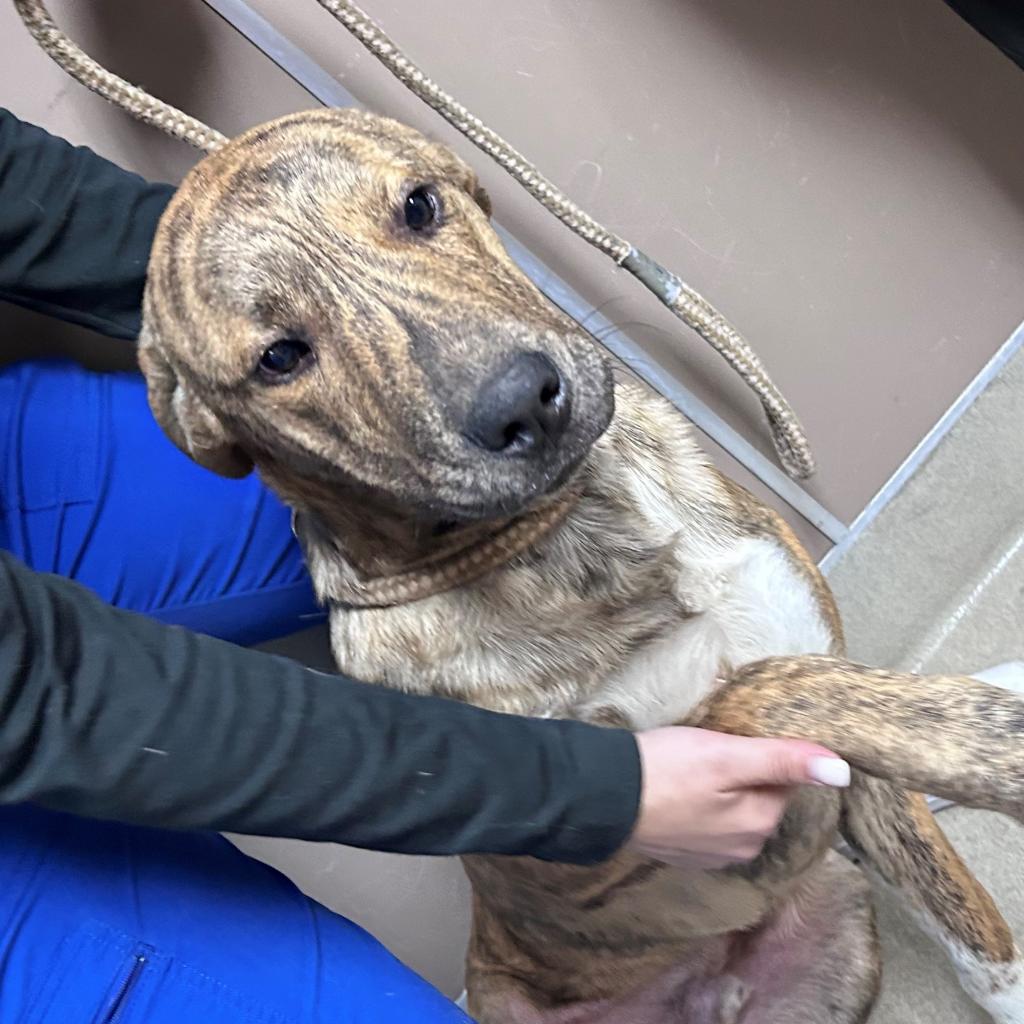
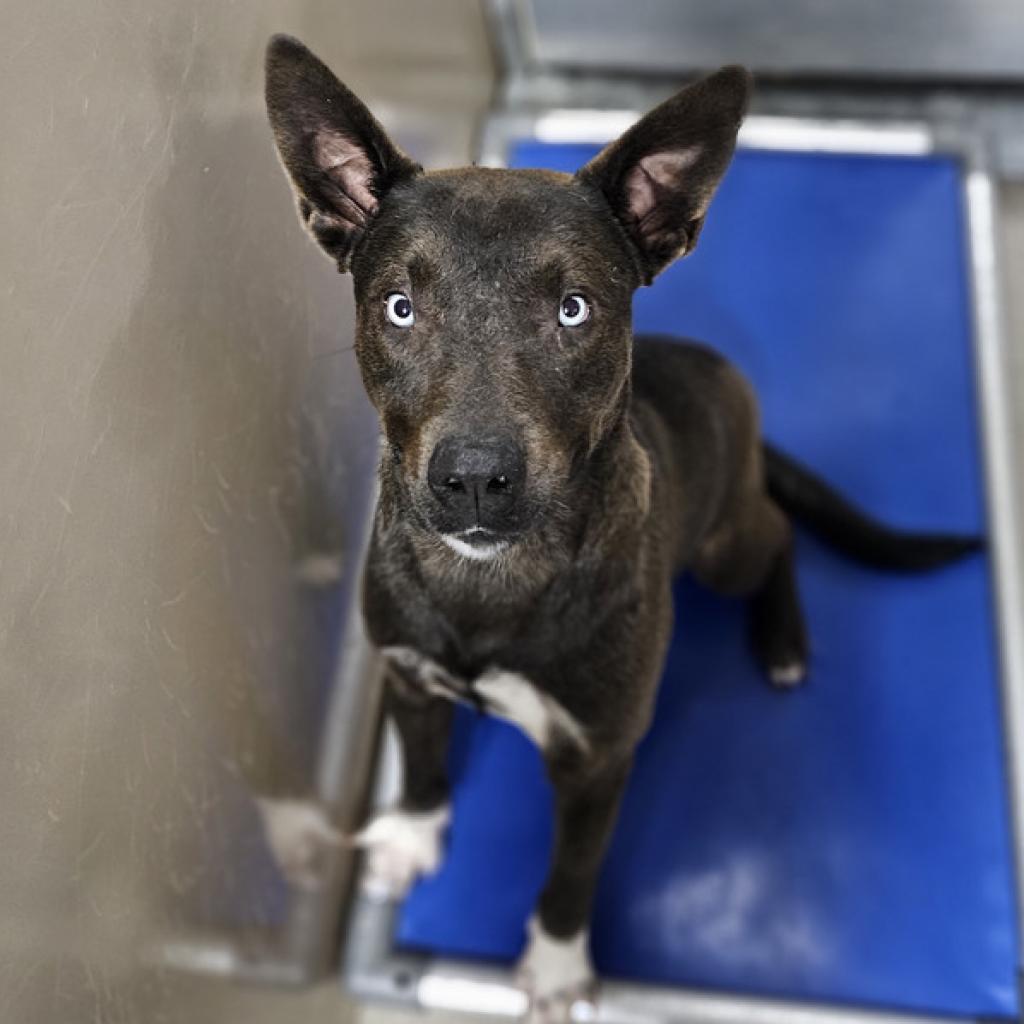
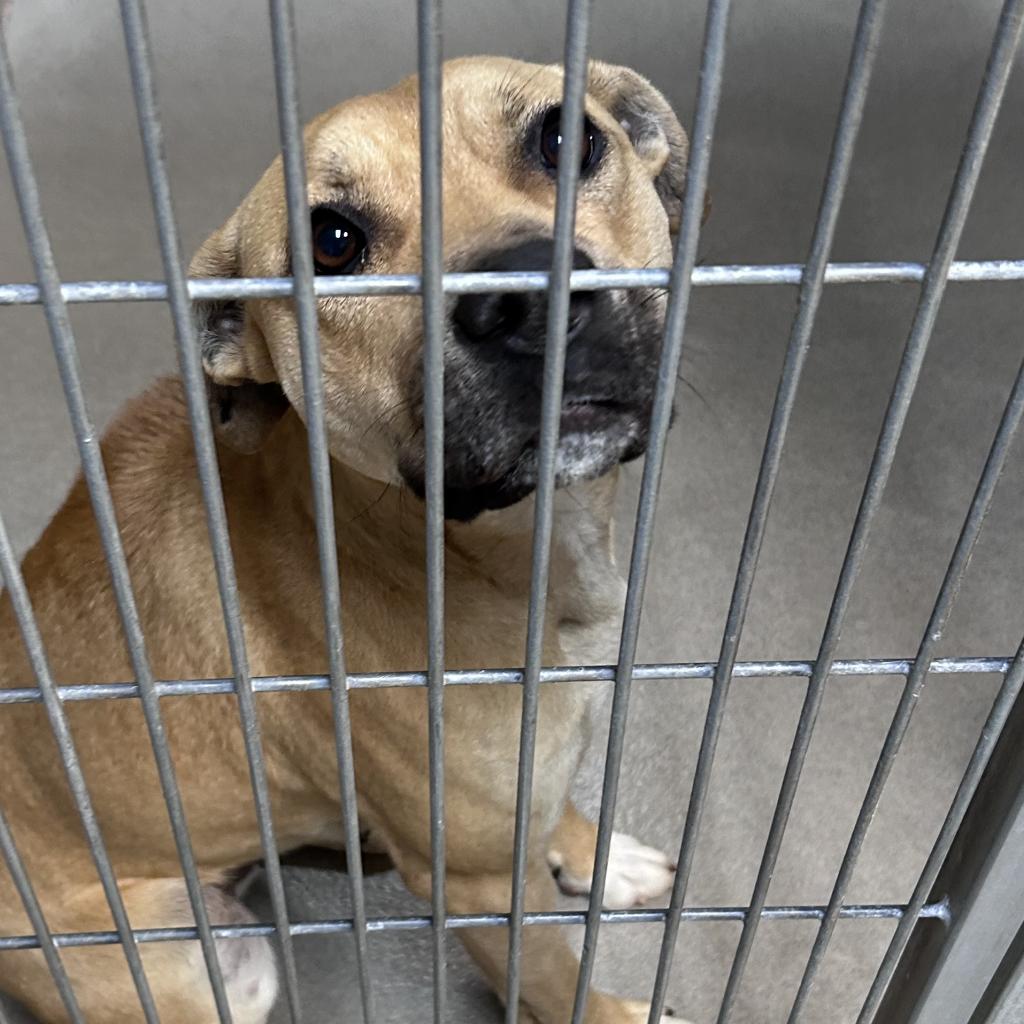
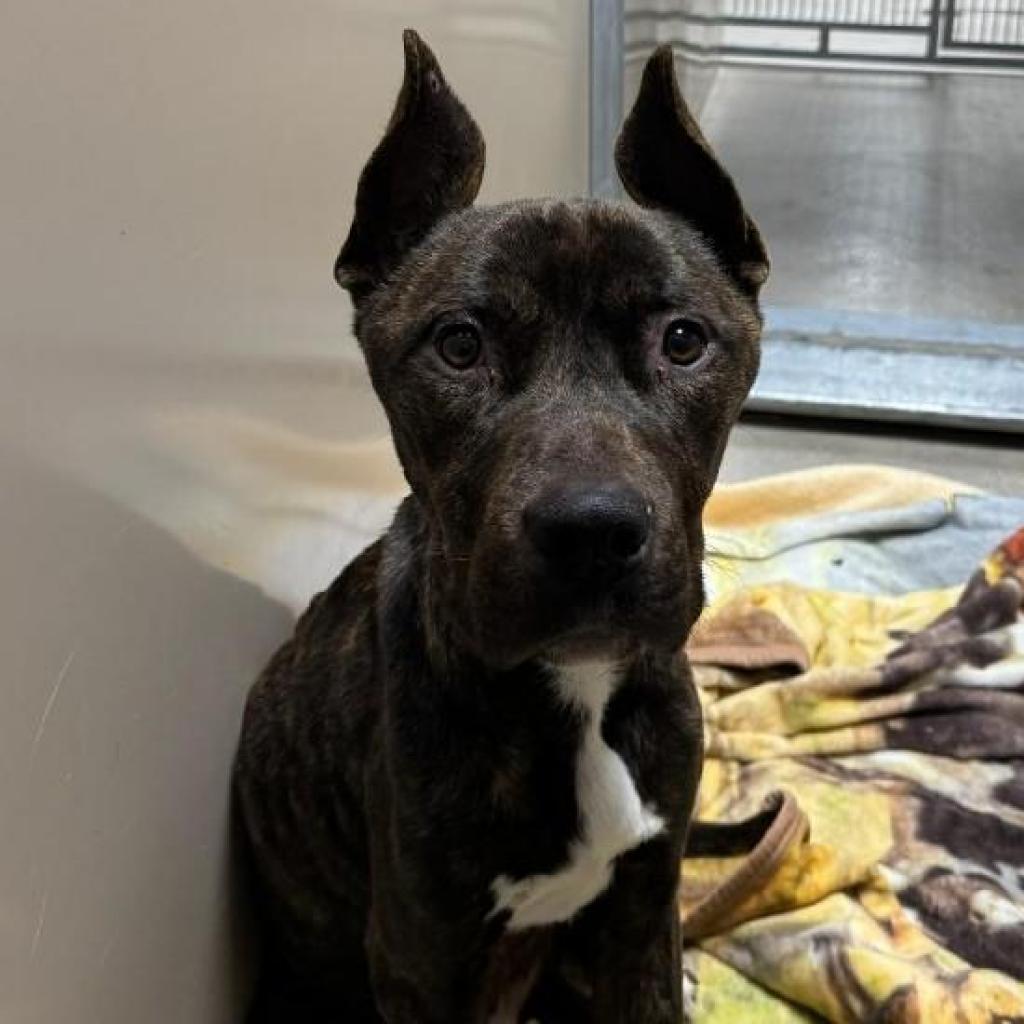
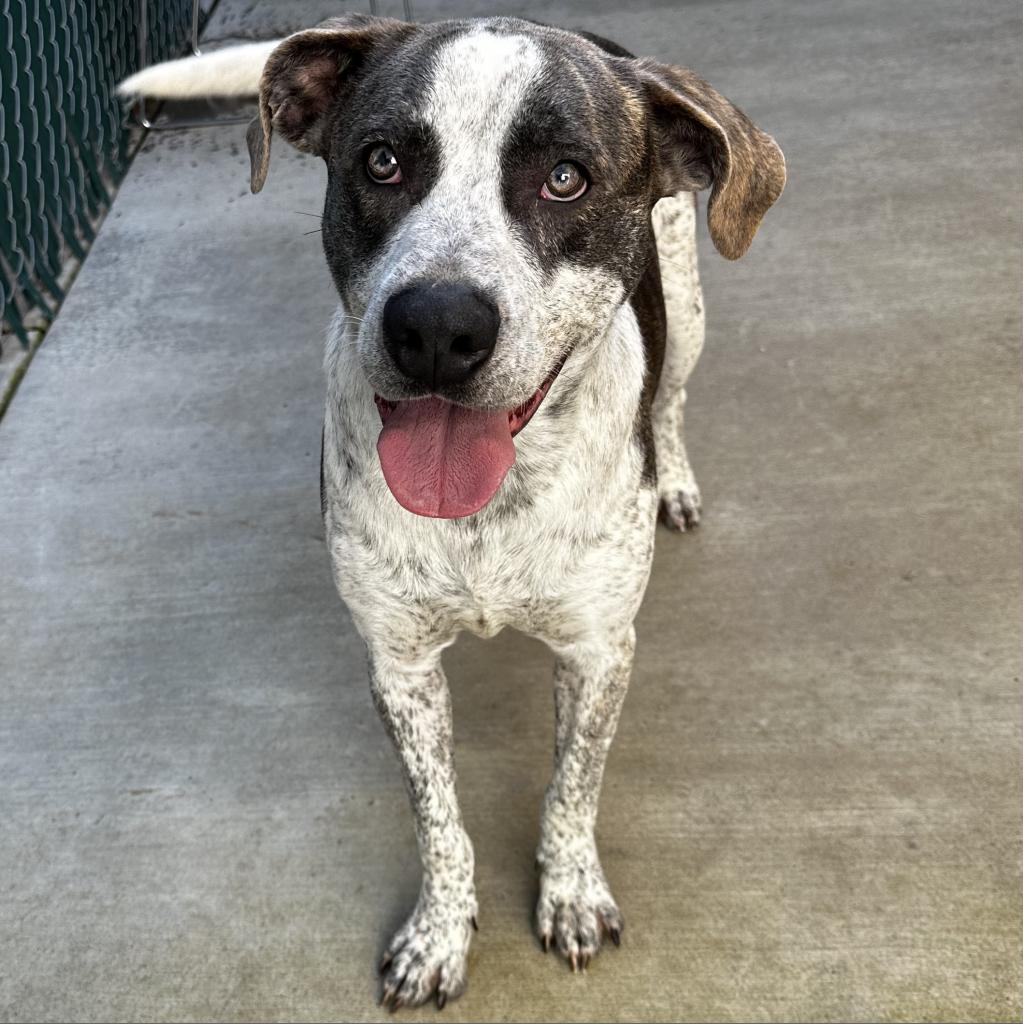
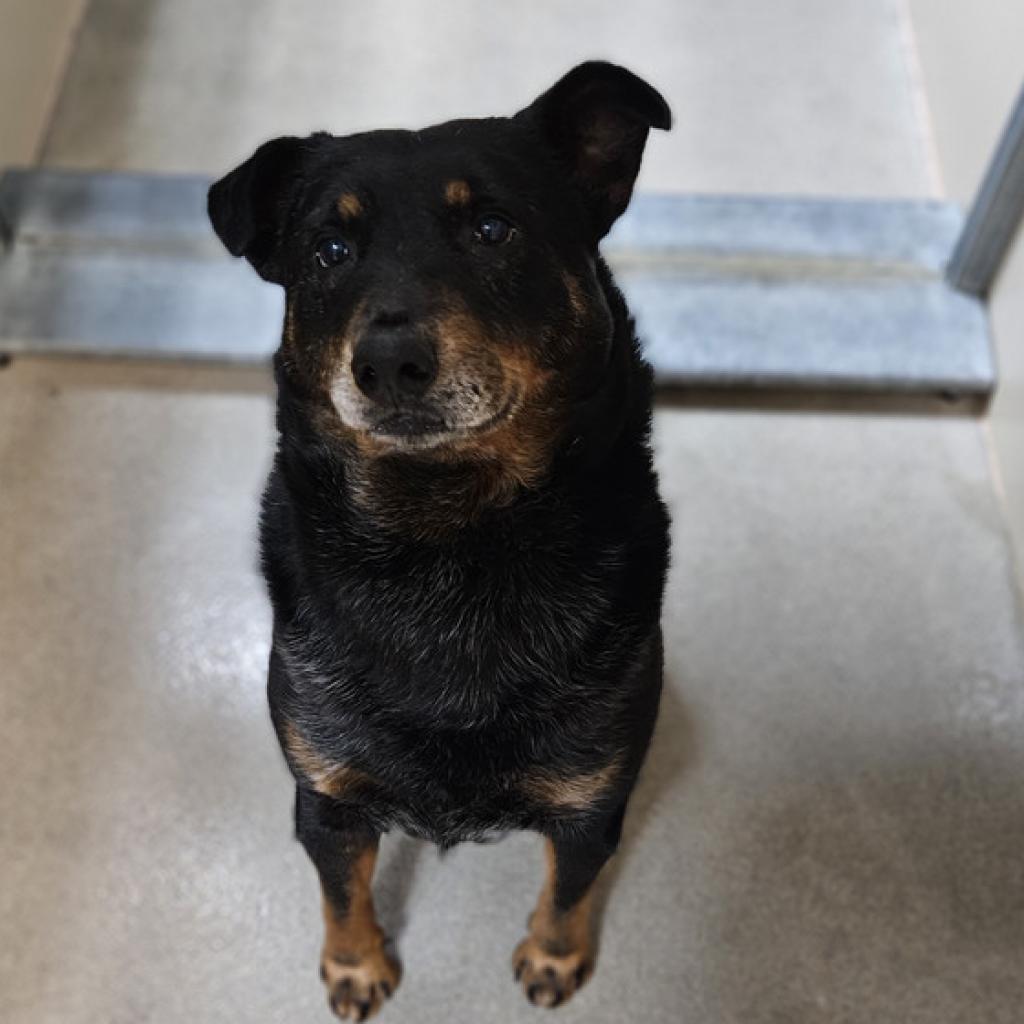
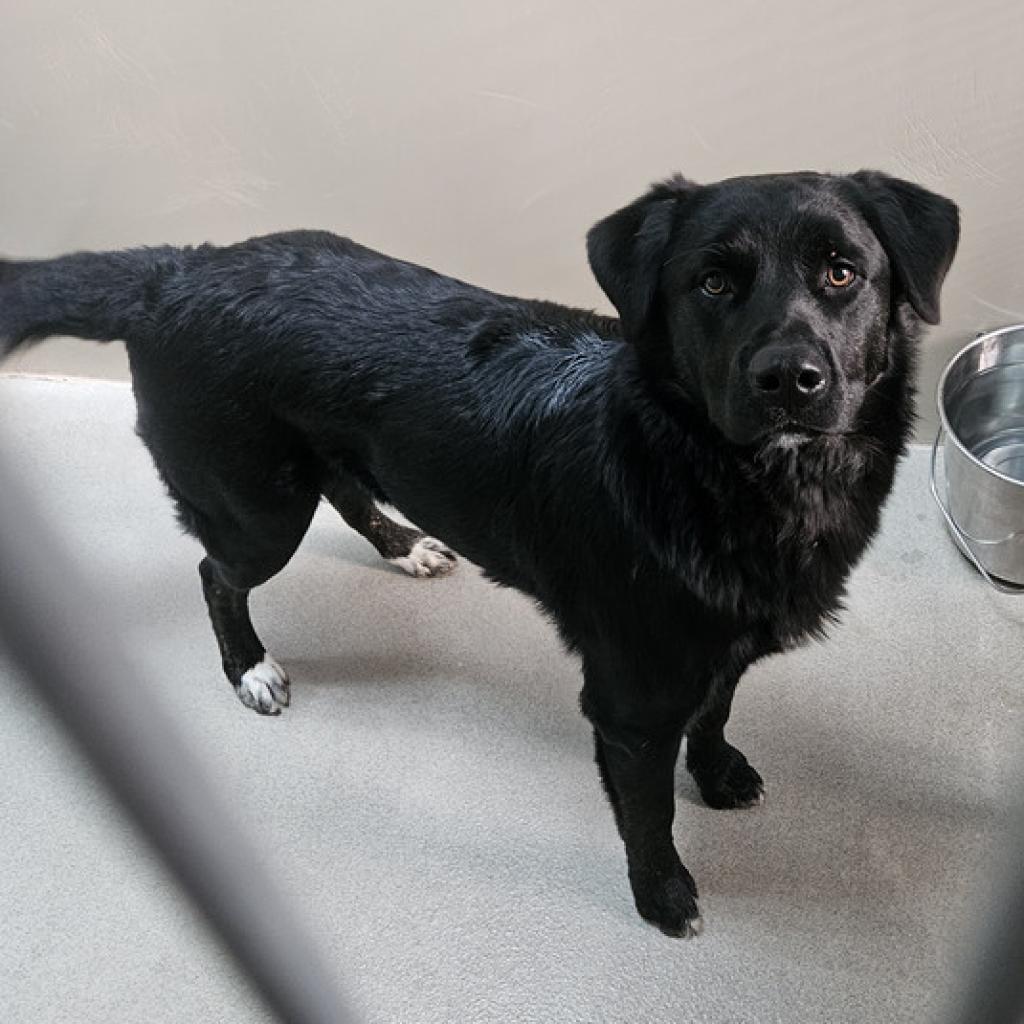
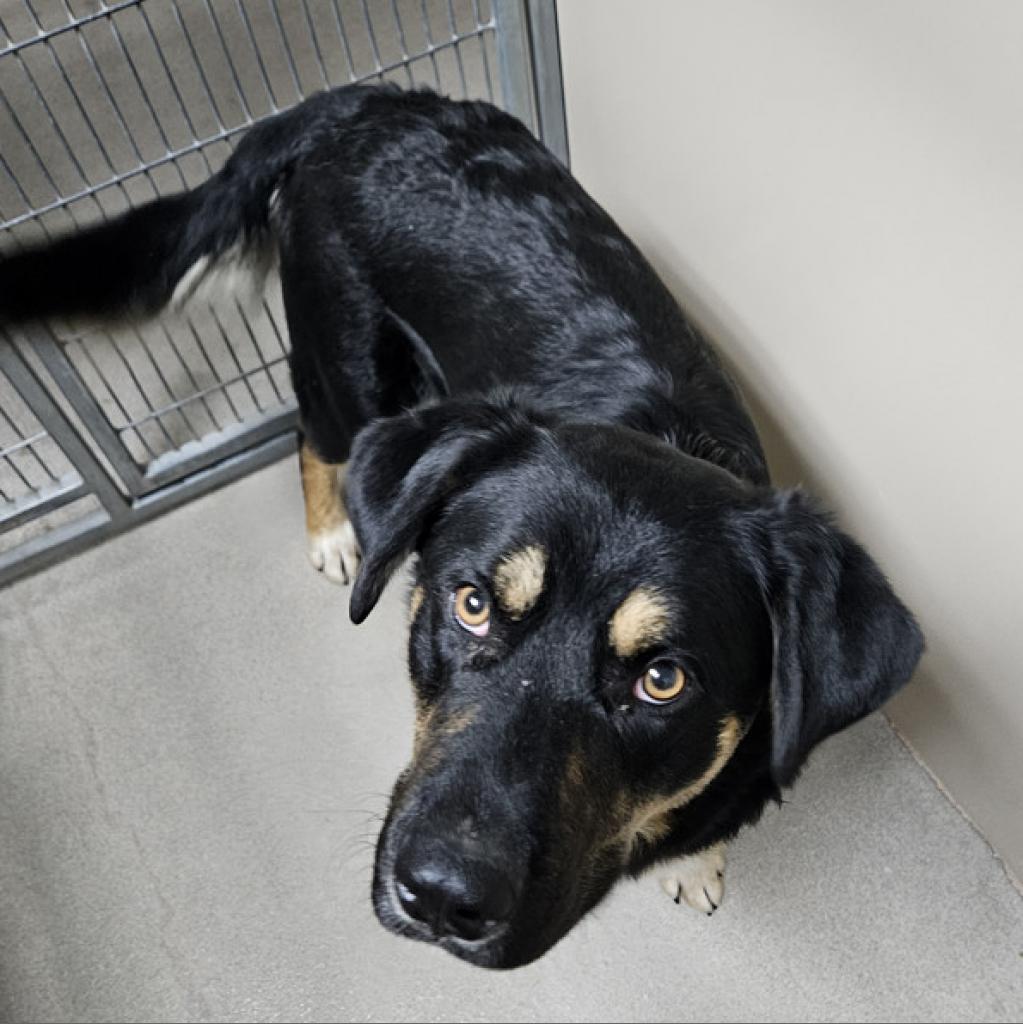
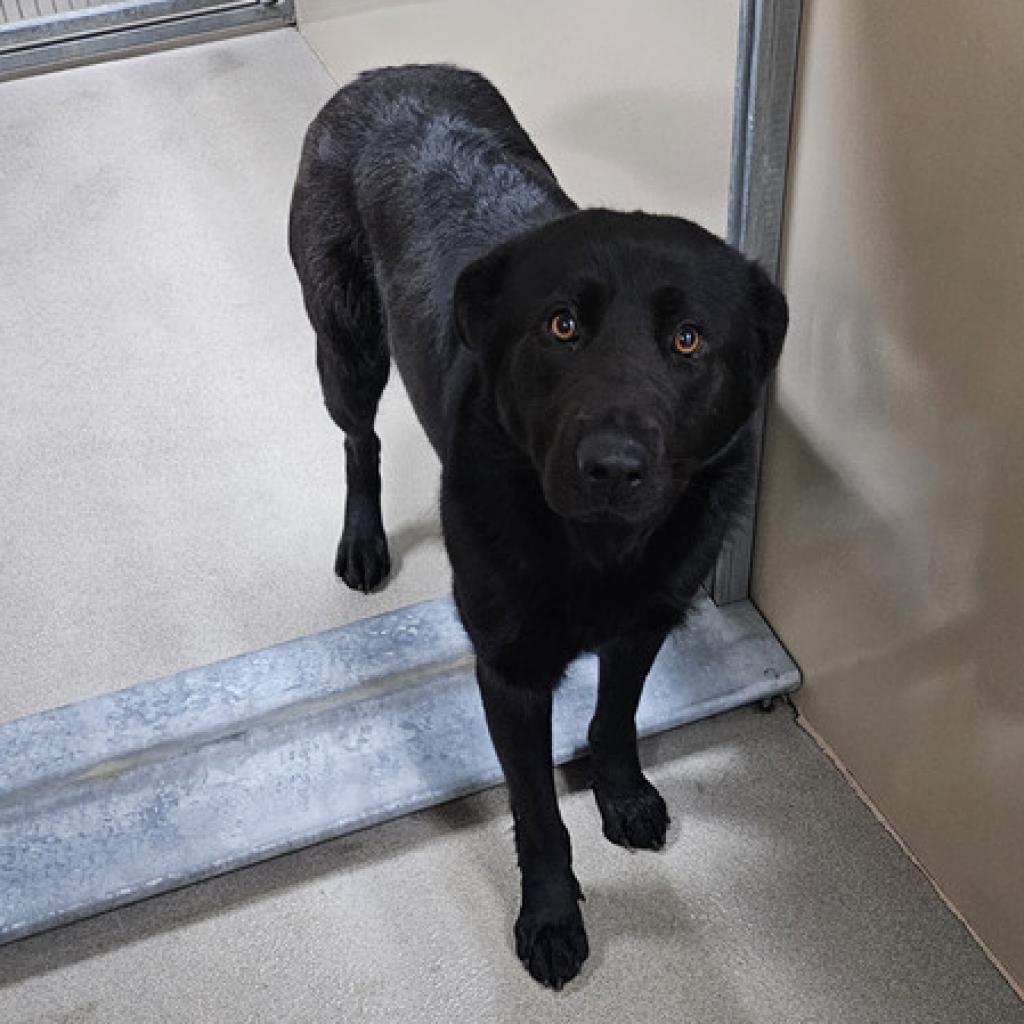
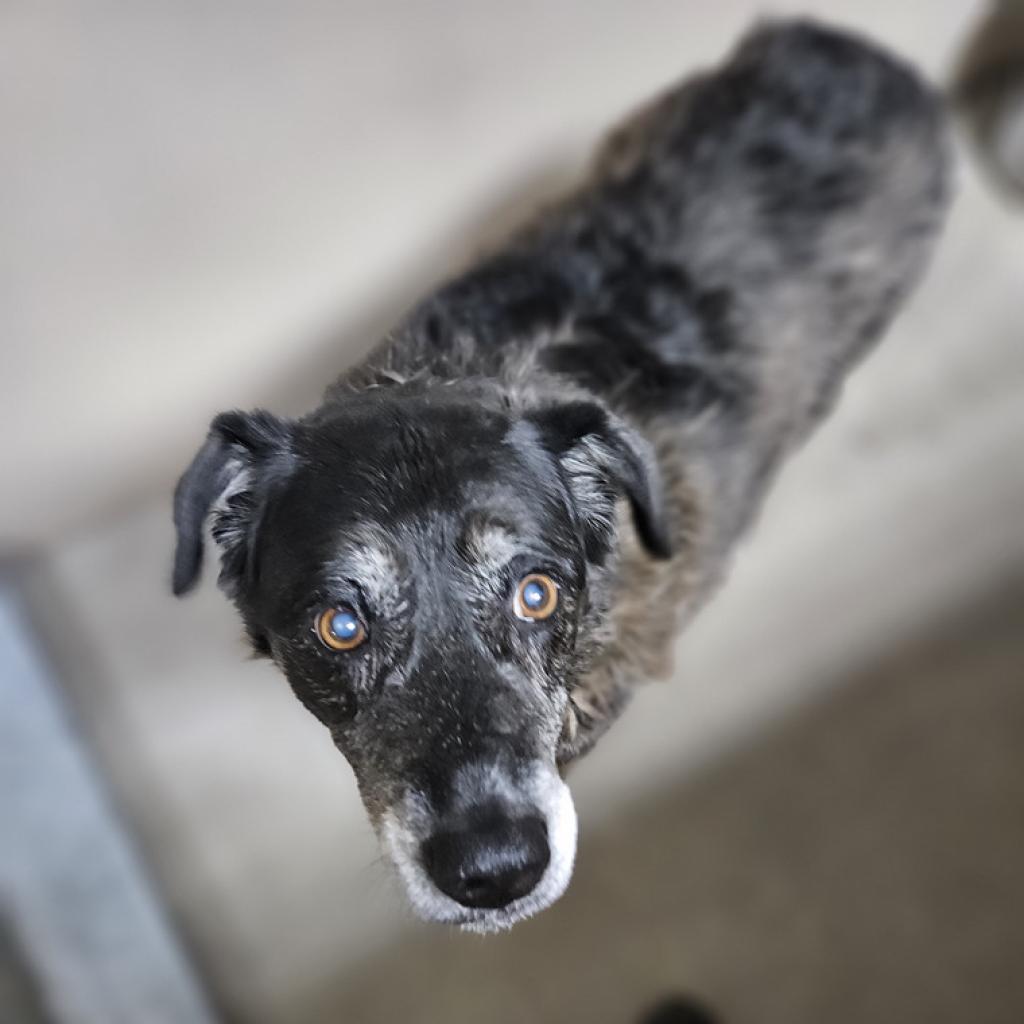
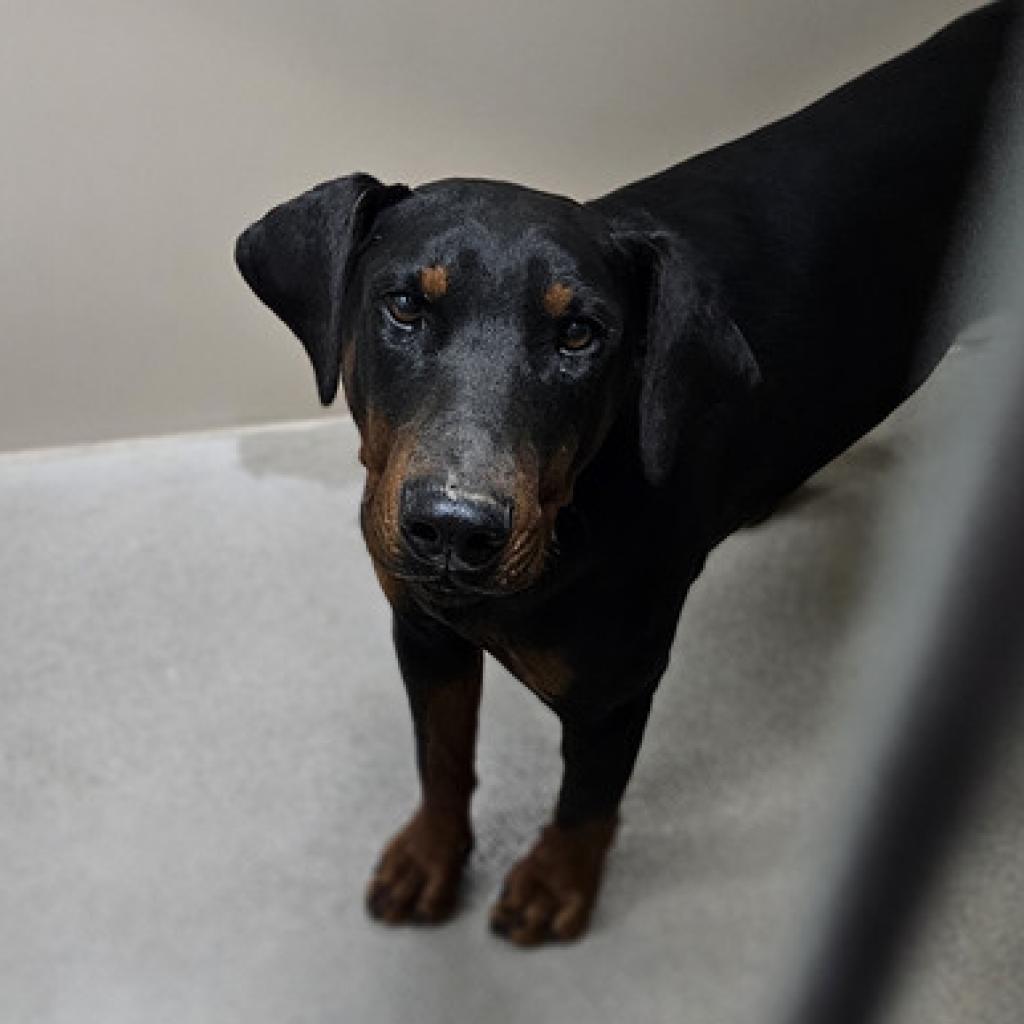
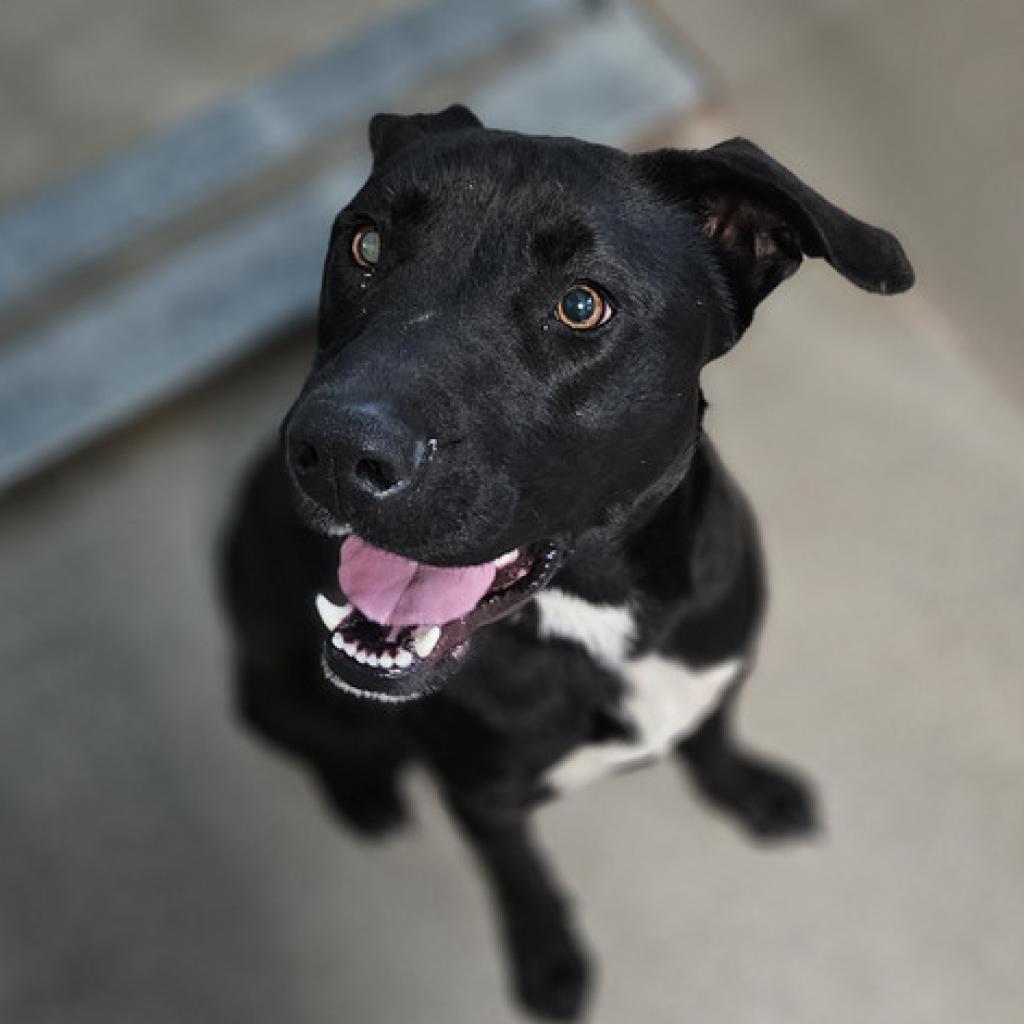
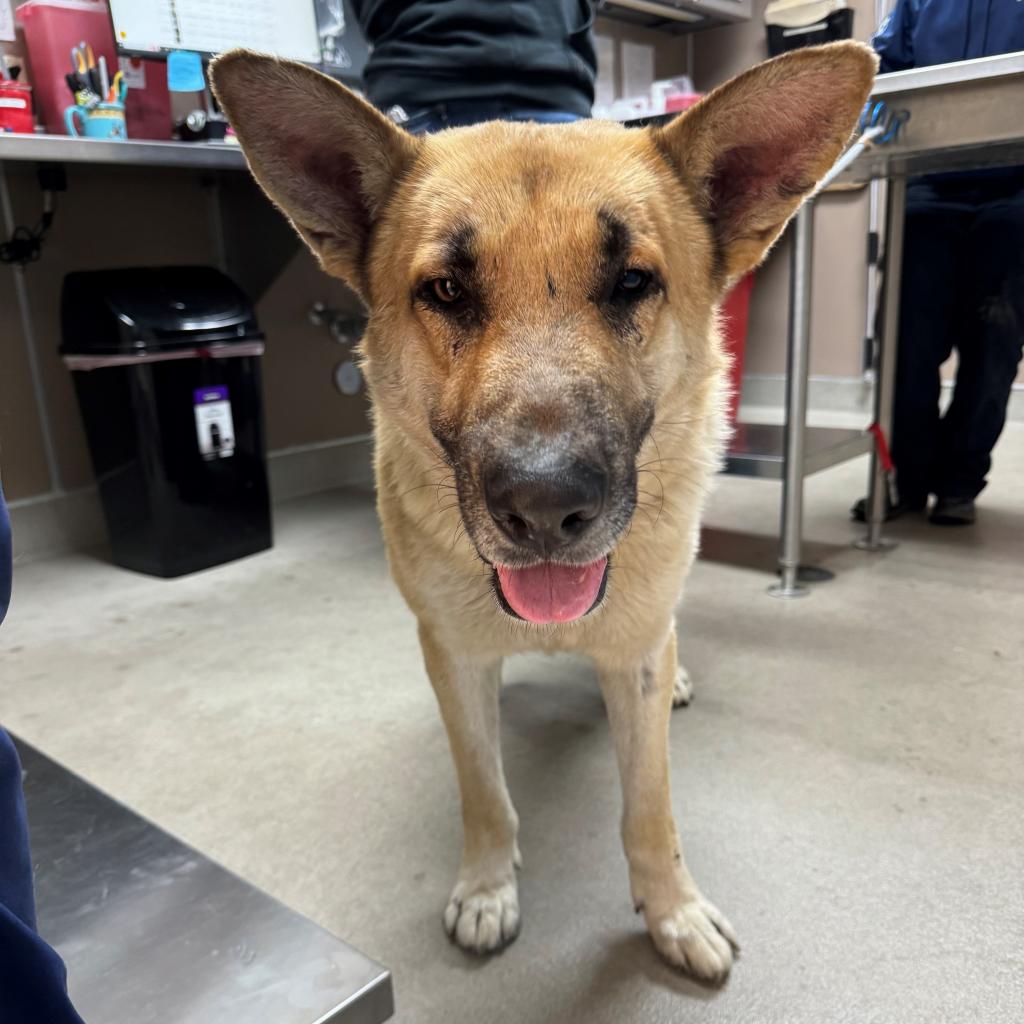
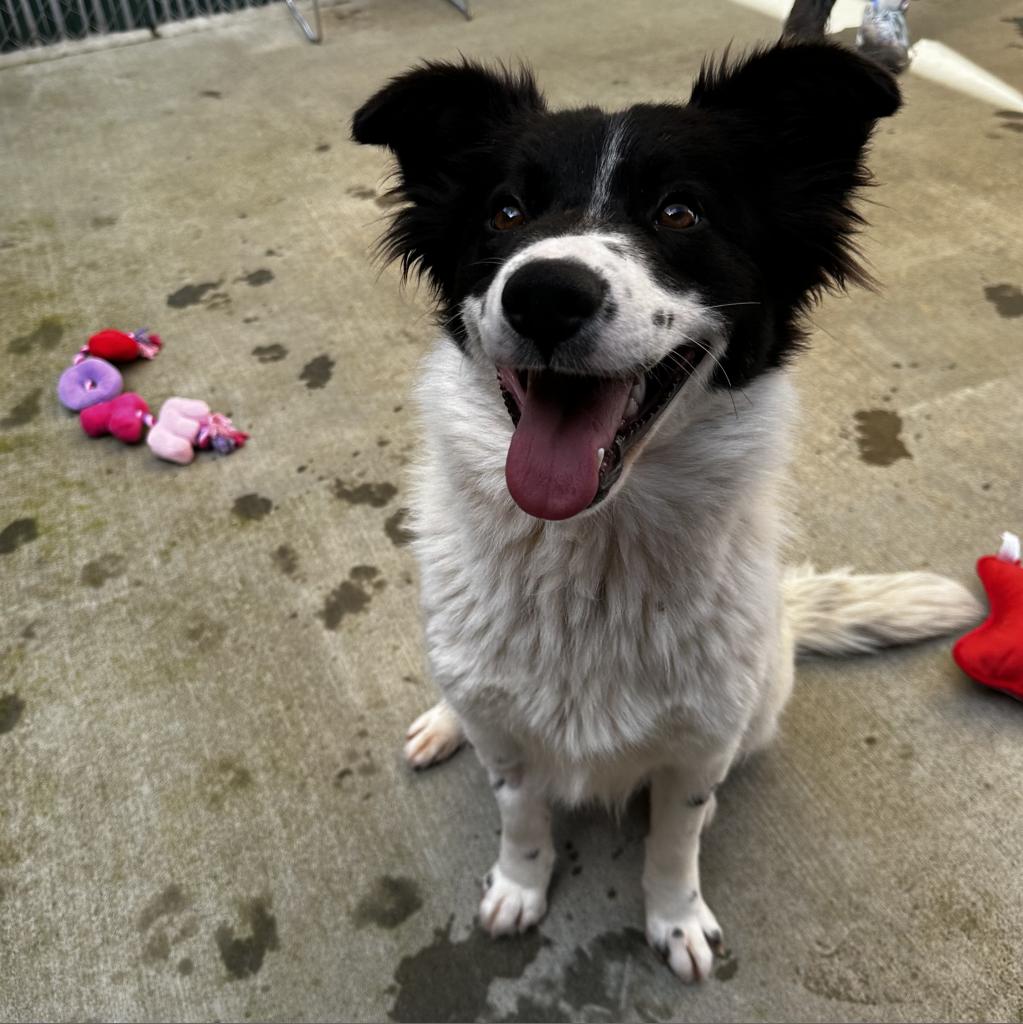
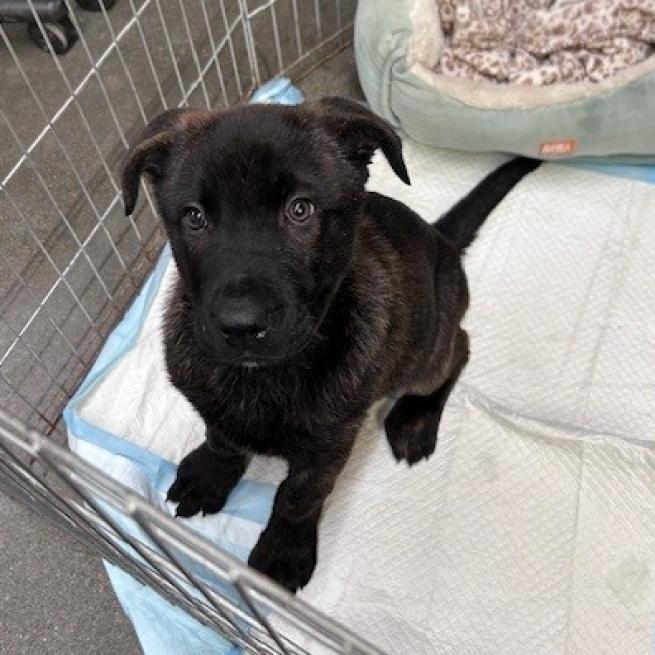
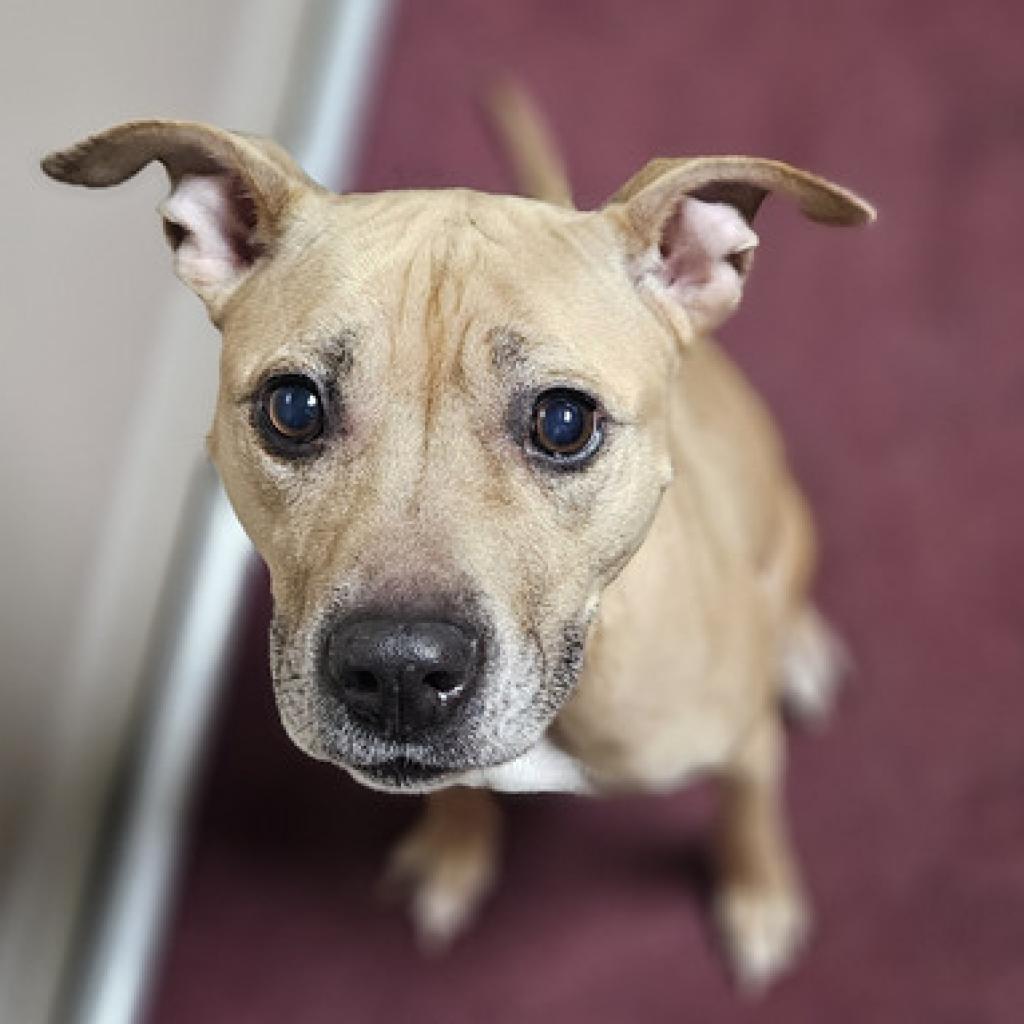
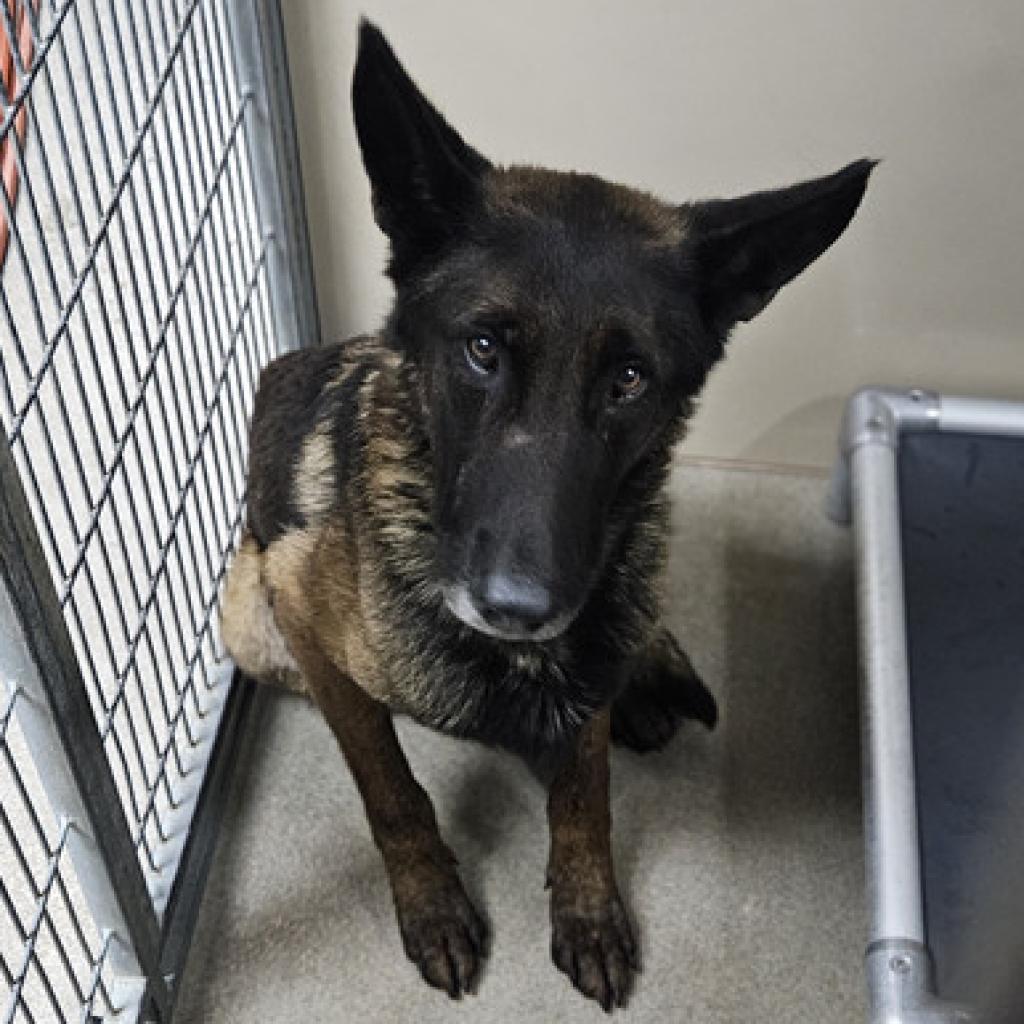
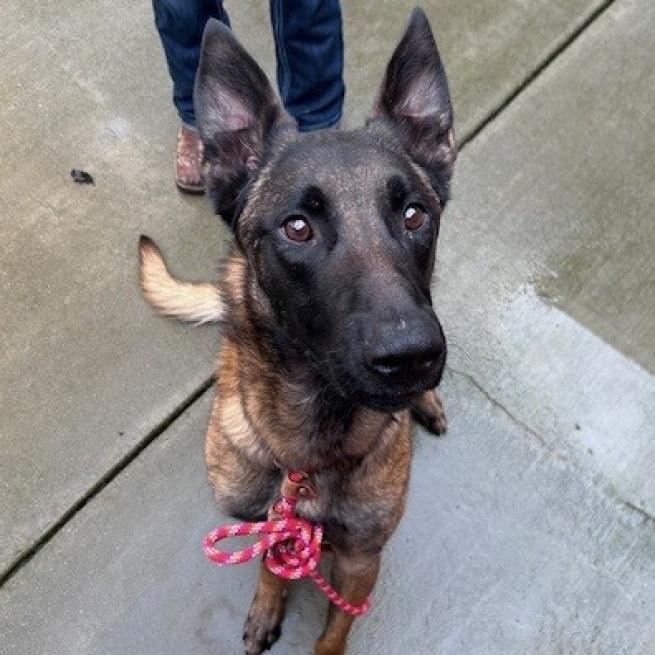
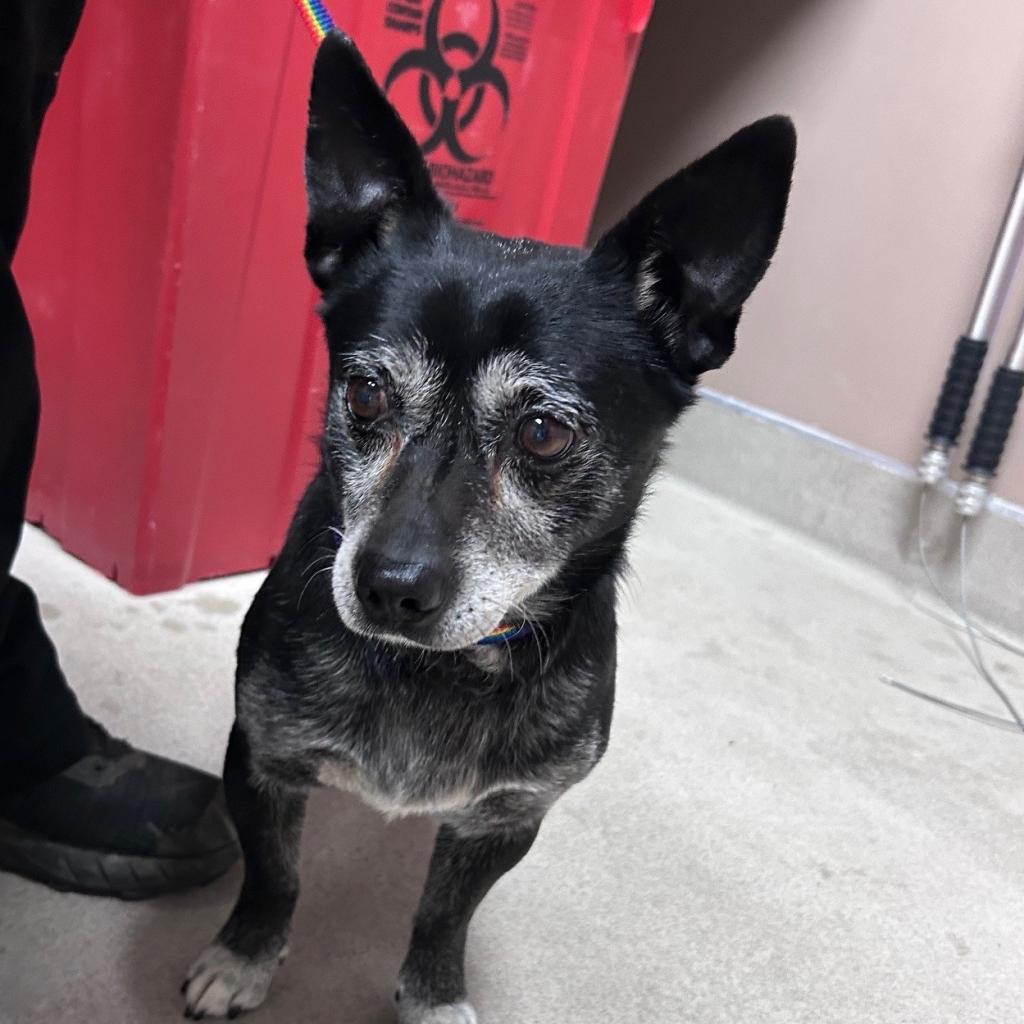
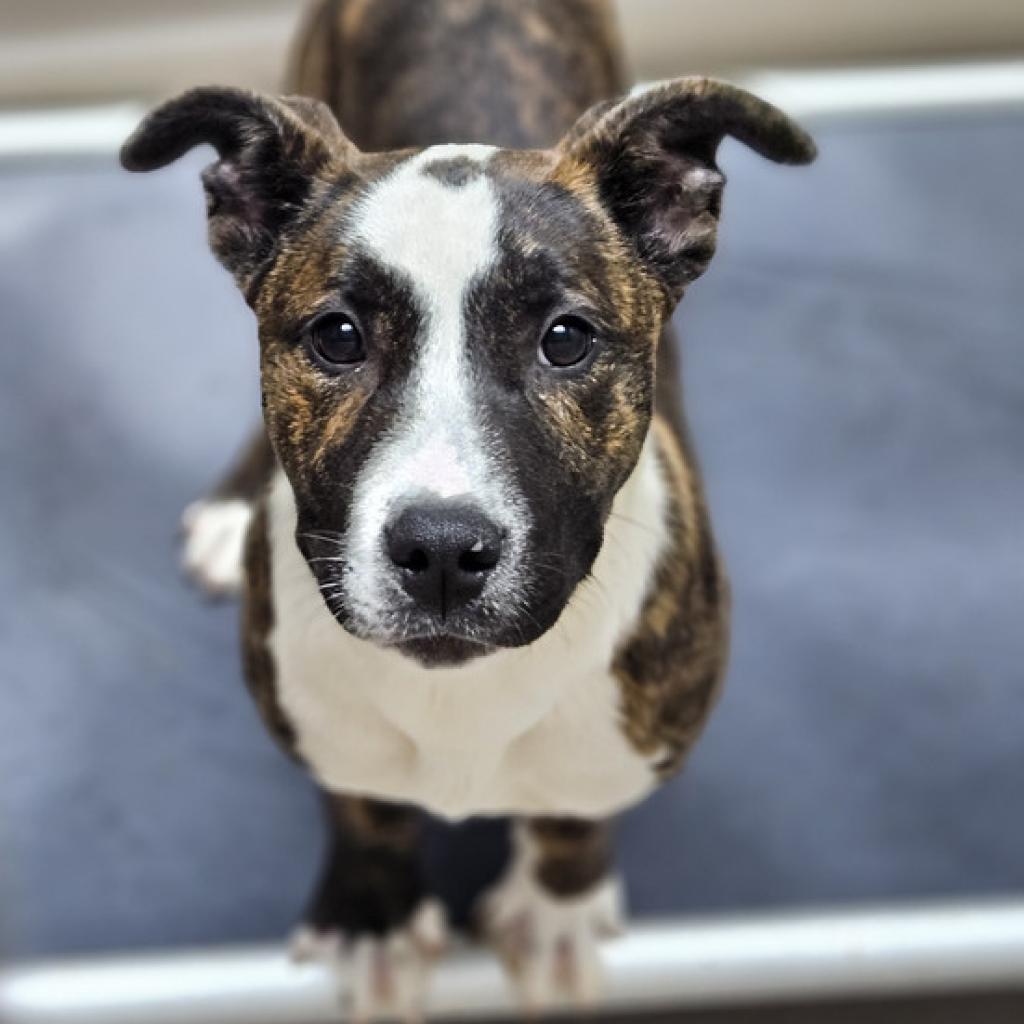
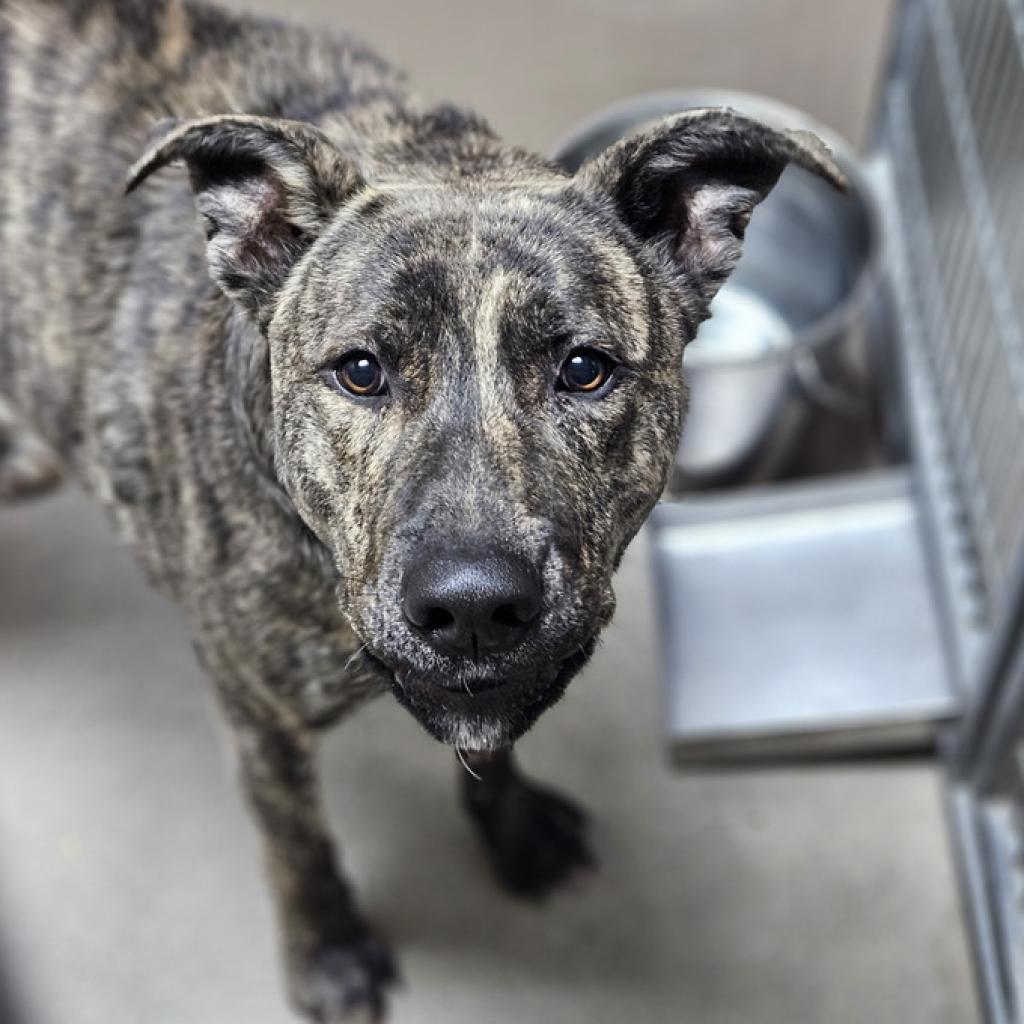
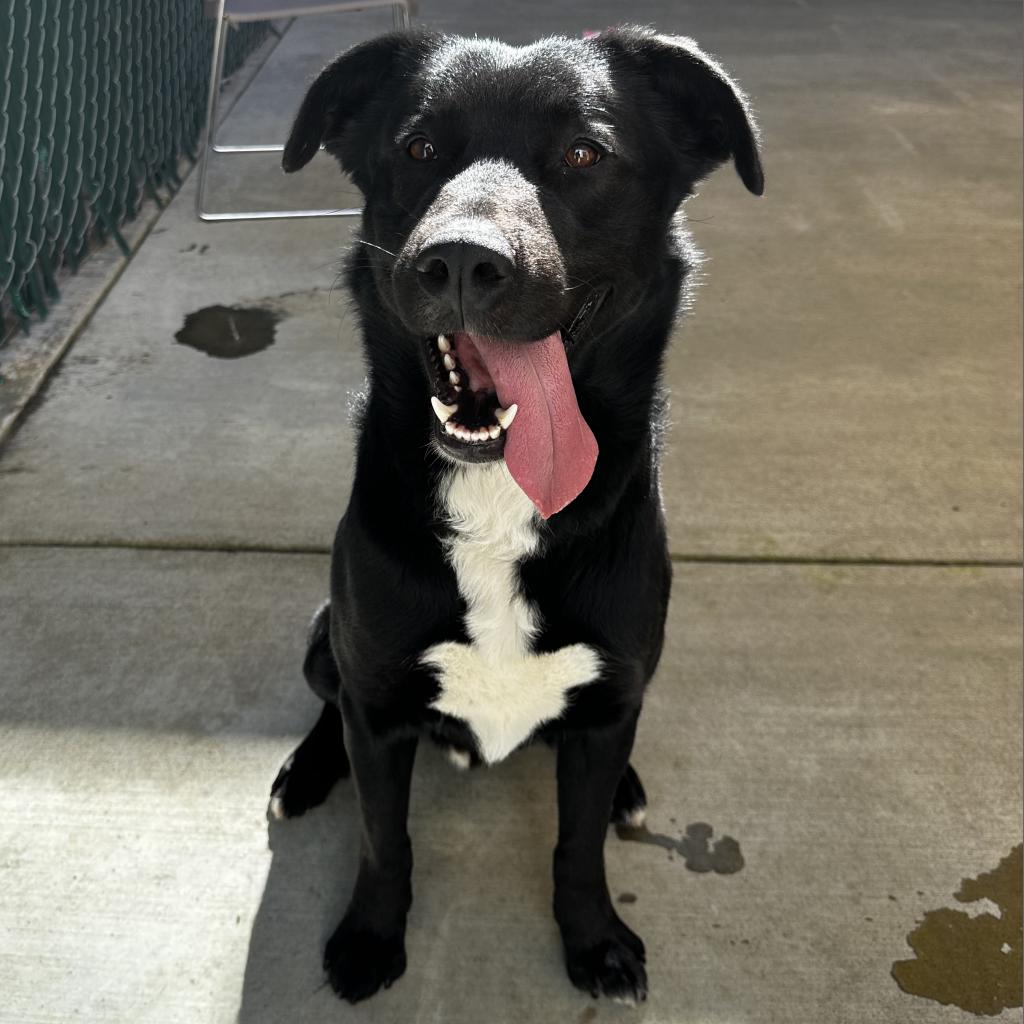
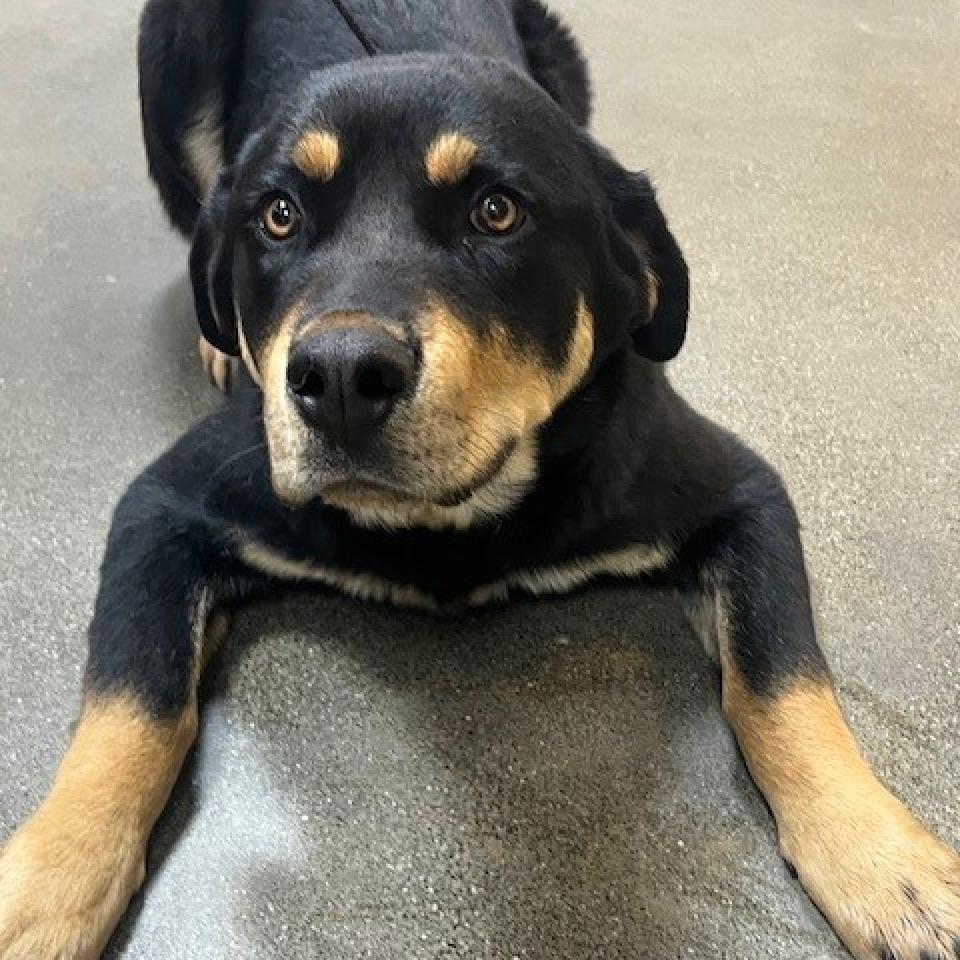
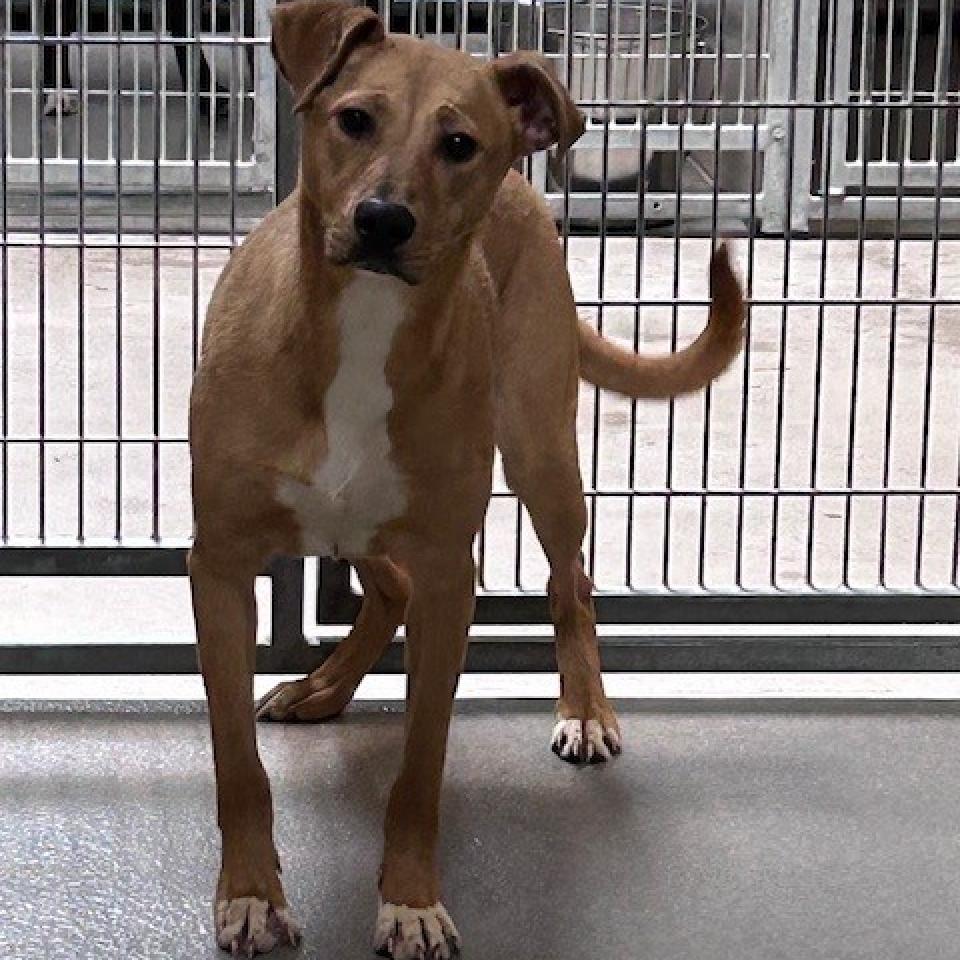
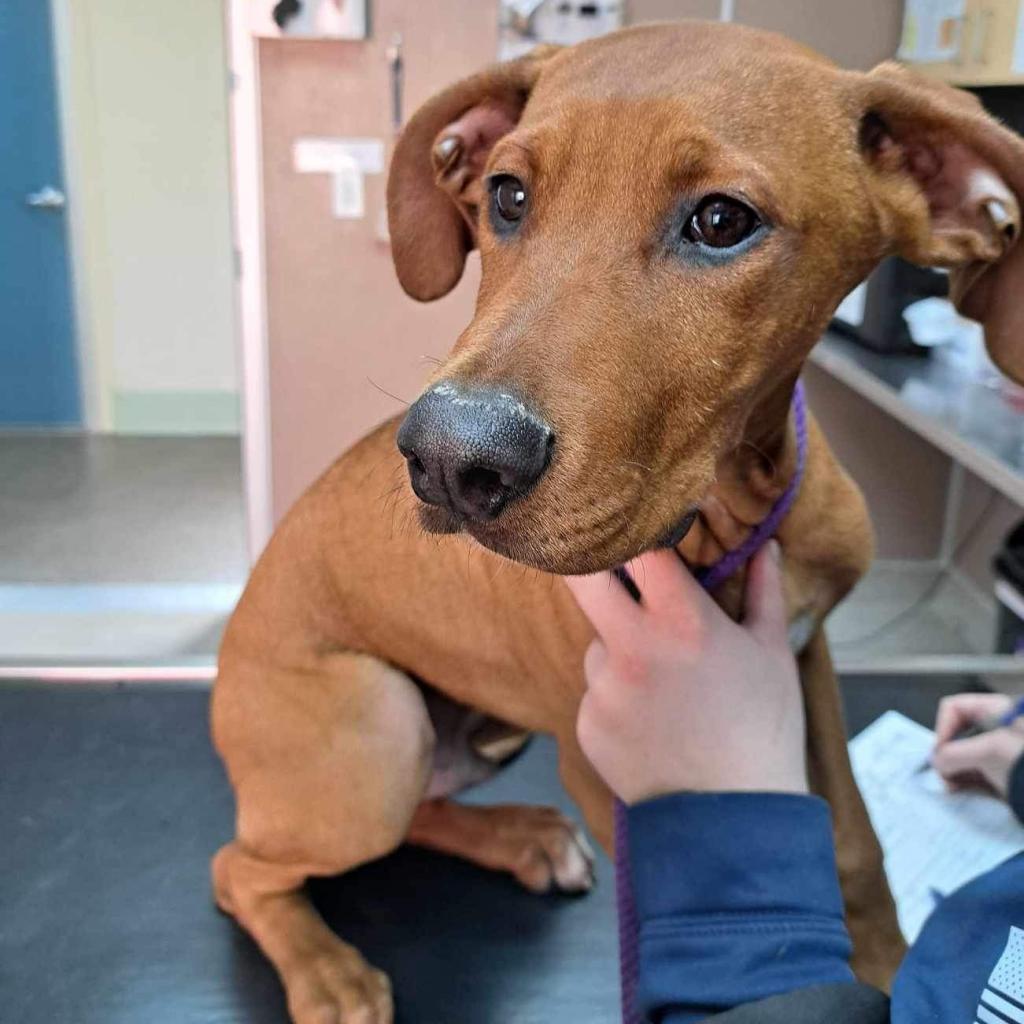
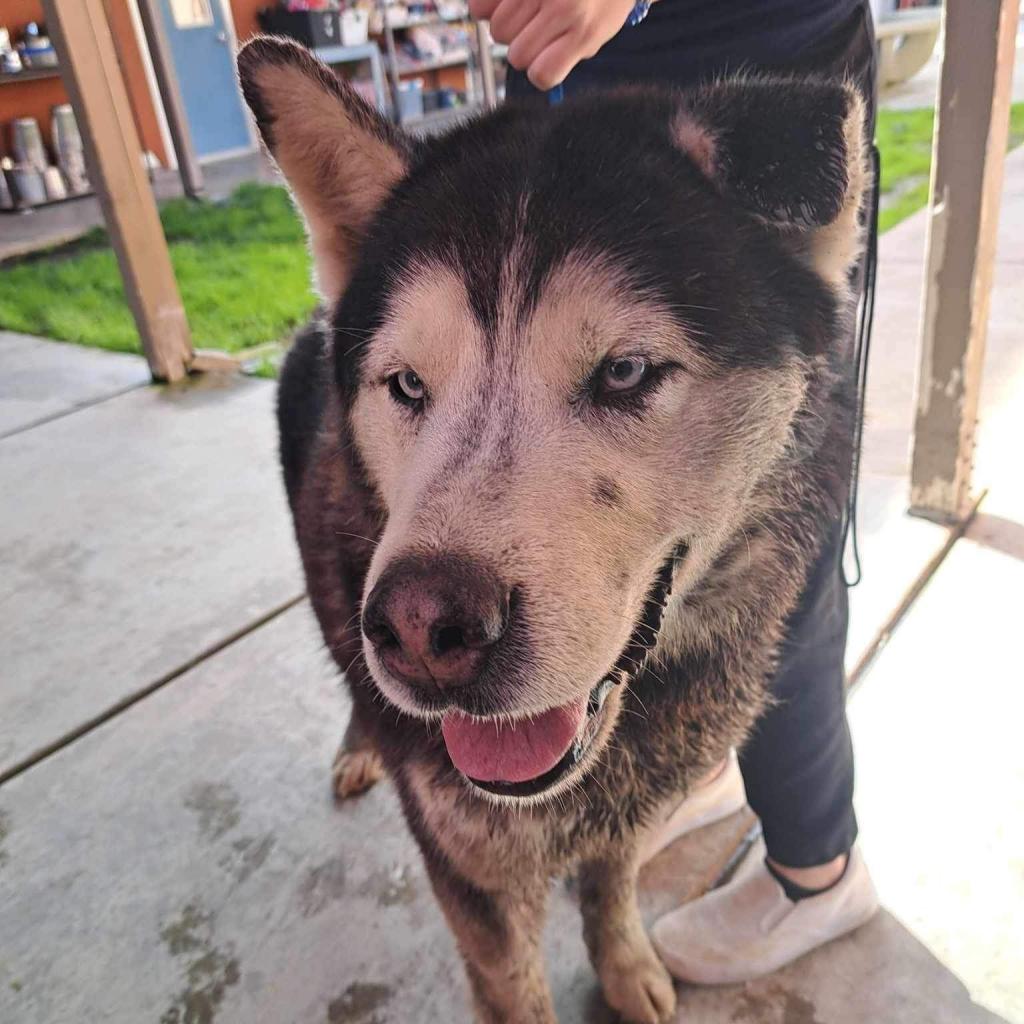
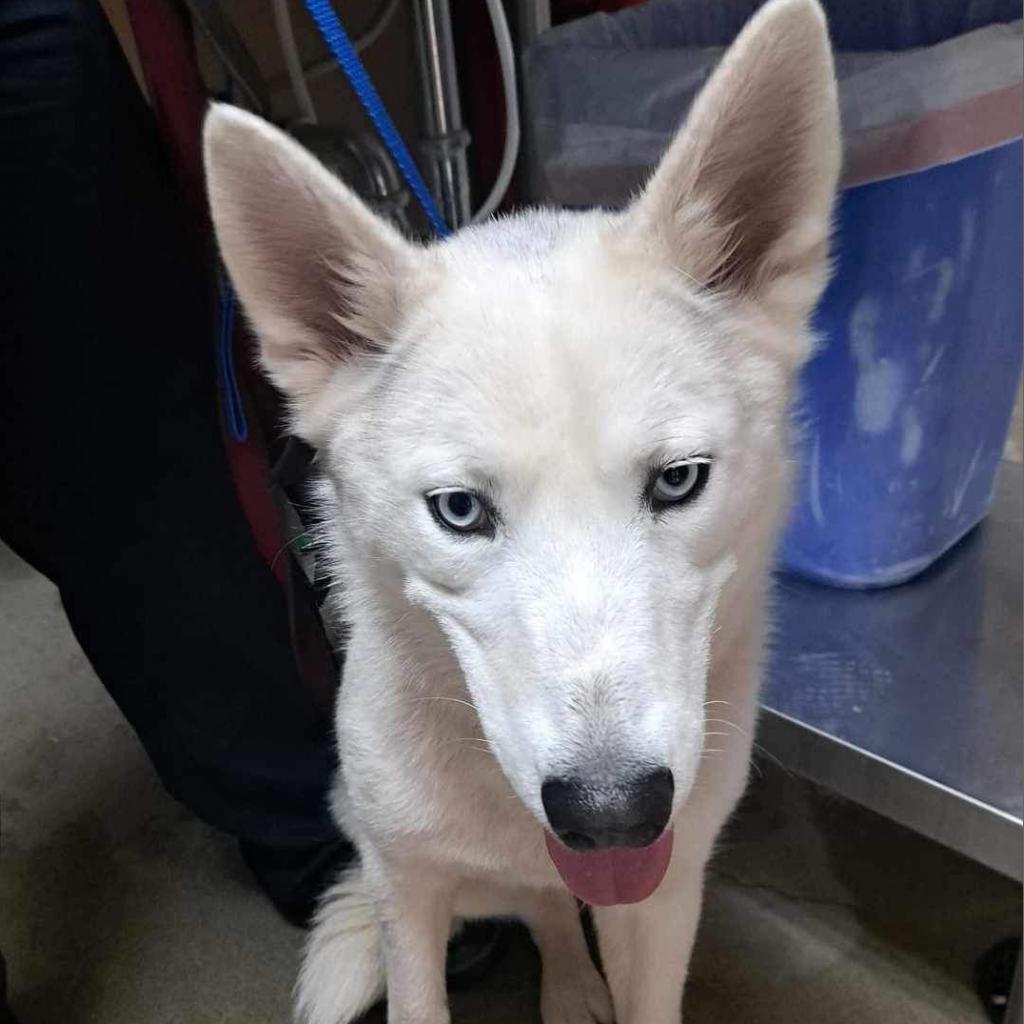
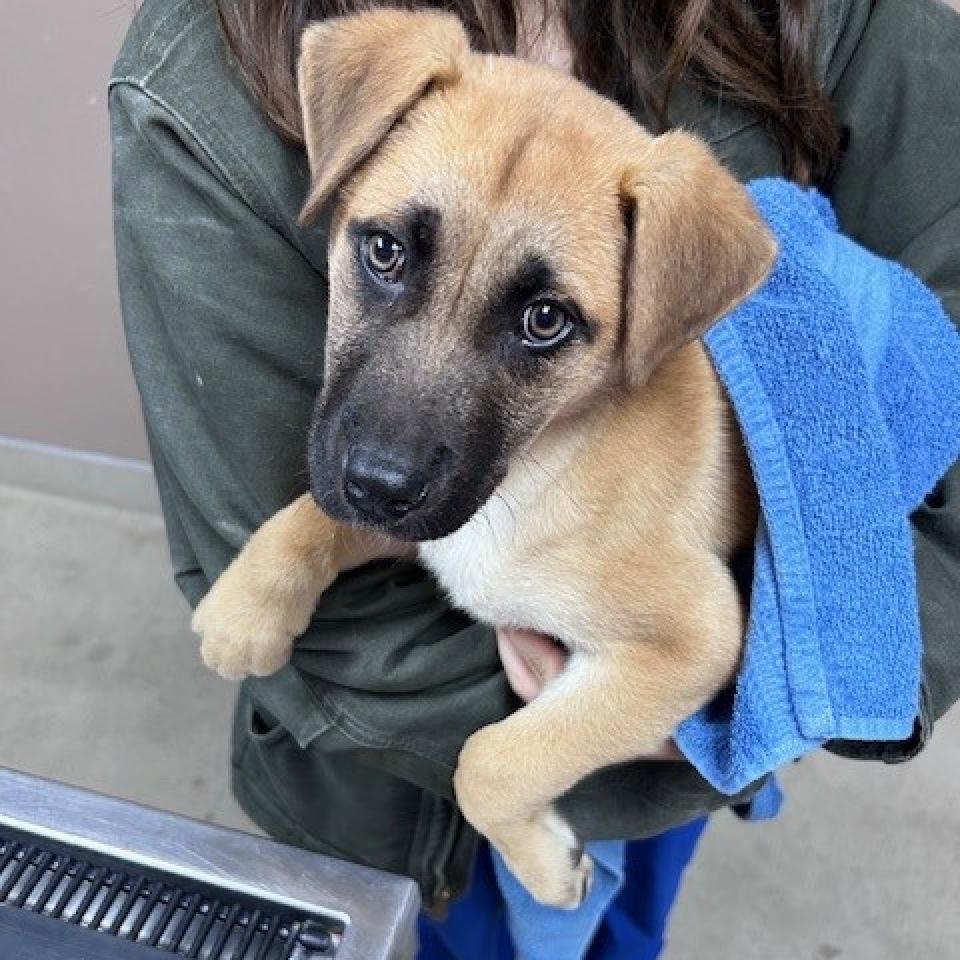
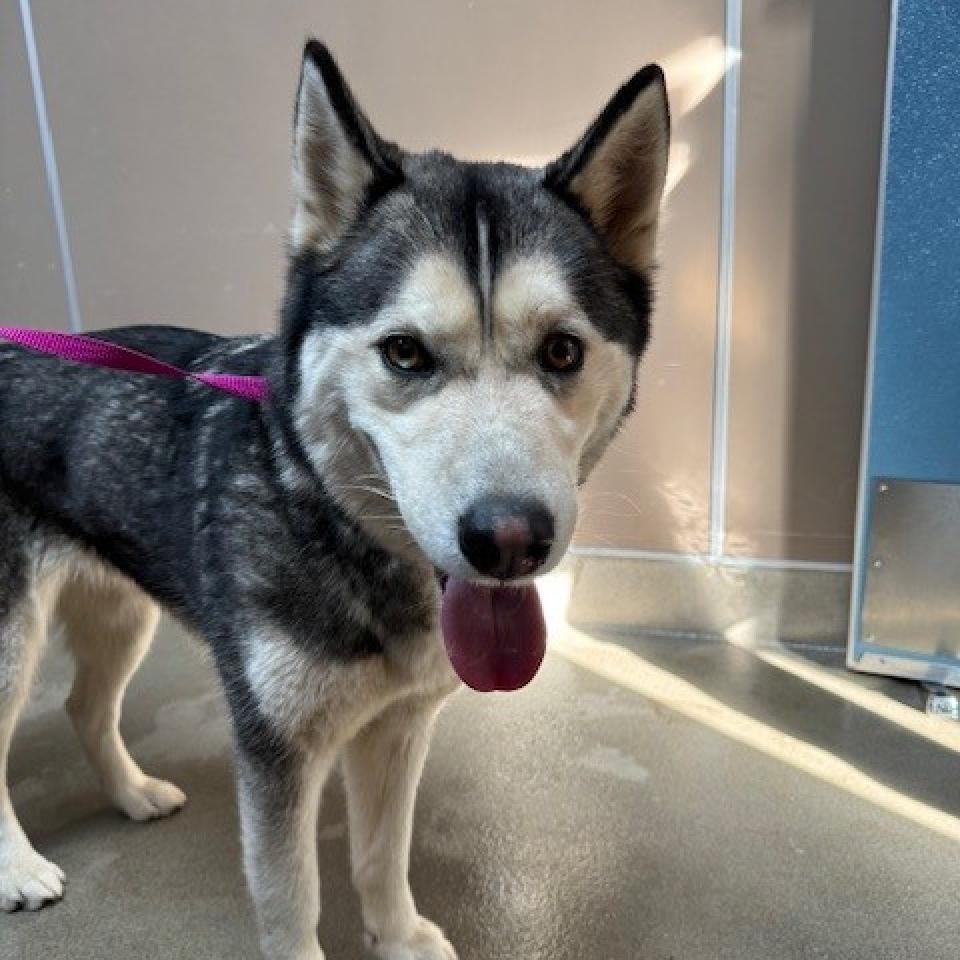
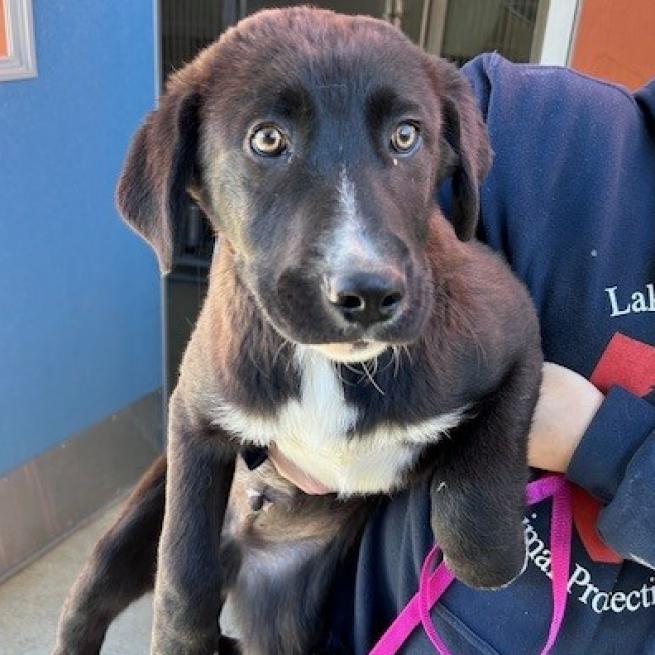
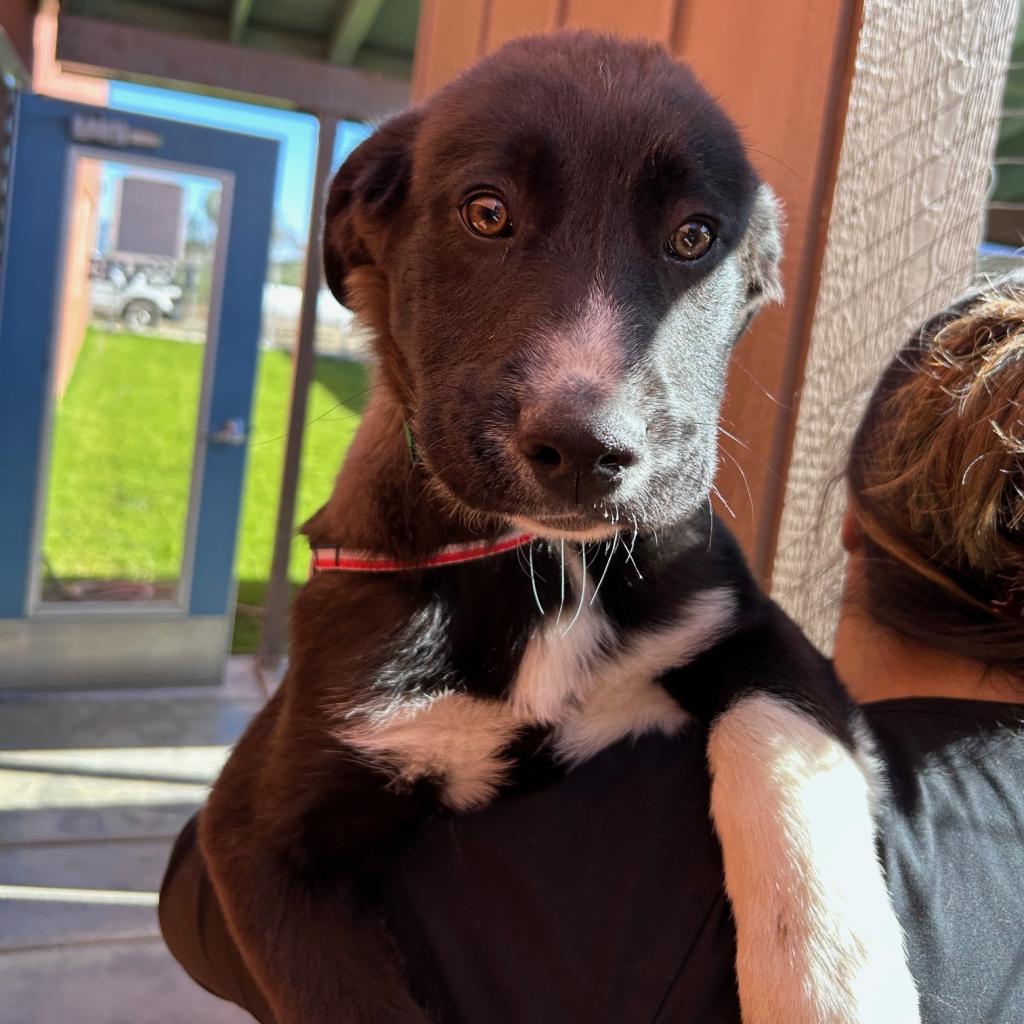
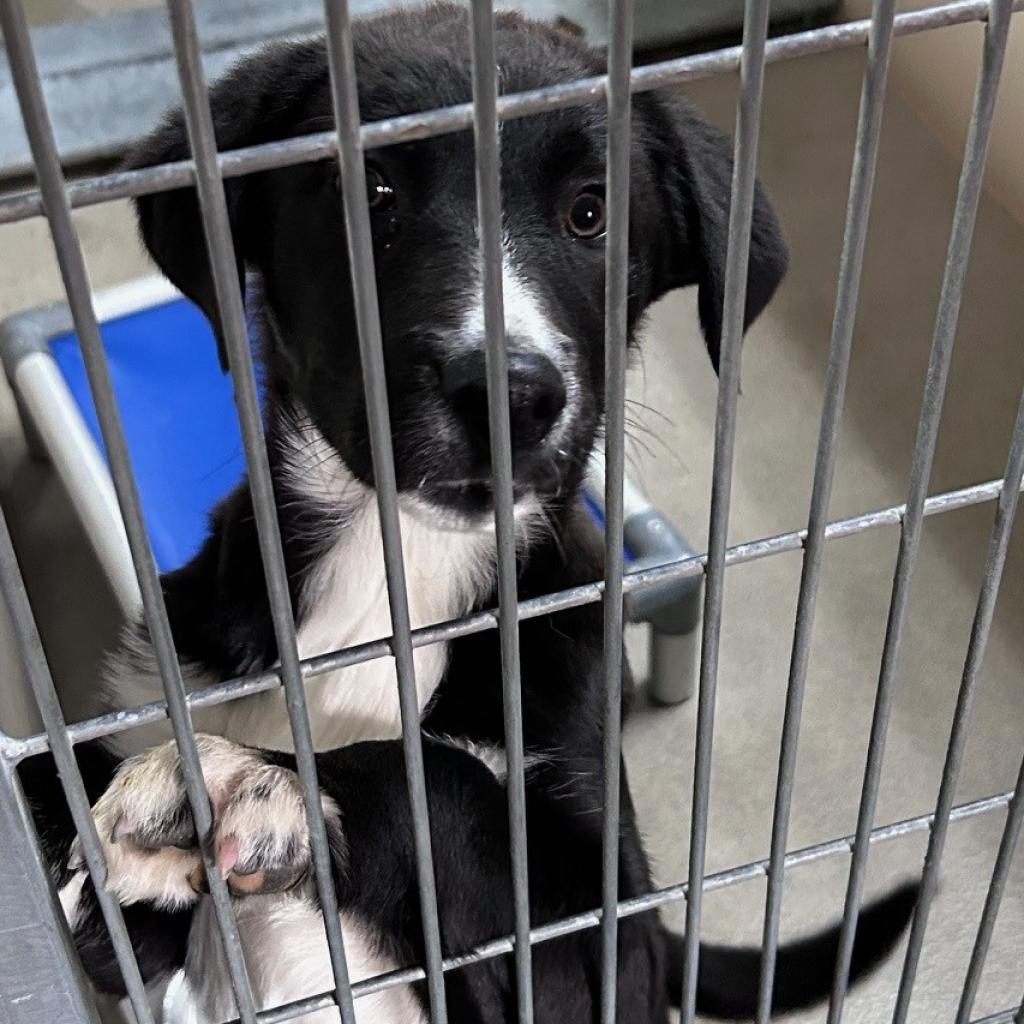
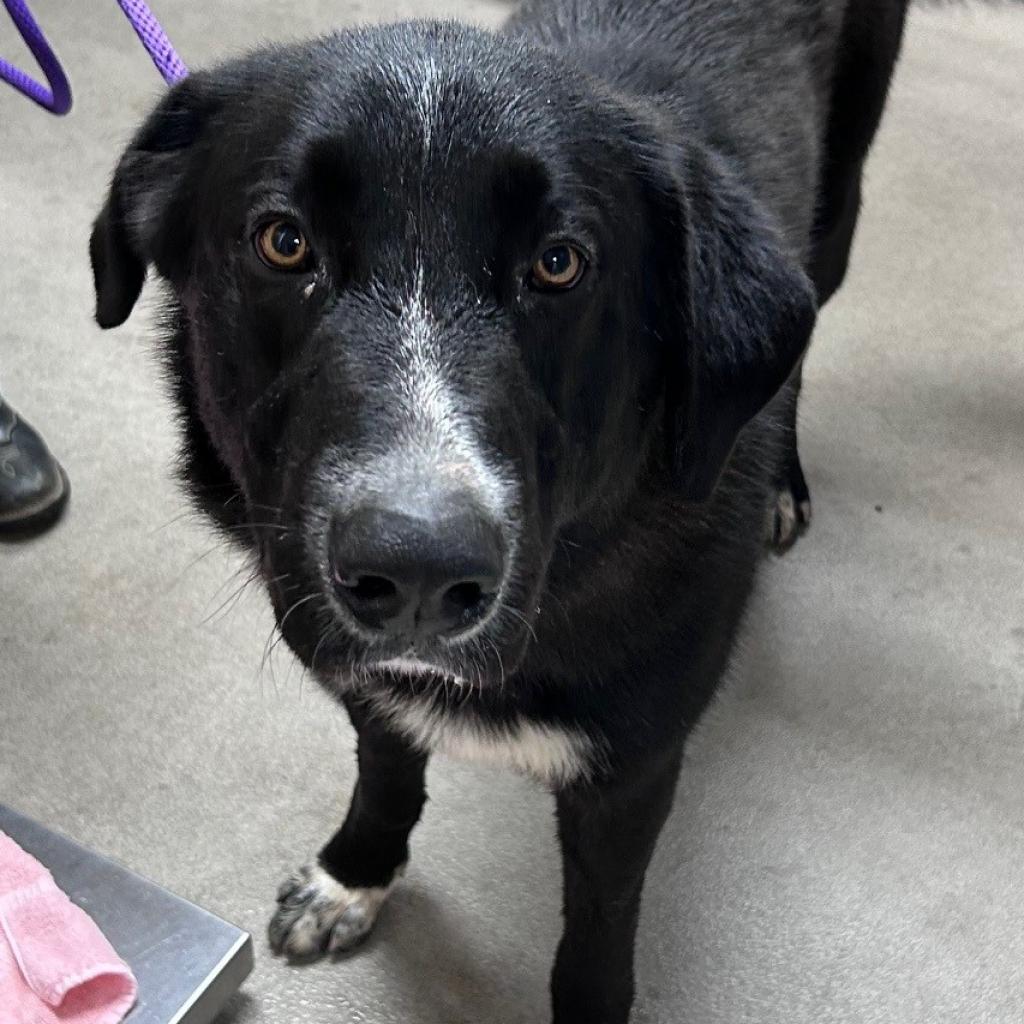
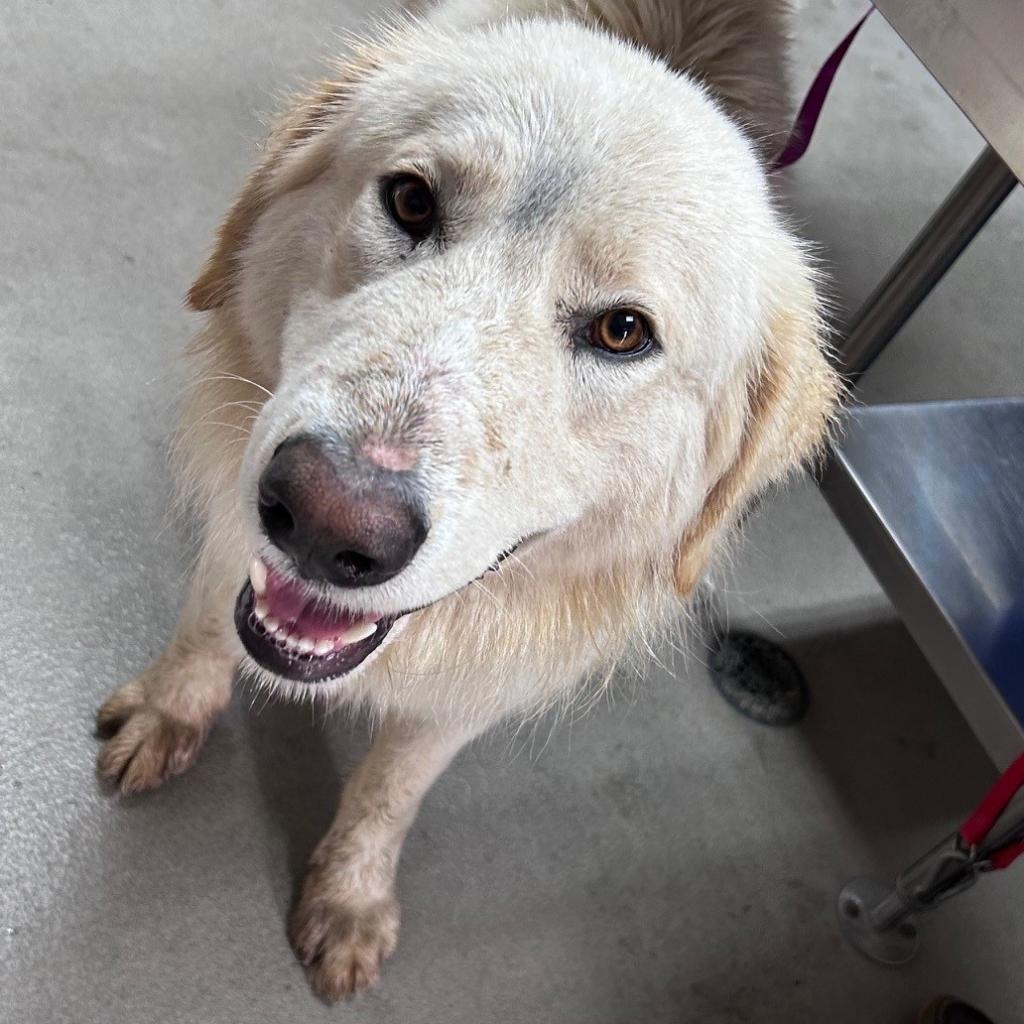
Dogs available for adoption this week include mixes of Australian shepherd, border collie, boxer,
Catahoula leopard dog, Doberman pinscher, German shepherd, hound, Labrador retriever, mastiff, Papillon, pit bull, Queensland heeler, Rottweiler, shepherd and terrier.
Dogs that are adopted from Lake County Animal Care and Control are either neutered or spayed, microchipped and, if old enough, given a rabies shot and county license before being released to their new owner. License fees do not apply to residents of the cities of Lakeport or Clearlake.
Those dogs and the others shown on this page at the Lake County Animal Care and Control shelter have been cleared for adoption.
Call Lake County Animal Care and Control at 707-263-0278 or visit the shelter online for information on visiting or adopting.
The shelter is located at 4949 Helbush in Lakeport.
Email Elizabeth Larson at