 How to resolve AdBlock issue?
News
- Details
- Written by: Lake County News reports

LAKE COUNTY, Calif. — The Lake County Sheriff’s Office has arrested an Arcata man who they said has committed numerous burglaries in Lake and Mendocino counties.
Tyrone Brennen, 38, is the suspect in the commercial burglaries, which occurred from November through January, the Lake County Sheriff’s Office reported.
The sheriff’s office reported that at 3 a.m. Friday deputies located a vehicle connected to the in the parking lot of Bruno’s Market in Lakeport and contacted Brennen, who was the driver.
In early February 2024, Deputy Matt McCabe obtained a felony arrest warrant for Brennen for a burglary committed in Lake County, authorities said.
The sheriff’s office said deputies arrested Brennen on Friday for the warrant and transported him to the Hill Road Correctional Facility to be booked.
McCabe, who has been actively investigating the Lake County burglaries, authored and assisted in the execution of a search warrant for Brennen’s vehicle soon after Brennen’s Friday arrest, the sheriff’s office reported.
Deputies located sophisticated tools that are believed to have been used to commit the burglaries, as well as clothing similar to what the suspect was seen wearing in video surveillance while casing the businesses and while committing the burglaries, according to the sheriff’s office report.
Brennen is alleged to have stolen more than $60,000 and caused thousands of dollars in damages throughout the burglaries, authorities said.
He also has reportedly been responsible for numerous other burglaries around the state over the past decade.
Brennen remained in custody at the Lake County Jail on Sunday, with bail set at $120,000.
The Lake County Sheriff’s Office thanked the Mendocino County Sheriff’s Office for their collaboration in this ongoing investigation.
Anyone with information related to this case can contact Deputy McCabe at 707-262-4200 or via email at
- Details
- Written by: Elizabeth Larson
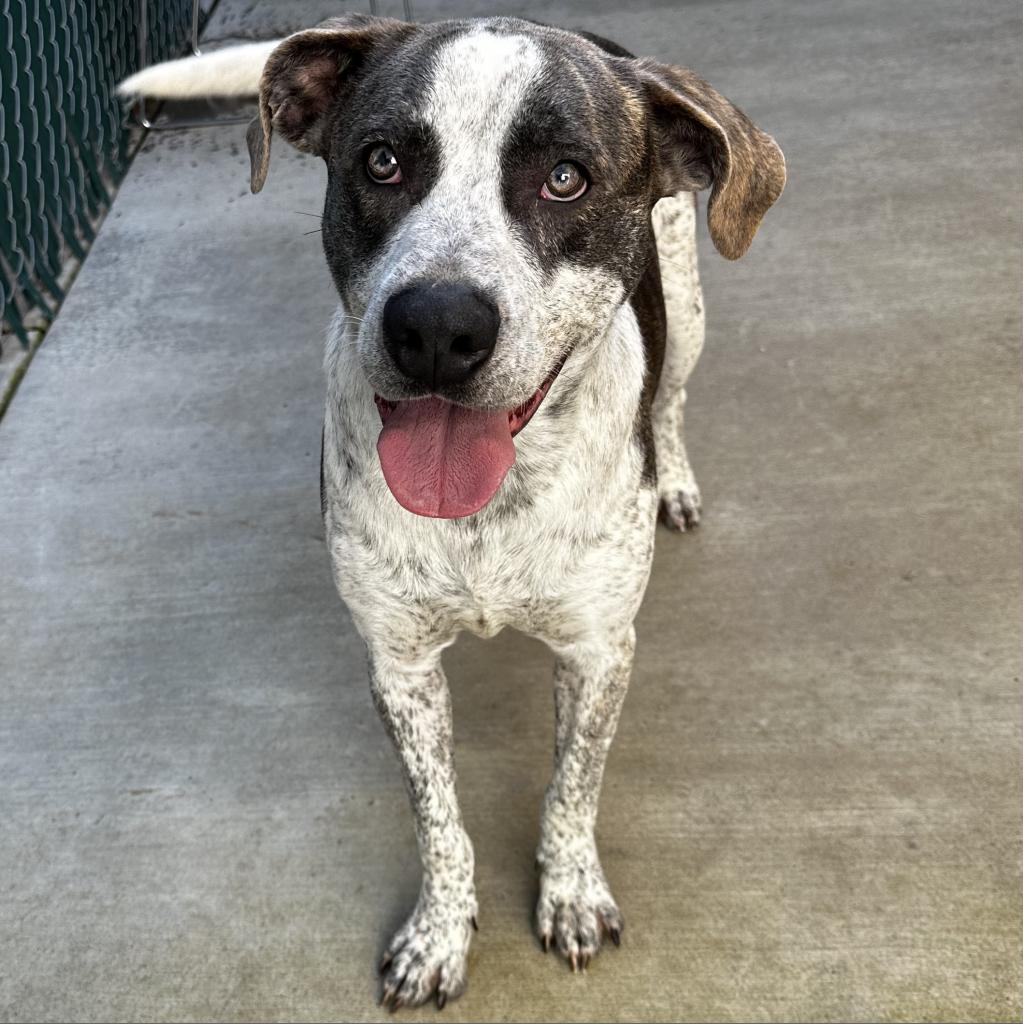
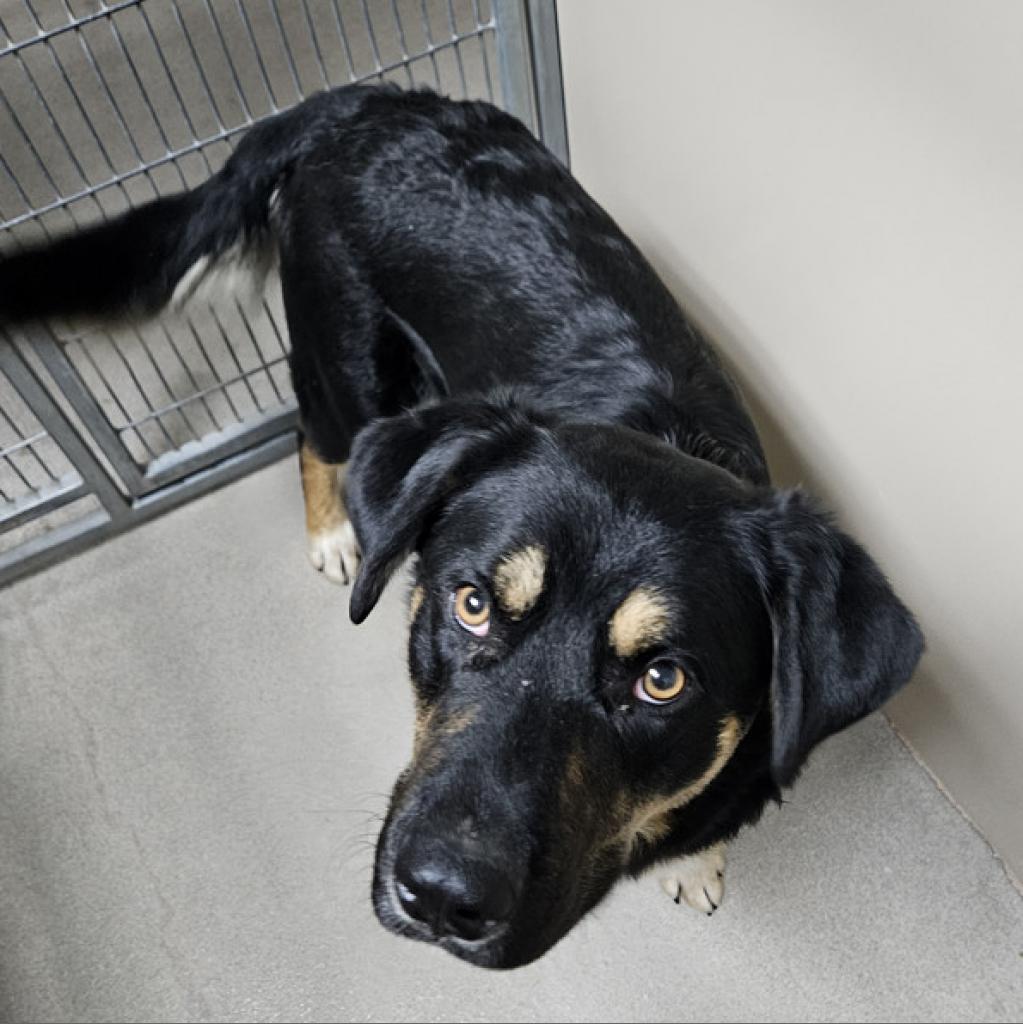
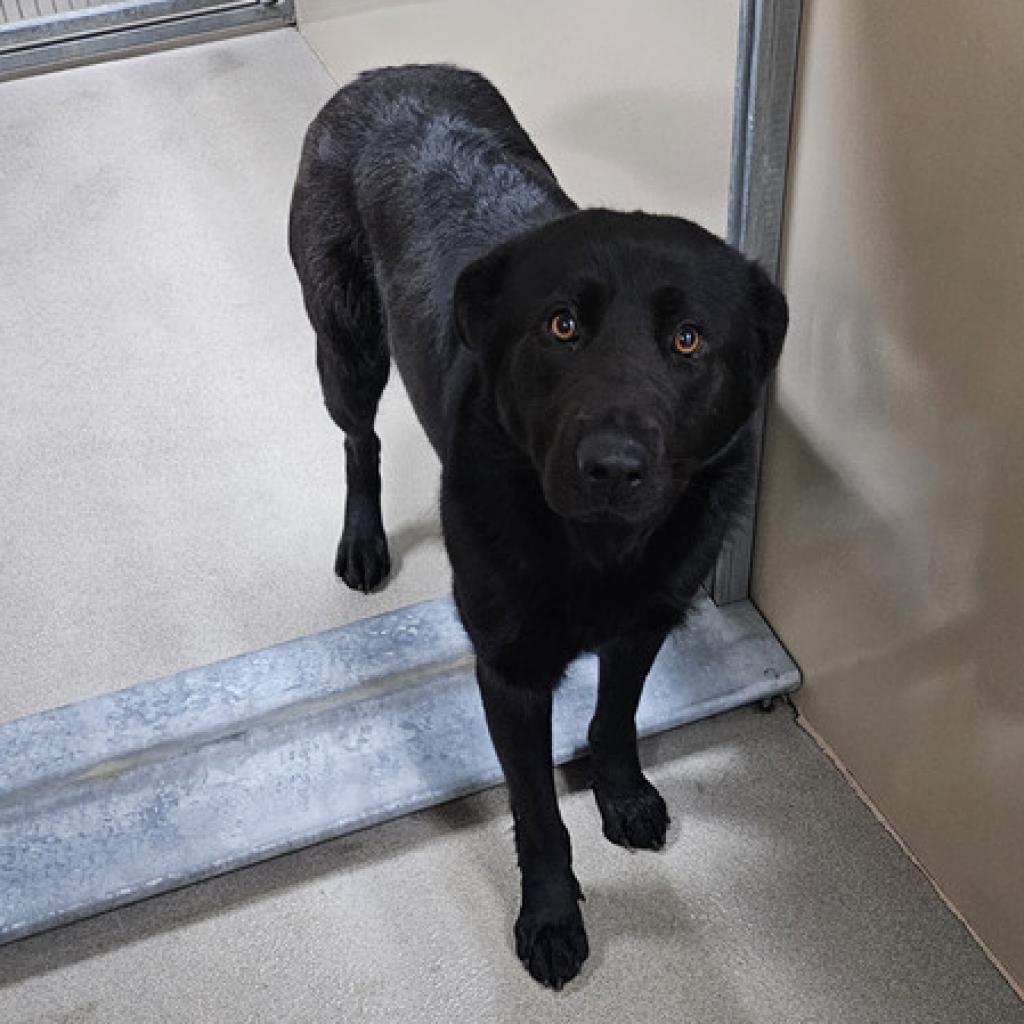
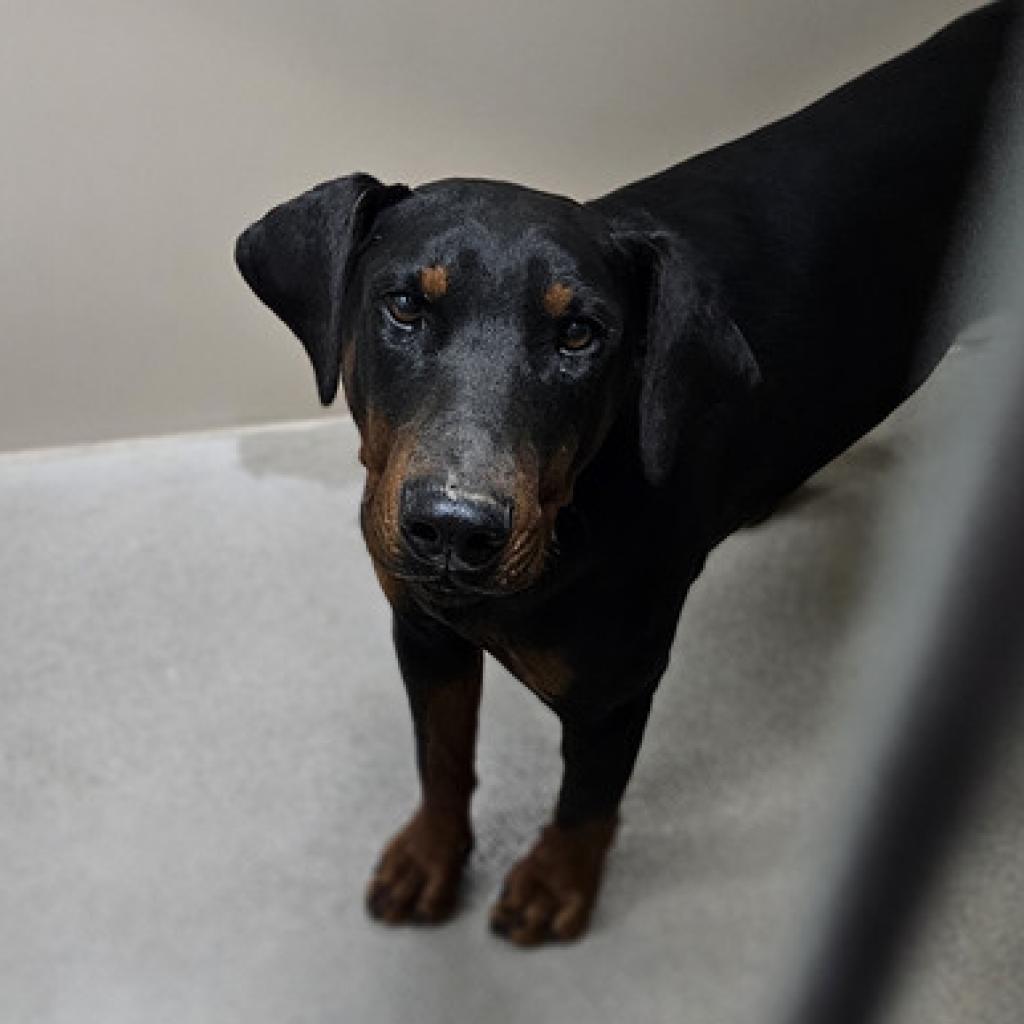
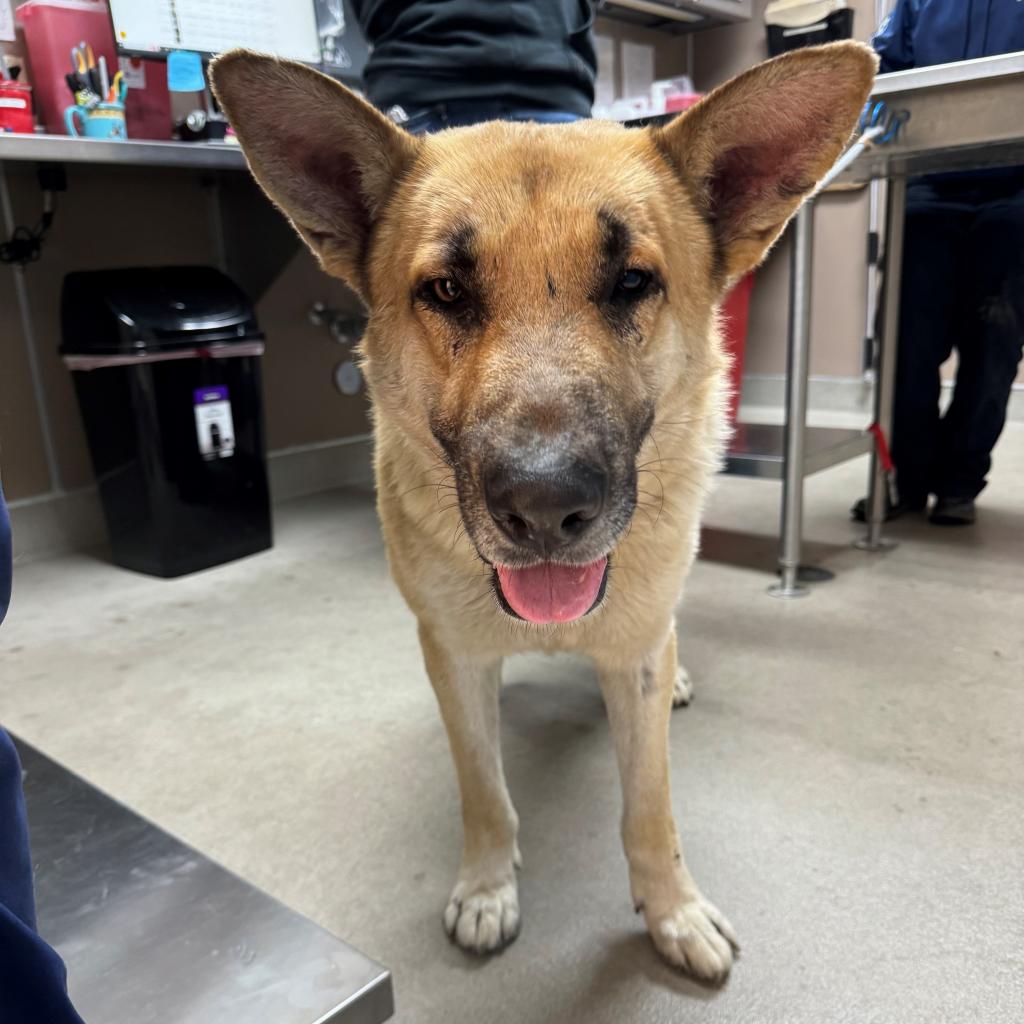
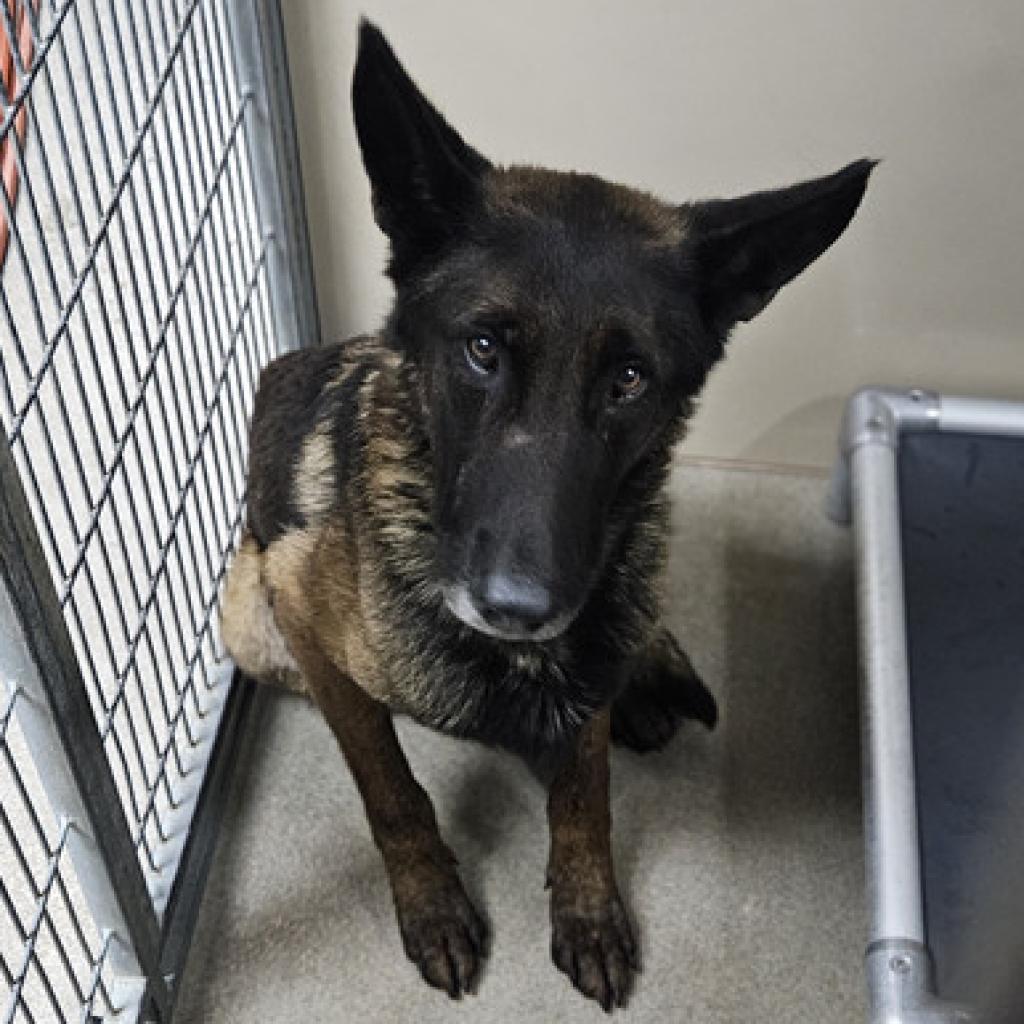
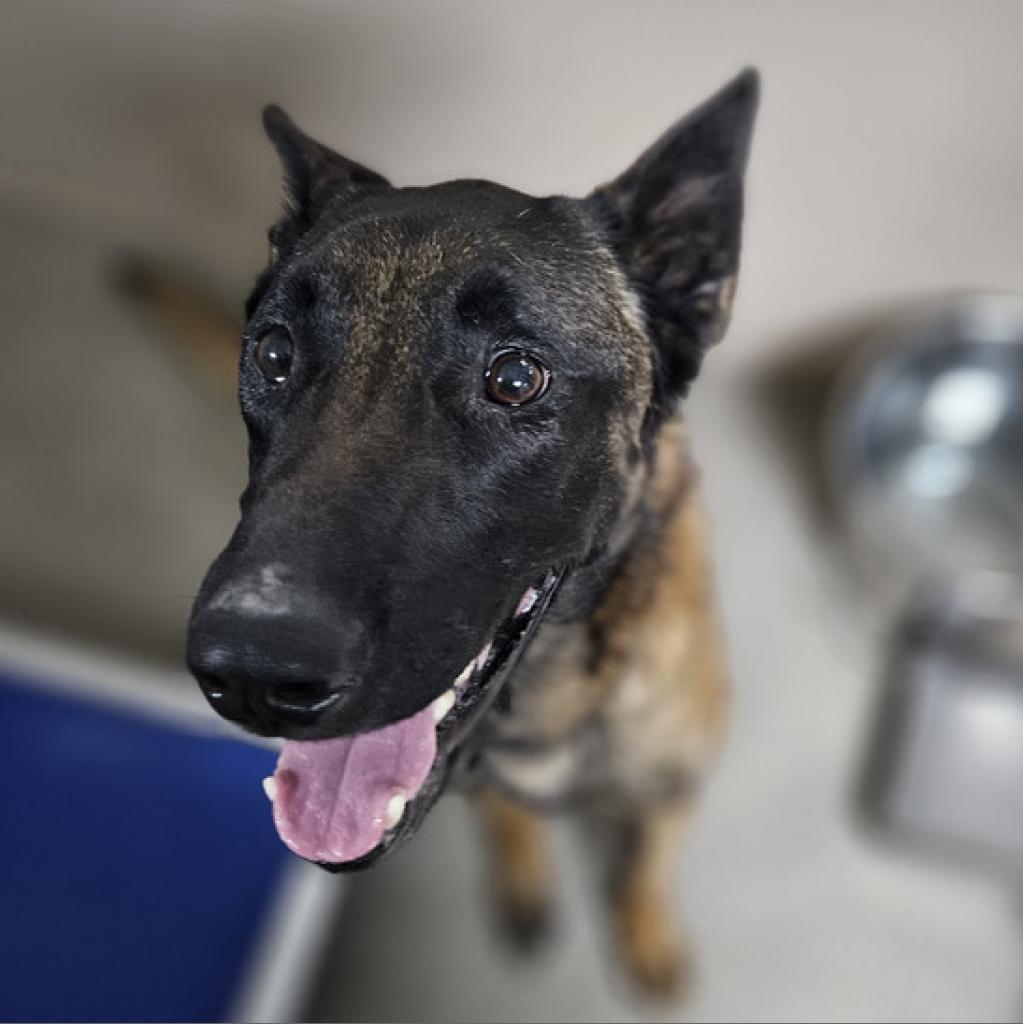
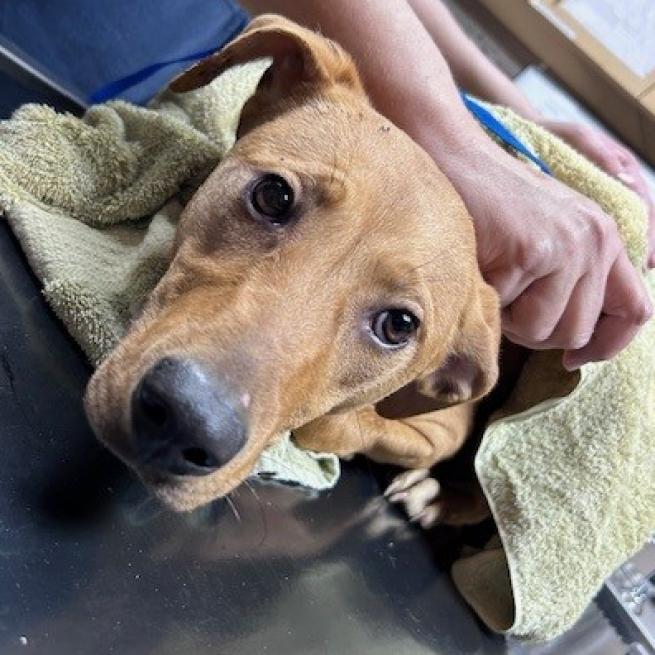
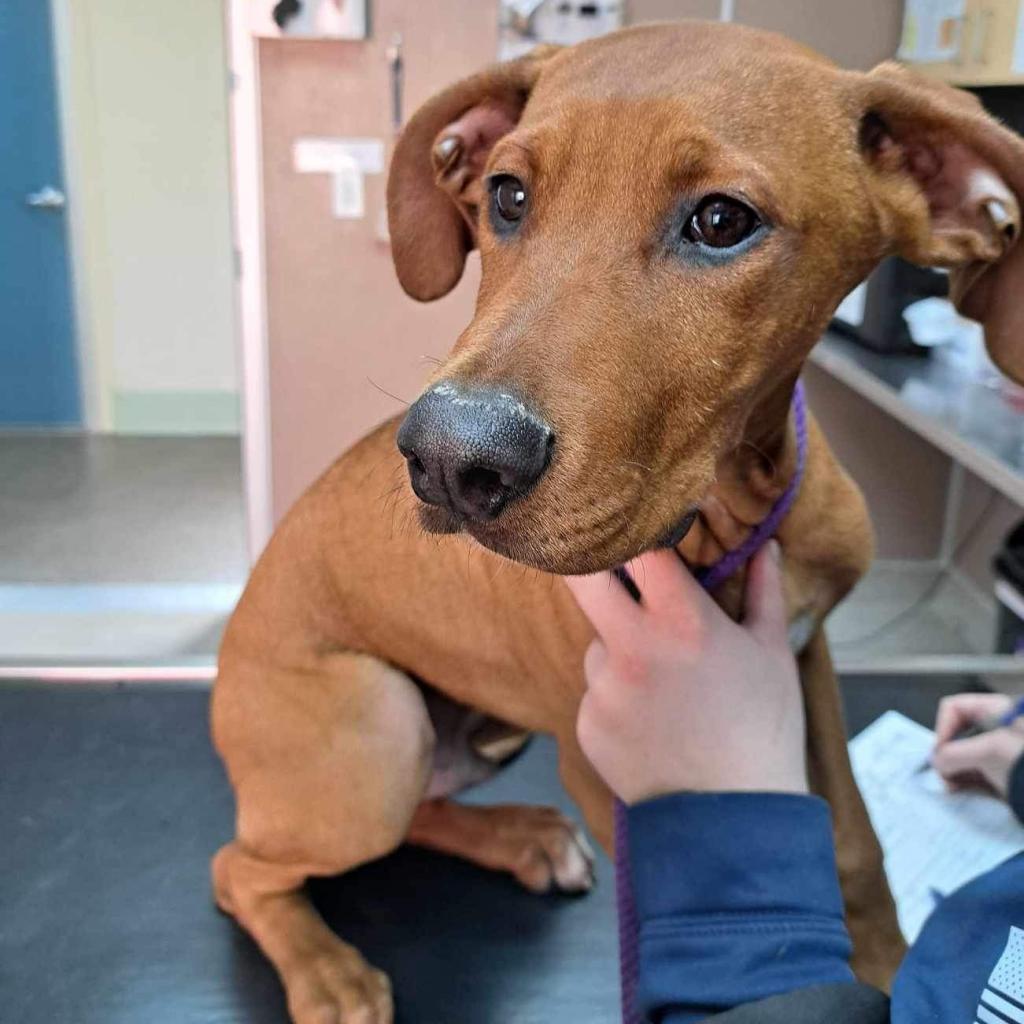
Dogs available for adoption this week include mixes of Australian shepherd, border collie, boxer, Catahoula leopard dog, Doberman pinscher, German shepherd, hound, Labrador retriever, pit bull, Queensland heeler, Rottweiler, shepherd and terrier.
Dogs that are adopted from Lake County Animal Care and Control are either neutered or spayed, microchipped and, if old enough, given a rabies shot and county license before being released to their new owner. License fees do not apply to residents of the cities of Lakeport or Clearlake.
Those dogs and the others shown on this page at the Lake County Animal Care and Control shelter have been cleared for adoption.
Call Lake County Animal Care and Control at 707-263-0278 or visit the shelter online for information on visiting or adopting.
The shelter is located at 4949 Helbush in Lakeport.
Email Elizabeth Larson at



















- Details
- Written by: Suzanne Leigh
The move follows research indicating that the virus can continue to linger throughout the body and may hold the key to understanding the cause of the debilitating disorder and lead to effective treatments.
By October 2023, an estimated 14% of Americans had or had had long COVID, according to the Centers for Disease Control and Prevention.
The disorder may appear as a continuation of the original COVID symptoms or manifest as new symptoms affecting any part of the body. In serious cases multiple body systems are affected, including the brain, heart, lungs, kidneys and skin.
Recent studies have shown that in patients with long COVID, the SARS-CoV-2 virus may not fully clear after the initial infection. Instead, the virus remains in what scientists have termed “viral reservoirs,” identified in patient tissue months or even years later.
These reservoirs are now believed to be a primary driver of long COVID, provoking the immune system to respond by prompting conditions like blood clotting disorders and inflammation and cognition dysfunction.
“Based on our work so far, we believe that long COVID is a tissue-based disease,” said Michael Peluso, MD, principal investigator of the UCSF Long COVID Tissue Program and an infectious disease physician-scientist in the UCSF School of Medicine.
“This program will allow us to comprehensively study the biological processes occurring across tissue compartments — in the blood, gut, lymph nodes, spinal fluid and bone marrow — in people living with long COVID. This will help us better understand the underlying mechanisms of long COVID,” said Peluso, who coled recent research with Timothy Hendrich, MD, a UCSF physician-scientist, that showed the virus was present in colon tissue up to 676 days following infection.
An effort to expand collaboration with HIV/AIDS, cardiology and other specialists
Tissue specimens will be acquired from existing and future participants enrolled in UCSF’s LIINC study, and shared with non-UCSF scientists conducting complementary research. The study, which was launched in April 2020 before long COVID was recognized, is open to all adults who have ever tested positive for COVID-19.
“The persistence of SARS-CoV-2 in tissue is a major target for our rapid research and clinical trials,” said Steven Deeks, MD, co-principal investigator of LIINC, professor of medicine in residence at UCSF and an internationally recognized HIV expert. Current clinical trials include a monoclonal antibody — a lab-made protein that effectively attacks viruses — and an antiviral therapy that blocks viral replication.
The UCSF Long COVID Tissue Program is supported by a $3 million grant from the Long Covid Research Consortium of the PolyBio Research Foundation, a nonprofit dedicated to complex chronic conditions, which also funded the LIINC study.
“The UCSF team includes people who helped make HIV and AIDS a treatable disease,” said Amy Proal, Ph.D., president of PolyBio. “These researchers rapidly pivoted into long COVID research at the outset of the pandemic, leveraging years of experience performing similar research with patients with HIV and AIDS.”
An additional $1.7 million funding from PolyBio will also enable Henrich, and UCSF cardiologist Zian Tseng, MD, to expand their study of sudden cardiac death. Advanced technologies will be used to examine traces of SARS-CoV-2 and related immune changes in tissue samples. Findings may result in recommendations for antiviral treatments for patients who have been exposed to the COVID virus and are at risk for sudden cardiac death.
Suzanne Leigh writes for the University of California, San Francisco.
- Details
- Written by: Nick Kanas, University of California, San Francisco
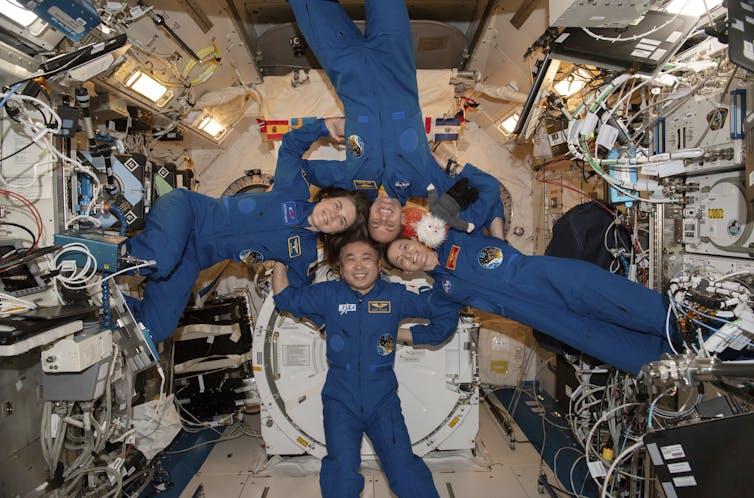
Within the next few decades, NASA aims to land humans on the Moon, set up a lunar colony and use the lessons learned to send people to Mars as part of its Artemis program.
While researchers know that space travel can stress space crew members both physically and mentally and test their ability to work together in close quarters, missions to Mars will amplify these challenges. Mars is far away – millions of miles from Earth – and a mission to the red planet will take two to two and a half years, between travel time and the Mars surface exploration itself.
As a psychiatrist who has studied space crew member interactions in orbit, I’m interested in the stressors that will occur during a Mars mission and how to mitigate them for the benefit of future space travelers.
Delayed communications
Given the great distance to Mars, two-way communication between crew members and Earth will take about 25 minutes round trip. This delayed contact with home won’t just hurt crew member morale. It will likely mean space crews won’t get as much real-time help from Mission Control during onboard emergencies.
Because these communications travel at the speed of light and can’t go any faster, experts are coming up with ways to improve communication efficiency under time-delayed conditions. These solutions might include texting, periodically summarizing topics and encouraging participants to ask questions at the end of each message, which the responder can answer during the next message.
Autonomous conditions
Space crew members won’t be able to communicate with Mission Control in real time to plan their schedules and activities, so they’ll need to conduct their work more autonomously than astronauts working on orbit on the International Space Station.
Although studies during space simulations on Earth have suggested that crew members can still accomplish mission goals under highly autonomous conditions, researchers need to learn more about how these conditions affect crew member interactions and their relationship with Mission Control.
For example, Mission Control personnel usually advise crew members on how to deal with problems or emergencies in real time. That won’t be an option during a Mars mission.
To study this challenge back on Earth, scientists could run a series of simulations where crew members have varying degrees of contact with Mission Control. They could then see what happens to the interactions between crew members and their ability to get along and conduct their duties productively.
Crew member tension
Being confined with a small group of people for a long period of time can lead to tension and interpersonal strife.
In my research team’s studies of on-orbit crews, we found that when experiencing interpersonal stress in space, crew members might displace this tension by blaming Mission Control for scheduling problems or not offering enough support. This can lead to crew-ground misunderstandings and hurt feelings.
One way to deal with interpersonal tension on board would be to schedule time each week for the crew members to discuss interpersonal conflicts during planned “bull sessions.” We have found that commanders who are supportive can improve crew cohesion. A supportive commander, or someone trained in anger management, could facilitate these sessions to help crew members understand their interpersonal conflicts before their feelings fester and harm the mission.
Time away from home
Spending long periods of time away from home can weigh on crew members’ morale in space. Astronauts miss their families and report being concerned about the well-being of their family members back on Earth, especially when someone is sick or in a crisis.
Mission duration can also affect astronauts. A Mars mission will have three phases: the outbound trip, the stay on the Martian surface and the return home. Each of these phases may affect crew members differently. For example, the excitement of being on Mars might boost morale, while boredom during the return may sink it.
The disappearing-Earth phenomenon
For astronauts in orbit, seeing the Earth from space serves as a reminder that their home, family and friends aren’t too far away. But for crew members traveling to Mars, watching as the Earth shrinks to an insignificant dot in the heavens could result in a profound sense of isolation and homesickness.

Having telescopes on board that will allow the crew members to see Earth as a beautiful ball in space, or giving them access to virtual reality images of trees, lakes and family members, could help mitigate any disappearing-Earth effects. But these countermeasures could just as easily lead to deeper depression as the crew members reflect on what they’re missing.
Planning for a Mars mission
Researchers studied some of these issues during the Mars500 program, a collaboration between the Russian and other space agencies. During Mars500, six men were isolated for 520 days in a space simulator in Moscow. They underwent periods of delayed communication and autonomy, and they simulated a landing on Mars.
Scientists learned a lot from that simulation. But many features of a real Mars mission, such as microgravity, and some dangers of space – meteoroid impacts, the disappearing-Earth phenomenon – aren’t easy to simulate.
Planned missions under the Artemis program will allow researchers to learn more about the pressures astronauts will face during the journey to Mars.
For example, NASA is planning a space station called Gateway, which will orbit the Moon and serve as a relay station for lunar landings and a mission to Mars. Researchers could simulate the outbound and return phases of a Mars mission by sending astronauts to Gateway for six-month periods, where they could introduce Mars-like delayed communication, autonomy and views of a receding Earth.
Researchers could simulate a Mars exploration on the Moon by having astronauts conduct tasks similar to those anticipated for Mars. This way, crew members could better prepare for the psychological and interpersonal pressures that come with a real Mars mission. These simulations could improve the chances of a successful mission and contribute to astronaut well-being as they venture into space.
Nick Kanas, Professor Emeritus of Psychiatry, University of California, San Francisco
This article is republished from The Conversation under a Creative Commons license. Read the original article.