How to resolve AdBlock issue?
Refresh this page
How to resolve AdBlock issue?

Refresh this page
Lake County News,California
  • Home
    • Registration Form
  • News
    • Education
    • Veterans
    • Community
      • Obituaries
      • Letters
      • Commentary
    • Police Logs
    • Business
    • Recreation
    • Health
    • Religion
    • Legals
    • Arts & Life
    • Regional
  • Calendar
  • Contact us
    • FAQs
    • Phones, E-Mail
    • Subscribe
  • Advertise Here
  • Login
How to resolve AdBlock issue?

Refresh this page

News

Wine Alliance distributes $170,000 to community organizations 

Details
Written by: Elizabeth Larson
Published: 16 November 2025
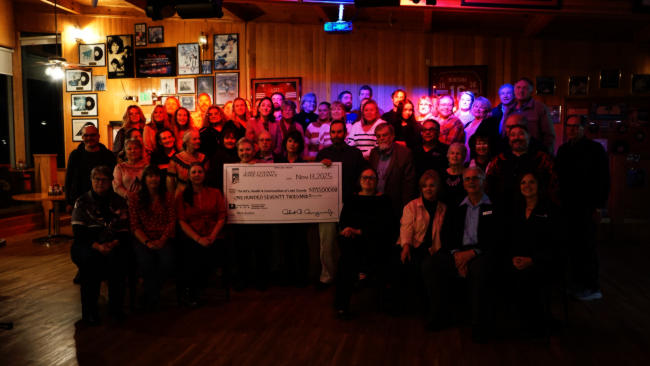
A group of beneficiaries for the 2025 Lake County Wine Auction on Thursday, Nov. 13, 2025, at Konocti Harbor Resort and Spa in Kelseyville, California. Photo by Elizabeth Larson/Lake County News.

KELSEYVILLE, Calif. — Dozens of nonprofits received much-needed funds for their work, a benefit of the annual Lake County Wine Auction.

On Thursday evening, the Lake County Wine Alliance — which puts on the Wine Auction — handed out 43 checks totaling $170,000 to a wide range of nonprofit organizations and schools doing important work across the county.

“This is the culmination of a year’s worth of work,” Rob Roumiguiere, the Wine Alliance’s treasurer, said during the presentation ceremony, held in the tavern at Konocti Harbor Resort and Spa.

This year’s Wine Auction, held in September, also was held at Konocti Harbor, where it will be held again in 2026 — which will mark the event’s 25th year. Roumiguiere said they’ve been holding events two years in a row at the same locations.

This year’s distribution total was down from the $210,000 given in 2024 and $226,000 in 2023. The event record was the $300,000 raised and distributed in 2022.

“Things in the economy are a little stretched right now,” Roumiguiere said.

Roumiguiere explained that the many companies and organizations that sponsor the Wine Auction make it possible to give out as much money as they do. 

One hundred percent of proceeds go to the event’s beneficiaries, selected from applications submitted during a three-month period ending at the start of May.

It’s an expensive event to put on, but well worth it, as it’s become one of the county’s biggest events, he said. 

This year’s auction sold out six weeks ahead of time and was attended by an estimated 400 people, with Clearlake City Manager Alan Flora acting as the master of ceremonies and featuring Congressman Mike Thompson, a benefactor and presenter.

Over its 24 years, the Wine Auction has raised more than $3,273,000, Roumiguiere said. 

Choosing who to give the money to isn’t an easy decision, he said, explaining the many applications they receive and the amount of need.

At the same time, they get to be part of the success of the groups they support. Roumiguiere said they’ve been told that their support has kept high school arts programs going. 

More information about upcoming events and how to apply to be a beneficiary, visit the Wine Alliance website.

Beneficiaries for this year’s Wine Auction are as follows.

• Adopt a Fifth Grader
• Catholic Charities of Northwest California
• City of Clearlake Animal Association
• City of Clearlake Recreation Center
• Clear Lake High School Culinary Program
• First Lutheran Church Food Pantry
• Friends of the Lake County Library
• Health & Wellness Expo
• Highlands Senior Center
• Hope Center
• Jack’s Lavender Farm
• Kelseyville Food Pantry
• Kelseyville High School Culinary Program
• Kelseyville Senior Center
• Lake County Campus Culinary Program
• Lake County Literacy Coalition
• Lake County Sheriffs’ Activities League
• Lake County Young Life
• Lake County Family Resource Center
• Lake County Rural Arts Initiative
• Lakeport Senior Centers Meals on Wheels    
• Live Oak Senior Center
• Lower Lake HS Culinary Program
• Middletown Composite Mountain Bike Team
• Middletown Senior Center
• Mother-Wise
• Northshore Fire Fund
• Operation Santa
• Operation Tango Mike
• People Services
• Proud to be in the Trades
• Second Wind Project
• Shop with a Cop Program
• Totes for Teens
• Vision of Hope Village

Email Elizabeth Larson at This email address is being protected from spambots. You need JavaScript enabled to view it.. Follow her on Twitter, @ERLarson, and on Bluesky, @erlarson.bsky.social. Find Lake County News on the following platforms: Facebook, @LakeCoNews; X, @LakeCoNews; Threads, @lakeconews, and on Bluesky, @lakeconews.bsky.social. 

BAM Super 60 Championship’s second day starts with fog delay

Details
Written by: CRAIG NELSON
Published: 16 November 2025
The top 10 anglers who are competing to win the Bass Angler Magazine Super 60 Championship. Photo by Craig Nelson.

LAKE COUNTY, Calif. — Day two, or “Cut Day,” of the Bass Angler Magazine, or BAM, Super 60 Championship opened on Saturday with a prayer from the Tournament Director Michael Bray, the national anthem and a fog delay.

Bray and the owner of BAM, Mark Lassagne, decided to err on the side of caution and hold the field for two hours to ensure safe boating conditions. 

Big Fish honors went to Karl Okerman from Auburn, California. The Big Fish weighed 9.94lbs worth $1,000 and a pair of Costa Sunglasses worth $300 dollars. Photo by Craig Nelson.


Tournament directors have a tough job and making that call commands respect for the anglers safety and the sport of fishing.

With the smell of two stroke oil exhaust in the air and the purr of four stroke motors the professional field of anglers patiently waited for the low fog to lift.

After the eight hour day of fishing was shortened to six, Cut Day was complete and the top 10 anglers’ weights were zeroed for the final day of competition. 

Mason McAbee from Bakersfield, California weighed 27.40 pounds on day 1 and 27.27 pounds on day two for a total weight of 54.67 pounds taking top honors on Cut Day. Photo by Craig Nelson.

On Sunday morning, the championship is up for grabs and the angler who manages their fish and location the best will reign victorious.

The top 10 anglers competing for the Bass Cat prize package worth $70,000 are in order below:

• Mason McAbee from Bakersfield, California;
• Luke Johns from Folsom, California;
• Colby Pearson from Rogue River, Oregon;
• Bryant Smith from Roseville, California;
• Austin Bonjour from Templeton, California;
• Robert Riehl from Stockton, California;
• Randy McAbee from Bakersfield, California;
• Sean Minderman from Spokane, Washington;
• Ty Manterola from Pasco, Washington;
• Tyler Madden, Brentwood, California.

Craig Nelson is a former professional golfer who fell in love with tournament bass fishing 20 years ago. He found Lake County after fishing an FLW Stren Series event and never left. He’s the back-to-back winner of the Konocti Classic and runner up in the inaugural WON Bass Clear Lake Open.

Colby Pearson from Rogue River, Oregon, weighed 27.11 pounds on day 1 and 25.74 pounds on day 2 for a total weight of 52.85 pounds. Photo by Craig Nelson.

Austin Bonjour from Templeton, California, weighed 29.75 pounds on day 1 and 21.48 pounds on day 2 for a total weight of 51.23 pounds. Photo by Craig Nelson.


Helping Paws: A new group of dogs

Details
Written by: Elizabeth Larson
Published: 16 November 2025

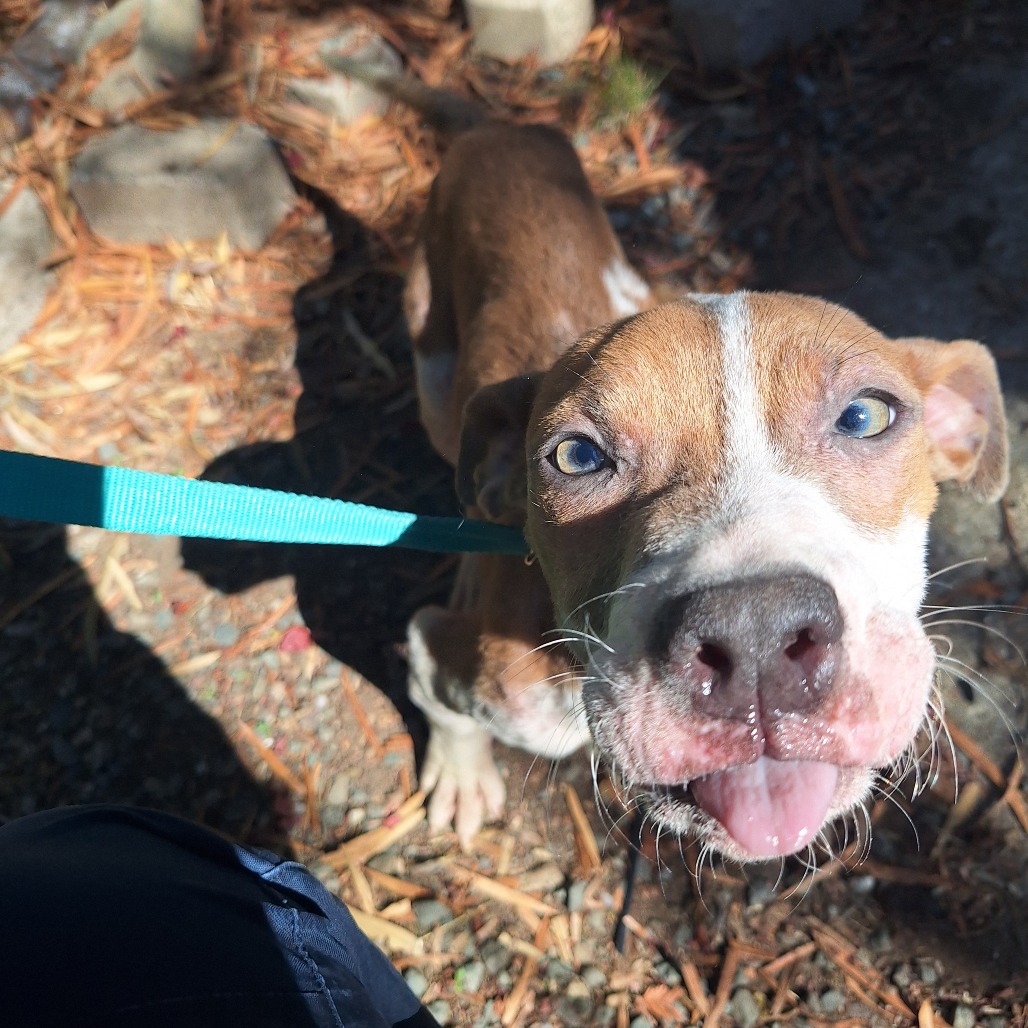
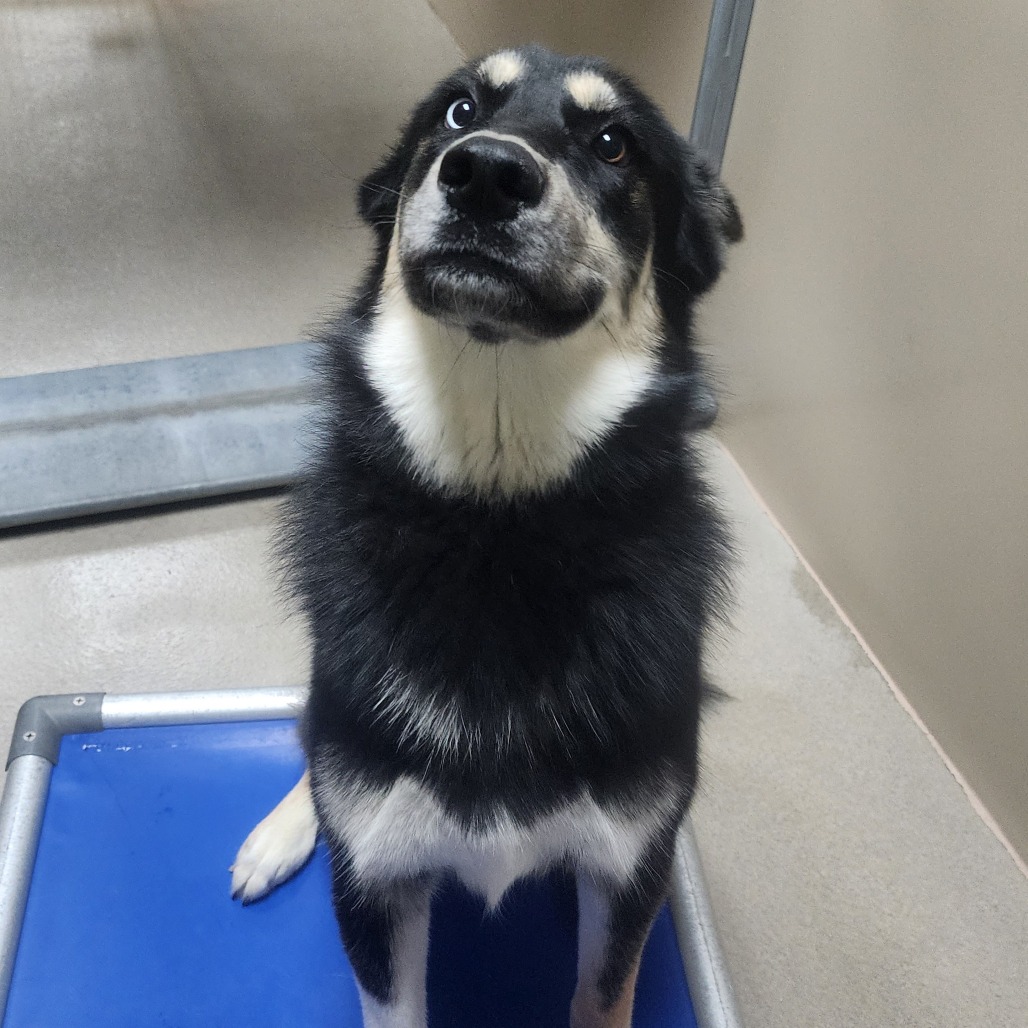
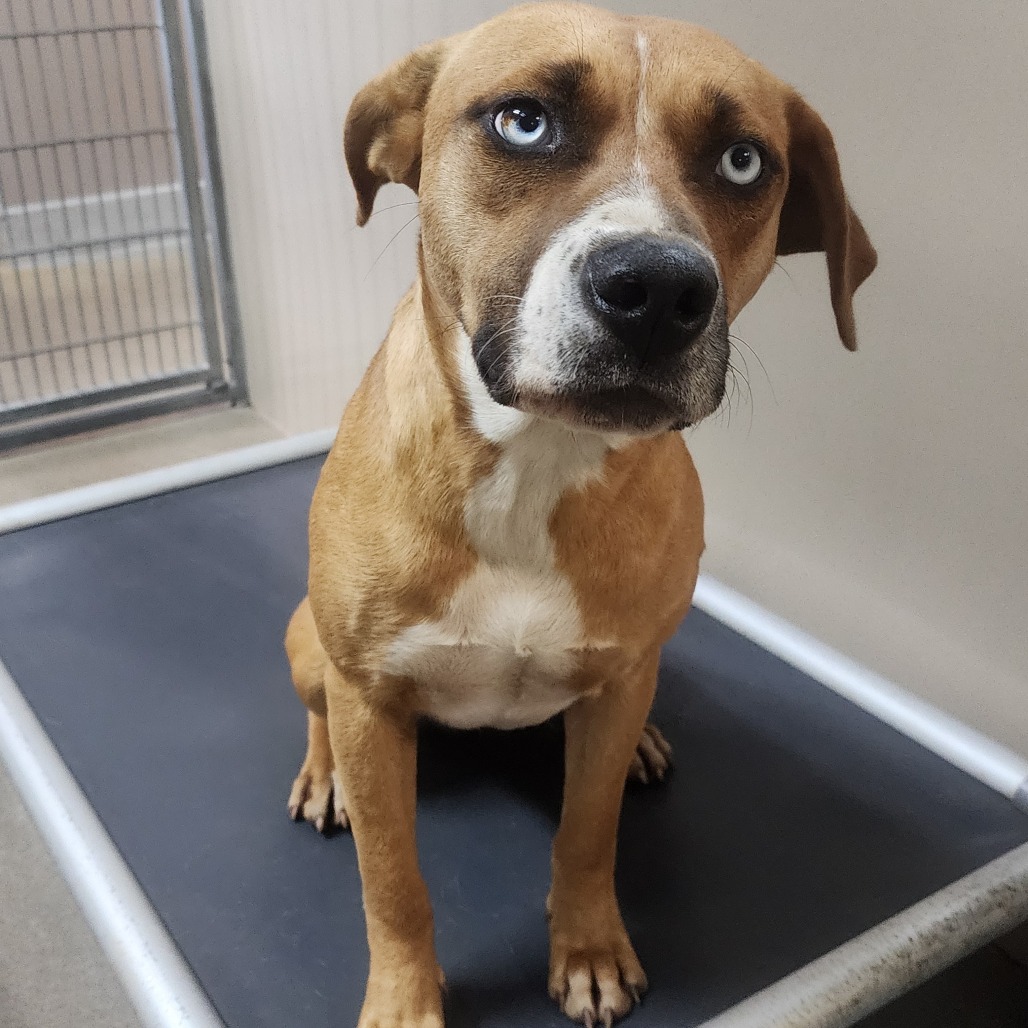
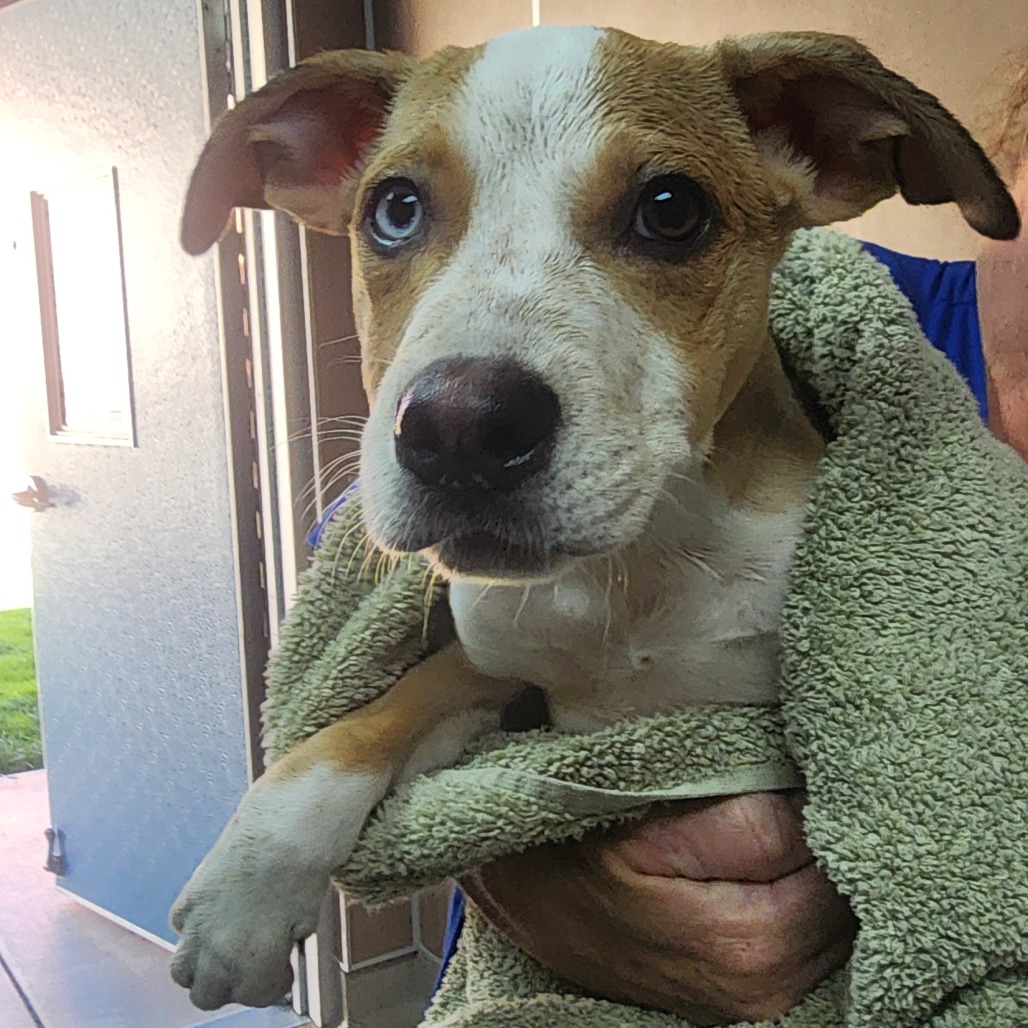
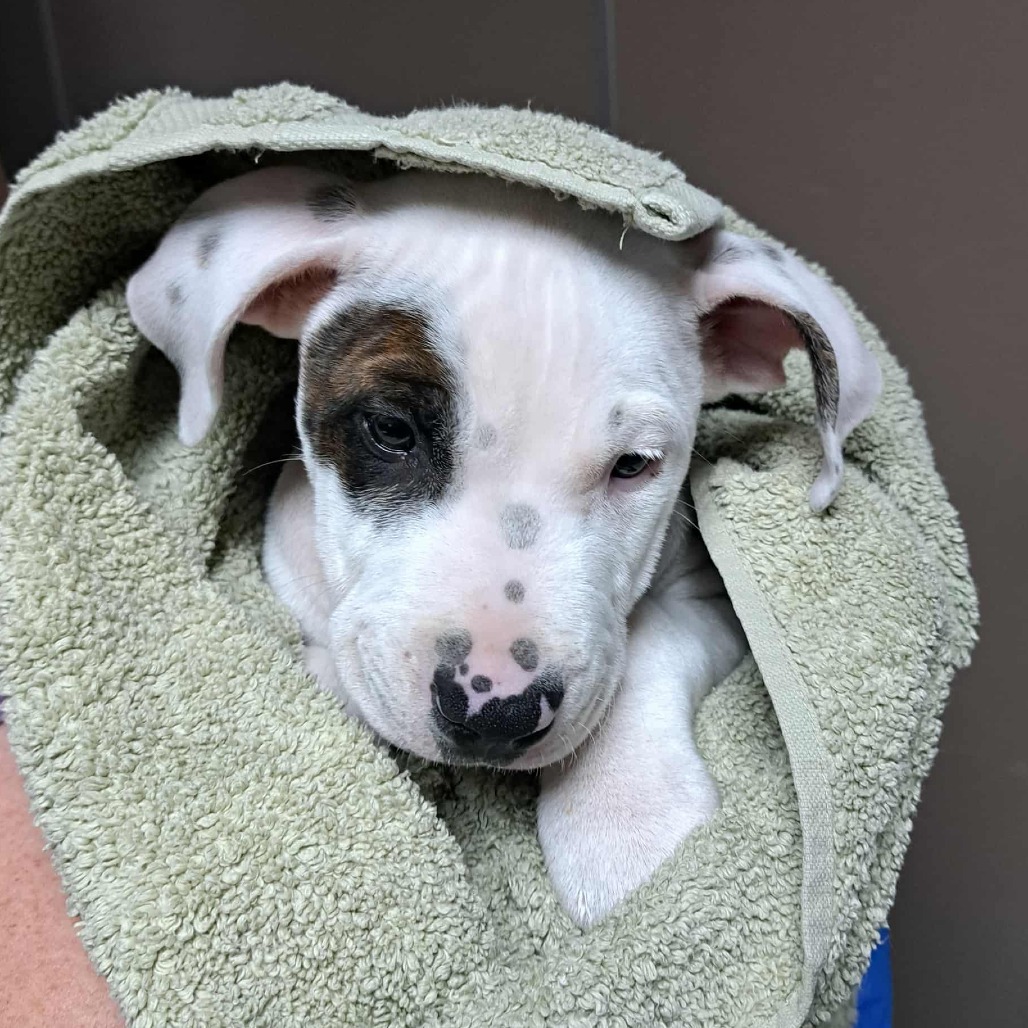
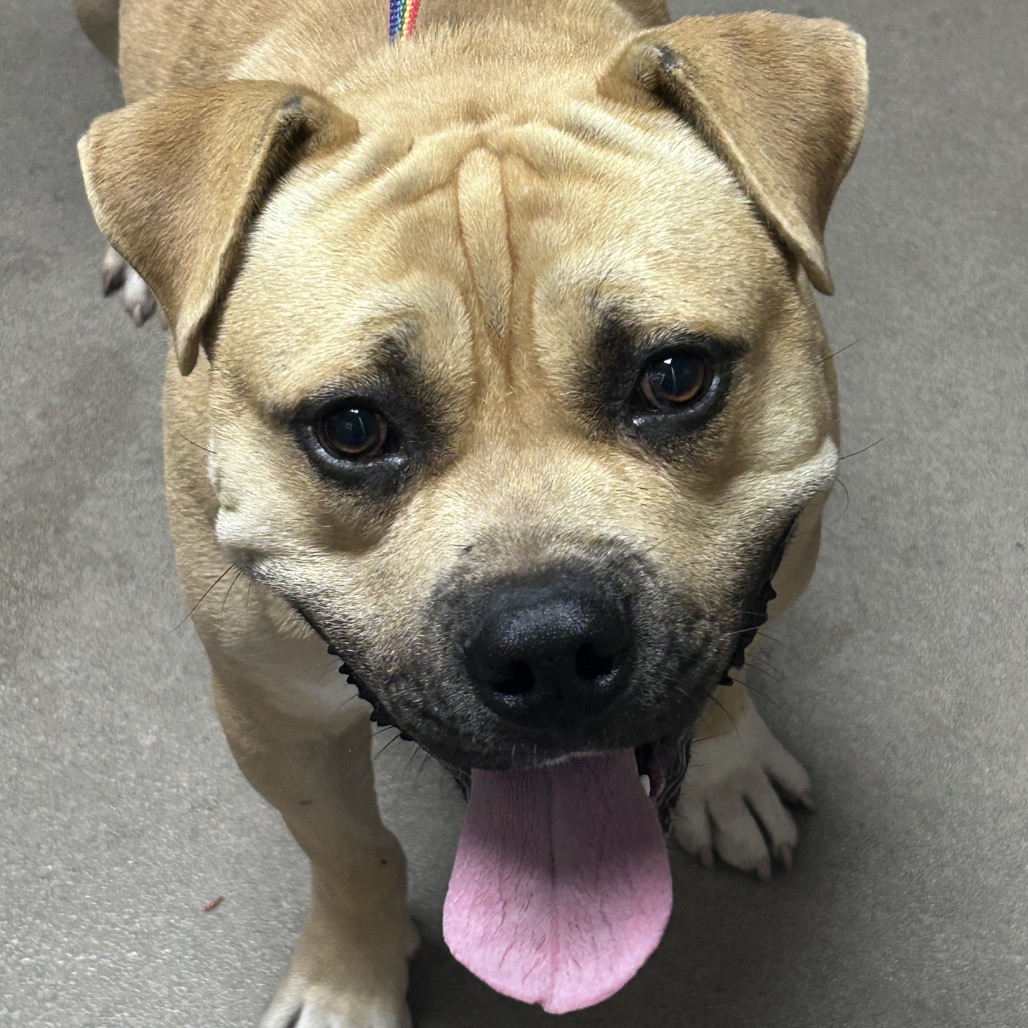
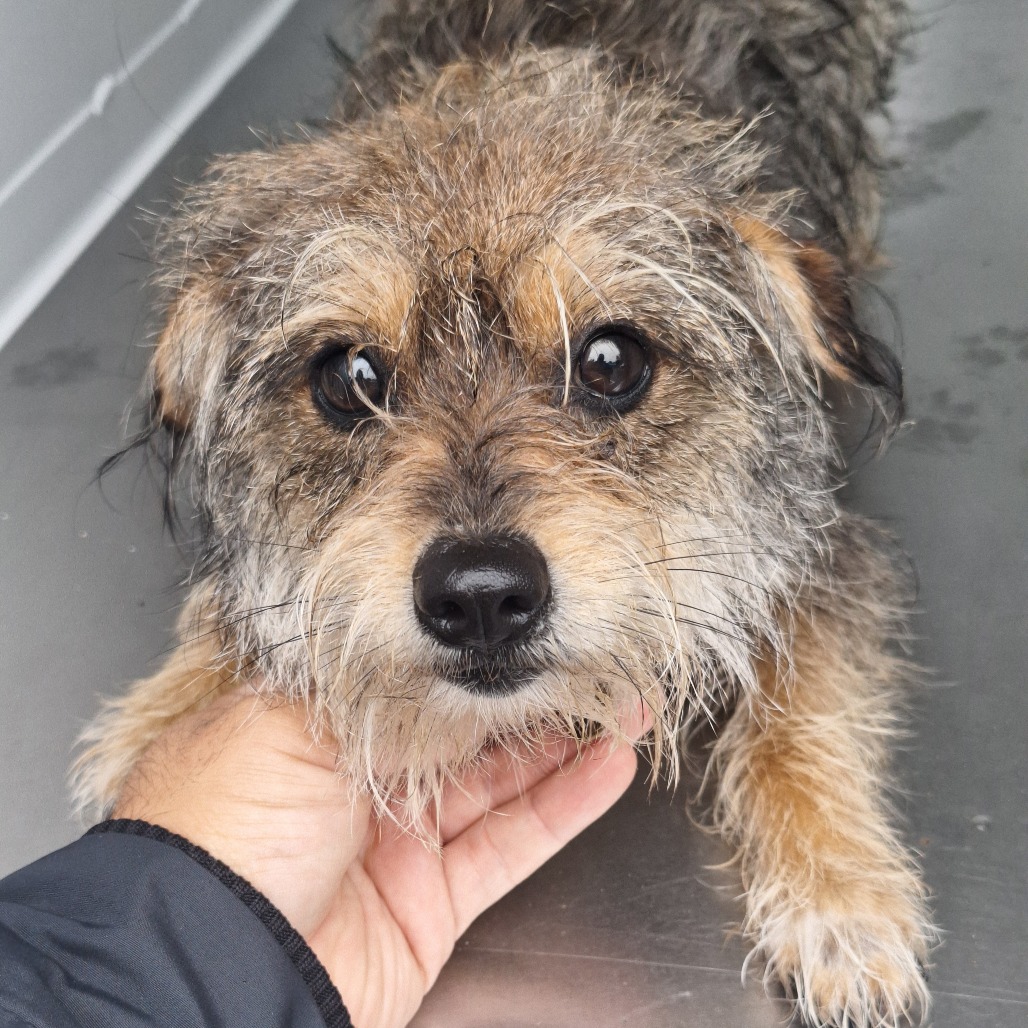
LAKE COUNTY, Calif. — Lake County Animal Care and Control has more new dogs and puppies ready to be adopted.

The dogs available for adoption this week include mixes of Australian shepherd, chow, German shepherd, husky, Labrador Retriever, pit bull terrier, Rottweiler, terrier and shepherd.

Dogs that are adopted from Lake County Animal Care and Control are either neutered or spayed, microchipped and, if old enough, given a rabies shot and county license before being released to their new owner. License fees do not apply to residents of the cities of Lakeport or Clearlake.

Those animals shown on this page at the Lake County Animal Care and Control shelter have been cleared for adoption.

Call Lake County Animal Care and Control at 707-263-0278 or visit the shelter online for information on visiting or adopting.

The shelter is located at 4949 Helbush in Lakeport.

Email Elizabeth Larson at This email address is being protected from spambots. You need JavaScript enabled to view it.. Follow her on Twitter, @ERLarson, and on Bluesky, @erlarson.bsky.social. Find Lake County News on the following platforms: Facebook, @LakeCoNews; X, @LakeCoNews; Threads, @lakeconews, and on Bluesky, @lakeconews.bsky.social. 

Kennel#26 Blair's preview photo
Kennel#26 Blair

Kennel#4 Amore's preview photo
Kennel#4 Amore

Kennel#22 Azula's preview photo
Kennel#22 Azula

Kennel#32 Bluey's preview photo
Kennel#32 Bluey

Kennel#12 Kora's preview photo
Kennel#12 Kora

Kennel#5 Hank's preview photo
Kennel#5 Hank

Kennel#6 Daisy's preview photo
Kennel#6 Daisy

Kennel#27 Ziggy's preview photo
Kennel#27 Ziggy

Kennel#23 Murphey's preview photo
Kennel#23 Murphey

Kennel#20 Duke's preview photo
Kennel#20 Duke

Kennel#21 Hanson's preview photo
Kennel#21 Hanson

Kennel#19a Petunia's preview photo
Kennel#19a Petunia

Kennel#11(Little Momma)'s preview photo
Kennel#11(Little Momma)

Kennel#17 Sugar's preview photo
Kennel#17 Sugar

Kennel#8 Dash's preview photo
Kennel#8 Dash

Kennel#34 Pawla's preview photo
Kennel#34 Pawla

Kennel#30 Junior's preview photo
Kennel#30 Junior

Kennel#19b(Pico)'s preview photo
Kennel#19b(Pico)

Kennel#16 (Bernard)'s preview photo
Kennel#16 (Bernard)

Kennel#9's preview photo
Kennel#9

Kennel#10 Bally's preview photo
Kennel#10 Bally

Kennel#24's preview photo
Kennel#24

Kennel#18's preview photo
Kennel#18

Kennel#3(Mabie)'s preview photo
Kennel#3(Mabie)

Kennel#2's preview photo
Kennel#2

Kennel#31's preview photo
Kennel#31

Kennel#25a's preview photo
Kennel#25a

Kennel#25b's preview photo
Kennel#25b

How to keep dementia from robbing your loved ones of their sense of personhood – tips for caregivers

Details
Written by: R. Amanda Cooper, University of Connecticut
Published: 16 November 2025

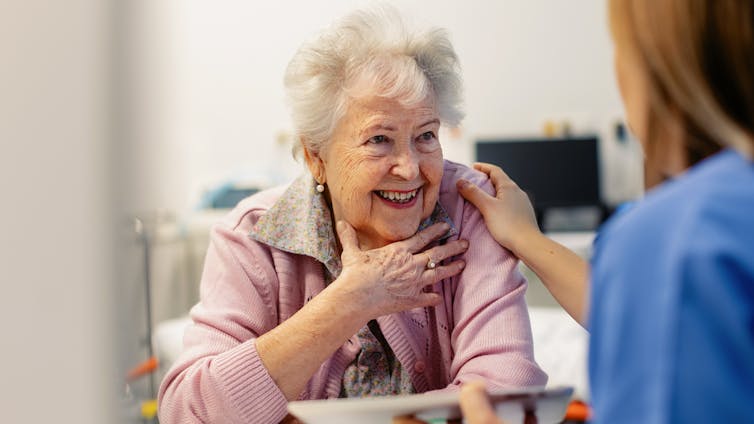
Different communication styles are needed for the progressive phases of dementia. Halfpoint Images/Moment via Getty Images

Every three seconds, someone in the world develops dementia. There are over 6 million people living with dementia in the U.S. and 57 million globally.

These figures will only increase in the coming years, as rates of dementia are predicted to double by 2060. If you don’t know someone affected by dementia, you probably will at some point.

Dementia is incredibly difficult both for the person experiencing it and for their loved ones, not only because of the symptoms of the disease but also because of the social stigma associated with cognitive decline. Experiencing stigma makes it difficult for people with dementia to ask for help, increases anxiety and depression, and ultimately leads to social isolation.

Dementia-related stigma is perpetuated through media messages that portray people with dementia as mindless and incapable, as well as through daily interactions in which others dismiss and dehumanize the person living with dementia.

These forms of invalidation – usually unintentional – accelerate and intensify the loss of self-worth and identity that dementia patients are already experiencing.

Fortunately, educating and spreading awareness can help reduce behaviors that propagate stigma and dehumanizing treatment of people with dementia.

As a social scientist and researcher in interpersonal communication and family caregiving, I explore the social and relational side of dementia. Through my work with these patients and families, I’ve learned that reducing stigma and supporting self-worth for people who have dementia is often done through daily conversations.

Back shot of two seniors sitting on edge of bed in front of window, speaking to one another.
People living with dementia can continue to have fulfilling interactions when caregivers carry out person-centered care. Jessie Casson/DigitalVision via Getty Images

How is dementia defined?

Dementia is an umbrella term that refers to a family of cognitive conditions involving memory loss, difficulty thinking or processing information, changes in ability to communicate and challenges with managing daily tasks.

The most common form of dementia is Alzheimer’s disease, but there are several other forms of dementia that can severely affect a person’s quality of life and that of their loved ones.

Most forms of dementia are progressive, meaning that the symptoms of the disease get steadily worse over time. A person with dementia can live with the disease for several years, and their symptoms will shift as the disease progresses.

People in the early stages of dementia, including mild cognitive impairment, continue to engage socially and participate in many of the activities they have always done. In the middle stage of the disease, people often need more help from others to complete daily tasks and may have more difficulty holding conversations. In the late stage, people with dementia are dependent on others and often lose the ability to communicate verbally.

Despite the cognitive declines that come with dementia, people living with dementia can maintain many of their former abilities as the disease progresses. Even in the late stages, research shows that people with dementia can understand tone of voice and nonverbal communication such as body language, facial expressions and gentle touch.

This makes it clear that people with dementia can continue having meaningful social connections and a sense of self-worth even as their disease progresses.

Senior man with dementia sitting at table with smiling young girl and colored pencils.
Engaging in meaningful activities that are appropriate to the person’s stage of dementia can help foster a sense of self. Jessie Casson/DigitalVision

Focusing care around the person

In the 1990s, psychologist Tom Kitwood, who studied dementia patients in long-term care settings, introduced the notion of “personhood.” Personhood is a recognition of a person’s unique experiences and individual worth. He had observed that residents with dementia were sometimes treated as objects rather than people and were dismissed as being “no longer there” mentally. In response, Kitwood advocated for a new model of person-centered care.

In contrast to the medical model of care that was standard at the time, person-centered care aims to provide people with dementia comfort, attachment, inclusion, occupation and identity.

Comfort includes both physical and psychological comfort, ensuring that the person with dementia feels safe and is as pain-free as possible. Attachment and inclusion have to do with supporting a person with dementia’s closest relationships and making sure they feel included in social activities.

Occupation is about giving the person meaningful activities that are suited to their abilities, while identity is about preserving their unique sense of self. According to Kitwood, each of these elements of personhood can be upheld or threatened through a person’s interactions with others.

I find Kitwood’s work particularly important because it suggests that communication is at the heart of personhood.

Communicating to support personhood

So how can family members and friends communicate with their loved one with dementia to help preserve their sense of self?

Researchers have identified several evidence-based communication strategies that support person-centered care both in long-term care settings and within the family.

These include:

  • Arranging the environment to support conversation. Have conversations in a quiet place with as few distractions as possible, sit at eye level and close to the person, make eye contact and use gestures to reinforce what you say.

  • Acknowledging the person with dementia as a unique individual. Helping your loved one remember who they were before dementia is critical to supporting their sense of self-worth. In long-term care, this is done by greeting them, calling them by name and integrating their past experiences into conversations. In families, it is done by inviting the person to reminisce about their past or reminiscing together and by talking about their accomplishments and admirable qualities.

  • Affirming and validating the person’s emotions. Even if you don’t understand what the person is thinking or feeling, avoid correcting them and instead acknowledge their underlying emotion.

  • Seeking the person’s input about their care. This includes asking about their preferences for food or activities, usually using simple “yes” or “no” questions, and asking their permission before helping them with physical care such as bathing, moving or changing clothes.

  • Using simple prompts to help the person successfully engage in conversation. This can be done through repeating or rephrasing questions, paraphrasing the person’s responses, pausing to give the person time to think, and providing simple prompts to help the person remember.

  • Creating and maintaining connection. In families, this is done by giving a hug or kiss or saying “I love you”; doing activities together such as playing simple games, making art or playing music; and joking around and laughing together.

Communication shifts as the disease progresses

Supporting personhood requires adjusting to the communication abilities of the person with dementia. Some communication strategies are helpful in one stage of the disease but not in others.

In a recent study, my team and I found that asking the person with dementia to recall the past was affirming for those who were early in the disease and who could still recall the past. But for people who were in later stages of the disease, asking them “Do you remember?” was received more like a test of memory and led to frustration or confusion. Similarly, we found that suggesting words to prompt recall was helpful later in the disease but demeaning for people who were in earlier stages of the disease who could still find their words without help.

Providing more help in conversation than is needed can lead people with dementia to withdraw, whereas appropriately adjusting to a person’s communication abilities can empower them to continue to engage socially.

Ultimately, supporting a person with dementia’s sense of self and self-worth in conversations is about finding a communication sweet spot – in other words, matching your approach to their current capabilities.

Changing your default approach to conversations can be challenging, but making simple communication changes can make all the difference. Meaningful conversations are the key to helping your loved one live their days to the fullest, with a sense of personal worth and a feeling of meaningful connection with others.The Conversation

R. Amanda Cooper, Assistant Professor of Communication, University of Connecticut

This article is republished from The Conversation under a Creative Commons license. Read the original article.

  1. Space News: NASA goes on an ESCAPADE – twin small, low-cost orbiters will examine Mars’ atmosphere
  2. Modesto man dies in solo vehicle Highway 20 crash
  3. Anglers didn’t disappoint in first day of Bass Angler Magazine's Super 60 Championship
  • 158
  • 159
  • 160
  • 161
  • 162
  • 163
  • 164
  • 165
  • 166
  • 167
How to resolve AdBlock issue?

Refresh this page